Struggling with small, itchy blisters on your hands or feet that seem to appear out of nowhere? You might be dealing with a lesser-known but surprisingly common skin condition called dyshidrotic eczema. It’s uncomfortable, sometimes painful, and often misdiagnosed.
If you’re in or around Thakurganj, Lucknow, the expert dermatologists at The Velvet Skin Centre can help identify and treat this condition effectively. Let’s explore what dyshidrotic eczema really is, why it happens, and how to manage it.
What Is Dyshidrotic Eczema and Who Gets It?
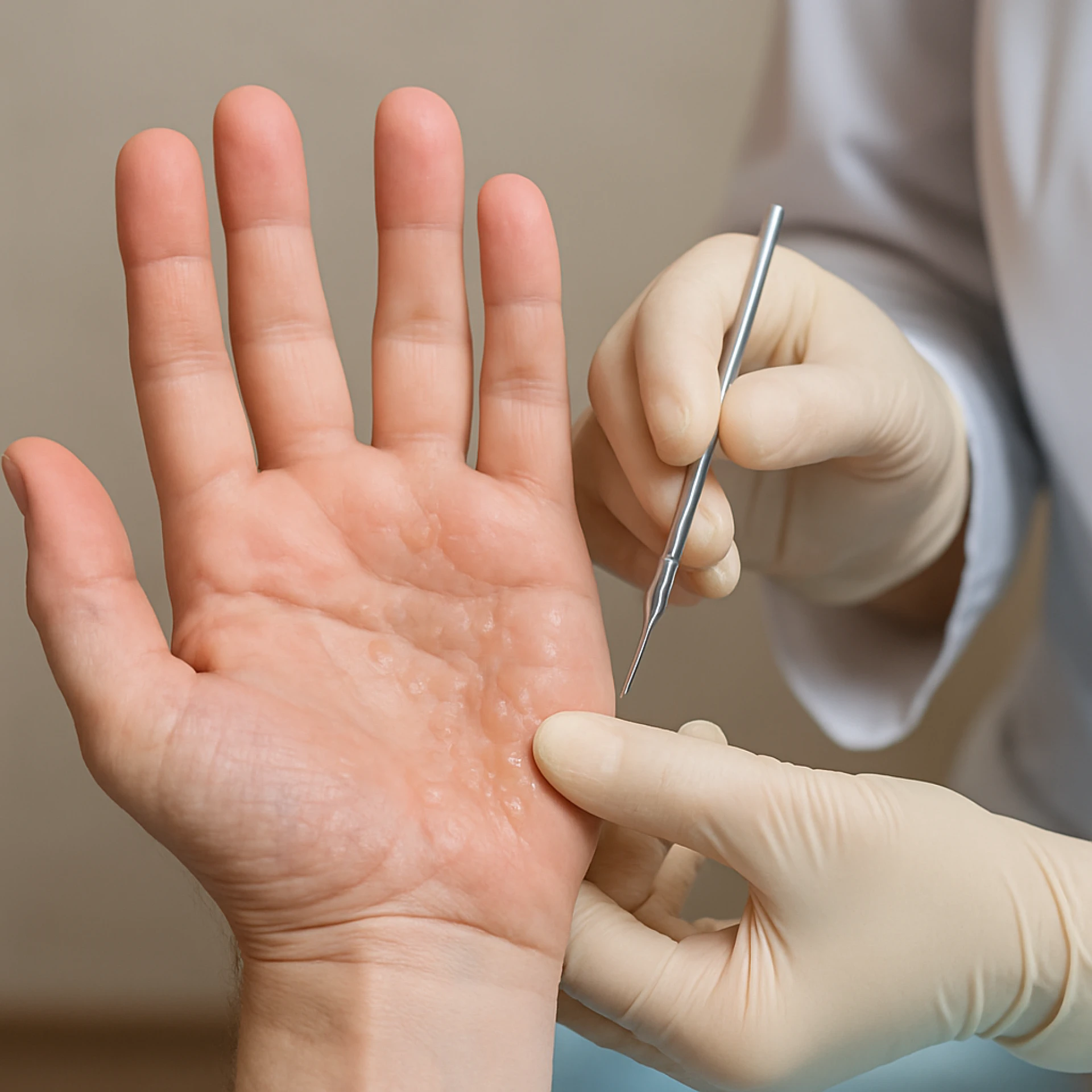
Dyshidrotic eczema — also known as pompholyx — is a form of eczema that primarily affects the palms of your hands, sides of your fingers, and soles of your feet. The tell-tale signs are clusters of tiny, fluid-filled blisters that may itch, burn, or sting.
The condition isn’t contagious, but it can be distressing due to how frequently it returns. Some people only get flare-ups once or twice a year, while others face it seasonally or under stress.
What Really Causes These Blistering Flare-Ups?
While there’s no single cause, dyshidrotic eczema is known to be triggered by a mix of internal and external factors:
Common Internal Triggers:
- Stress & anxiety
- History of allergies, like hay fever or asthma
- Excessive sweating (especially hands and feet)
External Irritants to Watch Out For:
- Nickel, cobalt, or chromium exposure
- Detergents, hand sanitizers, or harsh soaps
- Warm and humid climates like Lucknow’s summer weather
- Fungal infections on the feet, which may provoke flare-ups
By working with a skilled skin specialist in Lucknow, you can pinpoint your personal triggers and build a prevention strategy.
How to Recognize Dyshidrotic Eczema Symptoms
This condition often begins suddenly. Here’s what to look for:
- Tingling or itching before blisters appear
- Small, clear, fluid-filled blisters in clusters
- Peeling, scaling, or cracked skin after blisters dry
- Pain or burning if the skin breaks or thickens
- Redness or inflammation around the affected area
The flare-up may last 2–4 weeks and leave behind dry, scaly skin.
Diagnosing the Condition: Why Seeing a Dermatologist Matters
At The Velvet Skin Centre in Thakurganj, diagnosis is made through:
- A detailed visual skin examination
- Medical and allergy history review
- Patch testing to identify any contact allergies
- Ruling out similar-looking conditions like fungal infections, psoriasis, or scabies
Early diagnosis not only provides relief but also reduces the chance of repeated flare-ups.
Treatment Options: Medical and Lifestyle Care That Work Together
Managing dyshidrotic eczema involves a dual approach — medical intervention to calm active flare-ups, and skin-care routines to prevent future ones.
Professional Medical Treatments:
- Topical corticosteroids for inflammation
- Oral antihistamines for itch relief and better sleep
- Tacrolimus or pimecrolimus creams for long-term control
- Antibiotics, if infected from scratching
- Oral steroids in severe or recurring cases
At-Home & Preventive Care Tips:
- Moisturize hands/feet with thick, unscented creams
- Avoid metals like nickel (check jewellery or tools)
- Use gentle, fragrance-free soaps
- Wear cotton gloves for chores involving water
- Apply cool compresses during itchy episodes
- Keep feet/hands dry, especially during humid weather
Can Dyshidrotic Eczema Be Permanently Cured?
There’s no one-time cure — but long-term management is possible. With consistent skincare, stress management, and avoidance of triggers, you can drastically reduce flare-up frequency and severity.
Under the guidance of an experienced dermatologist in Lucknow, like those at The Velvet Skin Centre, most patients see major improvement within a few weeks.
Living Well with Dyshidrotic Eczema
Flare-ups can interrupt your life — especially if your job or daily routine involves using your hands or standing for long hours. To stay ahead of symptoms:
✅ Stick to a simple, soothing skincare routine
✅ Manage stress through yoga, meditation, or daily walks
✅ Track your symptoms to identify triggers
✅ Avoid allergen-heavy foods (like nuts, chocolate, or soy if sensitive)
✅ Consult your dermatologist regularly for follow-ups
When Should You Visit a Skin Specialist?
It’s time to book an appointment if:
- Blisters are frequent, painful, or oozing
- OTC creams and moisturisers aren’t working
- You’re unsure whether it’s eczema or a fungal infection
- Your skin condition is affecting your sleep, work, or lifestyle
The dermatology experts at The Velvet Skin Centre, Thakurganj, provide personalized treatment and holistic guidance to help you live comfortably.
Why Choose The Velvet Skin Centre in Lucknow?
At The Velvet Skin Centre, we don’t just treat the symptoms — we address the root causes. Our expert dermatologist, Dr. Asma Parveen, and her team provide compassionate, results-driven care using the latest medical protocols and a patient-first approach.
📍 Address: Near Ghante Wala Sweets, Thakurganj, Daulatganj, Lucknow, Uttar Pradesh 226003
📞 Call Now: 8002558860
📌 Google Maps: Dermatologist in Lucknow
FAQs: What Patients Often Ask
Q1: Is dyshidrotic eczema contagious?
No. It’s not spread by touch or contact.
Q2: Can food trigger flare-ups?
Yes, especially nickel-rich foods like soy, nuts, and chocolate.
Q3: Do flare-ups leave permanent marks?
Not usually, though repeated scratching can cause thickened skin or discoloration.
Q4: Is this common in children?
It’s more common in adults aged 20–40, but children can get it too.
Q5: Will the blisters always return?
They can, but proper skincare and medical support greatly reduce frequency.
Ready for Relief? Book Your Consultation Today.
Don’t let dyshidrotic eczema control your comfort or confidence. Schedule a visit to The Velvet Skin Centre in Lucknow, and take your first step toward clearer, healthier skin.











Sign in to leave a comment.