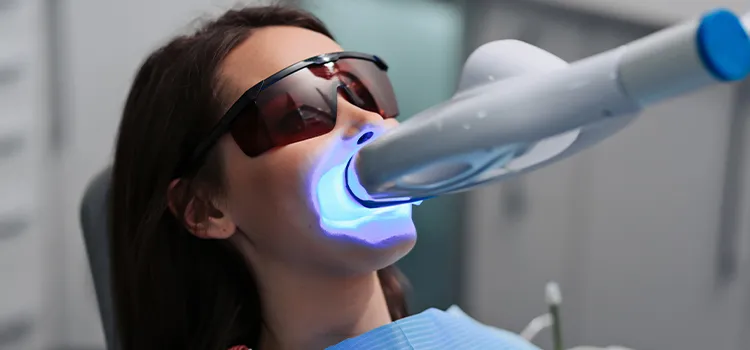

A bright, white smile is often associated with confidence, good health, and positive first impressions. Over time, however, teeth can become stained or discolored due to lifestyle habits, aging, or certain medications. Teeth whitening treatments are designed to restore the natural brightness of your smile or even enhance it beyond its original shade. But how do these treatments actually work? This guide breaks down the science, methods, and expectations behind teeth whitening.
Understanding Tooth Discoloration
Before diving into treatments, it’s important to understand why teeth lose their whiteness. Tooth discoloration generally falls into two categories:
Extrinsic stains occur on the outer layer of the tooth (enamel). These are commonly caused by coffee, tea, red wine, smoking, and poor oral hygiene.
Intrinsic stains develop within the inner structure of the tooth (dentin). These may result from aging, trauma, excessive fluoride exposure, or certain medications.
Whitening treatments target these stains differently depending on their depth and severity.
The Science Behind Teeth Whitening
Most teeth whitening treatments rely on bleaching agents, primarily hydrogen peroxide or carbamide peroxide. These chemicals penetrate the enamel and break down stain molecules through a process called oxidation.
When the peroxide breaks apart, it releases oxygen molecules. These molecules react with the discolored compounds in your teeth, breaking their chemical bonds and making them less visible. As a result, your teeth appear whiter and brighter.
The concentration of peroxide and the duration of exposure determine how effective the treatment will be. Professional treatments typically use higher concentrations for quicker, more noticeable results, while at-home products use lower concentrations for gradual whitening.
Types of Teeth Whitening Treatments
1. In-Office Professional Whitening
This is the fastest and most effective whitening option available. Performed by a dental professional, in-office treatments use high-concentration bleaching agents, sometimes enhanced with special lights or lasers to accelerate the process.
The procedure usually takes about 60–90 minutes and can lighten teeth by several shades in a single visit. Dentists also take precautions to protect your gums and minimize sensitivity.
Best for: People looking for immediate and dramatic results.
2. At-Home Whitening Kits (Dentist-Supervised)
Dentists often provide customized whitening kits that include trays molded to fit your teeth and professional-grade whitening gel. These kits allow you to whiten your teeth at home over a period of days or weeks.
Because the trays are custom-made, they ensure even application and reduce the risk of gum irritation.
Best for: Those who want professional results with the convenience of home use.
3. Over-the-Counter Whitening Products
These include whitening strips, gels, toothpaste, and pens available at pharmacies or online. They contain lower concentrations of bleaching agents compared to professional treatments.
While convenient and affordable, results may take longer and may not be as dramatic, especially for deeper stains.
Best for: Mild staining and maintenance after professional treatment.
4. Natural Remedies
Some people turn to natural methods like baking soda or activated charcoal. While these may help remove surface stains, they do not change the natural color of your teeth and may even damage enamel if used excessively.
Best for: Light surface stain removal (with caution).
If you’re searching for affordable teeth whitening in Mulund East, it’s important to balance cost with safety and effectiveness. Professional consultation ensures that your specific type of staining is properly diagnosed and treated.
Clinics like Dr. Roshan's Advanced Dental Clinic And Implant Center offer personalized whitening solutions tailored to your dental condition. Choosing a trusted dental clinic not only improves your results but also minimizes risks such as sensitivity or uneven whitening.
What to Expect During Treatment
The whitening process varies depending on the method you choose, but here’s a general idea:
- Preparation: Teeth are cleaned to remove plaque and debris.
- Application: Whitening agent is applied to the teeth.
- Activation: In professional treatments, light or heat may be used to enhance the effect.
- Rinse and Repeat: The process may be repeated several times in one session.
After treatment, it’s normal to experience mild tooth sensitivity, which usually subsides within a few days.
How Long Do Results Last?
Teeth whitening is not permanent. Results can last anywhere from a few months to up to three years, depending on your habits and oral hygiene routine.
To maintain your results:
- Avoid staining foods and drinks (or use a straw)
- Quit smoking
- Brush and floss regularly
- Schedule regular dental cleanings
- Use touch-up whitening products as needed
Are Teeth Whitening Treatments Safe?
When used correctly, most whitening treatments are safe. Professional treatments are especially reliable because they are supervised by dental experts.
However, overuse or improper application can lead to:
- Tooth sensitivity
- Gum irritation
- Enamel damage (in extreme cases)
It’s always a good idea to consult a dentist before starting any whitening treatment, especially if you have dental restorations like crowns or veneers, as these do not respond to whitening agents.
Who Should Avoid Teeth Whitening?
Teeth whitening may not be suitable for everyone. It is generally not recommended for:
- Children under 16
- Pregnant or breastfeeding women
- People with gum disease or untreated cavities
- Individuals with extremely sensitive teeth
In such cases, a dentist can recommend alternative cosmetic options.
Teeth whitening treatments offer an effective way to enhance your smile and boost your confidence. Whether you choose a professional in-office procedure or an at-home solution, understanding how these treatments work helps you make informed decisions.
The key is to choose a method that suits your needs, budget, and dental health—and to maintain your results with good oral hygiene and mindful habits. With the right approach, a brighter, more radiant smile is well within reach.
Original Sources : - How Teeth Whitening Treatments Work: A Complete Guide











Sign in to leave a comment.