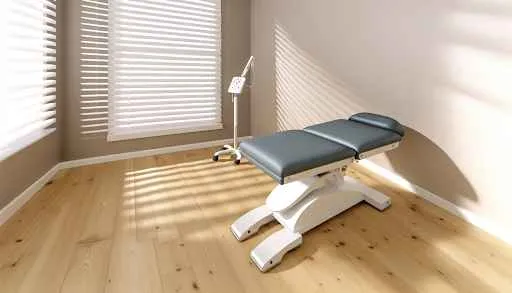

Osteopathic therapies rely on precise, hands-on techniques to restore movement, reduce pain, and improve overall function. However, treatment outcomes are not determined by technique alone. The physical setup of a therapy space plays a direct role in how effective each session is. Many clinics overlook practical elements such as layout, lighting, and workflow, which can quietly reduce treatment quality. A well-structured environment supports both the practitioner’s ability to work efficiently and the patient’s ability to relax and respond to treatment. Understanding these overlooked factors helps create a more consistent and results-driven therapy experience.
Space Utilization
The layout of a treatment room affects how smoothly a session runs. Practitioners need enough space to move freely around the table without adjusting their position awkwardly. Limited space can interrupt technique and reduce efficiency. At the same time, overcrowded rooms with unnecessary equipment create distractions for patients. A clean, open, and functional layout allows better positioning, smoother transitions during treatment, and a more professional atmosphere.
Lighting Conditions
Lighting influences both mood and performance. Bright, harsh lighting can make patients feel uncomfortable, while lighting that is too dim may affect visibility during manual work. Balanced, adjustable lighting is ideal, allowing practitioners to adapt the environment based on the type of therapy being delivered. Softer lighting often helps patients relax, which is important for reducing muscle tension and improving response to treatment.
Acoustic Environment
Noise is often ignored but has a measurable impact on therapy sessions. External sounds such as traffic or conversations from nearby rooms can disrupt focus and prevent patients from fully relaxing. A quieter environment supports better communication and concentration. Some clinics use soundproofing or neutral background sounds to reduce distractions and create a calmer setting for both practitioner and patient.
Temperature Control
Room temperature directly affects muscle behavior. Cold environments can cause muscles to tighten, making manual techniques less effective. On the other hand, excessive heat can lead to discomfort or fatigue. Maintaining a consistent and moderate temperature ensures that patients remain comfortable throughout the session, allowing muscles to stay relaxed and responsive.
Equipment Quality
The quality of equipment used in osteopathic therapies has a direct impact on treatment delivery. Treatment tables should be stable, adjustable, and ergonomically designed to support different positions. Poor-quality equipment can limit movement, create discomfort, and even increase the risk of strain for practitioners. Regular inspection and maintenance are necessary to ensure safety and long-term reliability.
Use of Digital Tools
While osteopathy focuses on manual techniques, digital tools can improve efficiency when used correctly. Patient management systems, diagnostic tools, and digital records help track progress and maintain accuracy. However, over-reliance on technology can interfere with the hands-on nature of treatment. The key is to use digital tools as support, not as a replacement for direct patient interaction.
Patient Privacy
Privacy is essential in any healthcare setting. Patients are more likely to share important information when they feel their confidentiality is respected. Private consultation areas, secure record storage, and clear communication about data protection all contribute to building trust. Without this trust, patient engagement and treatment outcomes may suffer.
Accessibility
An effective therapy setup should be accessible to all patients. This includes individuals with mobility challenges who may require additional support when entering or moving within the clinic. Features such as ramps, wider doorways, and easy access to treatment areas improve usability and make the space more inclusive. Accessibility is not just a compliance issue—it directly affects patient comfort and convenience.
Hygiene and Cleanliness
Cleanliness is a basic requirement, but it is often underestimated in its impact on patient perception. A well-maintained environment signals professionalism and care. Regular cleaning of treatment tables, equipment, and surfaces reduces the risk of contamination and creates a safer space. Patients are more likely to feel confident in a clinic that maintains high hygiene standards.
Workflow and Scheduling
Efficient workflow ensures that each session runs smoothly without unnecessary delays. Poor scheduling can lead to rushed treatments or long waiting times, both of which reduce patient satisfaction. Allocating sufficient time for each appointment allows practitioners to focus fully on treatment without feeling pressured. A structured schedule also improves overall clinic organization and productivity.
Conclusion
The effectiveness of osteopathic therapies depends on more than just technical skill. Environmental and operational factors play a significant role in shaping both patient experience and treatment outcomes. Elements such as space, lighting, equipment, and workflow directly influence how well each session is delivered. By paying attention to these often-overlooked details, clinics can create a more efficient, comfortable, and results-oriented therapy environment that benefits both practitioners and patients.












Sign in to leave a comment.