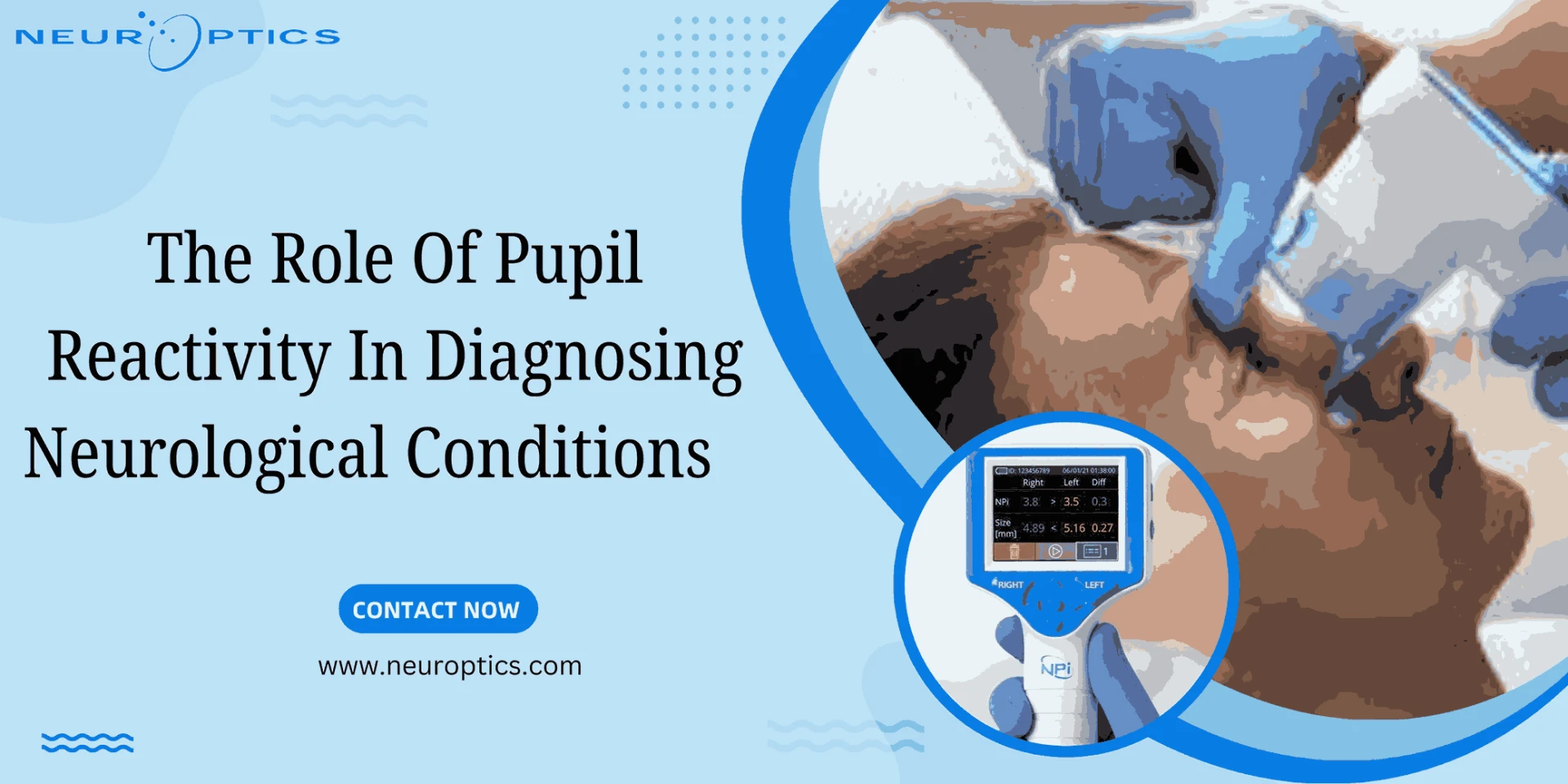

Pupil reactivity is an important function in clinical environments to help doctors detect possible problems in the brain. The centre black part of the eyes is the pupil – which reacts to light by changing its size. Doctors rely on these changes to gain useful insights into the health of the brain. In this post, we will look at how pupil reactivity plays a central role in helping doctors diagnose various neurological conditions.
How does pupil reactivity work?
The pupils are the black circular area that is found in the centre part of the iris. This important part of the eyes helps to control the amount of light that the eyes get. The process of controlling this light is known as pupillary light reflex – an involuntary reaction that is controlled by the brain. To control the light, the pupils work by becoming smaller (constriction) or bigger (dilation). In doing this, the reactivity and the size of the pupil vary giving doctors an indication of a potential neurological problem.
The importance of pupil reactivity in diagnostic medicine
Doctors conduct a pupil evaluation test as a way to understand the neurological condition of the brain. This assessment helps to indicate the presence of certain neurological conditions like:
Brain injuries
If somebody has been in an accident and they have a head injury, the doctors conduct a pupil assessment. This is to make sure that both pupils react normally to the light. If the doctor gets no reaction, this could mean that the brain is suffering from serious damage.
Brain bleeding
Doctors can use pupil reactivity to detect brain bleeding. A simple neuro exam with a pupillometer will work in this case. He examines both pupils to check for a problem. If the brain is suffering from bleeding, it is usually that the pupils don’t react to light or one is bigger than the other. Bleeding in the brain causes excess pressure on the nerves that control the pupils.
Identifying stroke
Stroke is a common neurological problem that is detected by pupil reactivity. This is a condition that happens when blood flow in the brain is blocked. Stroke is also confirmed by bleeding in the brain. The reactivity of the pupils changes to inform the doctors about the neurological condition. The pupil reactivity can also be used to indicate the type of stroke.
Checking for tumours in the brain
Doctors also rely on pupil reactivity to detect the presence of brain tumours. If the brain has tumours, it can compromise the areas responsible for controlling the pupils. Doctors rely on the NPI Pupillometer to accurately check the reaction of the pupils. This gives them enough clues about the location of the brain tumour.
Diagnosing nerve disorders
The pupils are controlled by certain nerves that are vulnerable to diseases. One such disease is multiple sclerosis which causes significant damage to the optic nerves in the eyes. Another example of such a diseases is Parkinson’s disease – a condition that disrupts pupil reaction to external stimuli. Doctors rely on pupil reactivity to properly understand this problem.
Checking the brain for herniation
Pupil reactivity plays a significant role in helping doctors check for herniation. This is a condition that happens when a part of the squeezed through any of the skull's structure – this usually happens because of excess pressure or swelling. If doctors get non-reactive pupils after checking, this could mean that the patient suffers from a life-threatening condition. Due to the quick diagnosis – made possible by pupil reactivity – doctors react immediately to save the life of the patient.
The role of technology in diagnosing neurological conditions through pupil reactivity
Doctors rely on a range of neurological instruments to ensure that pupil size and reactivity are accurately measured. In recent times, they have had access to sophisticated devices and software solutions that make this process reliable and accurate. This is why they can accurately diagnose various neurological conditions in clinical environments and life-saving scenarios where every second counts.
Modern tools for diagnosing neurological conditions
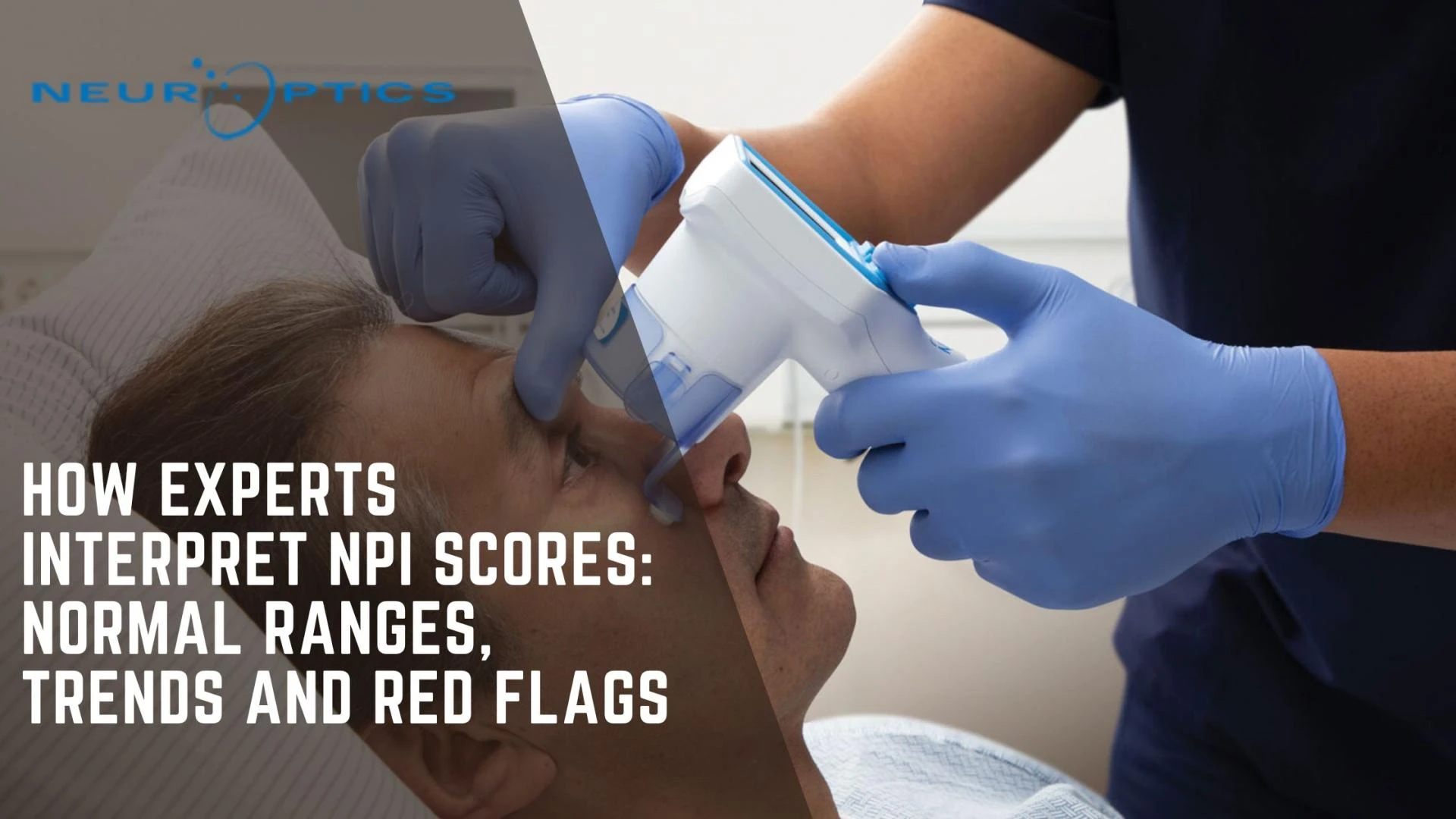
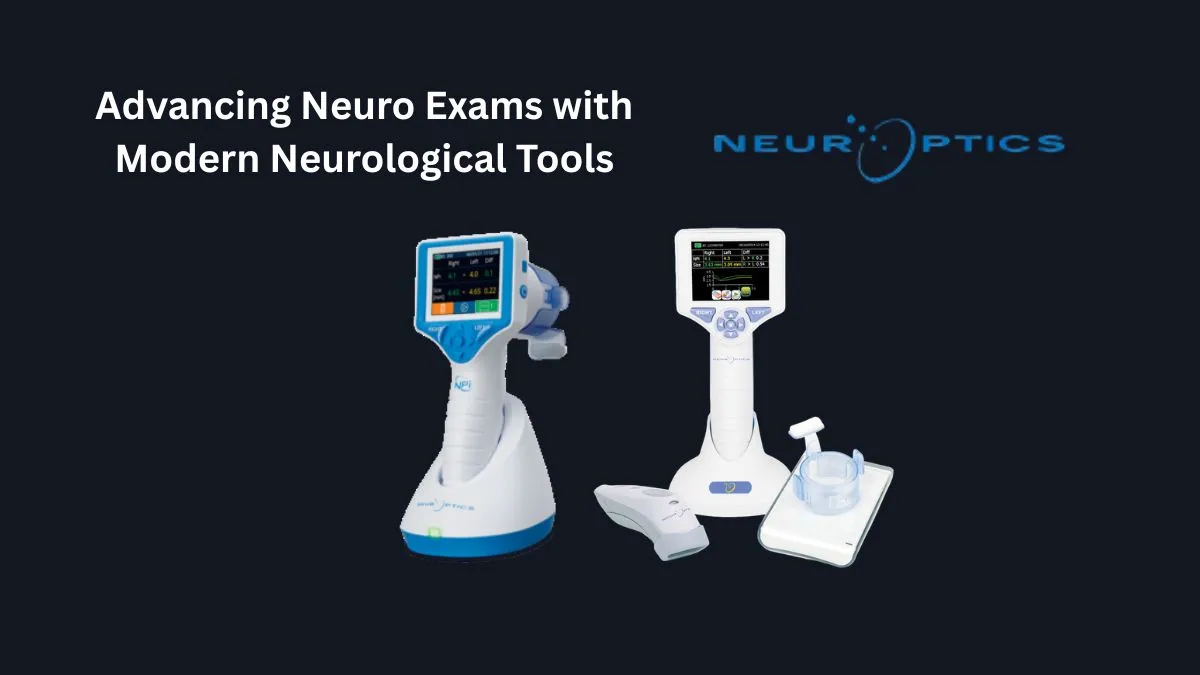
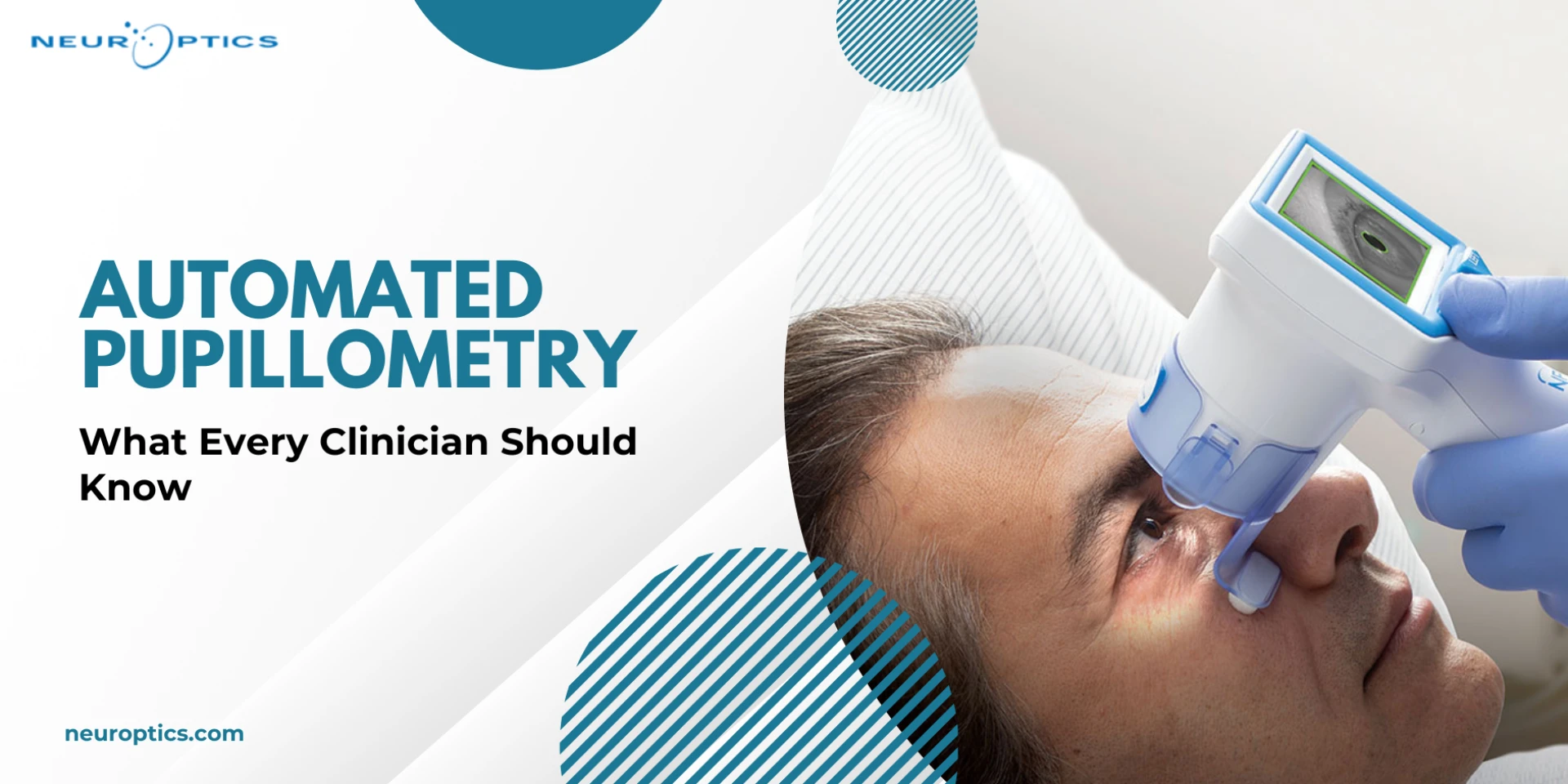
To accurately capture the reactivity of the pupils, a range of neurological tools are used for this purpose. Technological advancements have transformed the way pupil reactivity is assessed in clinical environments. These days, there are automated pupillometers that provide accurate measurements when it comes to measuring pupil size and reactivity. This laser-like precision helps doctors ensure accurate diagnoses of potential neurological conditions. The NPI scale works together with a pupillometer to assess the reactivity of the pupils.










Sign in to leave a comment.