

Whiplash and soft tissue injuries can be painful and limiting, affecting mobility and daily activities. Whether caused by a car accident, sports injury, or sudden impact, these injuries can take time to heal. While rest, medication, and physical therapy are common treatment options, deep tissue massage in Windermere Edmonton plays a crucial role in speeding up recovery.
Massage therapy helps reduce inflammation, improve circulation, and relieve pain, making it a valuable part of the healing process. This article explores how massage therapy supports recovery from whiplash and soft tissue injuries and why it should be considered as part of a holistic treatment plan.
Understanding Whiplash and Soft Tissue Injuries
Whiplash is one of the most common soft tissue injuries, often resulting from sudden, forceful movement of the neck. It frequently occurs in car accidents but can also happen in sports, falls, or other high-impact situations. Common symptoms of whiplash include:
· Neck pain and stiffness
· Headaches
· Shoulder and upper back discomfort
· Dizziness or fatigue
· Limited range of motion
Soft tissue injuries, in general, involve damage to muscles, tendons, or ligaments. These injuries can range from mild strains to severe tears, often leading to swelling, discomfort, and restricted movement. Without proper care, these conditions can result in prolonged pain and stiffness.
How Massage Therapy Aids Recovery
Massage therapy is an effective way to manage pain and enhance the body’s natural healing process. Here’s how it helps:
1. Reduces Inflammation and Swelling
Soft tissue injuries often lead to inflammation, which can cause pain and limit movement. Massage therapy stimulates the lymphatic system, helping to drain excess fluids and reduce swelling. This process also improves the delivery of oxygen and nutrients to the affected areas, promoting healing.
2. Improves Blood Flow and Oxygen Supply
Proper circulation is essential for recovery. Massage therapy increases blood flow, ensuring that muscles receive the oxygen and nutrients they need to repair. Improved circulation also helps remove waste products and toxins, which reduces soreness and speeds up the healing process.
3. Relieves Muscle Tension and Spasms
After an injury, muscles may tighten as a protective response, leading to pain and discomfort. Massage therapy helps release muscle tension, improving flexibility and reducing the risk of spasms. This is particularly beneficial for those experiencing neck and back stiffness after whiplash.
4. Alleviates Pain Naturally
Massage therapy triggers the release of endorphins, the body's natural painkillers. It also helps block pain signals from reaching the brain, providing relief from chronic pain associated with whiplash and soft tissue injuries. This can reduce reliance on pain medications and support long-term recovery.

5. Restores Flexibility and Range of Motion
Soft tissue injuries can cause stiffness and limited mobility. Over time, scar tissue may develop, further restricting movement. Massage therapy helps break down scar tissue and improve muscle elasticity, allowing for a greater range of motion and more comfortable movement.
6. Supports the Nervous System
Whiplash can affect the nervous system, causing symptoms such as tingling, numbness, or dizziness. Massage therapy soothes nerve endings, reducing irritation and promoting relaxation. This not only helps with physical recovery but also reduces stress and anxiety related to the injury.
Best Massage Techniques for Whiplash and Soft Tissue Injuries
Different massage techniques can be used to target specific issues related to whiplash and soft tissue injuries. Some of the most effective include:
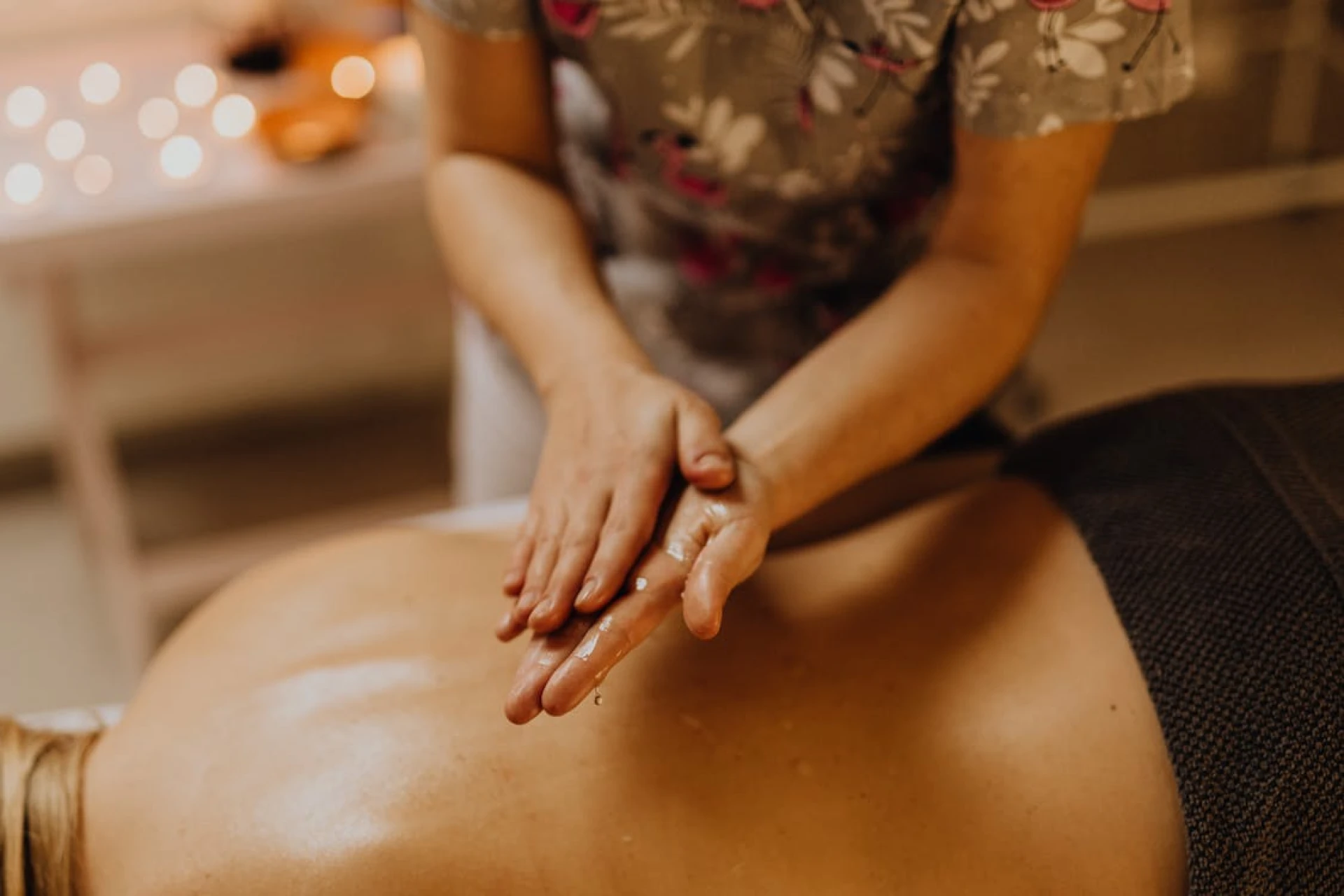
· Deep Tissue Massage – This technique targets deep muscle layers to release chronic tension and break down scar tissue. It is especially helpful for soft tissue injuries that cause prolonged tightness.
· Swedish Massage – Gentle and relaxing, Swedish massage improves circulation and promotes overall healing.
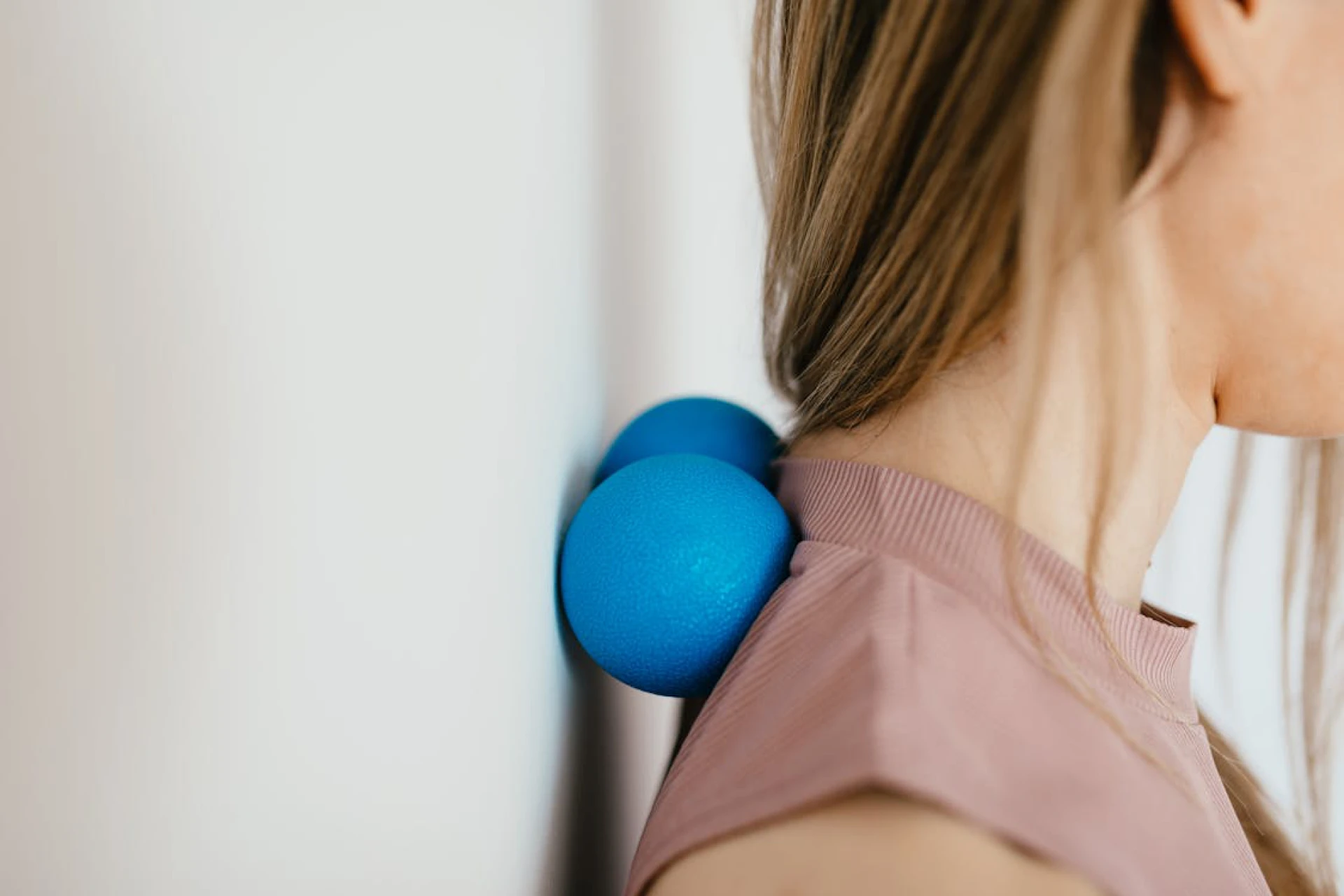
· Trigger Point Therapy – Focuses on specific areas of muscle tension, helping to relieve localized pain.
· Myofascial Release – Works on connective tissues to reduce stiffness and enhance mobility, particularly useful for those recovering from whiplash.

Choosing the Right Massage Clinic for Recovery
Finding a reputable massage clinic in Windermere Edmonton is crucial for safe and effective treatment. A skilled massage therapist can tailor treatments to individual needs, ensuring proper care for soft tissue injuries. Whether you need a full body massage for relaxation or targeted therapy for pain relief, working with an experienced professional makes a significant difference in recovery.
A quality therapeutic massage should address the root cause of pain while promoting relaxation and healing. This makes selecting a reliable clinic essential for achieving the best results.
Experience Healing at Healing Oasis
For those recovering from whiplash and soft tissue injuries, Healing Oasis provides expert massage therapy designed to relieve pain and restore mobility. Their trained professionals offer customized treatments that address inflammation, tension, and restricted movement.
Whether you're looking for a back massage in Windermere Edmonton to ease stiffness or a therapeutic massage to aid deep tissue healing, Healing Oasis offers a range of services tailored to your needs.
If you’re searching for trusted massage places, book a session now with Healing Oasis and take the next step toward recovery.













Sign in to leave a comment.