
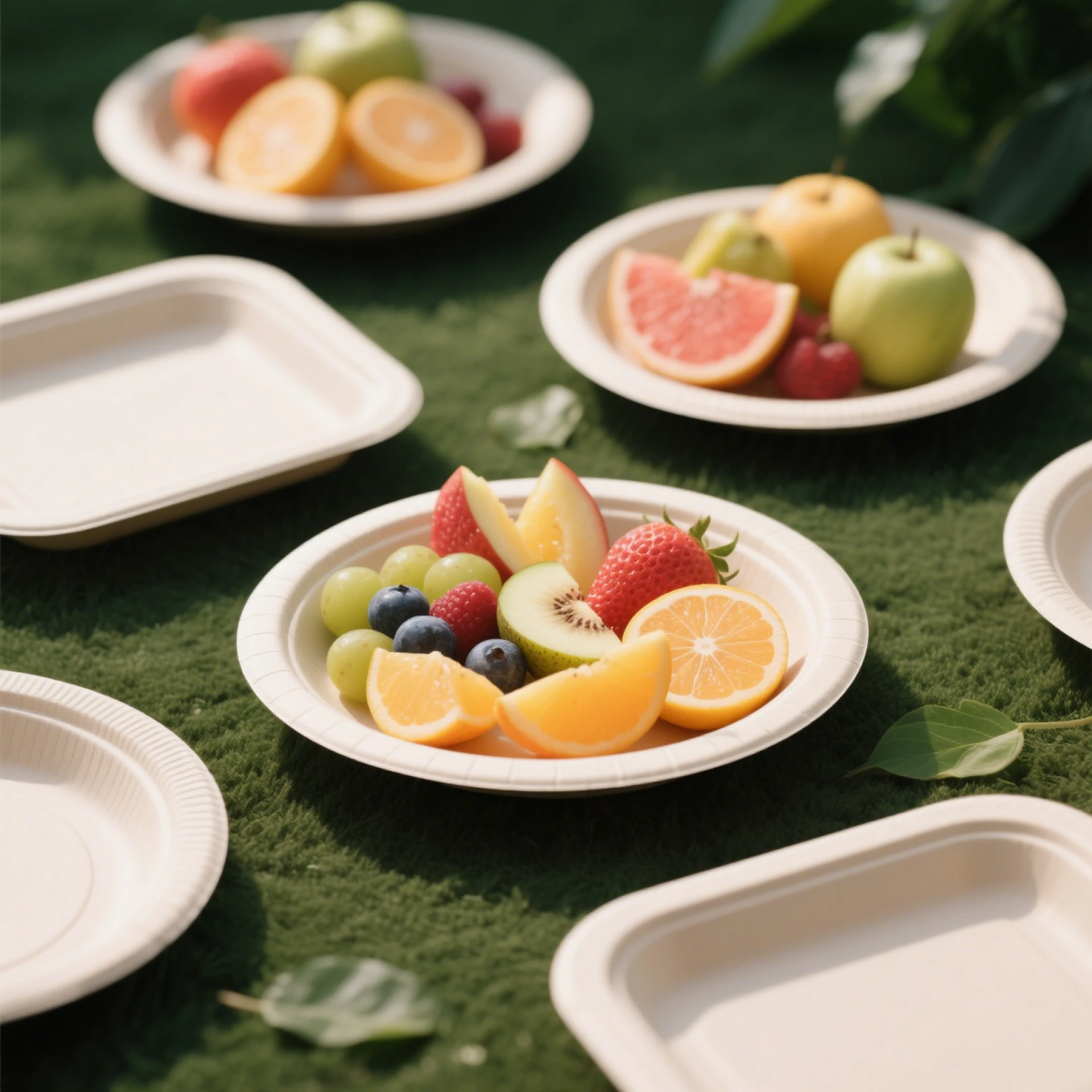
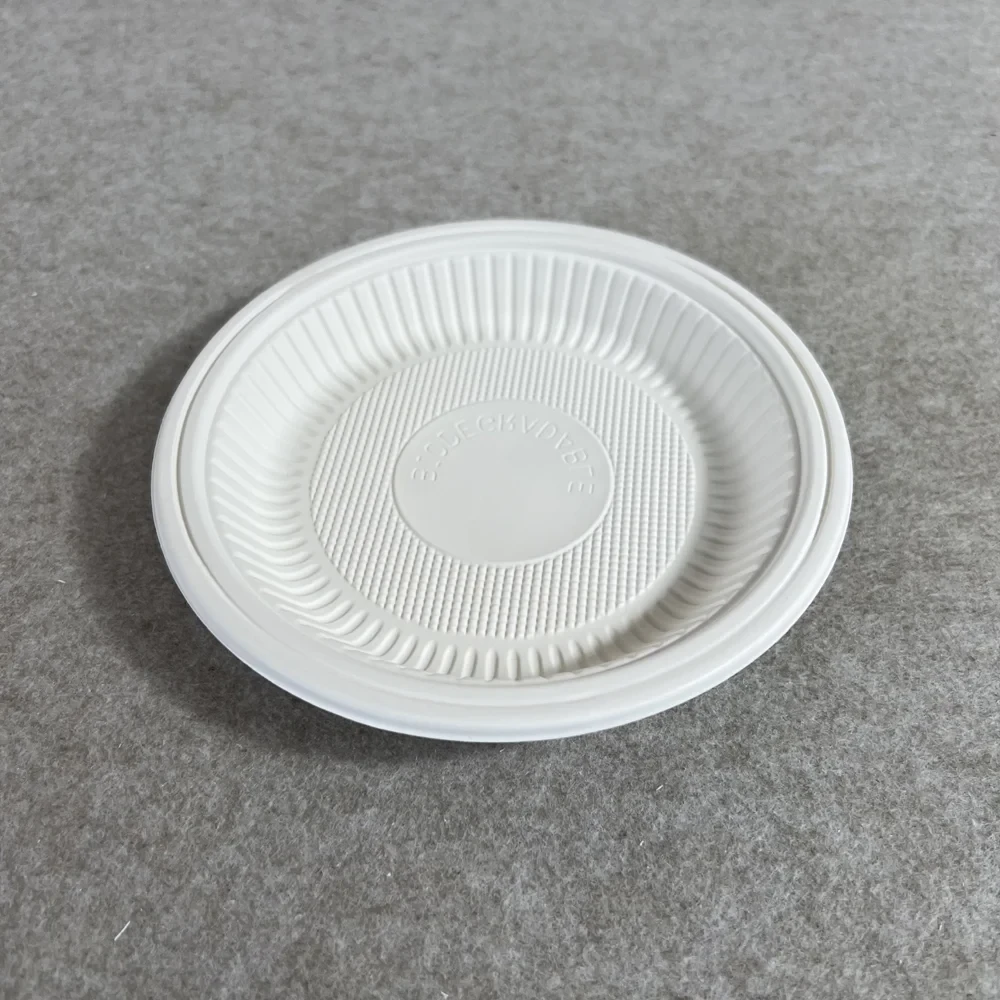
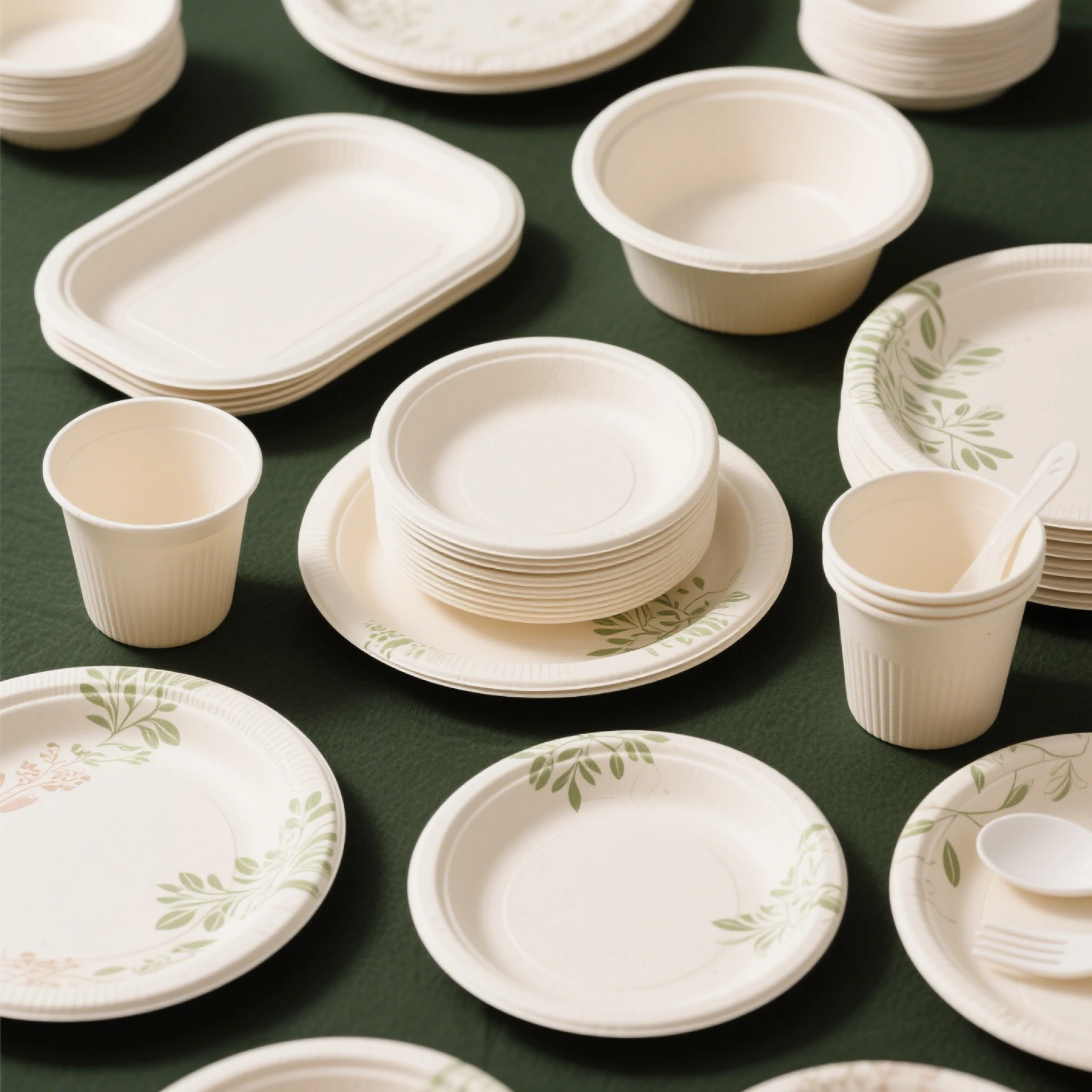
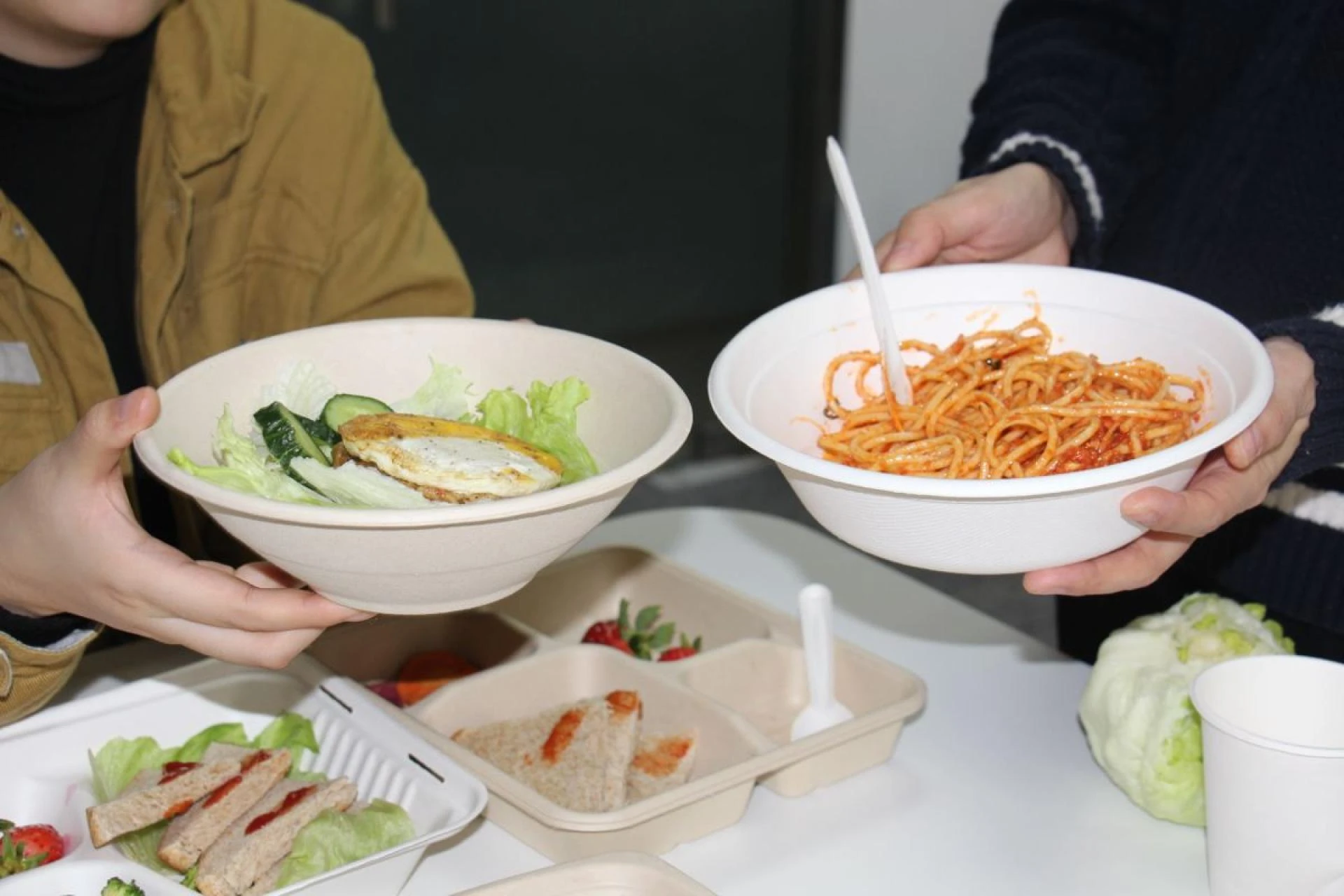
“Plastic-free dining is rising fast—Bioleader’s sugarcane bagasse bowls deliver compostable strength and beauty for the 2025 eco packaging era.”
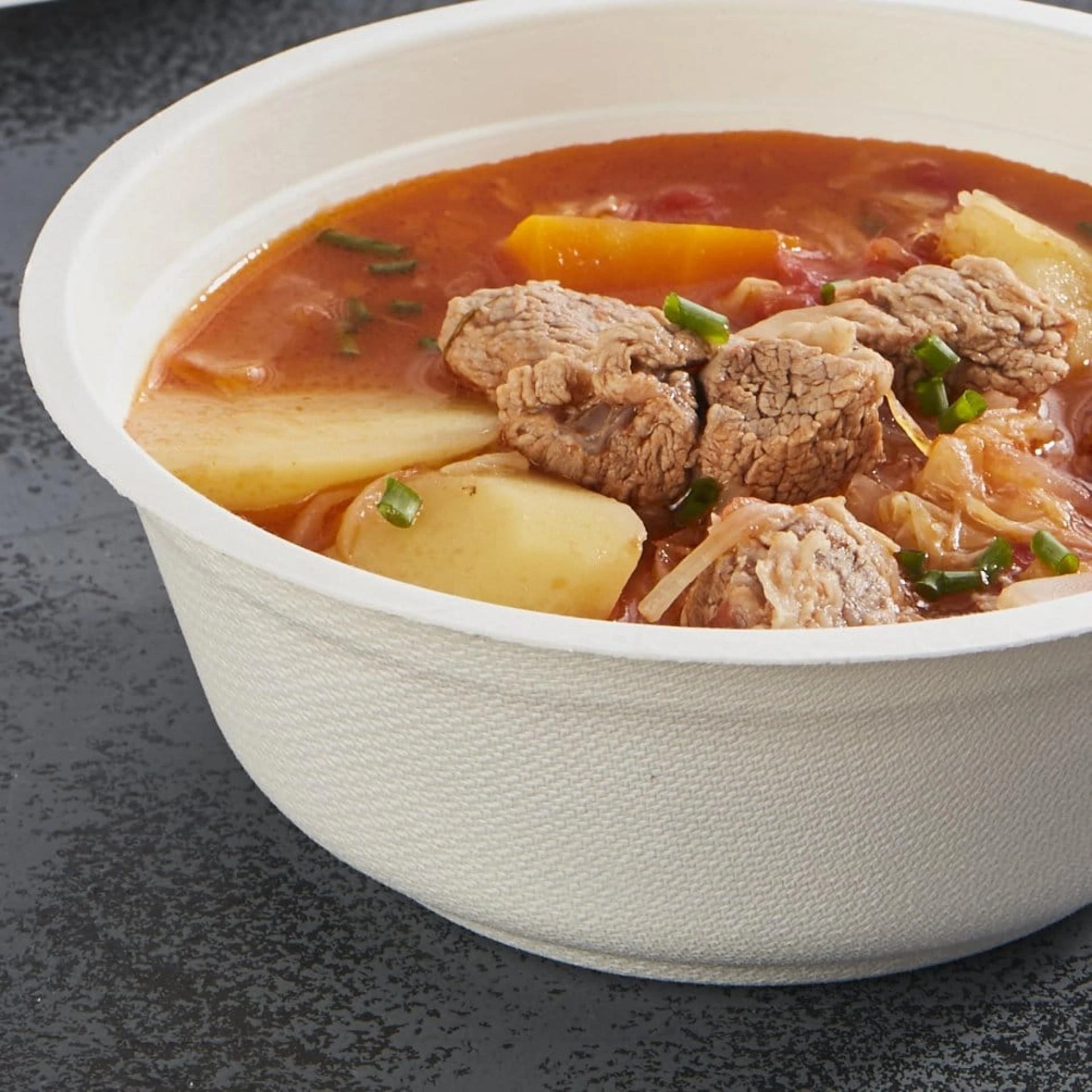
1. Transforming Food Packaging with Eco-MaterialsIn an era where environmental awareness shapes purchasing decisions, bagasse bowls are emerging as a
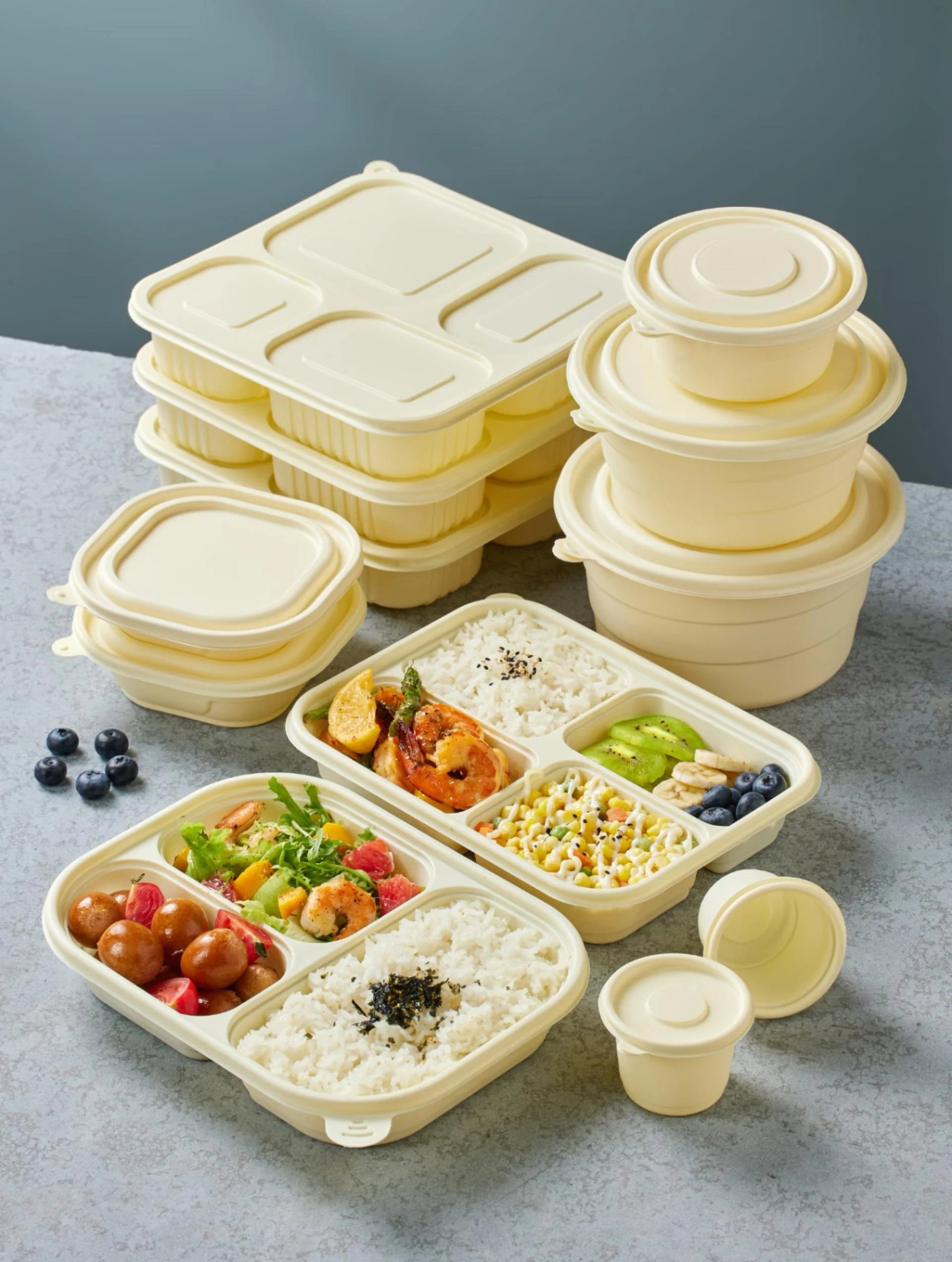
In 2025, sustainable foodservice isn’t just a buzzword—it’s a business requirement. Whether you run a catering business, a delivery-first kitche
Introduction: The Future of Sustainable Tableware Has ArrivedThe global foodservice industry is undergoing a transformation. Driven by environmental a
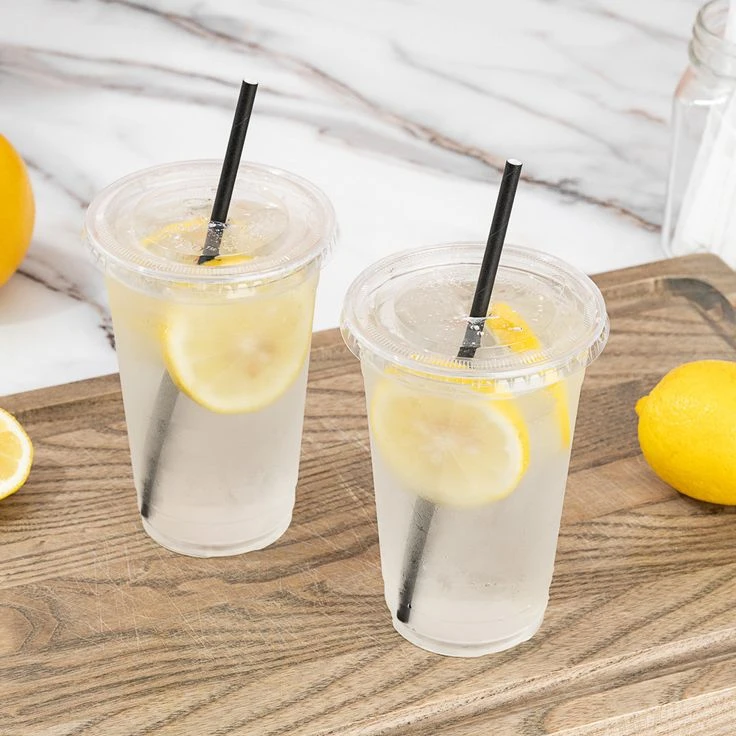
Introduction: Why PLA Cups Are the Future of Sustainable DrinkwarePolylactic Acid (PLA) cups are rapidly replacing traditional plastic in beverage pac
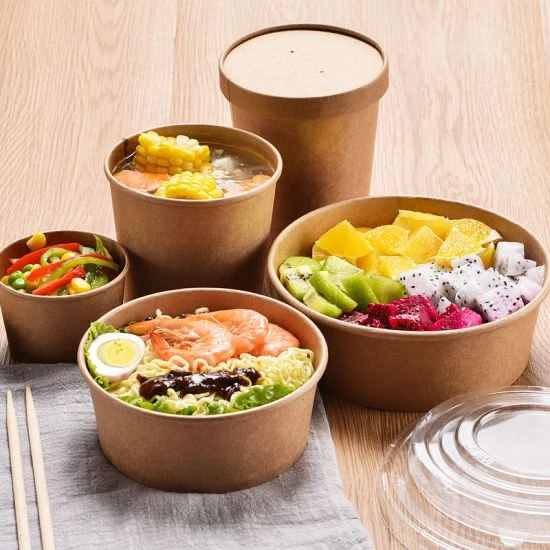
Introduction: A Global Appetite Meets a Greener FutureAcross continents, our taste for international cuisine has exploded—Korean bibimbap in London,
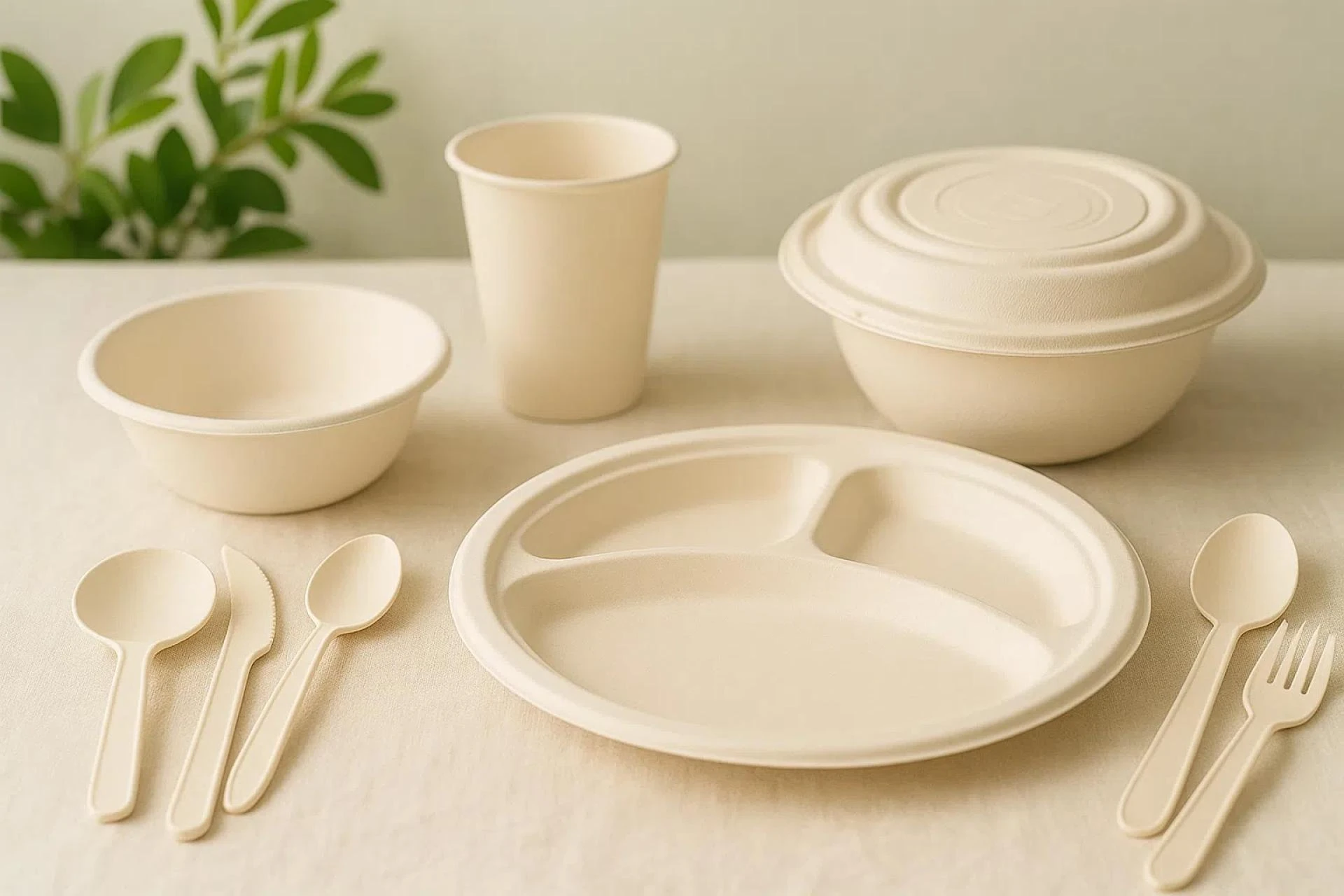
An Aussie Summer Like No Other: Where Wellness Meets SustainabilitySummer in Australia isn’t just a season; it’s a cultural phenomenon. It’s whe
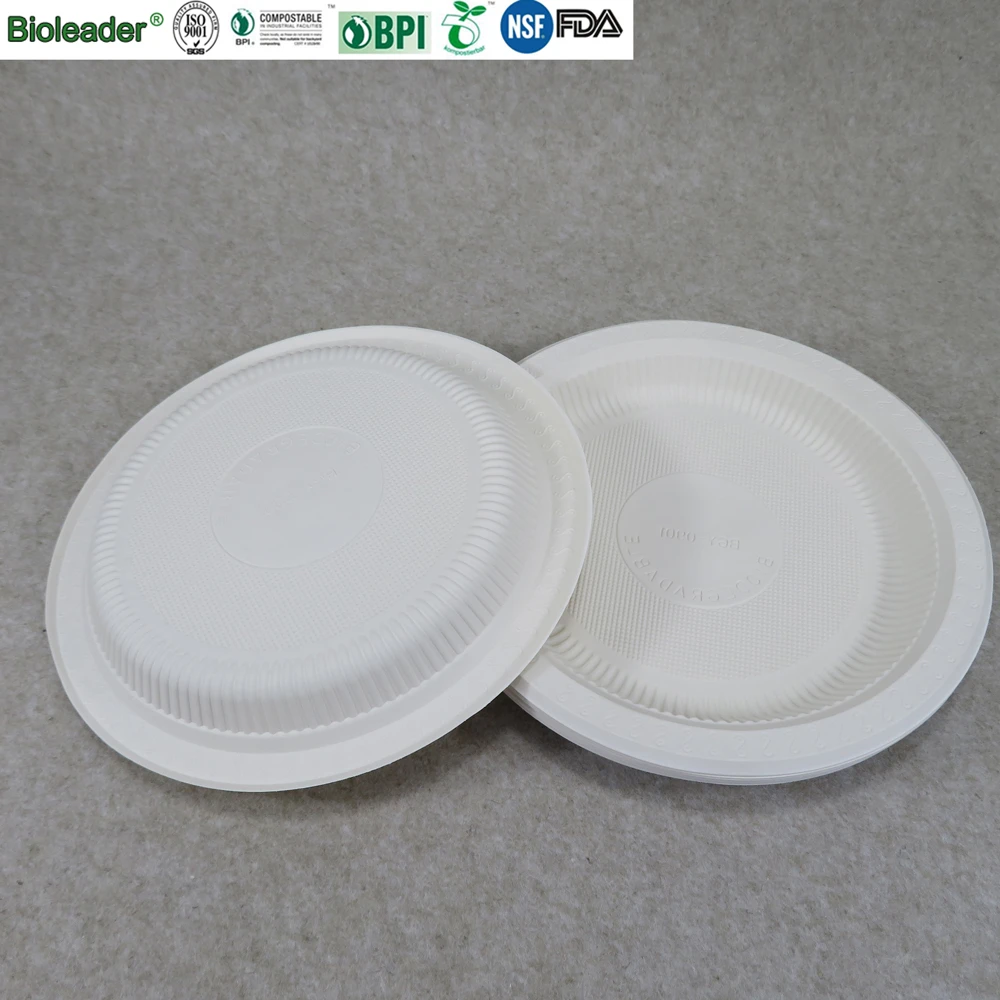
Bonjour to Summer: A French Culinary RitualIn France, summer is a sensory celebration. Markets overflow with ripe tomatoes and melons, café terraces
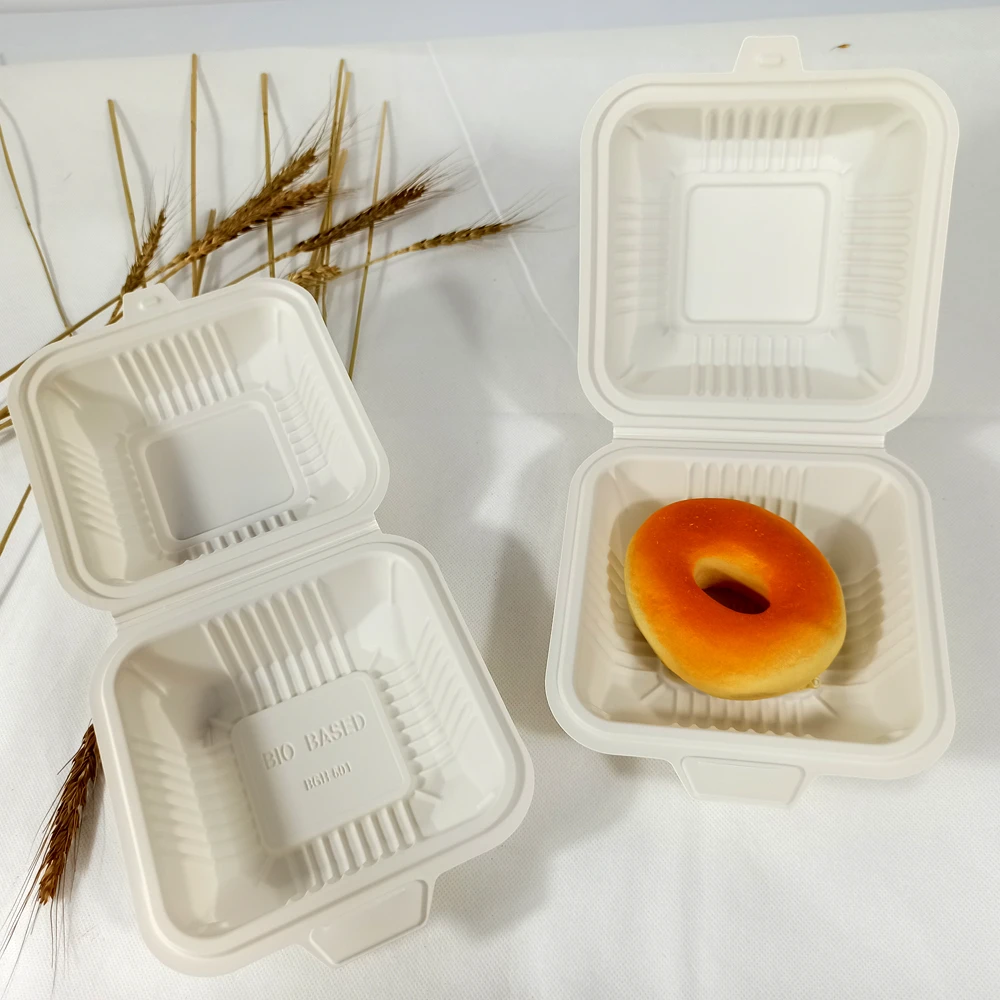
Summer isn’t just a season—it’s a feeling. Think iced drinks on patios, fruit salad under the sun, and endless takeout meals by the pool or duri
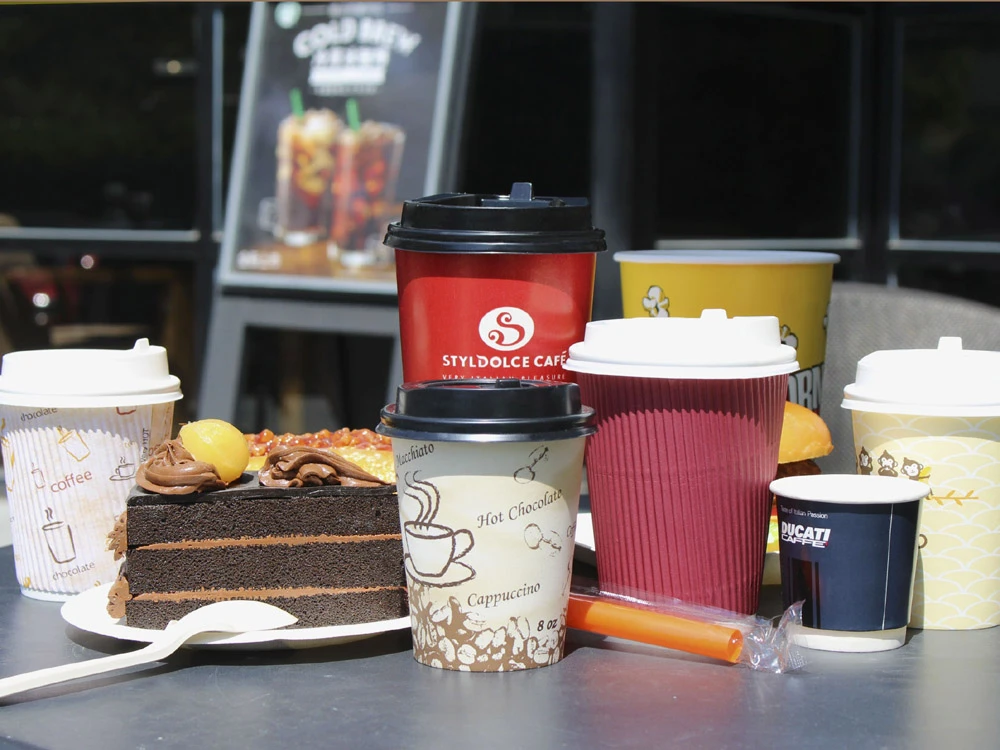
Introduction: Why the Smallest Packaging Choice Deserves Big AttentionIn today’s fiercely competitive food and beverage industry, even the smallest
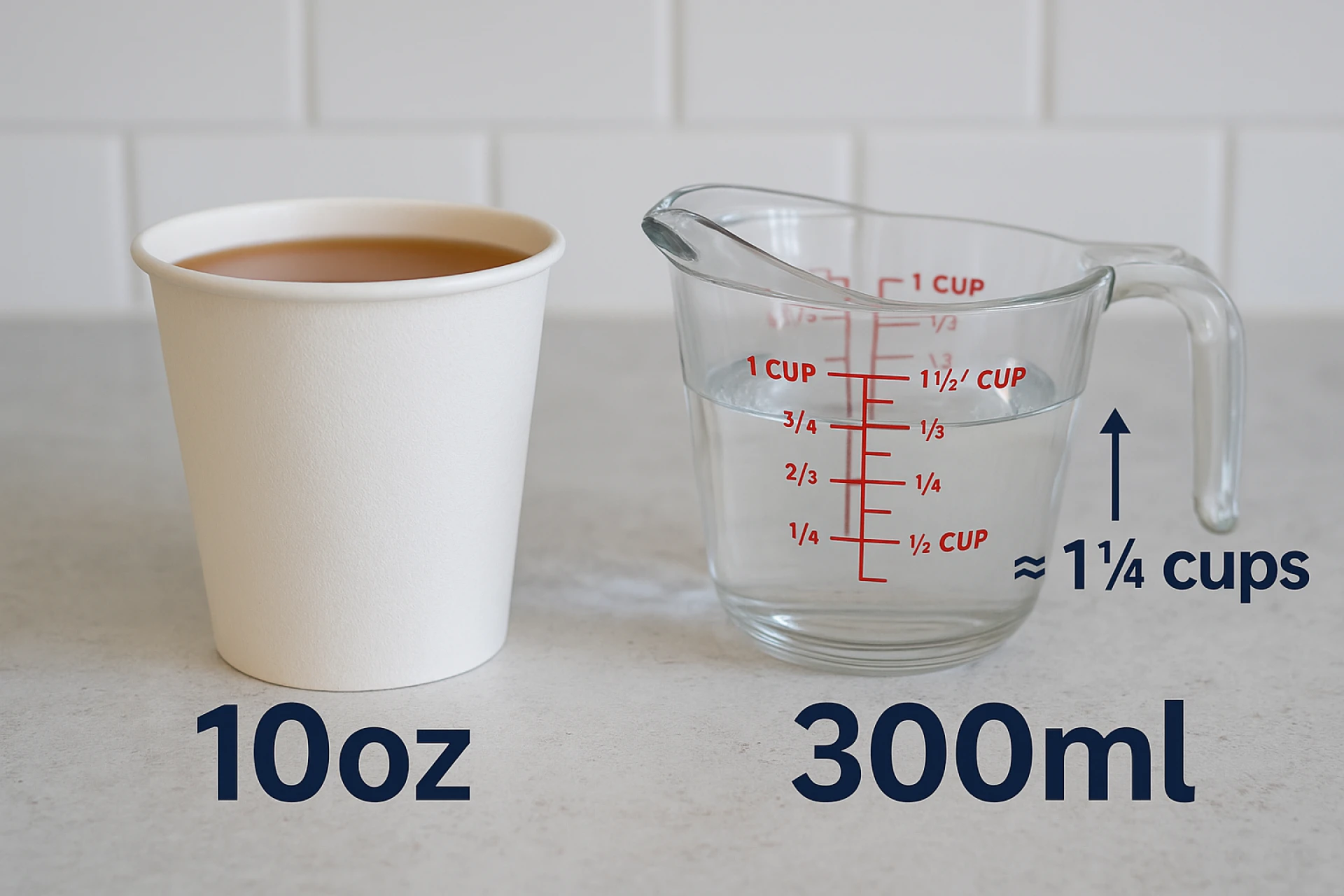
Introduction: Small Numbers, Big ImpactConverting 10oz or 300ml to cups might seem like a minor task, but whether you're baking a cake, serving a lat
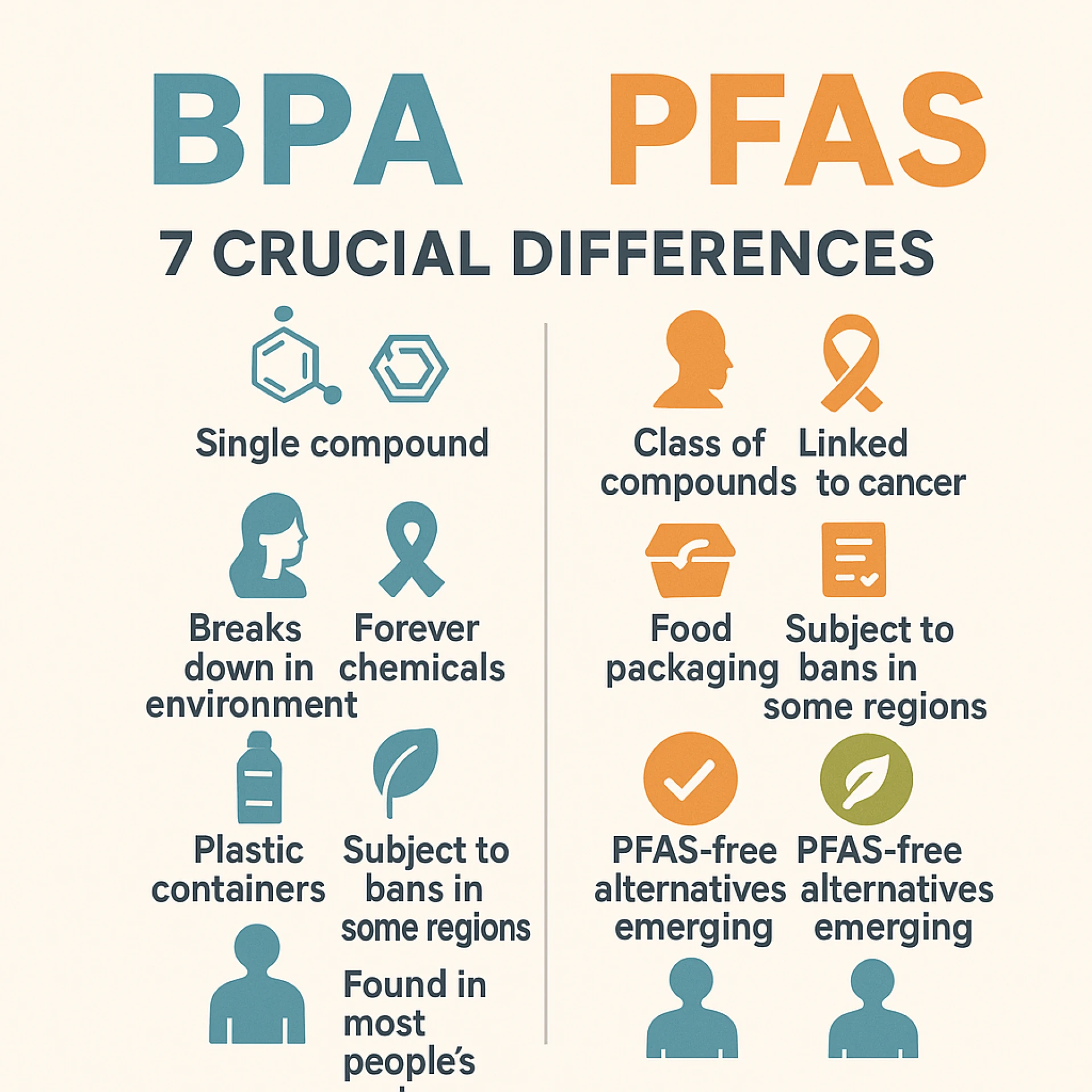
In a world increasingly filled with synthetic chemicals, it’s hard to know what’s truly safe. One common question is: Is BPA the same as PFAS? Or
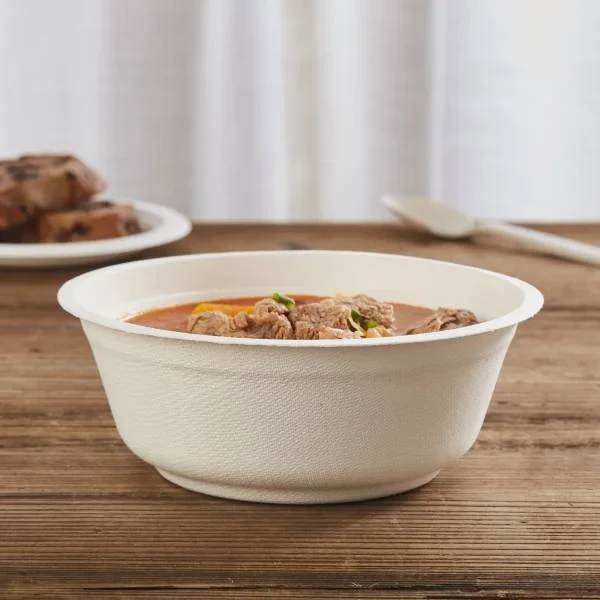
Plastic takeout containers are choking our planet—but there's a smarter solution hiding in plain sight. Bagasse bowls, made from sugarcane waste, are quietly revolutionizing food packaging by outperforming plastic in strength, cost, and sustainability. Discover how businesses are slashing waste fees by 40%, eliminating customer complaints, and even boosting their brand image—all while serving meals in containers that compost in just 45 days. The future of eco-friendly dining isn't coming...it's already here.
This in-depth guide explores everything professionals need to know about paper plates—from defining the standard paper plate size and identifying disposable plates for hot food, to evaluating microwave and oven safety, understanding the differences between BPA vs PFAS, and calculating paper decomposition time. Whether you're sourcing for restaurants or building a sustainable brand, this article provides actionable insights for safer, smarter, and greener packaging decisions.
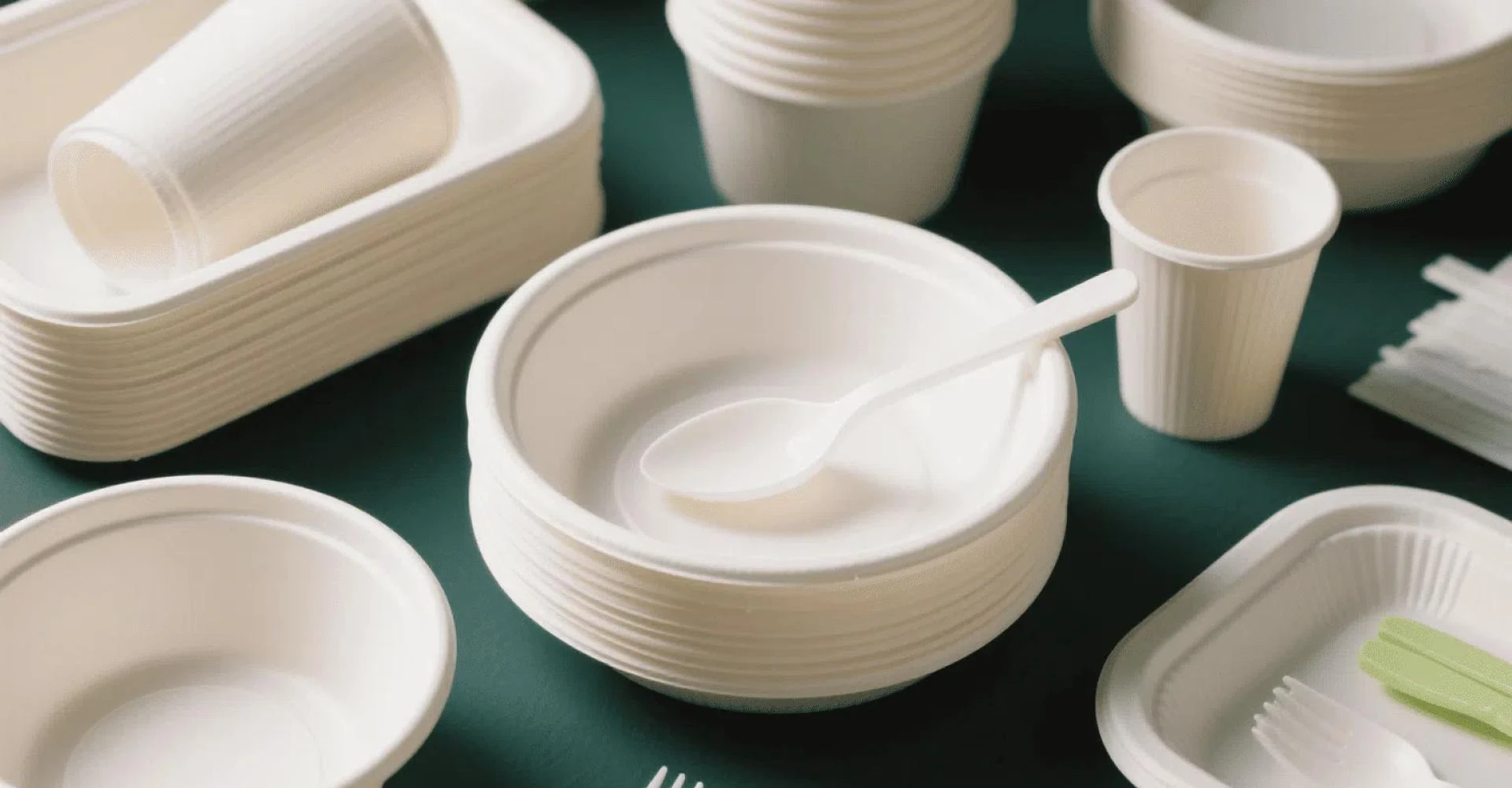
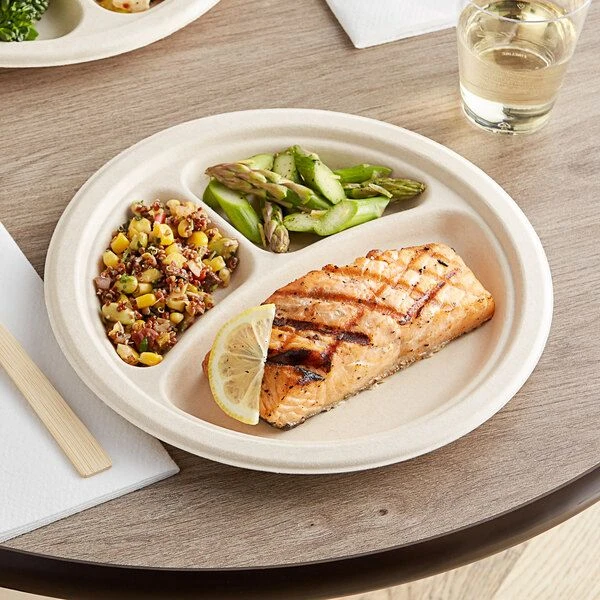
Bagasse plates offer a powerful combination of sustainability, durability, and compostability. Learn why they’re outperforming plastic and paper in real-world foodservice.
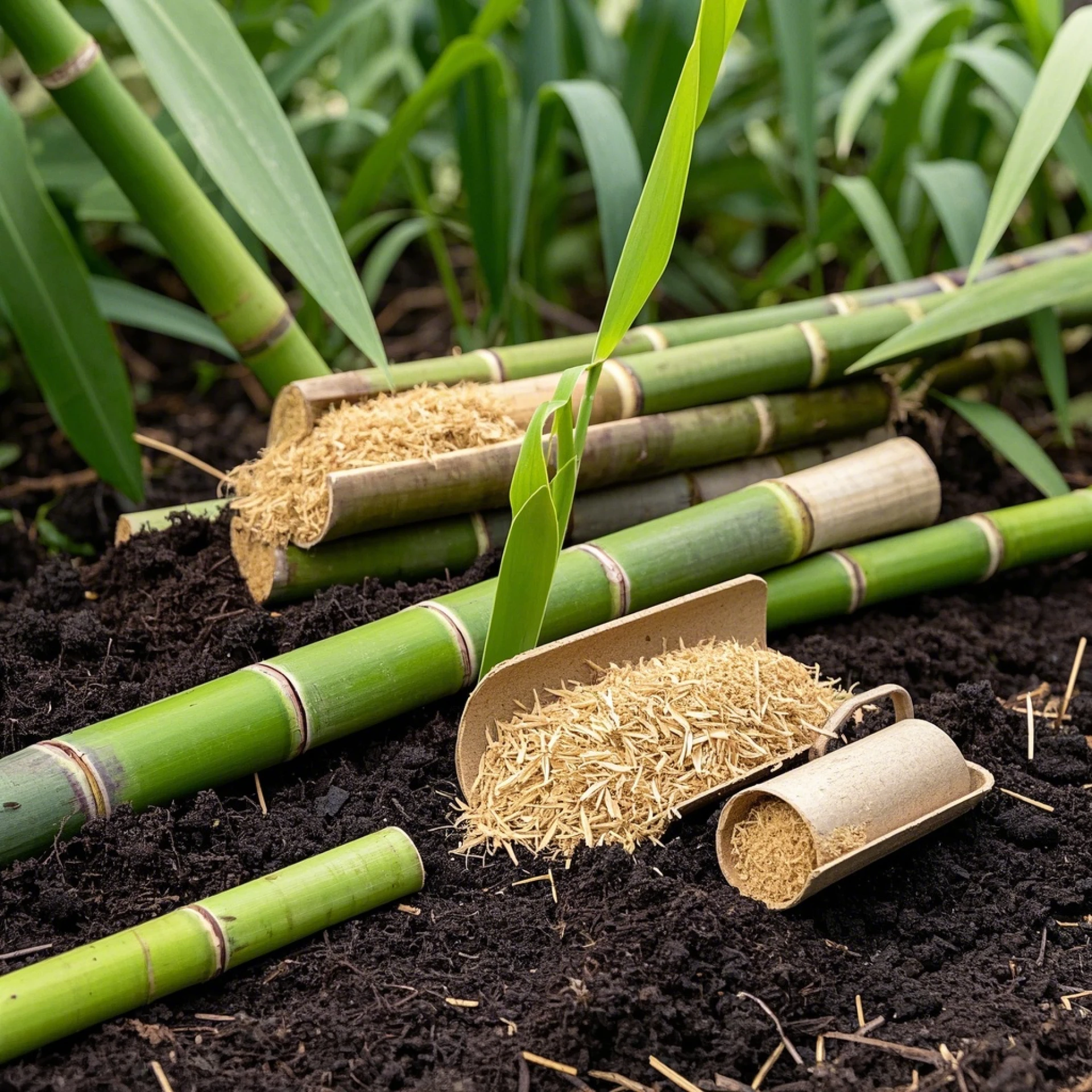
Discover China’s top 10 sugarcane bagasse tableware manufacturers for 2025. From compostable plates to eco-friendly cutlery, these certified suppliers offer sustainable, PFAS-free packaging solutions trusted by global foodservice brands.
Introduction to Biodegradable Food PackagingAs environmental concerns escalate globally, businesses and consumers alike are turning toward sustainable
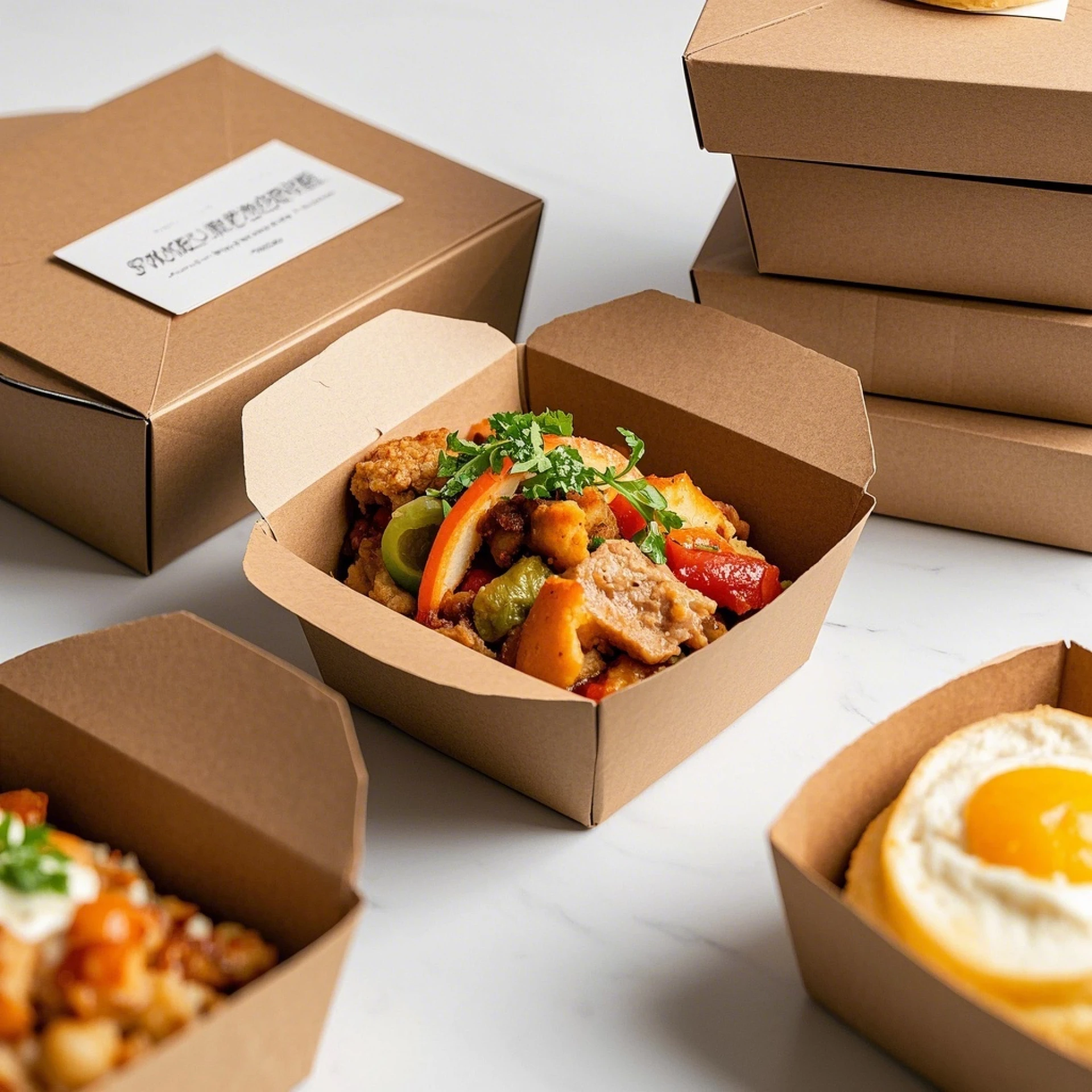
Introduction to Biodegradable TablewareIn response to escalating environmental concerns and the global movement towards sustainability, biodegradable
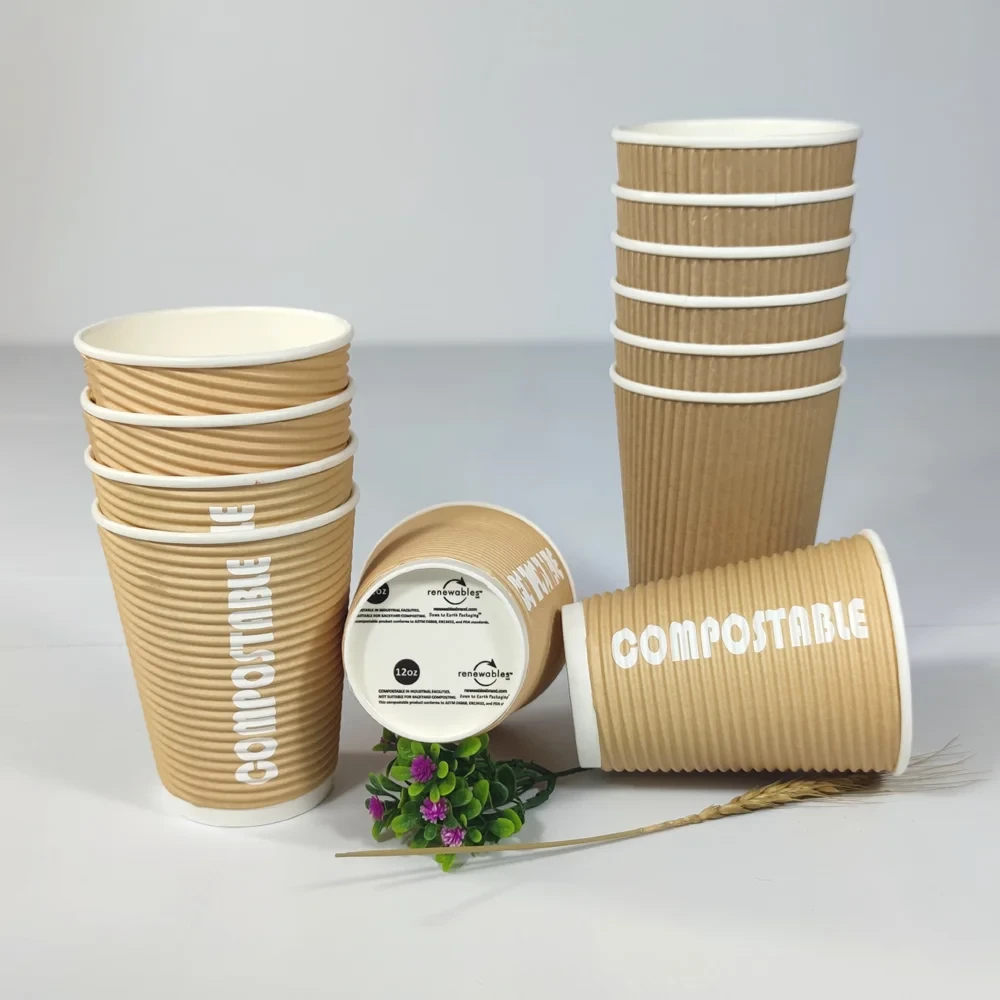
Most paper cups look eco-friendly but contain plastic linings that make them unrecyclable. This article reveals how certified biodegradable paper cups offer a truly compostable alternative—reducing waste, supporting compliance, and building a greener brand image.
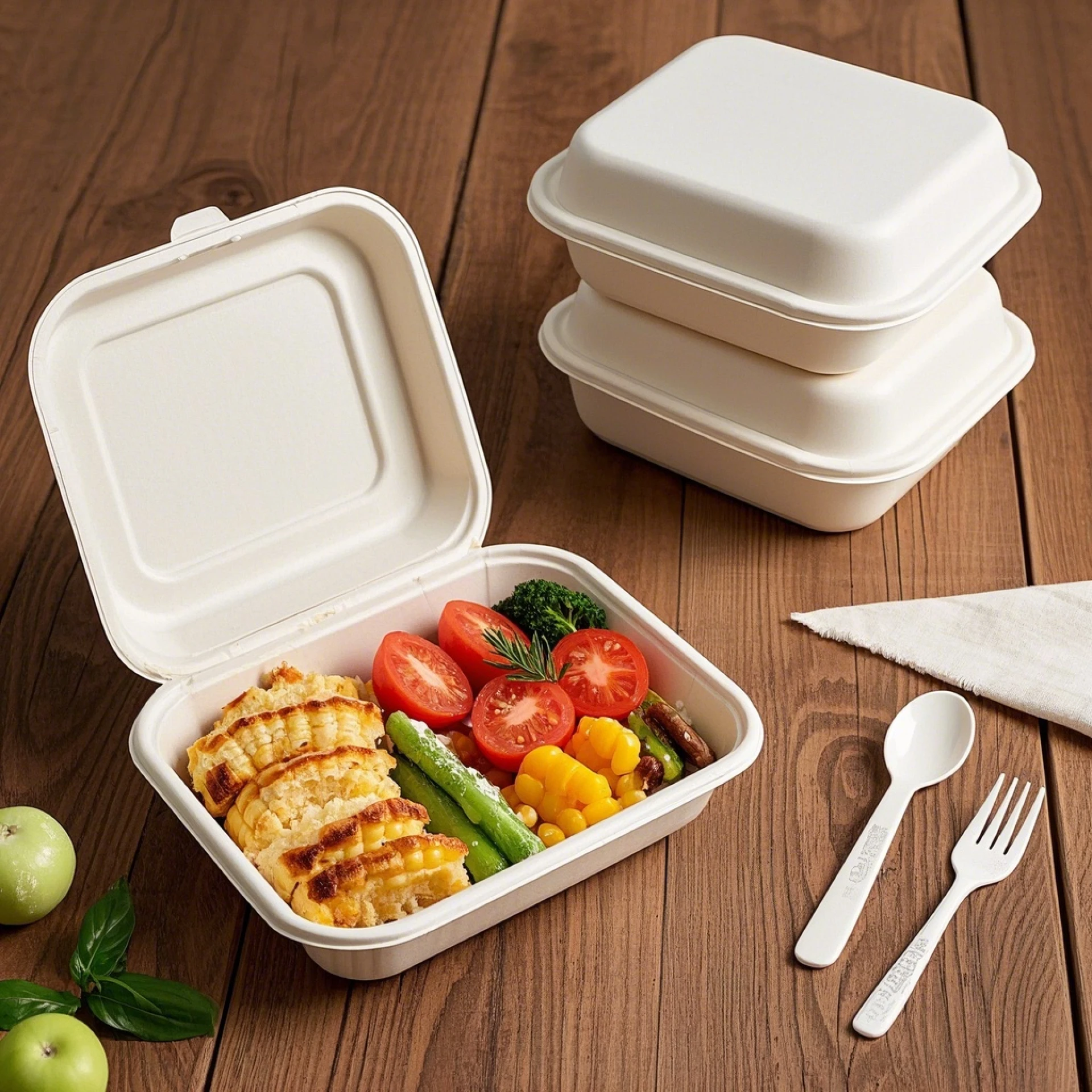
Not all “eco-friendly” packaging is truly biodegradable—and without proper certification, many so-called green boxes are just marketing. This article explores what defines certified biodegradable paper food packaging, why global standards like EN 13432 and ASTM D6400 matter, and how materials like sugarcane bagasse offer plastic-free, compostable alternatives. From clamshell boxes to disposable bento containers, discover how to avoid greenwashing and choose packaging that meets real environmental standards, reduces waste, and earns customer trust.