
☕ Introduction: The Recycling Myth of “Paper” Cups
Every day, millions of consumers pick up coffee, tea, smoothies, and soft drinks in paper cups. They’re often tossed into recycling bins with good intentions—but most never get recycled.
Why?
Because most paper cups are lined with plastic—specifically polyethylene (PE)—to prevent leaks. This plastic barrier turns a recyclable-looking paper cup into a single-use landfill item. While it may say "paper," the truth is most of these cups cannot be processed by standard recycling facilities.
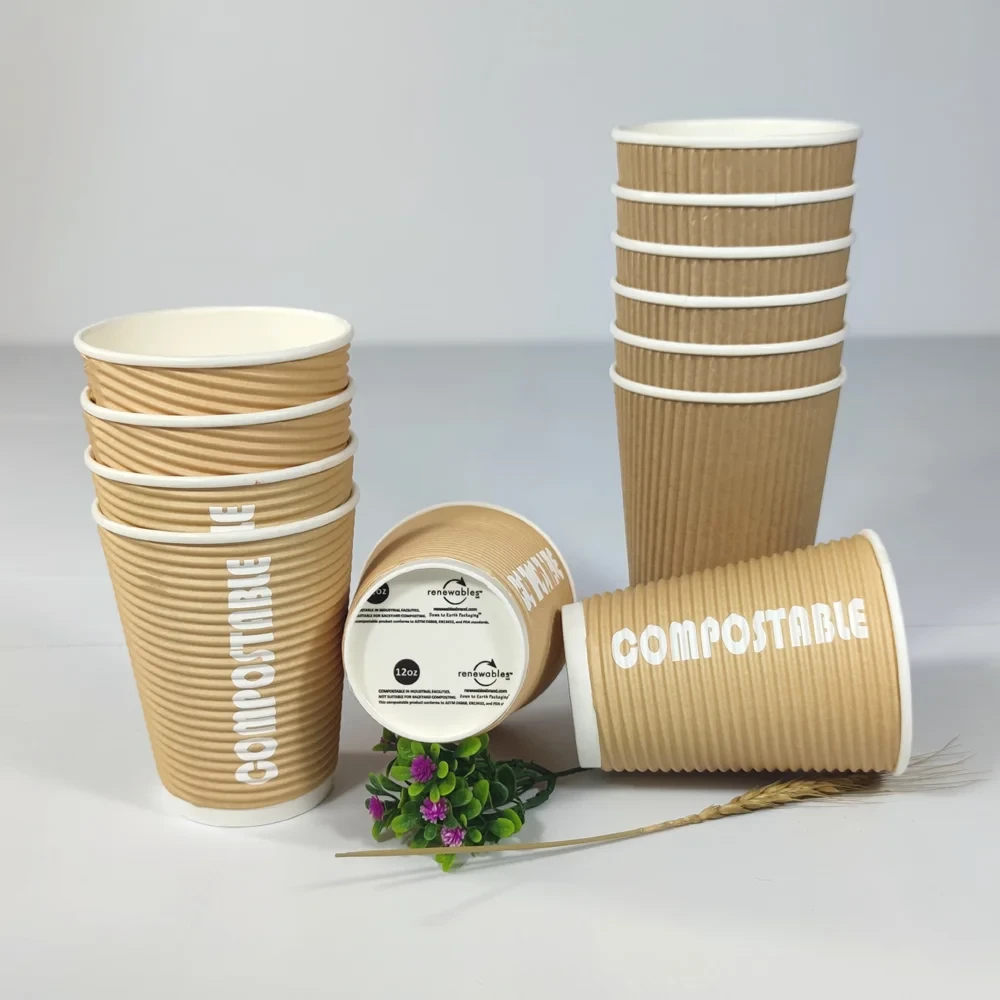
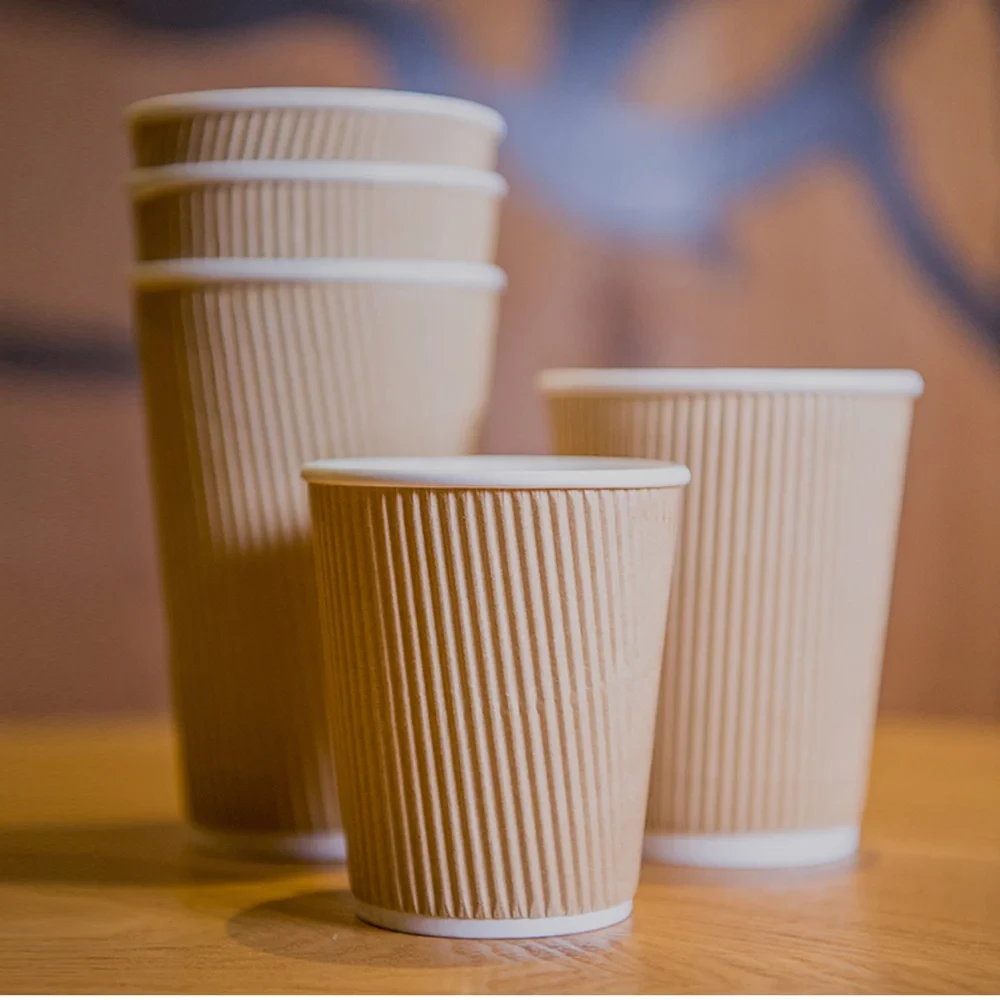
The solution? Certified biodegradable paper cups and compostable paper cups that eliminate the need for plastic and decompose safely.
🚫 Why Plastic-Lined Paper Cups Can’t Be Recycled
Traditional paper cups are a composite product—they combine paperboard and plastic film. This dual material makes recycling difficult for several reasons:
- Separation is expensive and time-consuming
- Most recycling plants lack the technology to separate plastic from paper
- The plastic liner can contaminate paper pulp batches
- Food and drink residues further complicate the process
Research Insight
A 2022 Waste & Resources Action Programme (WRAP) study found that:
Over 99% of PE-lined paper cups end up in landfill or incineration, even when disposed of in recycling bins.
In short, the materials we think are eco-friendly may actually pollute more than transparent plastic—simply because they’re misleading.
🧪 What Makes Compostable and Biodegradable Paper Cups Different?
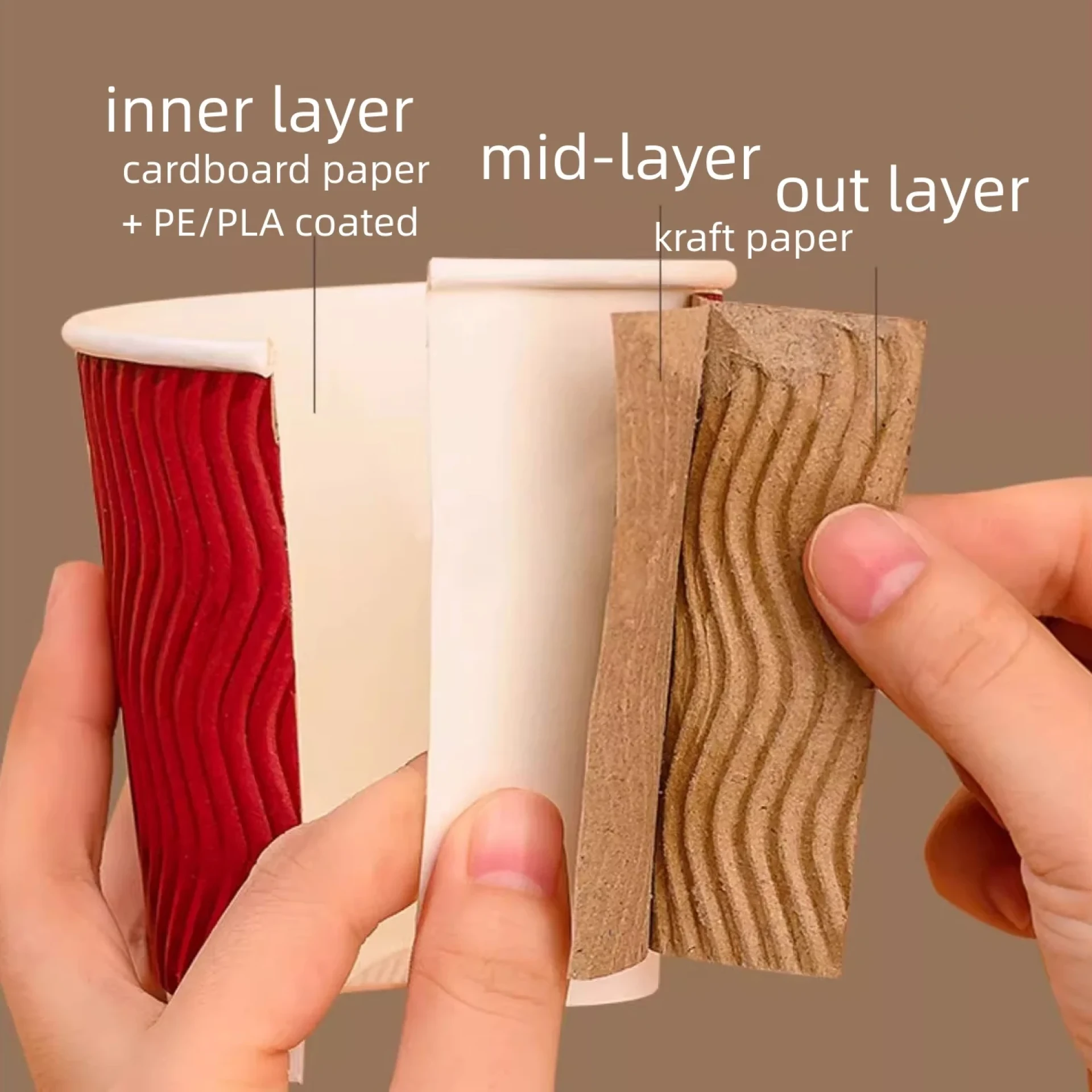
True compostable paper cups are designed to degrade fully within a specified time frame, leaving no toxic residue. Their inner lining is made from:
- Water-based barrier coatings
- Bio-based PLA (with proper certification)
- Plant fiber alternatives (e.g., bagasse)
The best biodegradable paper cups are:
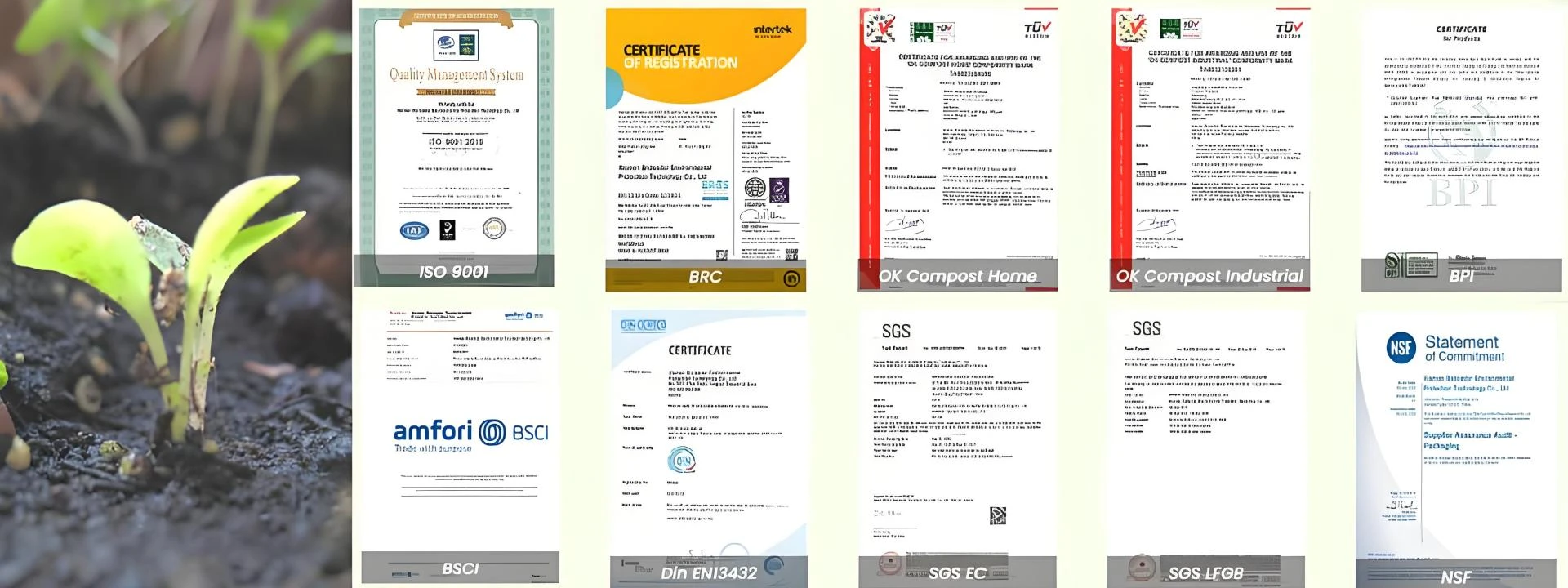
- Certified under EN 13432, ASTM D6400, BPI, or OK Compost
- Plastic-free or lined with compostable biopolymers
- Suitable for both hot and cold beverages
- Decomposable in industrial composting within 60–90 days
📉 Environmental Impact: Plastic-Lined vs. Compostable Cups
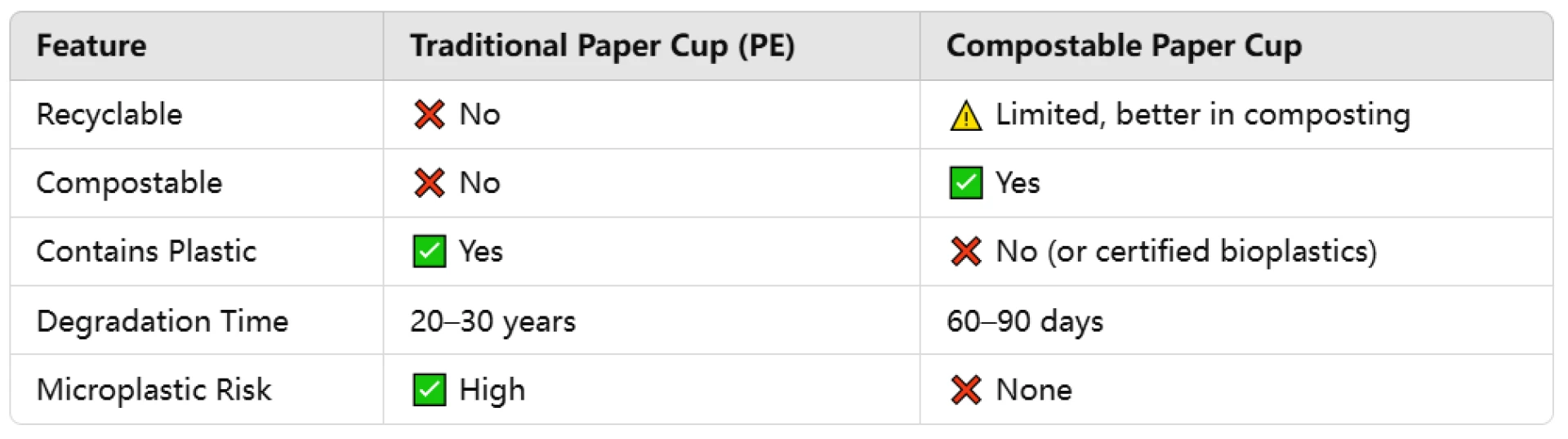
A 2023 Journal of Sustainable Packaging meta-analysis found that compostable paper cups reduced greenhouse gas emissions by 45% over their lifecycle compared to PE-lined alternatives.
🌿 Why Certification Matters
Many cups labeled “eco” or “green” aren’t compostable unless backed by real certification. Without it, you risk:
- Non-compliance with plastic bans
- Disqualification from municipal compost programs
- Greenwashing backlash from consumers and watchdog groups
Certifications to Trust:
- EN 13432 (Europe)
- ASTM D6400 (USA)
- BPI Certified (North America)
- OK Compost / OK Compost HOME
If a paper cup biodegradable label lacks these stamps, it’s likely not compostable at all.
🏭 Who’s Manufacturing Certified Compostable Paper Cups?
It’s important to source from biodegradable paper cups manufacturers that offer:
- Full traceability
- OEM/ODM customization
- Global export readiness
- Verified certifications
🌎 Recommended: Xiamen Bioleaderpack Co., Ltd.
Why Bioleaderpack?
- Certified under EN 13432, ASTM D6400, OK Compost, and BPI
- Offers custom-printed compostable paper cups from 4oz to 20oz
- Water-based lining, no microplastics, leak-proof
- Used by major café chains, caterers, and eco brands worldwide
- Available for bulk export and private labeling
📈 Case Study: From Plastic-Lined to Compostable in 3 Months
A Scandinavian university campus replaced its PE-lined cups with compostable paper cups from a certified supplier.
Impact in 90 Days:
- Diverted 3.5 tons of waste from landfill
- Gained approval from municipal compost facility
- Reduced contamination in recycling bins by 58%
- Became eligible for zero-waste campus designation
❓ FAQ: Top 5 Google Questions About Compostable Paper Cups
1. Can paper cups be recycled?
Not if they’re plastic-lined. Only certified compostable paper cups without PE are acceptable in most recycling or compost streams.
2. What’s the difference between biodegradable and compostable cups?
Compostable means the cup breaks down within 90 days under specific conditions. Biodegradable is vague and often unregulated.
3. Do compostable cups need industrial composting?
Most do—unless labeled OK Compost HOME. Industrial facilities offer the high heat and oxygen needed to fully degrade materials.
4. Are compostable paper cups safe for hot drinks?
Yes, certified biodegradable paper cups are heat-resistant up to 100°C and suitable for coffee, tea, and more.
5. Where can I bulk order compostable paper cups?
Trusted biodegradable paper cups manufacturers like Xiamen Bioleaderpack provide certified options globally, including private label and wholesale.
✅ Final Thoughts: Recyclability Isn’t Enough
If your paper cups contain plastic linings, recycling them is nearly impossible. The alternative—certified compostable paper cups—not only solve this problem but also:
- Support circular economy goals
- Comply with packaging regulations
- Reduce your brand’s environmental footprint
- Increase consumer loyalty and ESG ratings
The next time you order “eco” cups, ask this question:
Are they certified, or just labeled?
Only certified biodegradable paper cups make a real difference.









Sign in to leave a comment.