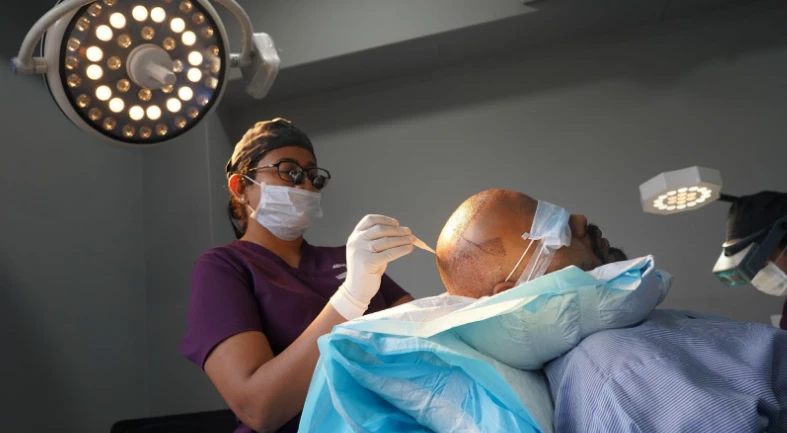

Hair loss can affect confidence, personal style, and overall self-image. Many people experience thinning hair or bald patches due to factors such as genetics, aging, stress, or lifestyle changes. Because appearance often plays an important role in social and professional settings, individuals frequently search for reliable ways to restore their hair. One of the most effective and long-lasting solutions available today is a hair transplant, a technique that focuses on restoring natural hair growth using advanced medical procedures.
A hair transplant works by relocating healthy hair follicles from areas with dense hair growth to regions where hair has thinned or disappeared. This process helps recreate a natural hairline and improves overall hair density. Since the transplanted follicles typically come from the individual’s own scalp, the results can blend naturally with existing hair.
Why People Choose Hair Transplant Procedures
There are many reasons individuals consider this method of hair restoration. Compared to temporary cosmetic solutions, the results are designed to be long-lasting and natural in appearance. A hair transplant is often chosen by people who want a more permanent solution to hair loss.
Some of the key benefits include:
• Natural-looking hair growth that blends with existing hair
• Long-term solution compared to temporary treatments
• Improved hairline definition and density
• Minimal daily maintenance once hair grows naturally
• Enhanced personal confidence and appearance
For example, someone with a receding hairline may notice gradual hair thinning over the years. Through a carefully planned procedure, hair follicles from the back of the scalp can be placed in the front hairline area to create a fuller and more youthful appearance.
How the Procedure Typically Works
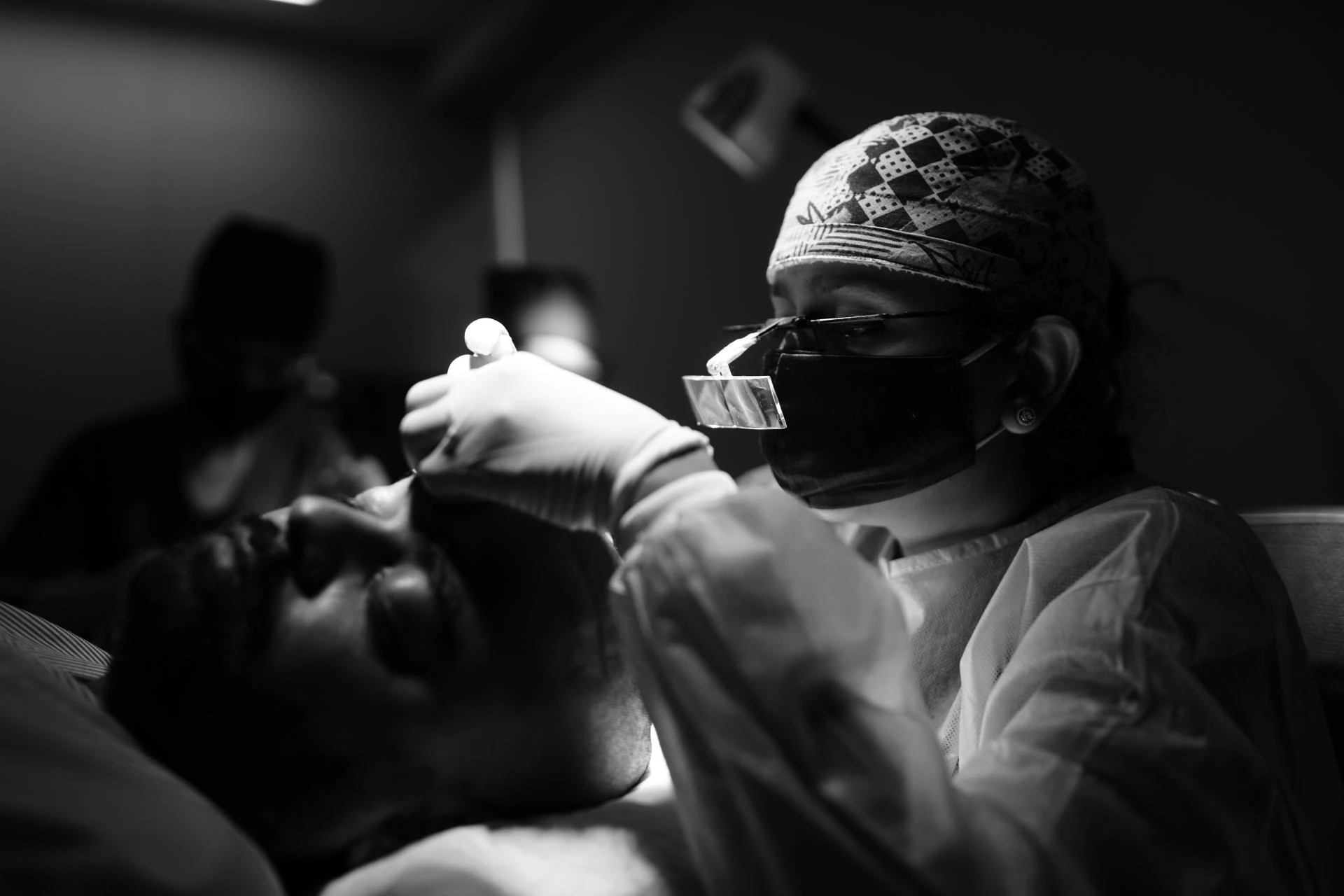
Understanding the process helps people feel more comfortable about exploring this option. A hair transplant usually begins with an evaluation of the scalp and hair condition. Specialists assess factors such as hair density, scalp health, and the pattern of hair loss.
The general steps may include:
• Examination of the scalp and hair growth pattern
• Identification of donor areas with healthy hair follicles
• Extraction of hair follicles from the donor region
• Careful placement of follicles into thinning or bald areas
• Post-procedure guidance for healing and hair growth
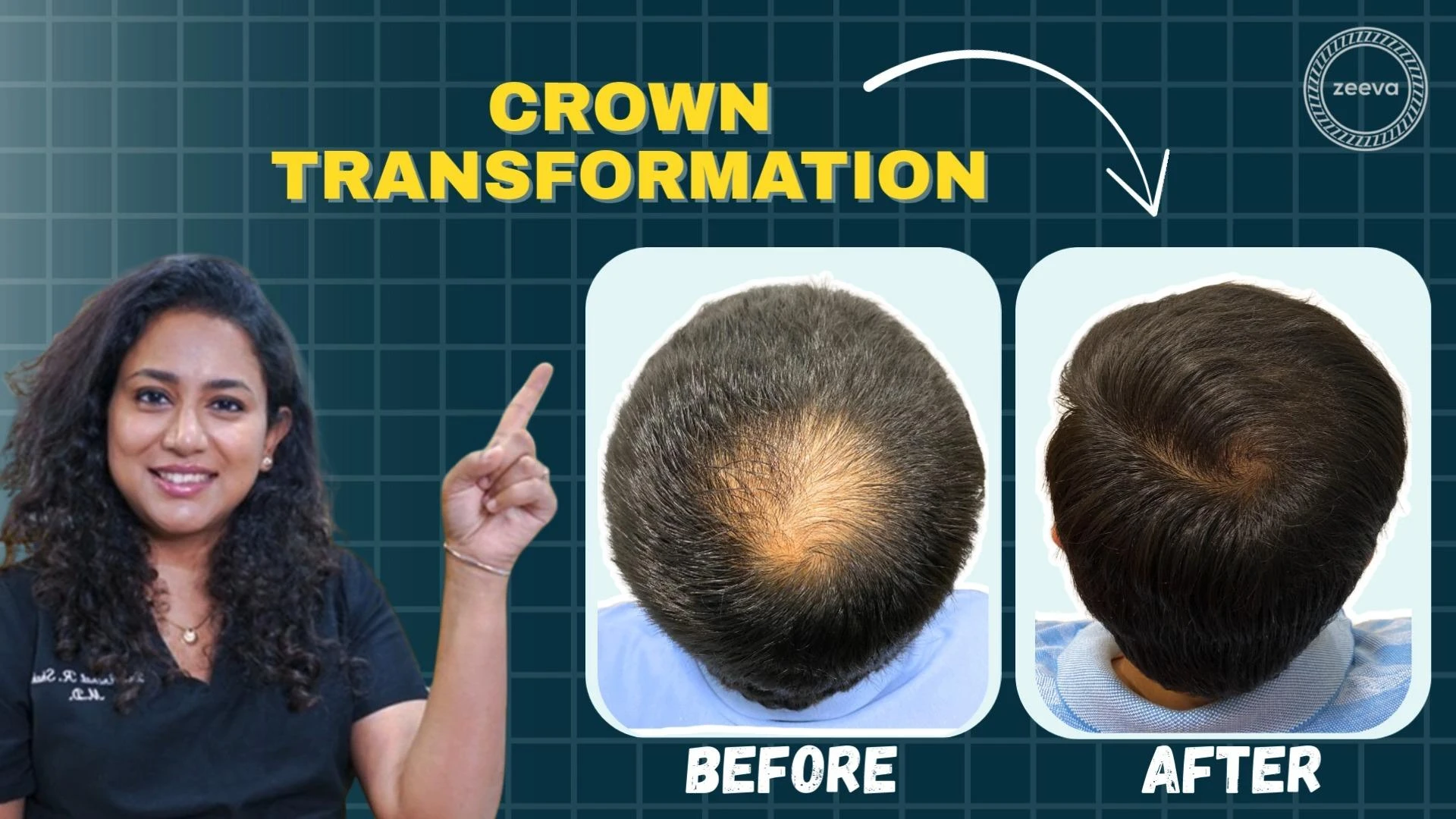
Because modern techniques focus on precision and natural placement, the newly transplanted hair gradually begins to grow like normal hair after the healing phase. Over time, individuals may notice thicker coverage in previously thinning areas.
Practical Preparation Tips Before Treatment
Preparing properly can make the experience smoother and improve the final outcome. People considering a hair transplant should focus on maintaining good scalp and hair health before undergoing the procedure.
Helpful preparation steps include:
• Maintaining a balanced diet that supports hair health
• Avoiding excessive chemical treatments before the procedure
• Keeping the scalp clean and well cared for
• Managing stress, which can affect hair growth cycles
For instance, incorporating foods rich in protein, vitamins, and minerals can strengthen existing hair follicles. This type of preparation helps create a healthier environment for successful hair restoration.
Post-Procedure Care for Better Results
After undergoing a hair transplant, following recommended aftercare practices is important for achieving the best results. While modern procedures are generally safe, proper care supports healing and encourages new hair growth.
Common aftercare suggestions include:
• Avoid touching or scratching the treated areas
• Follow gentle washing routines recommended by professionals
• Limit intense physical activities during the early recovery period
• Protect the scalp from direct sunlight
• Maintain regular follow-up consultations if advised
For example, using mild hair products and avoiding aggressive styling methods during the recovery phase can help protect newly transplanted follicles. As healing progresses, the hair gradually starts to grow stronger and thicker.
Who May Benefit From This Approach
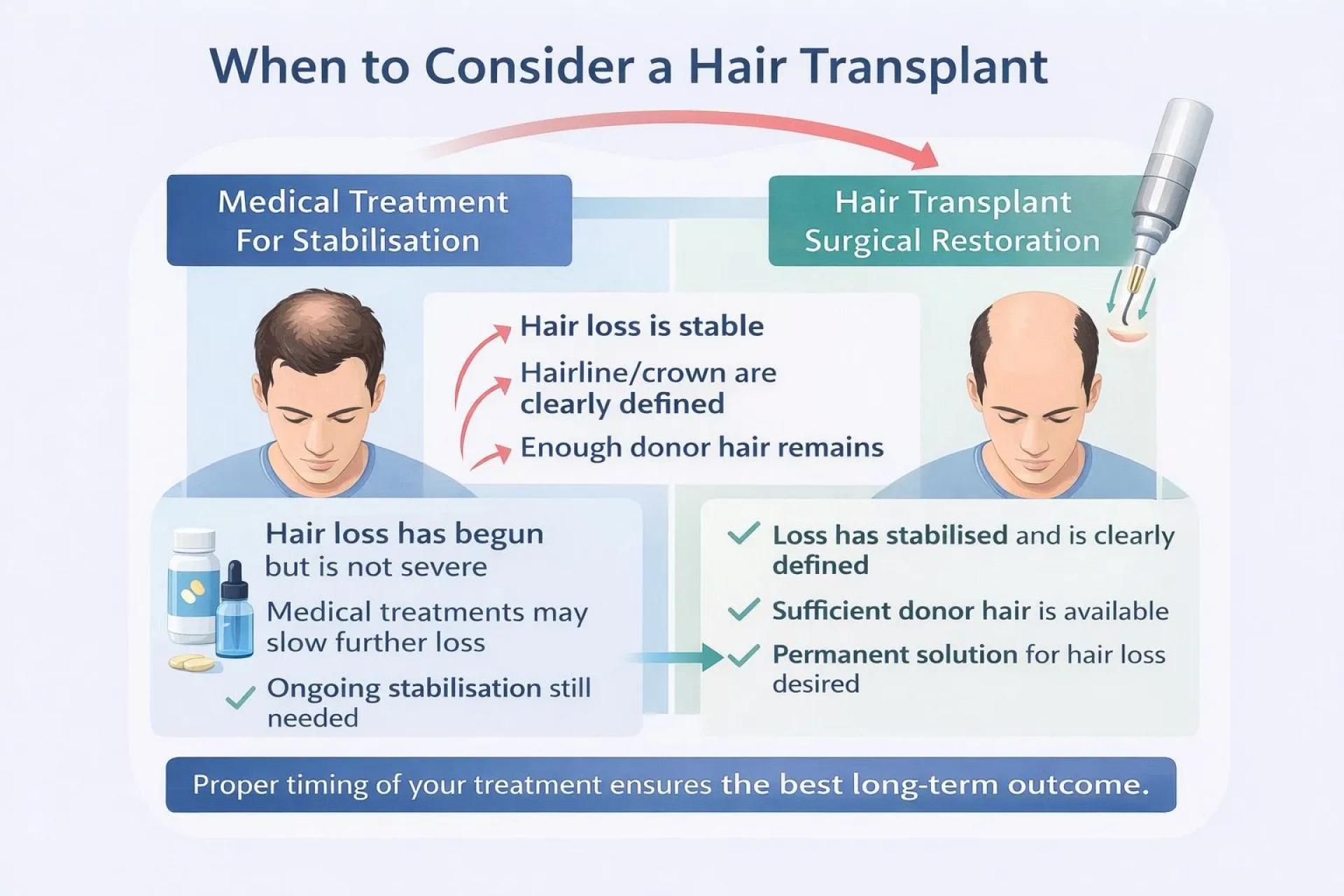
Not everyone experiences hair loss in the same way, but many individuals can benefit from this treatment option. A hair transplant is often suitable for people with stable hair loss patterns and sufficient donor hair available on the scalp.
This option is commonly considered by:
• Individuals with male or female pattern baldness
• People experiencing thinning hair in specific areas
• Individuals seeking a natural-looking hairline restoration
• People who want a long-term hair restoration approach
For instance, someone who has struggled with hair thinning for years may finally decide to restore their hairline after exploring different temporary solutions without lasting success.
Lifestyle Habits That Support Hair Health
Even after successful hair restoration, maintaining healthy lifestyle habits is important. Good hair care routines can support the longevity and appearance of transplanted hair.
Some useful habits include:
• Maintaining a balanced and nutrient-rich diet
• Managing stress levels through regular relaxation practices
• Avoiding excessive heat styling tools
• Using gentle hair care techniques to reduce breakage
These habits not only help preserve the results of a hair transplant, but they also improve the overall health and appearance of natural hair.
Final Thoughts
Hair restoration has evolved significantly with modern techniques that focus on natural results and long-term effectiveness. Many individuals seeking a reliable solution for hair loss explore procedures that restore hair density and confidence. When performed with proper planning and aftercare, hair transplant treatments can help individuals achieve fuller hair and improved self-image while supporting a more confident lifestyle.









Sign in to leave a comment.