

Hair loss affects millions of people worldwide and can severely impact self-confidence, personal image, and even career choices. For those seeking a permanent solution, surgical procedures seem like a logical step. But before jumping into the process, it's critical to understand what the experience truly entails. Most marketing campaigns highlight the glamorous side of transformation—but the less spoken realities often remain in the shadows.
The procedure known as hair replacement surgery promises long-lasting results. But what does it actually require from the individual undergoing it? This is not just a beauty fix; it's a medical process that requires careful planning, expert execution, and a strong commitment to post-surgical care. Knowing what you're signing up for can make the difference between success and regret.
Understanding the Surgical Commitment
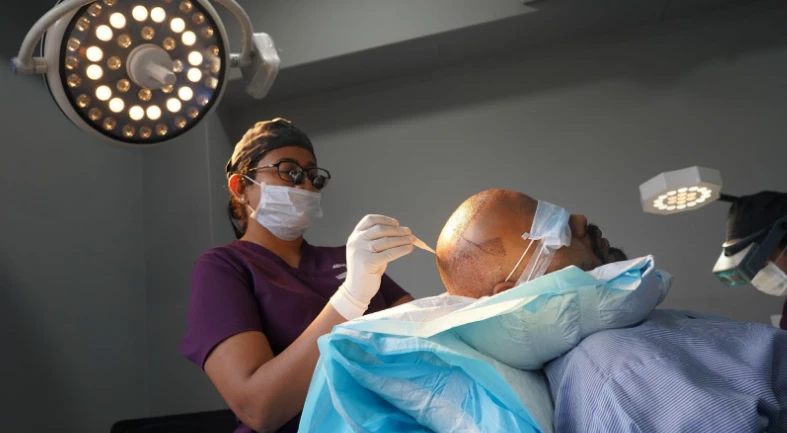
People often assume that hair replacement surgery is a quick fix. In reality, the surgery can take several hours depending on the extent of hair loss and the number of grafts required. The recovery process is also more demanding than expected. There may be swelling, tenderness, or minor bleeding post-operation. It’s not uncommon for visible scabbing to last for a few days. A successful recovery requires patience and adherence to a strict aftercare routine.
An important consideration is the number of sessions needed. Some individuals require multiple surgeries to achieve the desired density. Failing to anticipate this can lead to disappointment when the first session does not meet visual expectations.
Hidden Financial Costs
The advertised cost of hair replacement surgery often includes just the base procedure. What people don’t see in the fine print are additional expenses like consultation fees, lab tests, medications, post-surgical products, and potential revision surgeries. These can significantly raise the total investment.
Also, not all insurance plans cover hair restoration, as it is frequently categorized as a cosmetic procedure. Individuals must be prepared for out-of-pocket expenses and should consider the long-term maintenance cost, especially if future procedures are needed.
Emotional and Psychological Preparation
It’s easy to focus on the physical transformation, but the emotional journey is just as impactful. Patients often experience fluctuating emotions during the months following surgery. It takes time for new hair to grow in, and during the initial shedding phase, some may feel discouraged or anxious.
Preparing mentally for this waiting period is crucial. Confidence is not instantly restored with a surgical session—it develops slowly with visible change over time. Seeking emotional support from peers or professionals can be beneficial, especially during the initial recovery phase.
Research Is Non-Negotiable
The quality of the outcome is heavily influenced by the skill of the surgeon. Not all clinics maintain the same standards. Prospective patients must thoroughly research a clinic's credentials, surgeon experience, hygiene practices, and patient reviews. A well-qualified professional will always emphasize a realistic outlook and help manage expectations honestly.
One practical approach is to ask for real case studies and patient testimonials. Understanding how different hair types and skin conditions affect outcomes is also essential for informed decision-making.
Lifestyle Changes and Long-Term Care
Post-surgery care extends well beyond the initial healing phase. Sun exposure, poor nutrition, and harsh chemical treatments can all impact the success of hair replacement surgery. Patients are advised to adopt a more hair-conscious lifestyle.
This includes using mild shampoos, avoiding frequent use of hair dryers, and staying hydrated. Regular checkups are essential to track progress and adjust the care plan as needed. These habits will help preserve results and reduce the need for corrective procedures.
Closing Paragraph
Many people are drawn to hair replacement surgery with the hope of reclaiming lost confidence and appearance. While the benefits can be life-changing, the process is far more complex than most people realize. Educating oneself on all aspects of the surgery—financial, medical, and emotional—is key to making an informed decision and avoiding regret.
Final Thoughts
Before considering any treatment option, especially hair replacement surgery, take the time to research, plan, and prepare mentally and physically. This is not just a medical solution; it's a long-term investment in your self-image and well-being. Avoid rushing into decisions based solely on marketing promises. A thoughtful, informed approach will always lead to better outcomes.
Follow us on Social Media:
https://www.facebook.com/zeevaskinhair/
https://www.instagram.com/zeeva_clinic/
https://www.tumblr.com/zeeva-clinic
https://pinterest.com/zeeva_clinic/
Sign in to leave a comment.