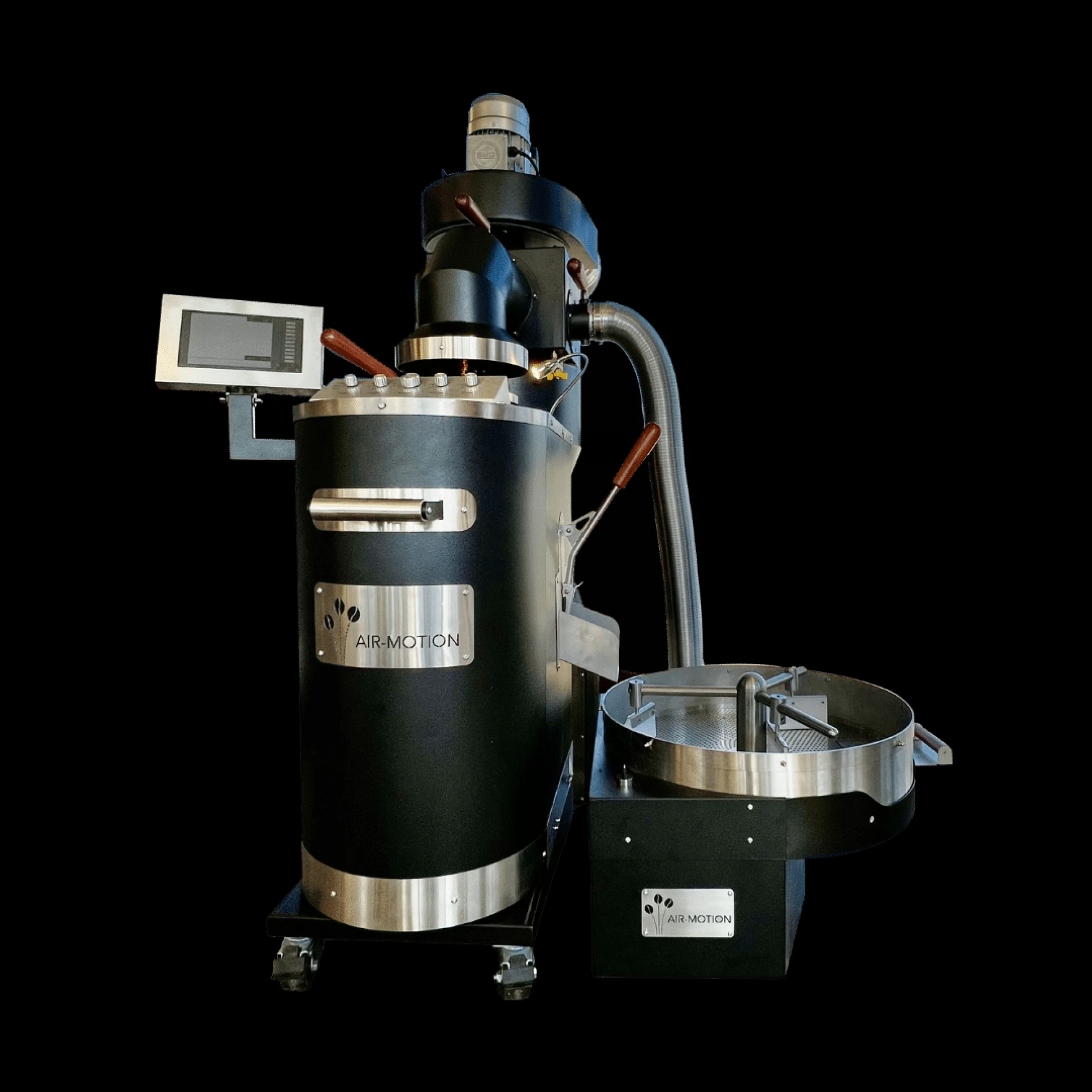
If you’ve been in coffee long enough, you know this industry doesn’t sit still. We innovate. We iterate. And every so often, we disrupt. Right now, we’re watching one of those disruptions in real time: the rise of airborne roasting—a technique that’s rewriting what’s possible for flavor, efficiency, and consistency in commercial roasteries.
Sure, some might still consider it unconventional. But let’s be honest—air roasting is no longer niche. It’s evolved. And for many, it’s becoming the top coffee roaster machine choice, not because it’s trendy, but because it simply performs.
So, let’s cut through the noise. In this article, we’ll unpack what airborne roasting really means, how it stacks up against traditional methods, and why so many roasters are searching for coffee roaster machines for sale that prioritize this clean, convective approach.
What Is Airborne Roasting?
In short? It’s a roasting process where beans are suspended and roasted by a stream of heated air rather than resting on a hot surface. The term “airborne” speaks to the method’s core principle—beans in motion, evenly enveloped by hot air, free from surface contact.
This means less scorching. Less charring. And far more control over how heat interacts with the coffee.
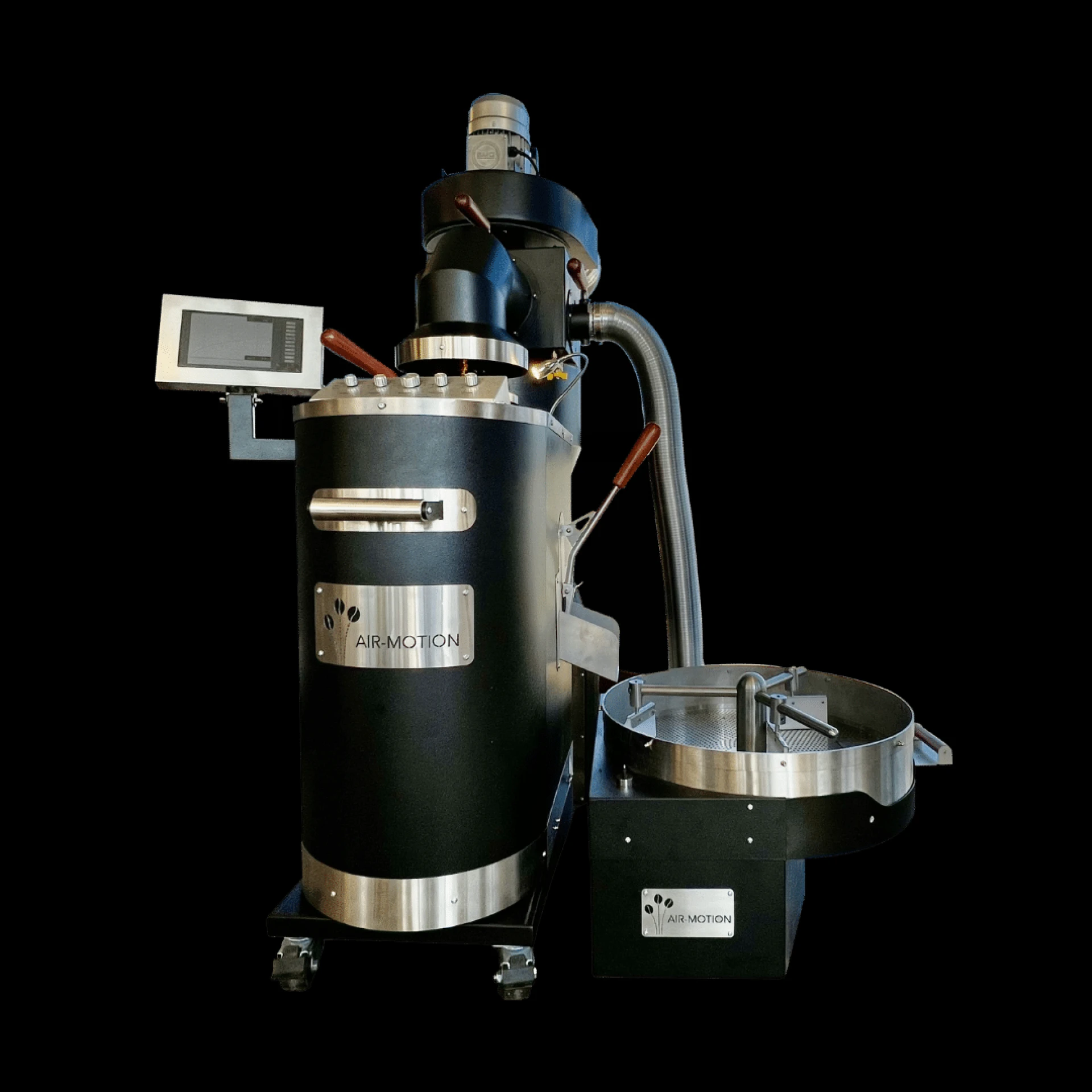
We’re not talking about novelty countertop gadgets here. Today’s airborne roasting equipment has matured into fully programmable, batch-consistent, commercial-grade workhorses—built for quality and scale.
Why Roasters Are Making the Switch?
If you’ve been roasting on a traditional drum system for years, the idea of suspending your beans mid-air might sound… radical. But here’s what the switch can unlock:
1. Clean Flavor Expression
By eliminating the direct contact between beans and hot metal surfaces, airborne roasting minimizes burn risk and reduces smoky overtones. The result? A cup that allows the bean’s natural characteristics—origin notes, fermentation style, altitude influence—to come through with more clarity.
2. Consistent Batch Outcomes
A major advantage of this style lies in thermal responsiveness. The hot air environment can adapt more quickly to temperature changes, helping you hit your development markers with impressive repeatability—even across different ambient conditions.
3. Built-In Chaff Management
Because the chaff is ejected mid-roast through the airflow itself, your post-roast cleanup gets easier—and so does your fire risk management.
If you’re on the hunt for the next top coffee roaster machine to scale your operation, these benefits add up to more than just novelty. They’re practical, measurable upgrades.
Debunking the Myths Around Air Roasting
Let’s pause to acknowledge the elephant in the room: myths. Airborne roasting has dealt with its fair share of misconceptions over the years. Let’s tackle a few.
- Myth #1: Air roasting can’t achieve darker profiles.
Not true. Modern systems combine convective and conductive heat to achieve full-spectrum roasting. Whether you’re targeting a nuanced City roast or a syrupy Vienna, it’s all on the table.
- Myth #2: It’s only for light roasts or sample batches.
Again, outdated. Today’s coffee roaster machines for sale in the airborne category are designed for batch flexibility and commercial throughput.
- Myth #3: It’s a “beginner” method.
Tell that to the multi-location shops switching to air-based systems for consistency across cities. Airborne roasting isn’t about simplicity—it’s about precision, scalability, and forward-thinking design.
Who Is Airborne Roasting Best For?
Not every roaster is looking for the same thing. So let’s get specific.
- Are you roasting for quality-forward cafés or direct-to-consumer brands?
Airborne systems help you preserve the subtlety and clarity specialty customers love.
- Are you scaling your production line and need equipment that’s repeatable and clean-burning?
You’ll find today’s air roasters sit comfortably among the best coffee roaster machines for sale in the commercial class.
- Are you dealing with strict environmental regulations or indoor venting challenges?
Many airborne roasting systems are electric, low-emission, and built for compliance—no vent drama required.
Choosing the Right Machine for the Job
Let’s be clear—choosing a roaster is no small decision. It affects your workflow, your flavor outcomes, your energy use, and your brand positioning.
So what should you look for in an airborne roasting system?
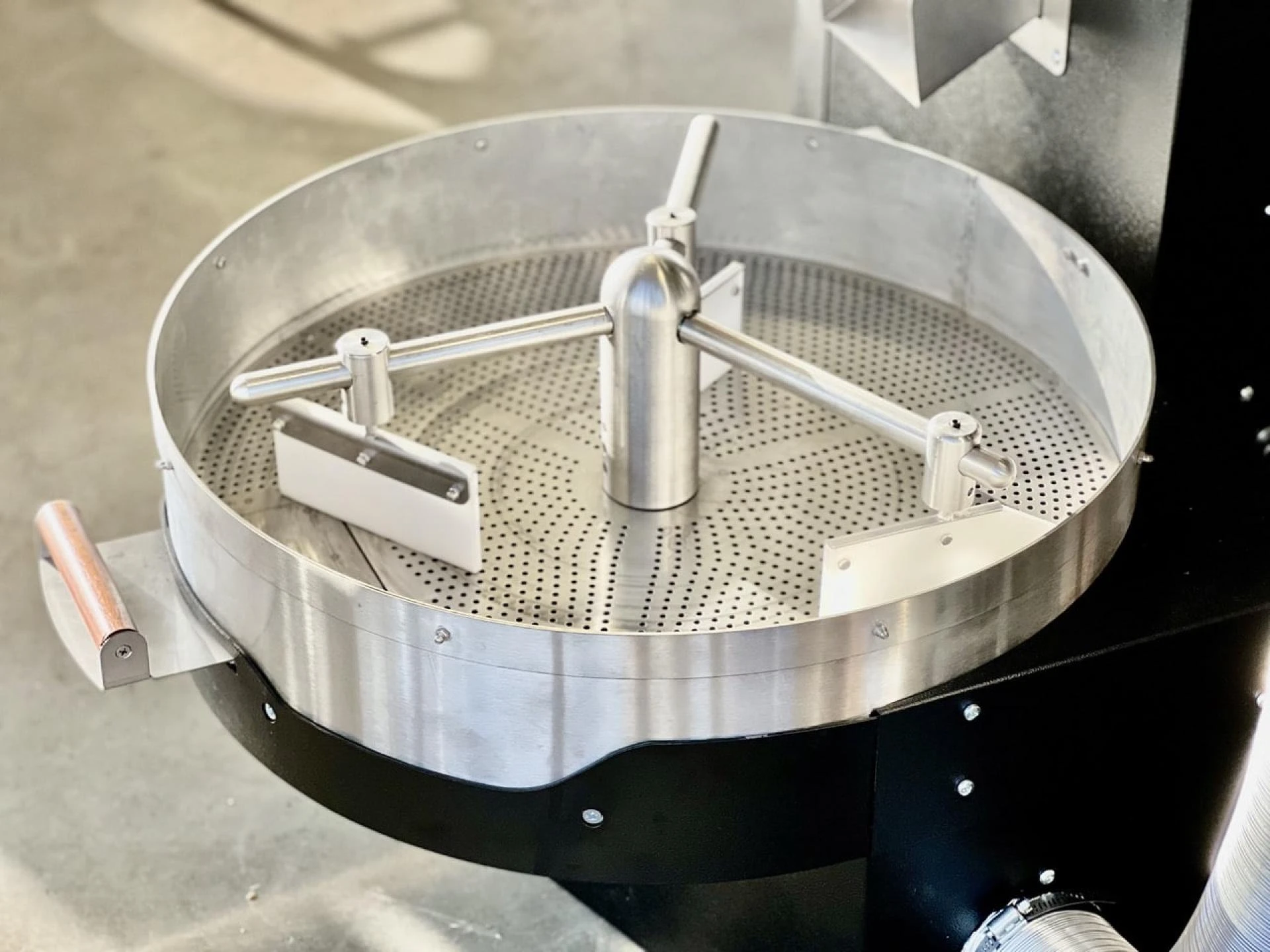
- Open chamber design: Ensures full bean suspension and better airflow control
- Digital profiling capabilities: For consistency across batches
- Customizable heat and airflow parameters: To fine-tune development
- Batch size flexibility: Especially if you're growing or dealing with multiple SKUs
- After-sale support and training: Because a roaster is only as good as the person using it
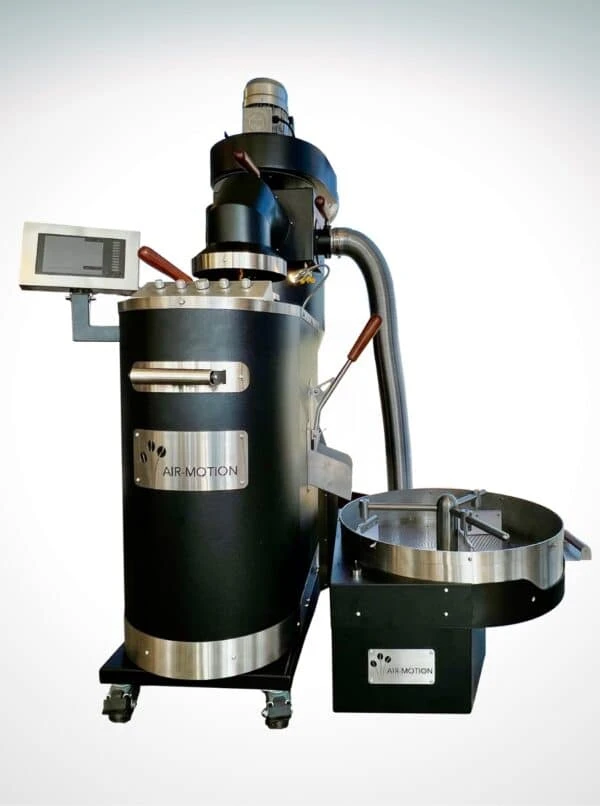
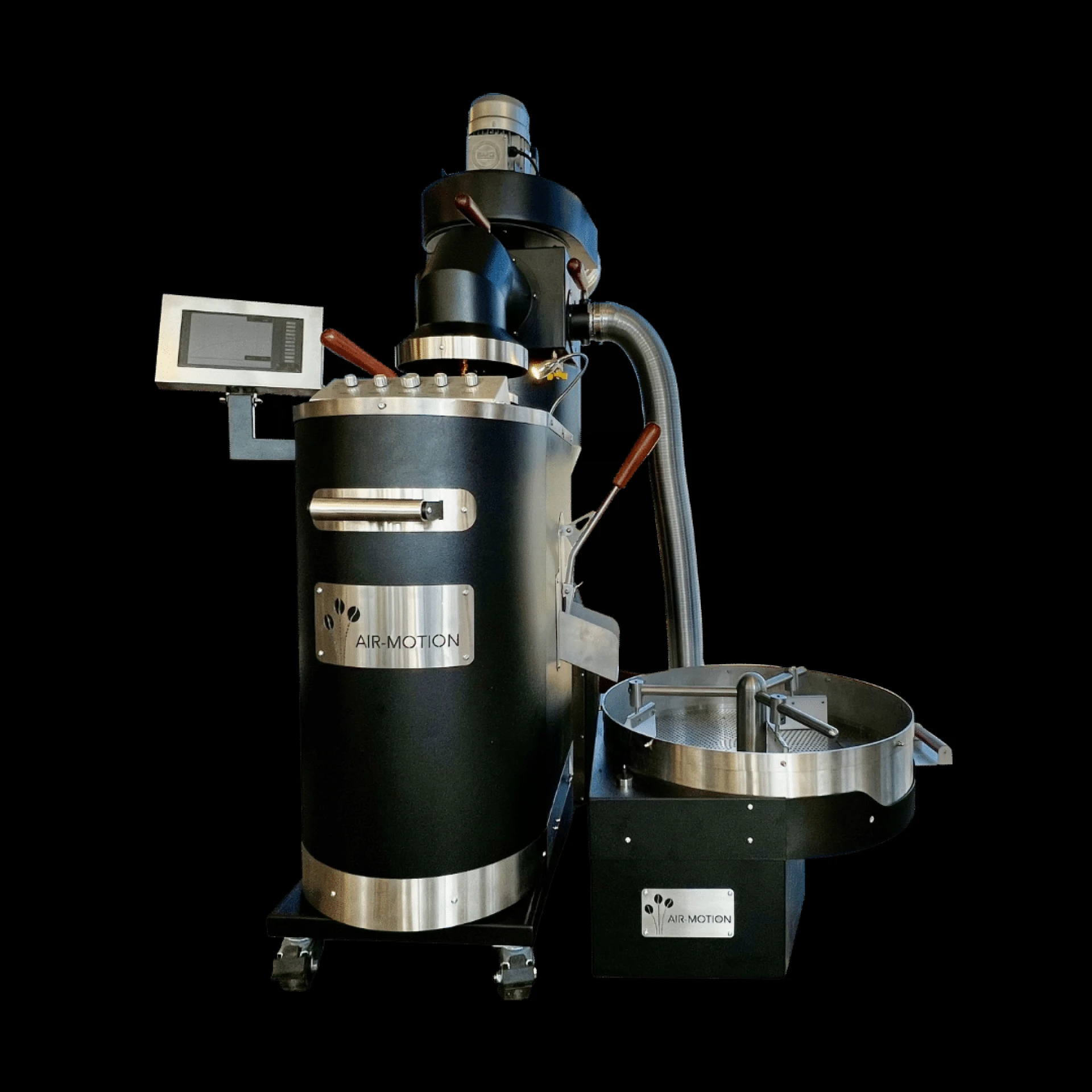
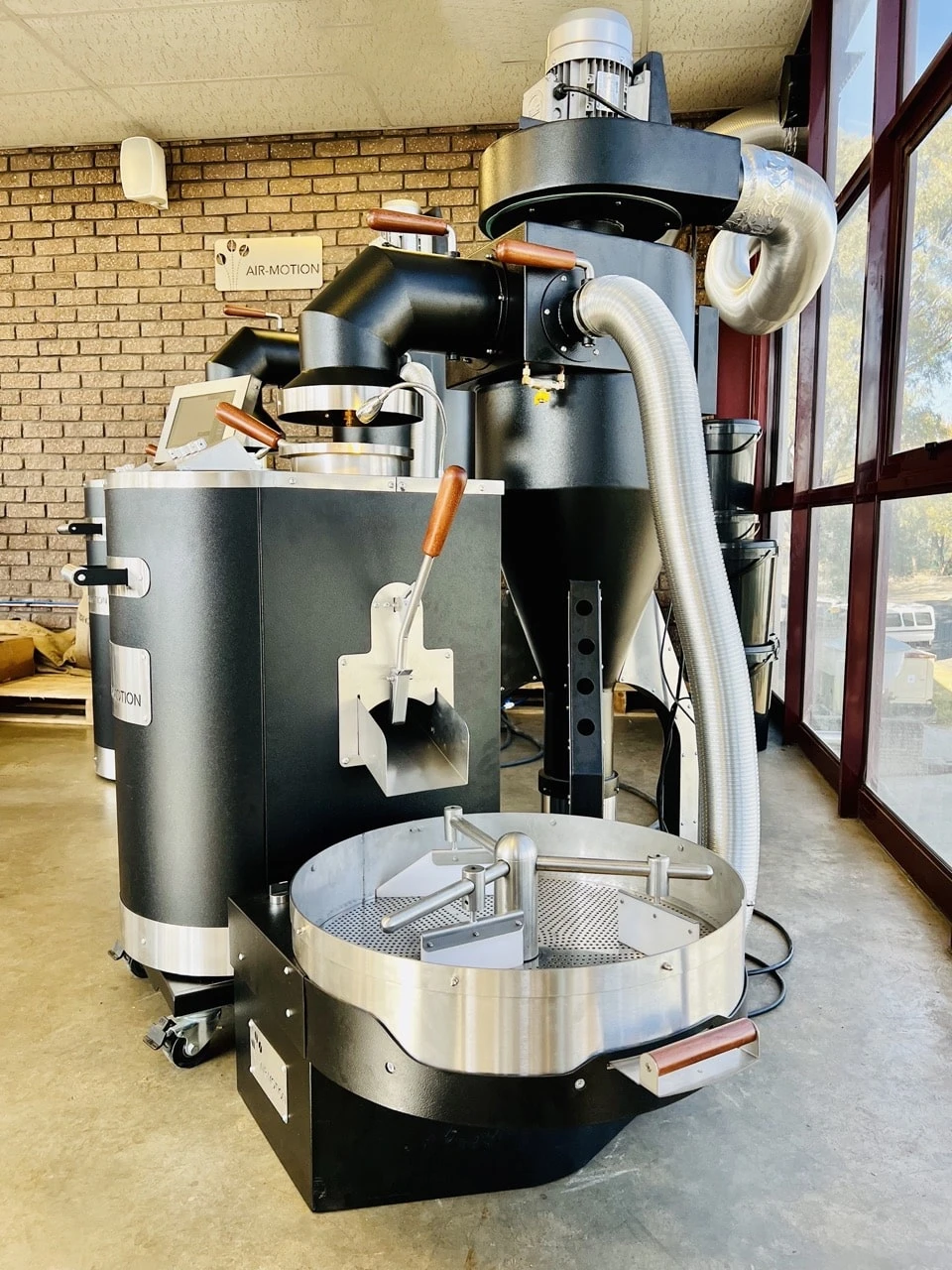
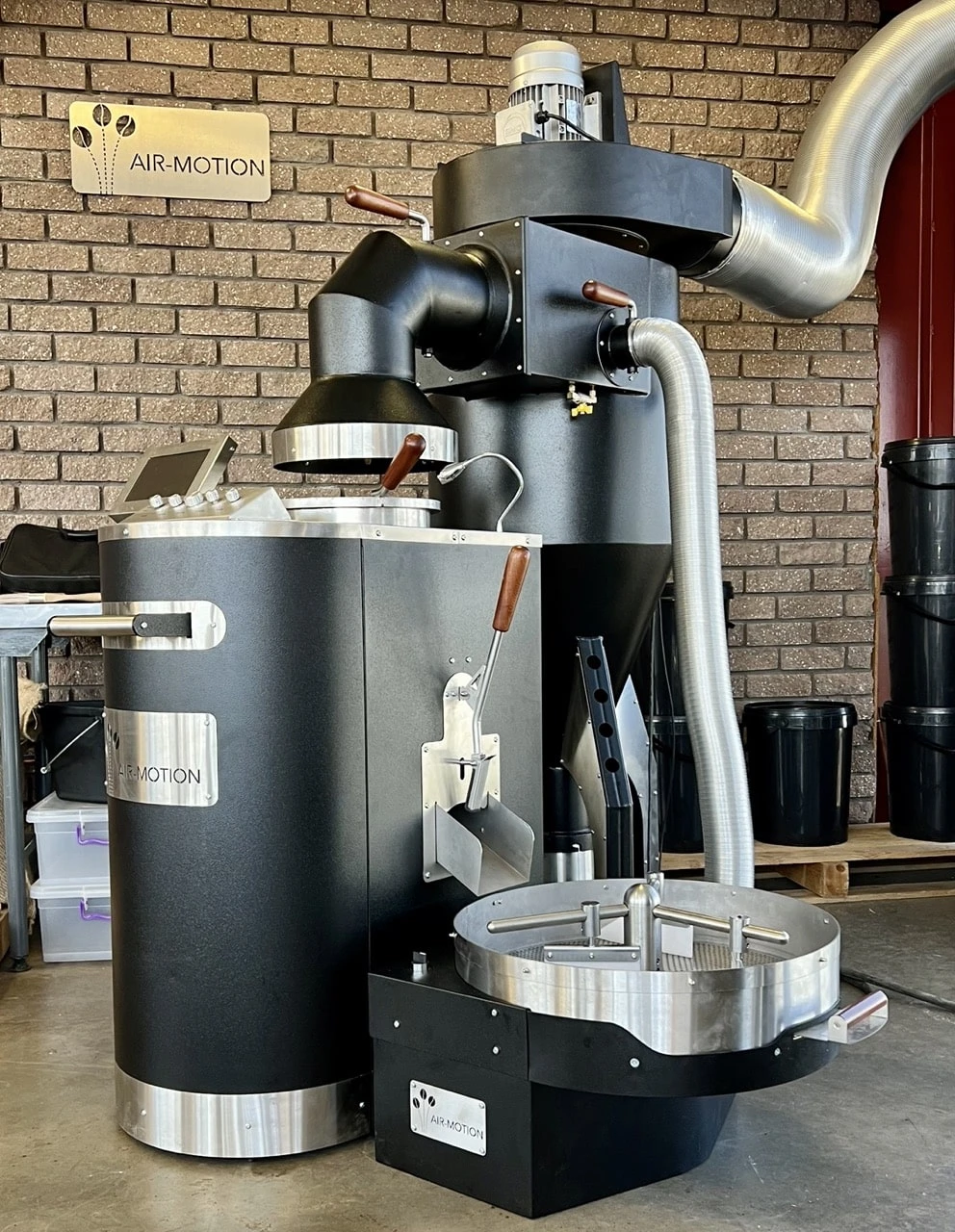
Air-Motion Roasters, for instance, offers models in 3kg, 6kg, and 12kg sizes—ideal for boutique operations scaling toward full production.
Final Thoughts: Why Airborne Roasting Is Worth Considering?
Is airborne roasting for everyone? Maybe not.
But is it worth considering if you value cleaner flavors, greater control, and machines designed for the realities of modern roasting? Absolutely.
And as more of today’s top coffee roaster machines lean toward intelligent design, low emissions, and repeatable results, air roasting is quickly shifting from outsider to industry standard.
If you’re browsing coffee roaster machines for sale, keep one eye on the future. You might just find it’s already here—and floating on the air.

























Sign in to leave a comment.