

The residential garage door is a masterpiece of overlooked engineering. For most homeowners, it is a vast, moving wall that responds to the push of a button with a reliable hum, but beneath that simplicity lies a complex system of high-tension steel, calculated counterweights, and digital logic. As the largest and heaviest moving object in a home, the garage door is not just a convenience; it is a primary security barrier and a major contributor to the building’s thermal performance. When this system fails, the impact is immediate, affecting everything from daily schedules to the safety of the household.
Understanding the lifecycle of these systems, and the maintenance they require, is the difference between a home that runs like clockwork and one plagued by expensive, emergency disruptions. Achieving long-term structural harmony requires a shift from viewing the garage door as a static fixture to recognizing it as a piece of high-stakes machinery that demands professional oversight.
The Physics of Counterbalance and Tension
The secret to a functional garage door is not the motor, but the spring system. A standard garage door can weigh anywhere from 150 to over 400 pounds. To lift this weight thousands of times per year without burning out a motor, the system uses "stored energy" in the form of springs. Torsion springs, mounted on a metal shaft above the door, or extension springs, running along the tracks, are wound or stretched to provide a lifting force that offsets the door's weight.
However, metal has a memory and a lifespan. Every time the door opens and closes, the steel in these springs undergoes molecular stress. Most residential springs are rated for approximately 10,000 "cycles." If a household uses the garage as a primary entrance, those cycles can be exhausted in five to seven years. When a spring reaches its fatigue limit, it snaps, often with a loud bang, rendering the door an immobile deadweight. Proactive replacement of these components is a cornerstone of property management, ensuring that a vehicle is never trapped inside during a critical moment.
Thermal Defense and the R-Value Equation
In many modern architectural designs, the garage is integrated into the home’s footprint, often sharing walls with the kitchen or situated directly beneath a master bedroom. Because of this proximity, the garage door acts as the largest "thermal bridge" in the structure. An uninsulated door allows the garage to become a heat sink in the summer and a refrigerator in the winter, which in turn forces the home's HVAC system to work significantly harder.
Upgrading to a high-R-value door, specifically one utilizing injected polyurethane foam, is one of the most effective ways to lower energy costs. Unlike simple polystyrene inserts, injected foam expands to fill every cavity of the door panels, creating a dense, rigid core. This doesn't just block heat; it also provides a remarkable degree of acoustic dampening. For homes located on busy streets or for owners who use their garage as a workshop or gym, the reduction in external noise is often the most appreciated benefit of a professional upgrade.
Precision Alignment: Beyond the Surface
A garage door that grinds, squeaks, or shudders is a door in distress. Often, the culprit is not the material itself, but the alignment of the tracks and the health of the rollers. Over time, the vibrations of the house, caused by seasonal soil shifts or heavy traffic, can move the tracks out of a perfectly vertical or horizontal plane. When the tracks are misaligned, the rollers are forced to "scrub" against the metal, creating friction that strains the opener and wears down the hardware.
Maintaining these systems involves more than just lubrication. It requires a technical eye to ensure that:
- Rollers are upgraded: Transitioning from standard steel rollers to sealed ball-bearing nylon rollers can reduce the decibel level of a door by nearly 50%.
- Sensor Calibration: Photoelectric safety eyes must be perfectly aligned to prevent "false reverses," a common frustration that occurs when sensors are bumped by a trash can or a bicycle.
- Hardware Tightening: The average door has dozens of bolts and hinges that loosen over time. Periodic tightening prevents "panel sag," which can lead to permanent structural damage to the door sections.
To ensure your system remains in peak condition, exploring the full scope of Our services can provide the preventative roadmap necessary to avoid the most common causes of mechanical failure.
The Digital Fortress: Access and Security
Security has evolved far beyond the simple padlocks of the past. As the garage has become the "new front door" for 70% of homeowners, the digital security of the opener is paramount. Older systems utilized "fixed codes" that could be intercepted by "code grabbers." Modern systems, however, utilize rolling-code technology, which generates a unique encrypted code every time the remote is pressed, effectively locking out digital intruders.
Furthermore, the integration of smart technology has revolutionized the concept of "home oversight." With Wi-Fi-connected openers, you no longer have to wonder if you remembered to close the door after leaving for work. Real-time alerts can be sent to your smartphone if the door is left open for an extended period. Some systems even allow for "Amazon Key" integration, where couriers are granted a one-time, secure access to leave packages inside the garage, eliminating the risk of porch piracy. This blend of physical strength and digital intelligence is the hallmark of a modern residential security strategy.
Aesthetics as a Value Multiplier
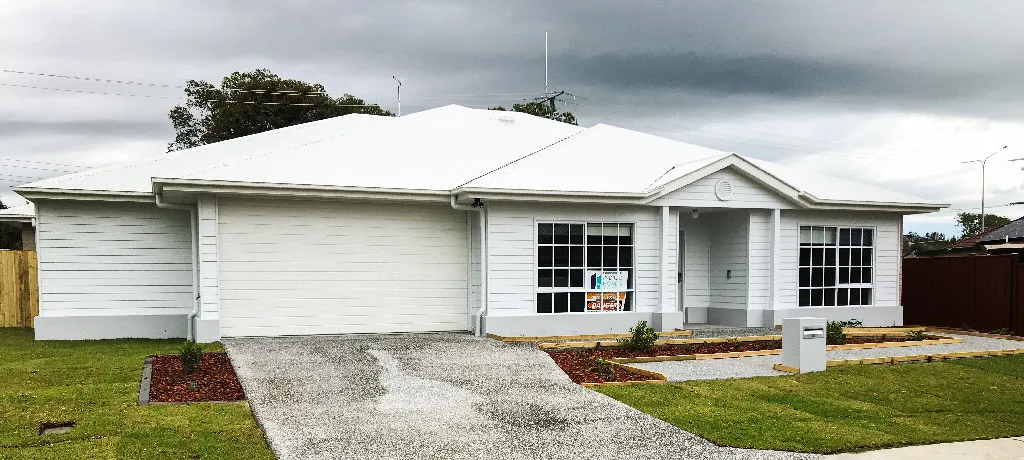
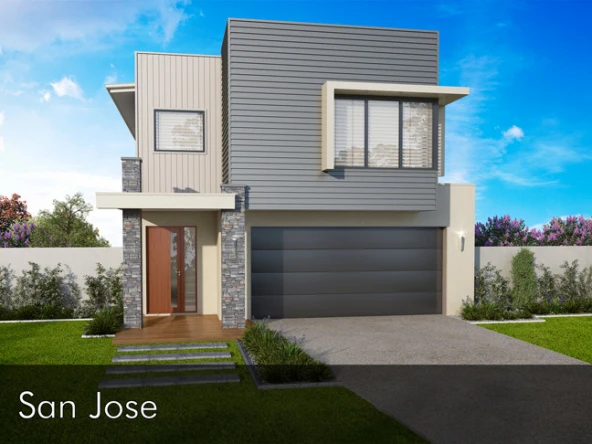
While the mechanical aspects of a garage door are vital for function, the aesthetic choices are vital for finance. Real estate data consistently shows that a garage door replacement is one of the top five home improvement projects for "Return on Investment" (ROI). Because the door occupies such a large percentage of the front-facing exterior, it dictates the first impression of the entire property.
Today’s market offers an incredible array of styles, from the classic "carriage house" look that complements traditional architecture to the "full-view" glass and aluminum doors that define modern minimalism. Selecting a door that harmonizes with the home's windows and entry doors creates a cohesive visual narrative that can significantly increase a property's appraisal value. In many cases, a simple upgrade to a contemporary color, such as charcoal or bronze, with high-end hardware can take a dated home and make it look decades newer.
The Gateway to Peace of Mind
The garage door is a silent partner in the daily rhythm of life. It is the first thing you see when you return home and the final barrier you close before retiring for the night. By prioritizing high-quality springs, energy-efficient insulation, and smart security features, you are doing more than just maintaining a house; you are protecting a lifestyle.
Investing in professional oversight ensures that the complex physics of your door remains a source of convenience rather than a source of stress. A well-maintained system operates so smoothly that you eventually forget it’s there, and that is the ultimate goal of high-end engineering. Do not wait for a broken spring to appreciate the vital role your garage door plays; embrace a proactive approach to your home’s largest moving part and ensure your sanctuary remains secure for years to come.
























Sign in to leave a comment.