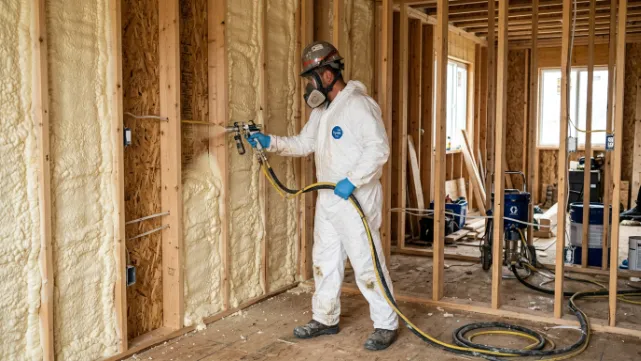

Spray foam prevents attic condensation by moving the dew point outside of your home's structural assembly. It creates an air-tight thermal seal that stops warm, moist air from meeting cold surfaces, which effectively eliminates the physical conditions required for water to form.
This guide explains the science of moisture control and why insulation choice determines the lifespan of your roof. Readers can expect a detailed look at thermal boundaries and practical steps to maintain a dry, efficient attic space.
Industry experts recognize that managing the dew point is the most effective way to stop structural rot and mold growth. By controlling air movement and temperature fluctuations, modern insulation methods provide a permanent fix for moisture issues that traditional materials often fail to address.
The Science Behind Attic Condensation
Condensation happens when air reaches its saturation point and can no longer hold water vapor. This specific temperature is called the dew point. When warm, humid air from your living area rises into a cold attic, it hits the underside of the roof deck and turns into liquid water.
Traditional insulation, like fiberglass or cellulose, allows air to pass through freely. This means moisture-laden air continues to circulate against cold plywood or rafters. Over time, this constant dampness leads to wood decay and ruins the effectiveness of the insulation itself.
- Warm air holds more water vapor than cold air.
- The dew point changes based on your home's relative humidity.
- Condensation usually forms on the coldest surface in the attic.
- Air leaks around light fixtures and hatches often carry the most moisture.
How Spray Foam Moves the Dew Point
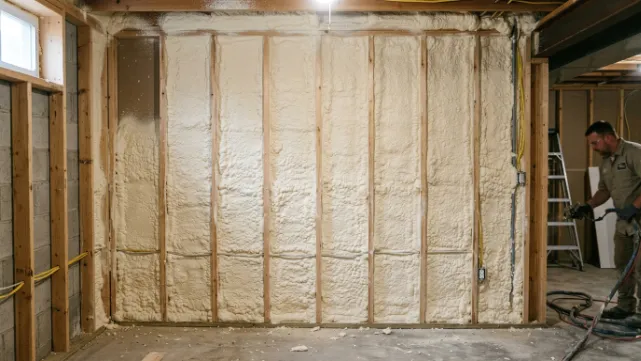
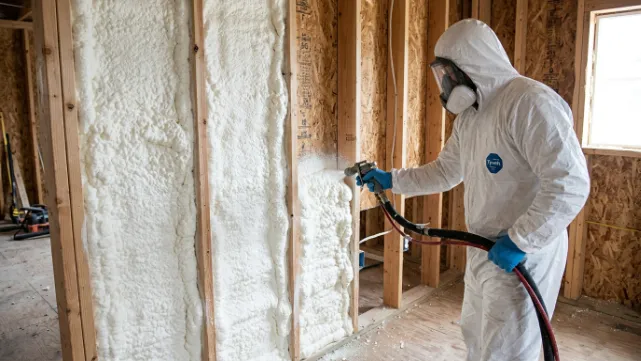
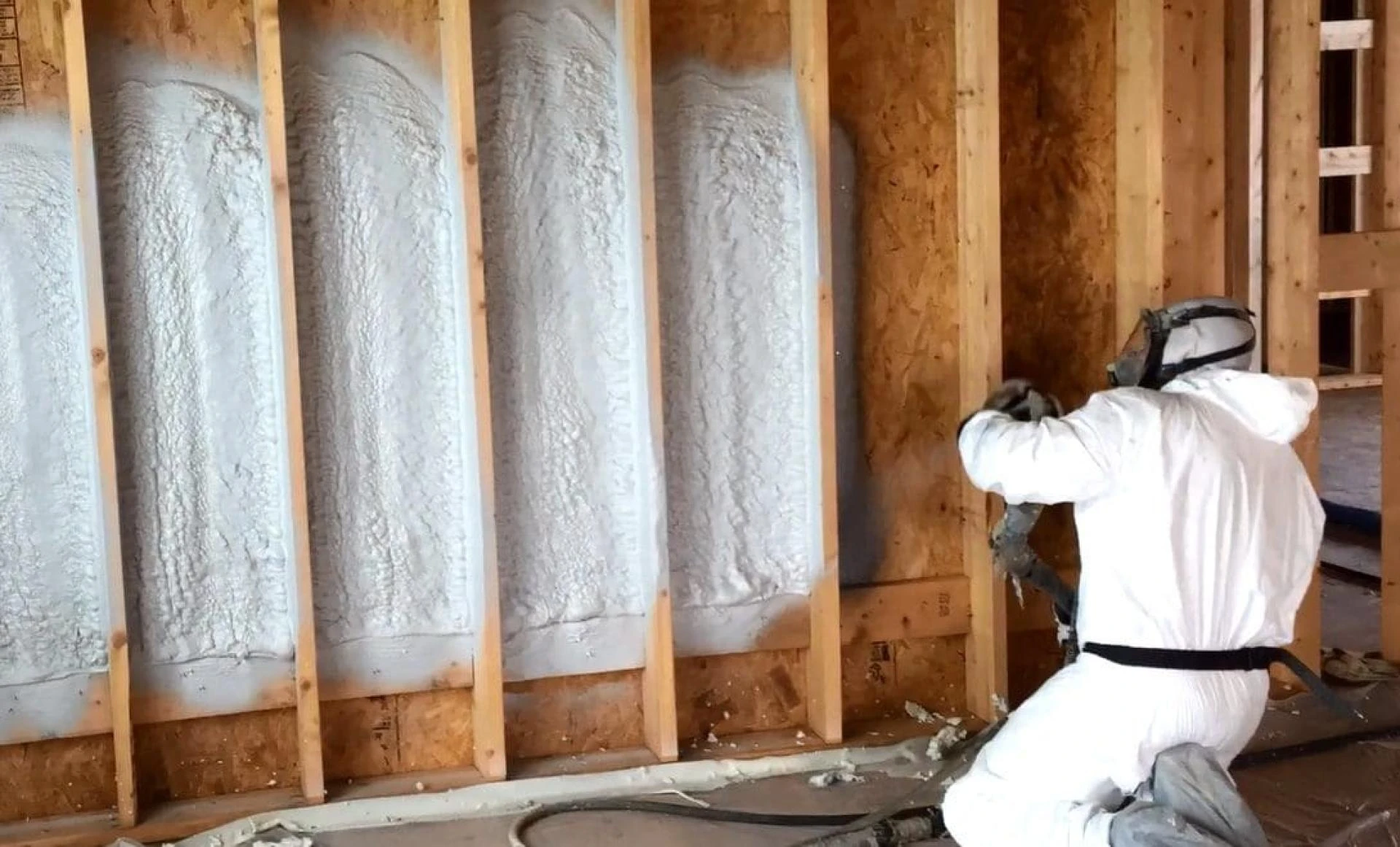
Spray foam insulation acts as both a thermal barrier and an air seal. Because it adheres directly to the roof deck, there is no gap where air can collect or cool down. This physical bond ensures that the temperature of the interior surface stays close to the temperature of your indoor air.
When you use closed-cell spray foam, you create a vapor retarder that stops moisture from migrating through the material. This keeps the dew point trapped within the foam or pushes it completely outside the building. Since water cannot condense inside the solid foam, your attic stays dry regardless of the weather.
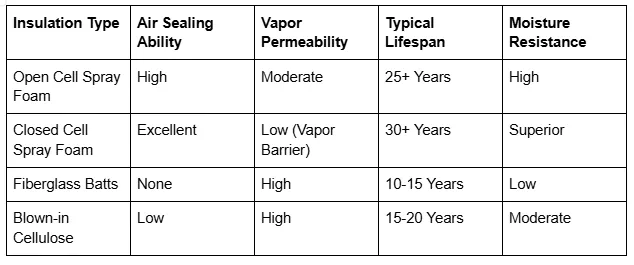
Comparing Insulation Performance and Moisture Control
Different materials handle moisture in various ways. It is helpful to see how spray foam stacks up against common alternatives when it comes to preventing dampness and managing temperature shifts.
Why Does Air Sealing Matter for Your Roof
Air sealing is often more important than the R-value when talking about moisture. Most attic water problems are not caused by leaks in the shingles but by air escaping from the house. Small gaps around pipes and wires act like chimneys, pulling wet air into the attic space.
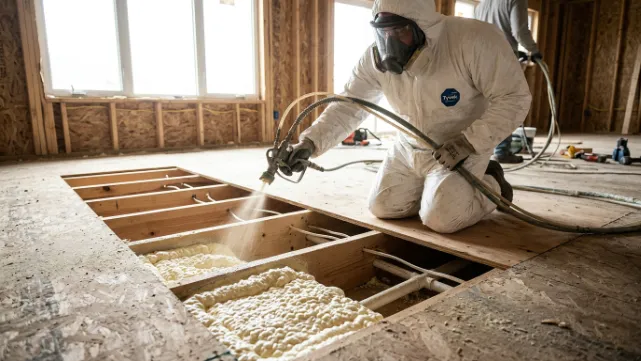
Spray foam expands to fill these tiny cracks instantly. This stops the "stack effect," which is the process of warm air rising and escaping through the top of your building. By stopping this flow, you keep your expensive heated or cooled air inside where it belongs.
- Sealing gaps reduces the workload on your HVAC system.
- Preventing air flow stops ice dams from forming on the roof edge.
- A sealed attic stays cleaner because dust and pests cannot enter easily.
Bonus Tip: If you live in a humid climate, closed-cell foam is often the better choice because it provides a stronger defense against water vapor transmission through the roof.
The Impact of Local Climate on Attic Moisture
In desert environments or areas with high temperature swings, the dew point can shift rapidly between day and night. During a hot day, the sun bakes the roof, but as soon as the sun goes down, the roof deck cools quickly. If your attic is not properly insulated, this rapid cooling triggers immediate condensation.
High-performance insulation helps stabilize these temperature swings. By keeping the attic temperature consistent, you prevent the "sweating" effect often seen on metal or wood surfaces. This is especially useful for homes with HVAC equipment or ductwork located in the attic.
What Factors Should You Look at Before Choosing Insulation?
Selecting the right material requires looking at more than just the price tag. You need to think about the long-term health of your home and how the material reacts to your specific environment.
- Existing Moisture Issues: Address any current leaks or mold before installing new foam.
- Roof Deck Material: Ensure the wood is dry and structurally sound.
- Ventilation Strategy: Decide if you want a vented or unvented attic assembly.
- Future Access: Consider how the insulation might affect your ability to run new wires or pipes later.
Bonus Tip: Always check if your local building codes require a specific fire-rated coating over the foam if the attic is used for storage.
Why Professional Installation Is Necessary for Moisture Control
Applying spray foam requires precise mixing and temperature control. If the chemicals are not balanced correctly, the foam might not adhere properly or could shrink, leaving gaps where condensation can still form. Professionals use specialized equipment to ensure the foam reaches the right density.
Expert installers also know how to identify "thermal bridges." These are spots like wooden studs or metal plates that carry heat faster than the surrounding area. Covering these bridges ensures the entire attic surface stays above the dew point temperature.
Long-Term Benefits of a Dry Attic Space
A dry attic does more than just prevent rot. It protects the items you store upstairs and ensures the air you breathe is free from mold spores. Since spray foam does not sag or settle like fiberglass, the protection it provides today will be just as effective decades from now.
Market data suggests that homes with upgraded insulation see a significant increase in resale value. Buyers often look for energy-efficient features that lower monthly utility bills and reduce the risk of hidden structural damage caused by water.
How to Get an Expert Assessment for Your Home Insulation Project
Determining the best way to manage moisture in your attic starts with a professional evaluation. You can reach out to Supreme Spray Foam LV by calling (702) 904-9895 to speak with an expert about your specific needs. They offer a wide range of services, including Attic Insulation, Residential Spray Foam Insulation, and specialized Spray Foam Repairs.
Whether you need help with Commercial Insulation or Exterior Insulation, their team provides the technical knowledge required to solve condensation problems permanently. You can also send an email to [email protected] to request a free quote and find out which type of spray foam is right for your property. Taking these steps now prevents costly roof repairs and ensures your home stays efficient year-round.
Summary of Key Takeaways
Managing the dew point is the most effective way to protect your home from attic moisture and structural decay. Spray foam provides a dual solution by acting as both a thermal barrier and an air seal, which stops condensation before it can start. By choosing high-quality materials and professional installation, you ensure a dry, energy-efficient environment that lasts for the life of your home. You should evaluate your current attic conditions and consult with a specialist to determine the best path forward for your specific climate and building type.
Common Questions About Attic Condensation and Foam
Does spray foam cause roof rot by trapping water?
No, spray foam does not cause rot. Rot is caused by water getting trapped against wood without the ability to dry. By stopping condensation and air leaks, spray foam keeps the wood dry. If a roof leak occurs, the water will typically run along the foam or show up elsewhere, allowing for repairs.
Can I install spray foam over old fiberglass insulation?
It is usually best to remove old insulation first. This allows the foam to bond directly to the surfaces and ensures a perfect air seal. Leaving old, dusty fiberglass can trap moisture and prevent the foam from adhering properly to the joists or deck.
Is open-cell or closed-cell foam better for condensation?
Both work well, but closed-cell foam is a superior vapor barrier. In very cold or very humid climates, closed-cell foam is often preferred because it prevents moisture from moving through the material at a molecular level.
Will spray foam make my house too airtight?
While spray foam seals leaks, most homes still require some form of controlled ventilation. An airtight home is more energy-efficient, but it is important to ensure your HVAC system is properly sized and that you have adequate fresh air exchange through mechanical means if necessary.
How long does it take for spray foam to cure?
Most spray foam products cure within 24 to 48 hours. During this time, the material expands and hardens into a permanent structure. It is usually recommended to stay out of the area during the application and for a short period afterward to ensure proper ventilation.




























Sign in to leave a comment.