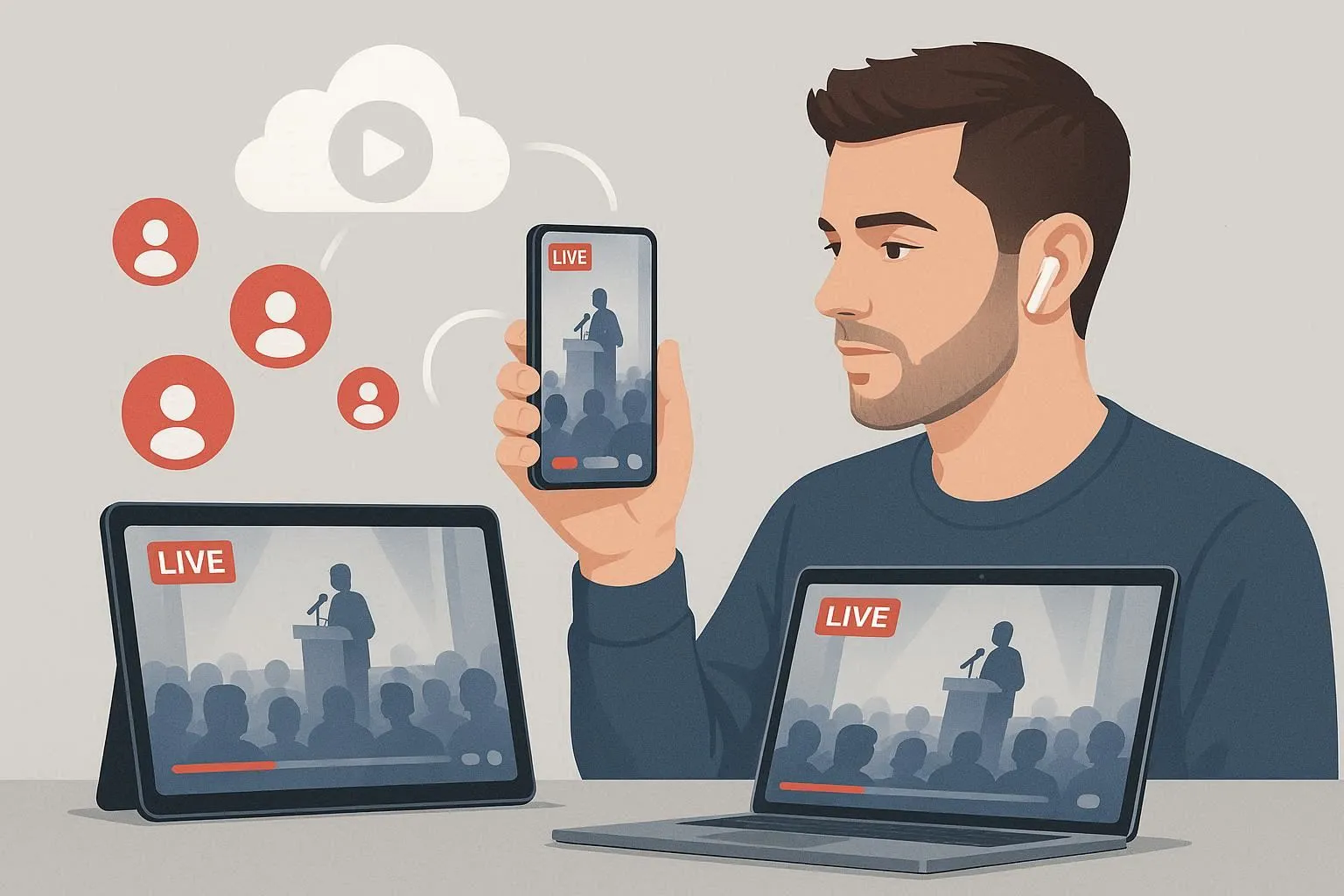

A few years ago, going live meant having a full production setup, expensive cameras, cables, lighting, and a technical team. Today, a smartphone is often enough to reach customers, fans, employees, students, or event audiences in real time.
As we move closer to 2026, mobile-first video is no longer just a trend. It is becoming a practical way for brands, creators, educators, and businesses to communicate faster and more personally. With the right tools, anyone can broadcast live video from phone and deliver a professional viewing experience without being tied to a studio.
Why Phone-Based Live Streaming Is Growing Fast
People want real, instant, and accessible content. A mobile live stream feels natural because it captures moments as they happen. Whether it is a product launch, behind-the-scenes update, training session, live class, church service, sports event, or community announcement, streaming from a phone makes content creation easier.
Businesses also benefit from speed. Teams can go live from trade shows, offices, outdoor venues, retail stores, or customer events without waiting for a complex setup. This helps brands stay active, responsive, and connected.
For smaller teams, this is especially powerful. A phone, stable internet connection, and a reliable streaming app can turn any location into a live broadcast point.
What Viewers Expect in 2026
Audiences are becoming less forgiving of poor video quality. They expect smooth playback, clear sound, quick loading, and a stream that works on any device. If a live video buffers too much or fails to open, viewers leave within seconds.
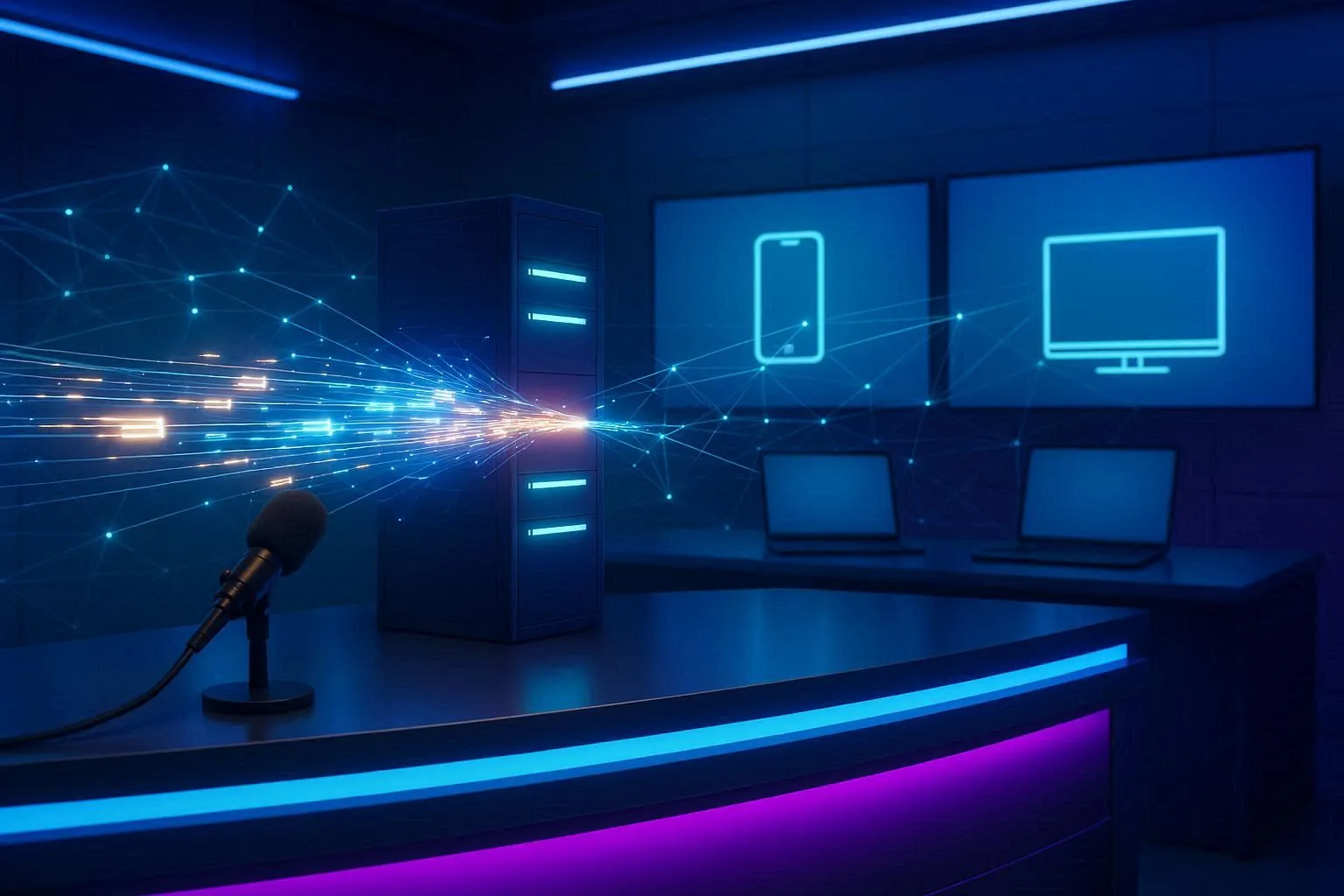
That is why mobile live streaming needs more than just a camera. It needs strong video delivery, adaptive bitrate streaming, secure hosting, and a player that can adjust to different network conditions.
This is where technologies like HLS streaming, cloud video delivery, and responsive playback become important. They help make the viewing experience consistent across smartphones, tablets, laptops, and connected screens.
The Role of Reliable Video Playback
A strong live stream is not only about capturing video. It is also about how that video reaches the viewer. If the playback experience is weak, even the best content can lose impact.
Using an hls player helps deliver video in a more flexible and stable way. HLS technology breaks video into small segments, allowing the stream to adapt based on the viewer’s internet speed. This helps reduce buffering and improves accessibility across devices and browsers.
For businesses, this means better engagement, longer watch time, and fewer technical complaints during important live sessions.
Best Use Cases for Mobile Live Broadcasting
Phone-based streaming is useful across many industries. Some common use cases include:
- Live product demos and launches
- Online fitness and wellness sessions
- School and university events
- Virtual conferences and webinars
- Local news and community updates
- Religious services and spiritual gatherings
- Sports coverage from remote locations
- Influencer and creator live shows
- Corporate town halls and training sessions
The main advantage is flexibility. You do not need to wait for the perfect studio environment. You can start from wherever the story is happening.
How Brands Can Prepare for the Future
To make mobile streaming work well in 2026, brands should focus on quality, consistency, and ease of access. A good setup should include stable internet, clear audio, proper lighting, mobile-friendly streaming software, secure video delivery, and analytics to understand viewer behavior.
It is also smart to plan content in advance. Even when a live video feels spontaneous, having a simple structure helps keep viewers engaged.
Final Thoughts
Mobile live streaming is making video communication faster, simpler, and more human. It gives businesses and creators the power to connect in real time without heavy equipment or large production costs.
As audience expectations rise, the winners will be those who combine mobile convenience with reliable streaming technology. In 2026, the phone in your pocket may become one of your most valuable broadcasting tools.
























Sign in to leave a comment.