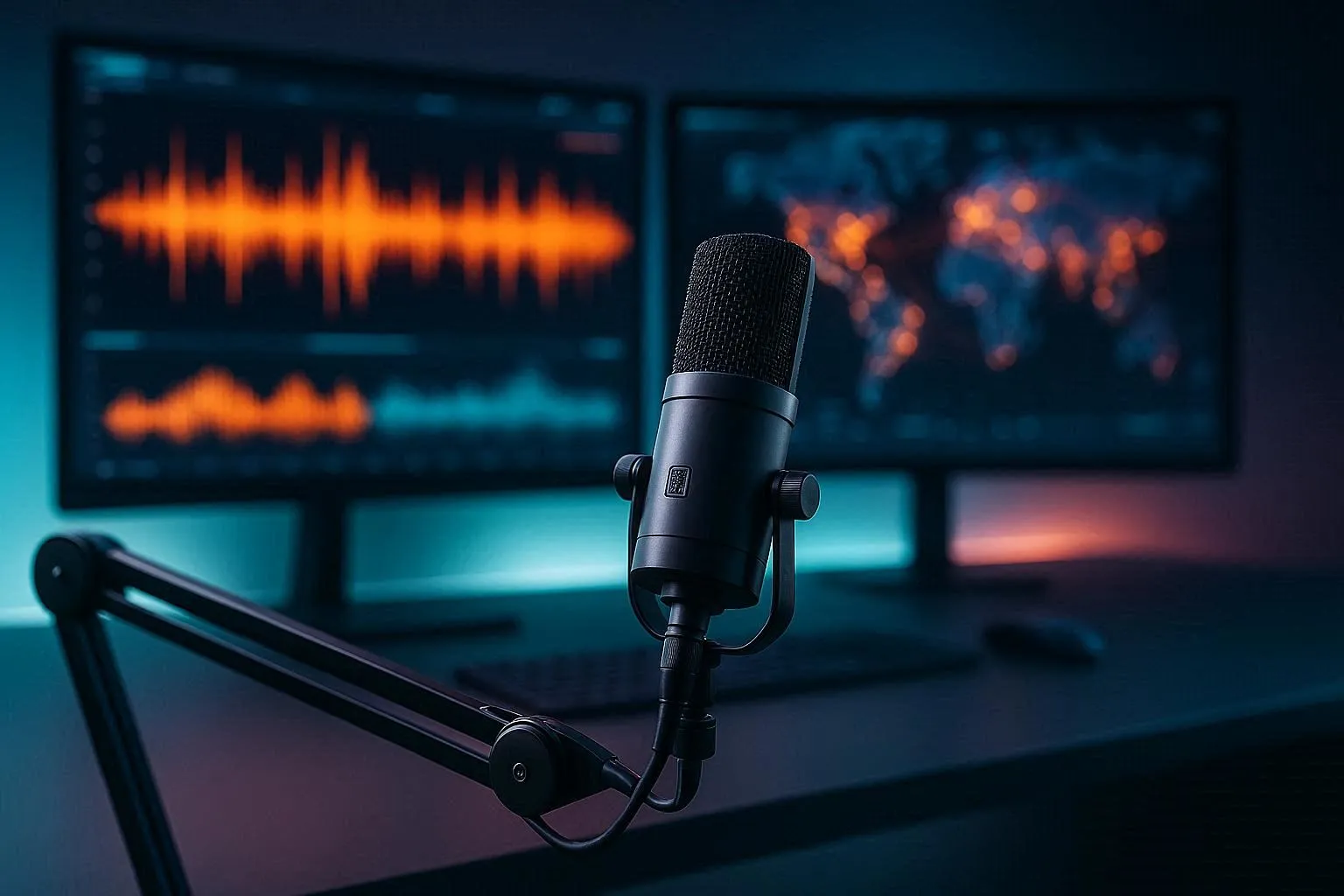

As we approach 2026, the digital landscape has shifted from a visual-first obsession to a more balanced, multi-sensory experience. While video remains a powerhouse, audio has undergone a quiet revolution. It is no longer just about background noise; it is about presence, intimacy, and accessibility. Whether it’s a global town hall, a live podcast, or a high-fidelity concert, the way we consume sound is becoming more interactive and technically sophisticated than ever before.
The Shift Toward Immersive Audio Experiences
In the early days of the internet, digital audio was often an afterthought—compressed, laggy, and prone to buffering. Today, the expectations have skyrocketed. Modern listeners demand "lossless" quality and zero-latency interactions. This shift has pushed creators to move beyond traditional radio setups toward robust platforms designed for high-end live audio streaming.
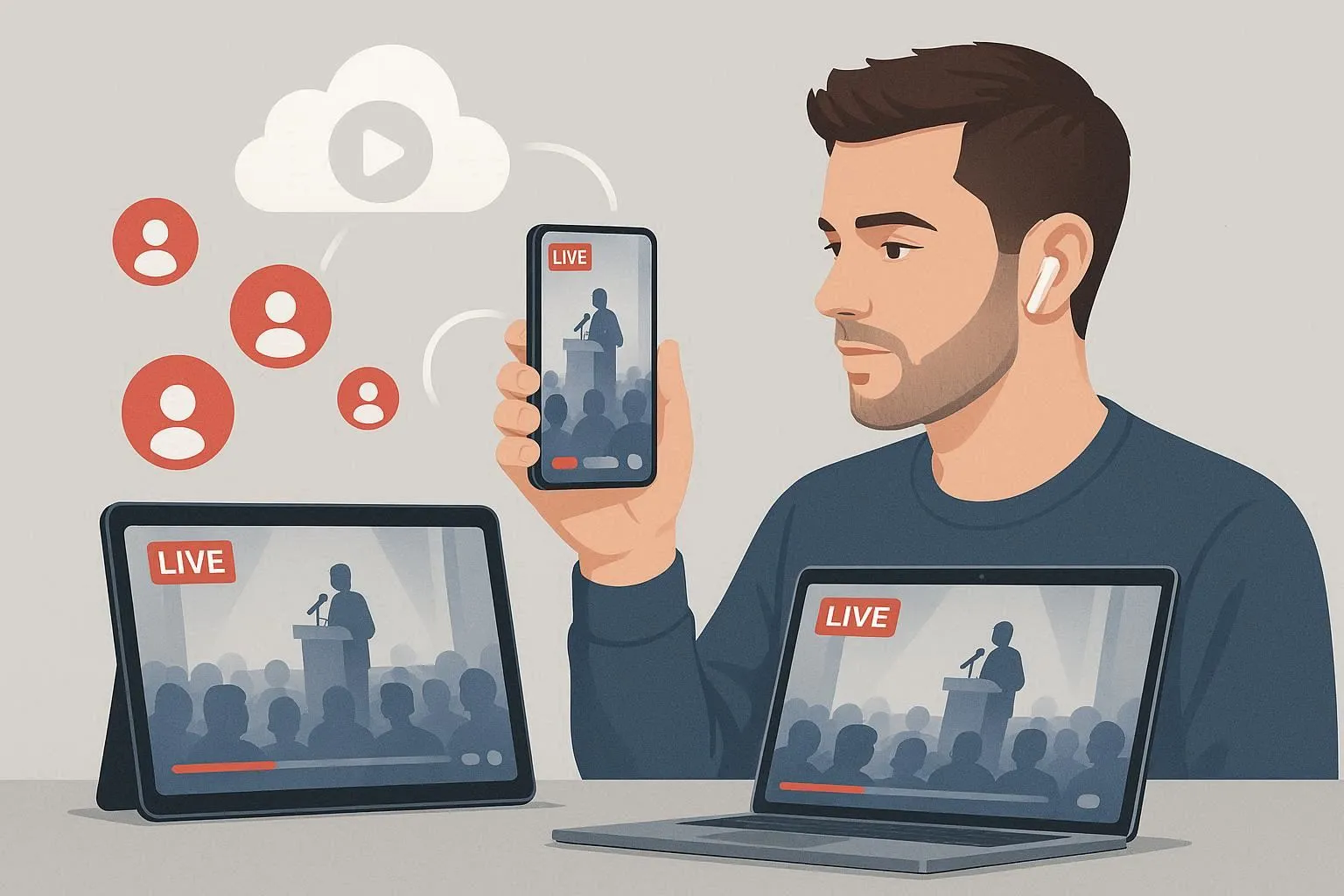
The rise of spatial audio and AI-driven noise cancellation has changed the listener's journey. We are seeing a move toward "lean-back" interactivity, where audiences don't just listen; they participate via real-time polls, live Q&A sessions, and immersive soundscapes that react to user input. For brands and creators, this means the technical foundation of their broadcast is just as vital as the content itself.
Reliability Meets Reach: The Technical Backbone
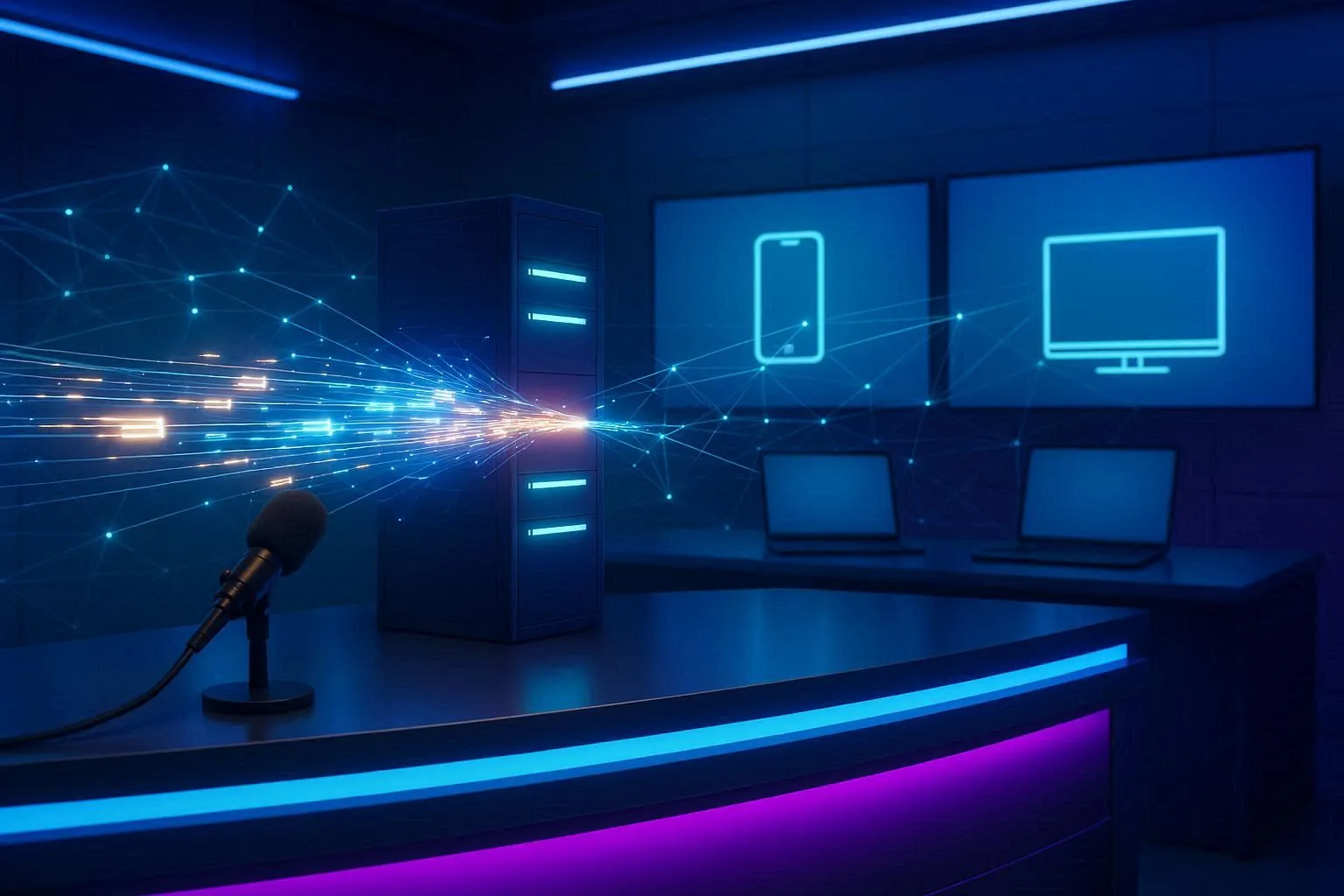
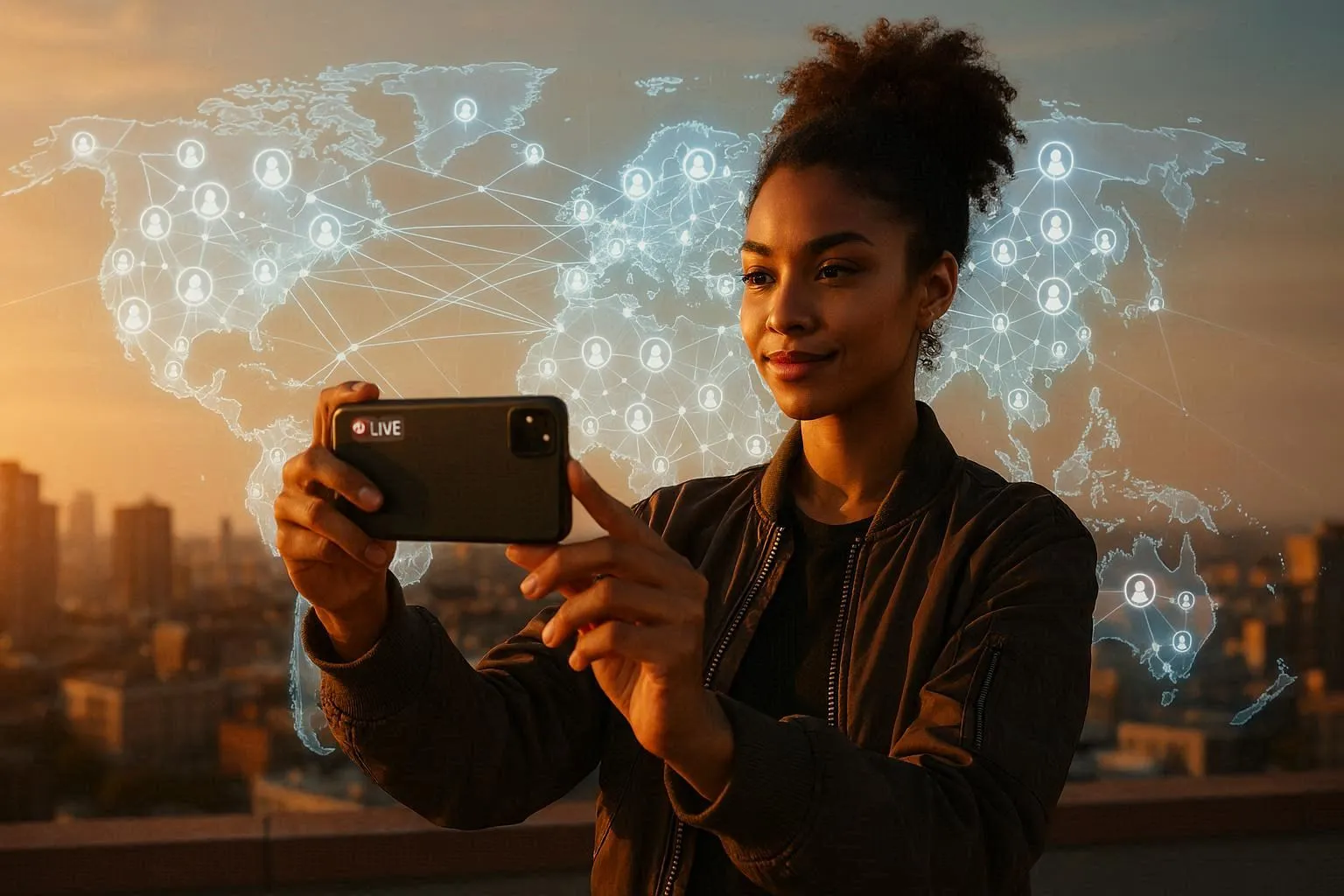
To maintain a professional edge in 2026, the delivery mechanism must be invisible to the end user. This is where modern protocols come into play. To ensure that a broadcast reaches a listener in Tokyo just as quickly as one in New York, broadcasters rely on a scalable hls stream to handle the heavy lifting.
HTTP Live Streaming (HLS) has become the gold standard because of its versatility. By breaking audio data into small, manageable chunks, it allows for adaptive bitrate streaming. This ensures that even if a listener’s 5G signal dips in a crowded subway, the audio continues to play without a hitch, automatically adjusting quality rather than cutting out. This reliability is the difference between a loyal subscriber and a bounced visitor.
Why Audio is Dominating the Creator Economy
The "Screen Fatigue" phenomenon is real. After years of endless video calls and short-form video scrolling, users are gravitating toward audio for its lower cognitive load. You can listen while commuting, exercising, or working.
Furthermore, the barriers to entry have vanished. You no longer need a multimillion-dollar transmitter to reach a global audience. With the right cloud-based infrastructure, anyone can broadcast high-definition sound. Key trends we are watching for 2026 include:
- Hyper-Personalization: AI-curated live feeds that adapt to user preferences in real-time.
- Monetization 2.0: Integrated dynamic ad insertion that feels organic to the live experience.
- Accessibility: Automated, high-accuracy live captioning for inclusive listening.
Final Thoughts
As we move forward, the "live" element of audio will be its greatest strength. It captures the "now" in a way that recorded media cannot. By leveraging advanced delivery protocols and focusing on listener engagement, creators can build communities that aren't just hearing a message—they are experiencing it. The future of sound is clear, low-latency, and infinitely scalable. Are you ready to go live?




















Sign in to leave a comment.