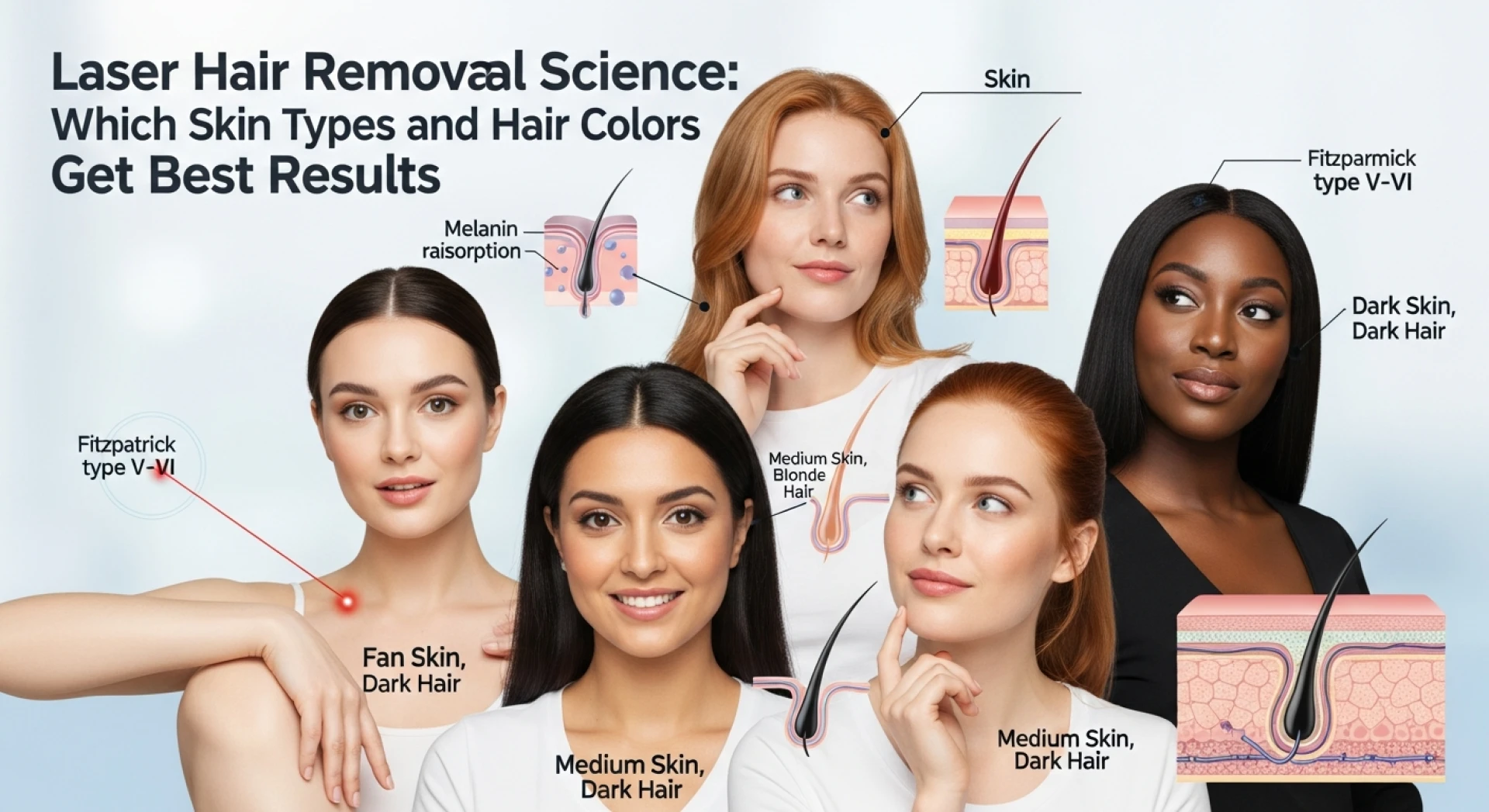

Have you ever wondered why laser hair removal works exceptionally well for some people but seems slower or less effective for others?
Laser hair removal has become one of the most widely requested aesthetic treatments in the United States. Men and women choose it to reduce unwanted hair, simplify grooming routines, and improve skin comfort. Despite its popularity, many individuals still have questions about how the treatment truly works and whether it is right for their skin and hair type.
Understanding the laser hair removal science is essential before starting treatment. Skin tone, hair color, hair thickness, and even growth cycles all play a role in the final outcome. This guide explains those factors clearly and professionally, helping readers make informed decisions based on science rather than assumptions.
If you are researching laser hair removal in Norfolk, VA or anywhere in the States, this in-depth article will help you understand what influences results, how modern technology improves safety, and why professional treatment planning matters.
Understanding the Core Concept of Laser Hair Removal
Laser hair removal is a medical-grade cosmetic procedure designed to reduce unwanted hair by targeting hair follicles beneath the surface of the skin. Unlike shaving or waxing, which remove hair temporarily at or above the skin level, laser hair removal focuses on the source of hair growth.
The treatment works by delivering concentrated beams of light into the skin. This light is selectively absorbed by pigment present in the hair shaft. Hair contains melanin, the natural pigment responsible for hair color. When the laser energy reaches the hair, the melanin absorbs the light and converts it into heat.
This heat travels down the length of the hair shaft and reaches the follicle, which is the structure responsible for producing hair. Once the follicle is sufficiently heated, its ability to grow new hair is damaged. Over repeated sessions, this damage causes hair to grow back more slowly, become thinner, or stop growing altogether.
Key points to understand about the core process include:
- The laser targets pigment, not the hair itself
- Heat is the mechanism that disables the follicle
- Results build gradually over multiple sessions
- Hair reduction varies based on individual biology
Because both hair and skin contain melanin, the laser must clearly distinguish between the two. This scientific requirement explains why hair color and skin tone play such an important role in treatment success and safety.
The Science Behind Laser Hair Removal Technology
The effectiveness of laser hair removal is based on a scientific principle known as selective photothermolysis. This process allows the laser to selectively target a specific structure, the hair follicle, while minimizing damage to surrounding skin tissue.
In simple terms, the laser is designed to emit a wavelength of light that is strongly absorbed by melanin. When the correct wavelength is delivered at the proper energy level, the hair follicle absorbs the heat while nearby skin remains protected.
Modern laser devices include advanced features that improve both safety and comfort, such as:
- Adjustable wavelengths for different skin tones
- Controlled pulse durations to limit heat spread
- Integrated cooling systems to protect the skin surface
Cooling systems play a critical role in modern treatments. By cooling the outer layers of the skin before, during, or after each laser pulse, these systems reduce discomfort and lower the risk of irritation.
This balance of precision, energy control, and cooling allows trained professionals to customize each treatment based on individual skin and hair characteristics, leading to safer and more predictable outcomes.
Why Hair Growth Cycles Matter
Hair does not grow continuously. Instead, it follows a repeating cycle made up of three main phases:
- Anagen (active growth phase) – The hair is actively growing and connected to the follicle
- Catagen (transition phase) – Growth slows and the follicle begins to shrink
- Telogen (resting phase) – The hair rests and eventually sheds
Laser hair removal is only effective during the anagen phase because the follicle is fully connected to the hair shaft. This connection allows heat from the laser to reach and damage the follicle.
At any given time, only a portion of hair follicles are in the anagen phase. This is why a single treatment cannot remove all hair at once and why multiple sessions are required.
Proper treatment spacing allows the laser to target new hairs as they enter the active growth phase. Skipping sessions or spacing them too far apart can reduce effectiveness and slow overall progress.
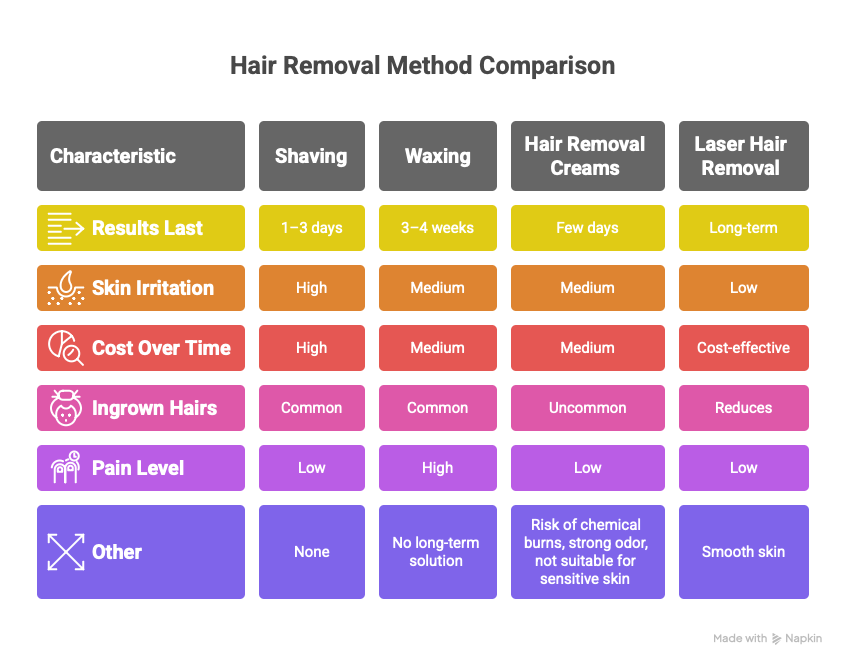
The Role of Skin Tone in Laser Hair Removal
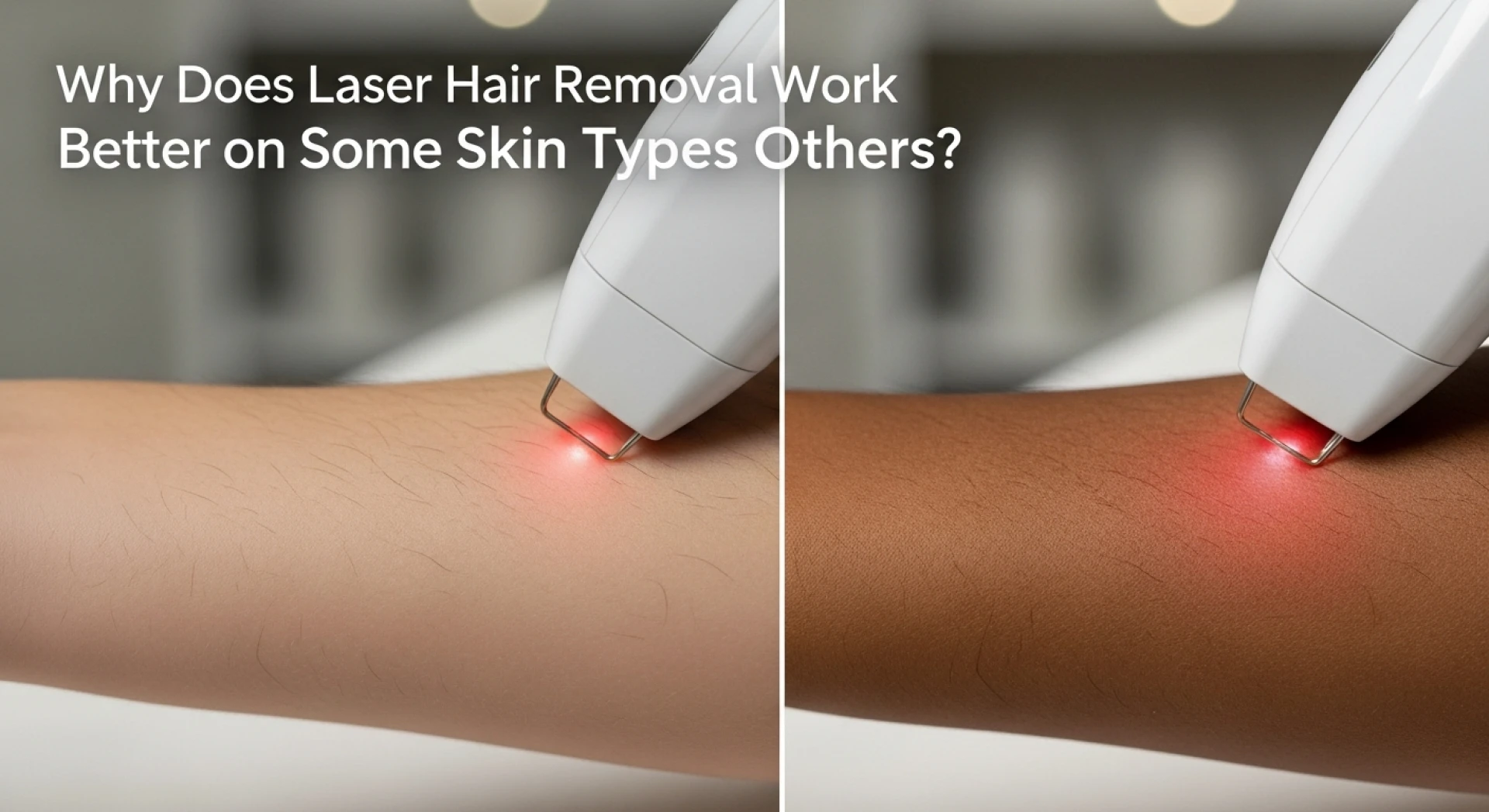
Skin tone is one of the most important factors influencing laser hair removal outcomes. Like hair, skin contains melanin. The amount of melanin present affects how the skin interacts with laser energy.
When both the skin and hair have similar pigment levels, the laser must be adjusted carefully to avoid excessive heat absorption by the skin. Incorrect settings can increase the risk of irritation or injury.
This is why understanding laser hair removal skin types is essential during treatment planning.
Professionals often use the Fitzpatrick Skin Type Scale, which categorizes skin based on how it reacts to sun exposure. This scale helps providers determine safe and effective laser settings.
General considerations include:
- Lighter skin tones allow higher energy settings
- Darker skin tones require specialized wavelengths
- Individual response may vary within each category
Accurate skin tone assessment is a critical step in safe laser hair removal.
Treating Light to Medium Skin Tones
Individuals with fair to medium skin tones often respond quickly to laser hair removal. The contrast between darker hair and lighter skin allows the laser to easily identify and target hair follicles.
For these skin types, treatment settings often permit higher energy levels, which can lead to:
- Faster follicle damage
- Quicker visible hair reduction
- Fewer sessions for noticeable improvement
Even with favorable skin tone contrast, professional expertise remains essential. Excessive energy levels can still cause sensitivity or irritation if not applied correctly.
Personalized treatment planning ensures that results are achieved efficiently without compromising skin health.
Treating Darker Skin Safely and Effectively
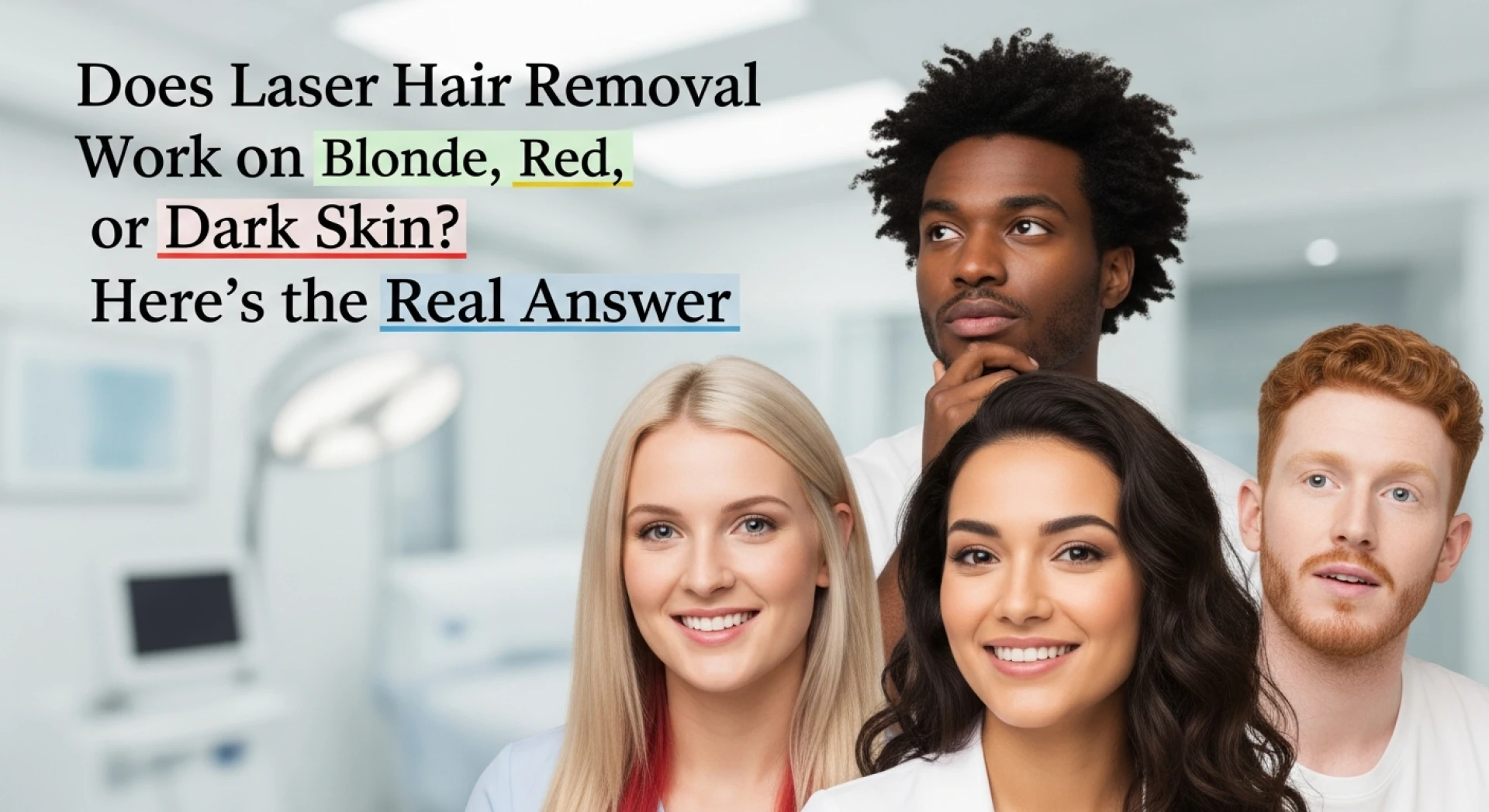
Many individuals are concerned about laser hair removal for dark skin, especially due to limitations associated with older laser technology. Advances in laser systems have significantly improved safety and effectiveness for darker skin tones.
Modern lasers use longer wavelengths that penetrate deeper into the skin. This allows the laser to bypass surface melanin while still reaching the hair follicle. Advanced cooling systems further protect the epidermis and reduce discomfort.
Key factors in treating darker skin include:
- Using appropriate laser technology
- Gradual energy adjustments across sessions
- Continuous monitoring of skin response
With trained providers and proper equipment, individuals with darker skin tones can achieve excellent hair reduction with minimal risk.
How Hair Color Influences Laser Hair Removal Results
Hair color plays a direct role in treatment success because lasers rely on pigment to deliver heat to the follicle. The more melanin present in the hair, the more effectively it absorbs laser energy.
This is why laser hair removal hair color is carefully evaluated during consultations.
Dark hair contains higher levels of melanin, making it an ideal target for laser treatment. Lighter hair colors contain less pigment, which limits laser absorption and reduces effectiveness.
Understanding hair color response helps set realistic expectations before beginning treatment.
Which Hair Colors Respond Best?
Laser hair removal effectiveness generally follows this pattern:
- Black hair – Excellent response
- Dark brown hair – Very strong response
- Medium brown hair – Good response
- Light brown hair – Moderate response
- Blonde hair – Limited response
- Red hair – Minimal response
- Gray or white hair – No response
Individuals with lighter hair may explore alternative hair removal methods or emerging technologies based on their goals and skin type.
Identifying the Best Candidates for Laser Hair Removal
The best candidates for laser hair removal typically have darker hair combined with lighter to medium skin tones. They are also willing to commit to a full treatment plan and follow all preparation and aftercare instructions.
However, candidacy is not limited to one appearance type. Advances in technology and professional training have expanded access to treatment for a wider range of individuals.
A professional consultation helps determine:
- Expected results
- Number of sessions needed
- Safety considerations
- Personalized treatment approach
Areas Commonly Treated With Laser Hair Removal
Laser hair removal can be performed on nearly any area of the body where unwanted hair grows. Common treatment areas include:
- Face and neck
- Underarms
- Arms and legs
- Bikini and Brazilian areas
- Chest and abdomen
- Back and shoulders
Each area has unique hair density and growth patterns, which can influence treatment duration and session frequency.
Treatment plans are tailored to the specific area and individual needs.
What to Expect During a Treatment Session
A typical laser hair removal session begins with cleansing and preparation of the treatment area. Hair is shaved to ensure the laser targets the follicle beneath the skin rather than surface hair.
Protective eyewear is provided, and the technician adjusts laser settings based on skin tone, hair thickness, and treatment location. The laser delivers short pulses of light, while cooling technology protects the skin.
Most patients describe the sensation as a quick snap or mild heat. Discomfort is generally brief and well tolerated.
Session length varies depending on the size of the area treated, ranging from a few minutes to over an hour.
Number of Sessions and Long-Term Results
Laser hair removal delivers long-term hair reduction through a structured treatment plan rather than a single session. Most individuals require six to eight sessions, typically spaced four to six weeks apart, depending on the treatment area and individual hair growth patterns.
This schedule is based on the natural hair growth cycle. Hair grows in phases, and only hair in the active growth phase responds effectively to laser energy. Since not all hair follicles are active at the same time, multiple sessions are required to treat new hairs as they enter this phase.
With consistent treatment, patients commonly experience the following improvements:
- Noticeably slower hair regrowth
- Thinner and finer hair texture
- Reduced overall hair density
- Fewer ingrown hairs and skin irritation
Over time, these laser hair removal results lead to smoother skin and significantly reduced need for traditional hair removal methods such as shaving or waxing. While laser hair removal does not guarantee permanent removal of every hair follicle, the results are considered long-lasting. Some individuals may benefit from occasional maintenance sessions, especially if hormonal changes influence hair regrowth.
Safety, Side Effects, and Recovery
Laser hair removal is widely regarded as a safe and effective procedure when performed by trained and qualified professionals using medical-grade equipment. Modern laser systems are designed with built-in safety features that protect the skin while delivering targeted energy to the hair follicle.
Temporary side effects are generally mild and short-lived. These may include:
- Mild redness in the treated area
- Slight swelling around hair follicles
- A warm or sensitive sensation
These reactions are normal and typically subside within a few hours after treatment. In some cases, mild sensitivity may last up to 24 hours, particularly in areas with thicker hair growth.
More serious side effects, such as burns or pigmentation changes, are rare and usually associated with improper laser settings or lack of professional experience. Choosing a reputable clinic and following all pre- and post-treatment guidelines significantly reduces these risks and supports safe recovery.
Preparing for Laser Hair Removal
Proper preparation is an essential part of achieving safe and effective laser hair removal outcomes. Patients are usually advised to avoid direct sun exposure for at least one to two weeks before treatment, as tanned or sunburned skin can increase sensitivity and interfere with laser accuracy.
Hair removal methods that pull hair from the root, such as waxing, plucking, or threading, should be avoided before treatment. These methods remove the hair follicle, which is the laser’s target. Shaving, however, is recommended and should be done approximately 24 hours before the appointment.
Additional preparation guidelines often include:
- Arriving with clean, dry skin
- Avoiding lotions, oils, or deodorants on the treatment area
- Informing the provider of any medications or skin conditions
Following professional preparation instructions helps ensure accurate targeting of hair follicles, improved comfort during treatment, and better overall results.
Aftercare and Skin Protection
Aftercare plays a critical role in maintaining comfort and supporting long-term results after laser hair removal. Immediately following treatment, the skin may feel warm or slightly sensitive, which is a normal response.
Patients are generally advised to:
- Avoid hot showers, saunas, and steam rooms for 24 hours
- Refrain from intense exercise that causes excessive sweating
- Protect the treated area from direct sun exposure
Daily use of a broad-spectrum sunscreen is especially important, as treated skin may be more sensitive to ultraviolet light. Sun protection helps prevent irritation and reduces the risk of pigmentation changes.
Patients should also avoid exfoliating or using harsh skincare products on the treated area for several days. Gentle skincare allows the skin to heal naturally and supports smooth, even-toned results.
Why Professional Expertise Matters
Laser hair removal is not a standard cosmetic service. It requires a detailed understanding of skin anatomy, hair growth cycles, laser technology, and safety protocols. Each individual’s skin tone, hair color, and hair density must be carefully evaluated to determine appropriate treatment settings.
Clinics offering laser hair removal in Norfolk VA or anywhere in the States with trained and experienced professionals are able to:
- Customize laser settings for individual skin and hair types
- Monitor skin response throughout the treatment plan
- Adjust energy levels as hair density changes over time
- Maintain consistent safety and treatment accuracy
Professional expertise ensures that treatments are both effective and safe, leading to predictable outcomes and reduced risk of complications.
The Emotional and Lifestyle Benefits
Beyond physical changes, laser hair removal often delivers meaningful emotional and lifestyle benefits. Many individuals feel frustrated by the constant need for shaving or the discomfort of waxing and ingrown hairs. These concerns can affect confidence, clothing choices, and daily routines.
Laser hair removal helps reduce these ongoing challenges by offering a more permanent solution. Patients frequently report:
- Increased confidence in professional and social settings
- Greater comfort wearing sleeveless or fitted clothing
- Less skin irritation and fewer grooming-related concerns
Over time, these improvements contribute to a greater sense of ease and self-confidence. This combination of physical comfort and emotional well-being is a key reason laser hair removal continues to grow in popularity across the United States.
Conclusion
Laser hair removal is not just about convenience. It is a science-backed solution that combines advanced technology, professional expertise, and personalized care to deliver long-term hair reduction safely and effectively.
When skin type, hair color, and treatment planning are properly evaluated, the results can be both reliable and confidence-boosting.
If you are ready to stop temporary fixes and want a solution designed around your individual needs, now is the right time to act. Contact our experienced team to discuss laser hair removal in Norfolk VA, your goals, ask questions, and begin your journey toward smoother skin.









Sign in to leave a comment.