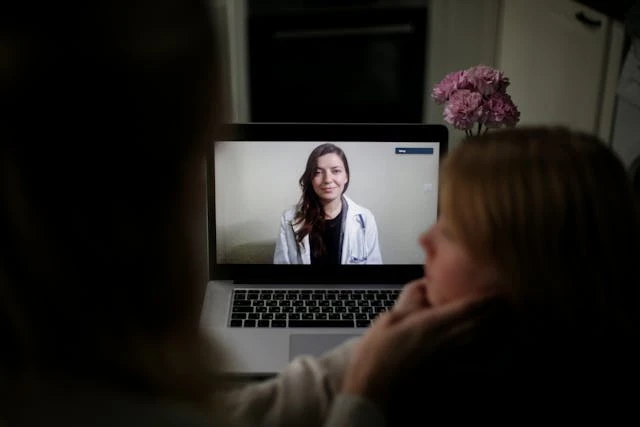

Photo Source: Pexels
Patient care can be seen as a connected process that begins with digital interactions and continues through in-person visits. The movement between these stages may appear simple, yet it actually involves many small processes that require careful alignment. A clear structure of communication and service design reduces confusion. Patients respond more positively when each step feels coordinated rather than separate or inconsistent.
Starting with Web Portals and Simple Actions
The first stage often takes place on an online portal that guides users through account creation, appointment scheduling, and form completion. A clean interface with clear labels and concise instructions minimizes uncertainty. Reminders and confirmations via email or text keep patients oriented and reduce no-shows. Consistency in terminology is essential. When the same words appear on the portal, in emails, and on printed materials, recognition grows and confusion falls.
Design the portal so that the most common tasks appear on the main screen and less frequent options remain accessible but hidden under a More Options menu. This approach allows both novice and experienced users to move at their own pace. The portal should also capture key data points such as preferred language, mobility considerations, or communication style so front desk staff can prepare before the patient even steps through the door.
Linking Online Confirmations to Front Desk Arrival
The transition from digital booking to physical arrival can either maintain continuity or introduce friction. Calendar invites and reminder messages should explain arrival timing, required documents, parking instructions, and where to check in. A brief instructional video or graphic map in the confirmation email helps patients find the entrance without asking for directions.
Staff at the front desk can review submitted forms and verify patient identity before greeting them. This preparation shortens the first face-to-face interaction and keeps lines moving. Signage in the lobby that echoes the portal’s wording, such as “Patient Intake Station” or “Wellness Assessment Room,” reinforces familiarity and makes navigation more intuitive. Offering a quick self-check-in kiosk lets patients confirm their identity by scanning a QR code or entering a birth date, which alerts the care team while still providing assistance for those who need it.
Aligning Staff Routines with Digital Records
Consistency between human workflows and system records shapes the entire visit. Task lists that mirror portal inputs ensure that completed items do not resurface during intake, while missing sections are clearly highlighted. Training protocols should demonstrate how to access uploaded documents, review intake questionnaires, and annotate clarifications. This reduces repetition and allows questions to focus on nuance rather than basic facts.
Status indicators in the electronic health record show which step is currently active, who is responsible, and what actions follow next. Color-coded progress bars or simple checkmarks offer a visual cue without clutter. When a delay occurs, a predefined notification protocol alerts the relevant team member so they can reset a patient’s expectations or offer a brief update.
In-Clinic Sequence and Wayfinding Elements
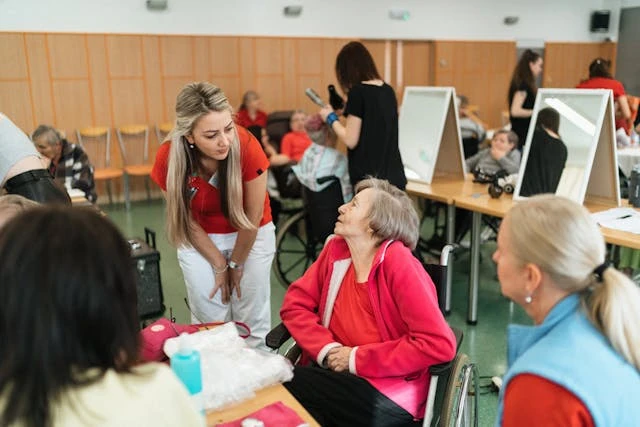
Once inside the facility, the patient experience depends on what happens first, what follows, and how directions are displayed in rooms, corridors, and waiting areas. A typical sequence includes greeting, identity verification, vital signs collection, consultation, and follow-up briefing. Staff should announce each phase in plain language and explain what the patient will do next.
Institutions such as the Biograph longevity clinic in San Francisco illustrate how specialty services can combine advanced diagnostic tools with personal attention. Echoing online labels on door signs such as Morning Intake, Functional Assessment and Consultation Suite help patients navigate independently. Clear arrows, icons, and floor graphics guide footsteps without constant staff escort. Even small pauses become reassuring when accompanied by a sign that reads “Next step: Consultation in this room at 2 p.m.”
After the Visit: Contact and Iterative Feedback
The patient connection does not end when they exit the clinic. Follow-up messages, test results, and appointment reminders continue the journey. Post-visit communications should use the same terminology seen earlier, so tasks such as “Review your lab results” or “Schedule your next assessment” feel familiar rather than confusing.
A summary in the portal can list completed steps, outline next actions, and attach relevant educational materials. Inviting patients to provide quick ratings or comments right on the portal encourages real-time feedback. This loop is more than a courtesy. It drives small updates to the portal interface, printed instructions, or room layouts that enhance the next visit. Standard templates for common scenarios such as medication adjustments, exercise guidance and nutritional follow-up ensure consistency while allowing space for personalized notes.
Measuring Patient Satisfaction and Continuous Improvement
No design remains optimal forever. Clinics should implement regular surveys and mystery shopper programs to capture patient impressions. Key metrics include ease of navigation, clarity of instructions, wait times in each segment, and staff responsiveness. Weekly or monthly team huddles can review these data and propose pilot changes.
For example, if patients report confusion about parking, adding a short video tutorial in the portal or dedicated signage in the garage can address that gap. If feedback shows that instructions for fasting prior to bloodwork are unclear, the clinic might redesign the confirmation email with bullet points and simple graphics. Tracking the impact of each adjustment verifies which improvements yield measurable gains in satisfaction and adherence.
Staff Training and Empowerment
A seamless patient journey depends on a team that knows both the technical systems and the human elements of service. Regular workshops on customer service, digital tool usage, and accessibility standards equip staff with the skills to guide patients effectively. Role-playing exercises simulate common scenarios such as delayed arrivals or missing paperwork. Leadership should share performance dashboards openly so that all team members can see how their contributions affect the overall experience.
Conclusion
Crafting a seamless patient journey transforms disconnected interactions into a cohesive chain of digital entry points, front desk welcomes, coordinated clinical tasks, in-room assessments, and follow-up communications. When labels remain consistent, instructions stay clear, and continuous feedback drives small refinements, friction diminishes and patient confidence grows. A practical focus on clarity, repetition of helpful terms, and prompt feedback supports better navigation for diverse users who value straightforward guidance. This unified approach not only enhances satisfaction but also encourages adherence to care plans, leading to better health outcomes over time.
































Sign in to leave a comment.