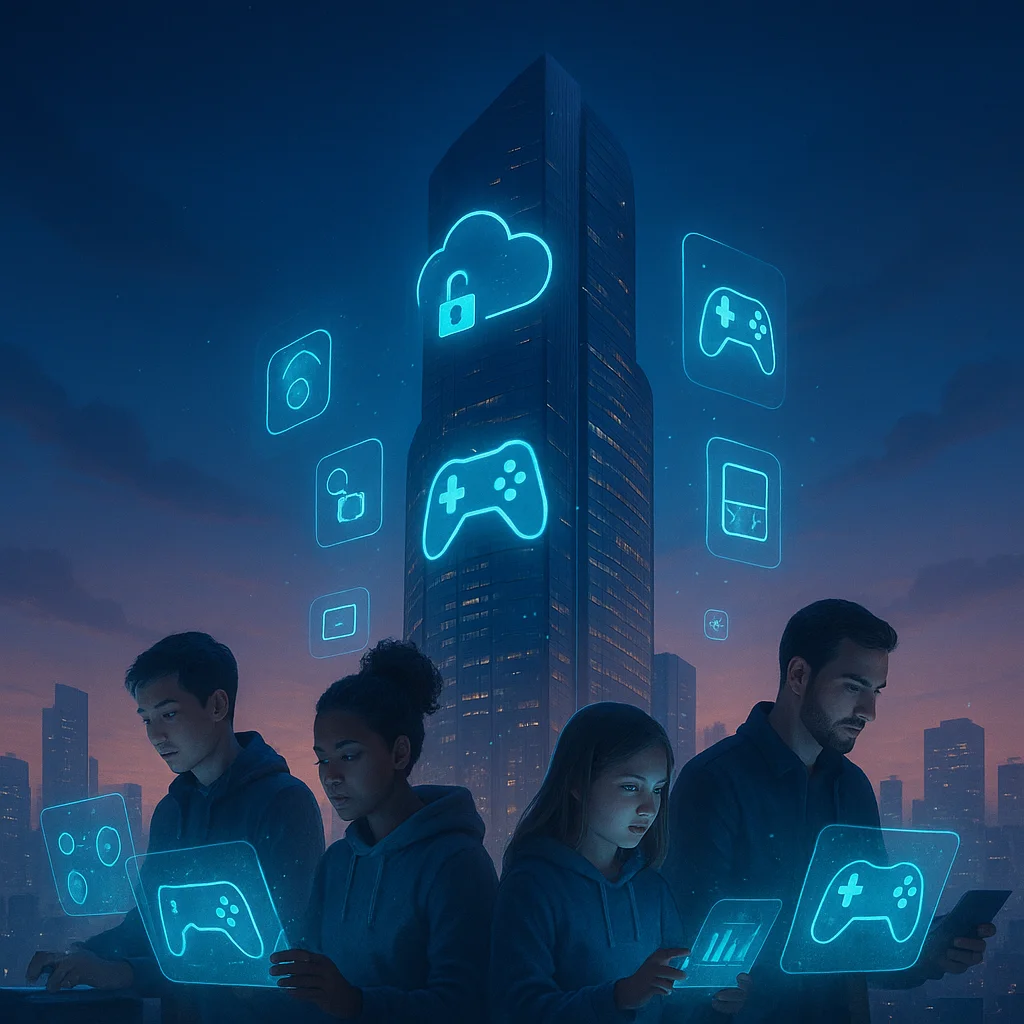

Streaming Pixels: The Uneasy Rise of Cloud Gaming
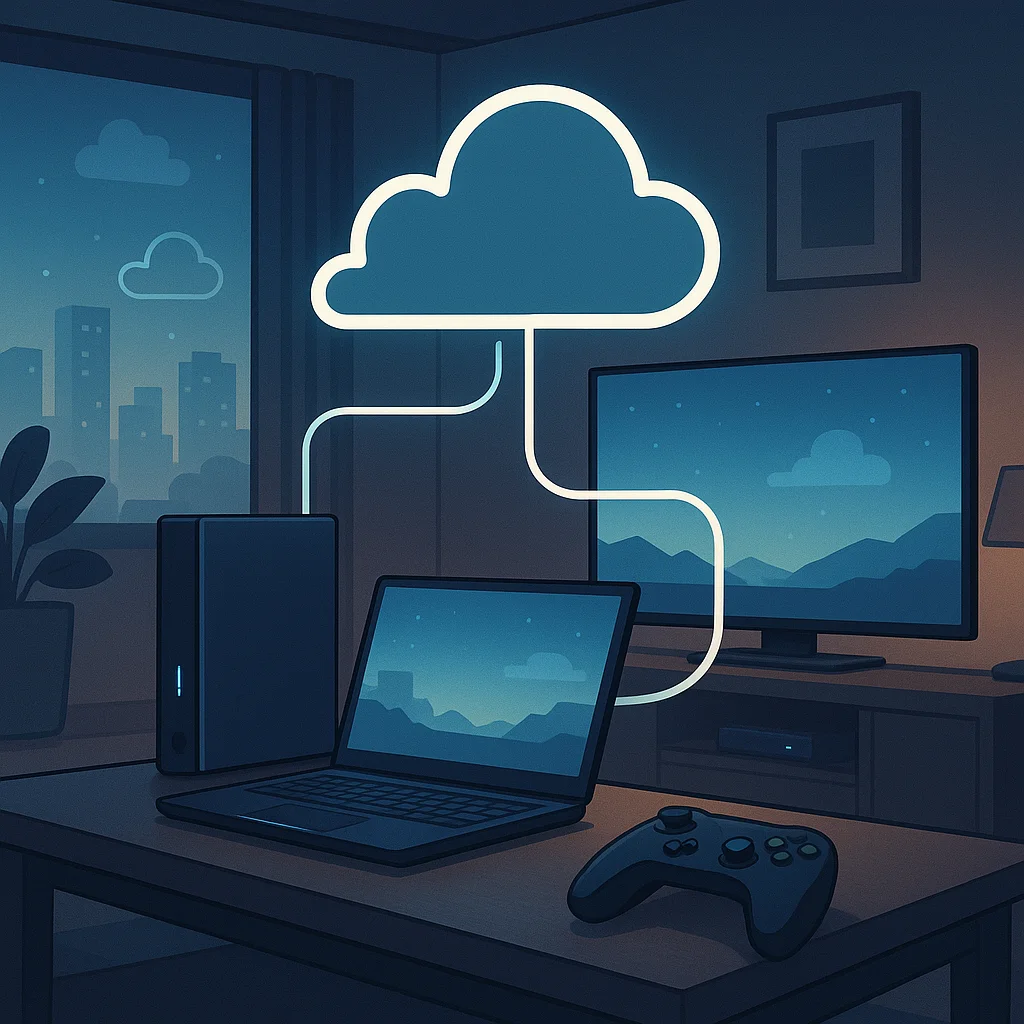
Imagine booting up the latest AAA game on your decade-old laptop with zero downloads, patches, or hardware upgrades. Sounds like a dream, right? Yet, this is the promise of cloud gaming—where your device becomes little more than a screen streaming high-fidelity gameplay from powerful remote servers. But beneath this glossy veneer lies a pile of compromises, technological hurdles, and business model experiments that make choosing a cloud gaming platform an unexpectedly complex task.
Cloud gaming platforms have surged in popularity since the mid-2010s, fueled by improving internet infrastructure and the global demand for instant access to games. But the experience can still range from impressive to downright frustrating depending on the platform, your connection, and the game itself. In 2026, with a crowded market and big players doubling down, understanding what separates these services from one another is crucial for any gamer or industry watcher.
This article digs deep into the mechanics, offerings, and realities of cloud gaming platforms, dissecting how they compare across performance, library, cost, and user experience. We'll also spotlight recent technological leaps and where the future might lead, drawing on insights from industry experts and current market data.
How Cloud Gaming Got Here: From Concept to Contention
The seeds of cloud gaming were planted back in the early 2010s, with pioneers like OnLive and Gaikai attempting to bring console-quality gaming to low-powered devices via streaming. These early entrants stumbled due to infrastructure limitations—high latency, spotty broadband, and limited data caps undermined the experience. Most folded or were acquired, but their vision persisted.
Fast forward to the 2020s, advances in 5G, fiber optics, and edge computing laid the groundwork for more viable platforms. Giants like Microsoft with Xbox Cloud Gaming (xCloud), Nvidia GeForce NOW, Amazon Luna, and Google Stadia (which exited in 2023) fought for dominance. Each platform adopted distinct strategies, from library partnerships to device compatibility and pricing models.
The pandemic-induced lockdowns accelerated adoption, as millions sought gaming entertainment without investing in expensive hardware. Yet, the market quickly matured, revealing persistent issues: server availability, input lag, inconsistent streaming quality, and licensing headaches became common complaints.
Despite these challenges, cloud gaming continues to evolve rapidly, integrating AI-driven optimizations and expanding into mobile and TV devices, reshaping how games are accessed and played.
Comparing the Titans: Features, Performance, and Game Libraries
By 2026, the cloud gaming landscape is dominated by a handful of platforms, each with distinct characteristics. To make sense of the options, here’s a breakdown of the key contenders:
- Xbox Cloud Gaming (xCloud): Microsoft's offering leverages its massive Xbox Game Pass library, boasting over 700 titles including exclusives like "Halo Infinite" and "Forza Horizon 5". It supports play on Windows PCs, Android, iOS, and Xbox consoles, integrating seamlessly with Game Pass subscriptions. According to CNET, Xbox Cloud Gaming excels in input latency and stream stability, especially over fiber connections.
- Nvidia GeForce NOW: Renowned for streaming PC games players already own on platforms like Steam and Epic Games Store. It supports ray tracing and DLSS on compatible titles, pushing graphical fidelity beyond many rivals. However, its free tier limits session lengths, and game availability can be volatile due to licensing. A detailed comparison in GIZBOT highlights GeForce NOW's strengths in graphics but notes occasional latency spikes.
- Amazon Luna: Focused on channel-based subscriptions, Luna divides games into categories like Action, Family, and Retro. It offers Twitch integration and supports Fire TV, PC, Mac, and mobile devices. Luna's library is smaller but curated, with a pay-as-you-go feel. Its cloud infrastructure benefits from Amazon Web Services' vast global footprint, reducing lag for many users.
- PlayStation Plus Premium Streaming: Sony's latecomer cloud gaming solution complements its extensive PlayStation Now legacy, providing a strong catalog of exclusive PlayStation titles. It is integrated tightly within the PlayStation ecosystem, though it lags behind in device support outside Sony hardware.
Performance-wise, the main sticking point remains latency, which affects responsiveness in fast-paced games. According to TechTimes, Xbox Cloud Gaming typically achieves sub-50ms latency over fiber, while GeForce NOW can range between 40-70ms depending on region and connection. Amazon Luna benefits from AWS’s edge servers but sees more variance in the Americas.
"Latency and game library breadth are the two pillars that define the user experience in cloud gaming, and no platform has fully mastered both yet," says Dr. Maya Chen, a cloud computing researcher at MIT.
2026 Developments: What’s New and What Still Falls Short
The past year has seen significant advancements, yet some core issues stubbornly persist. Here are the most notable developments:
- AI-Driven Streaming Optimization: Platforms increasingly use machine learning to predict player inputs and pre-render frames, reducing perceived lag by up to 15%. Nvidia’s Reflex technology integration has improved competitive gaming viability.
- Wider Device Compatibility: Support now extends beyond traditional devices to Smart TVs, VR headsets, and even some car infotainment systems, making cloud gaming more accessible on the go, as detailed in WriteUpCafe’s coverage of mobile friendly platforms.
- Subscription Bundling and Cloud Saves: Cross-platform cloud saves and bundled subscriptions (e.g., Xbox Game Pass Ultimate) have become standard, allowing seamless switching between devices and platforms without losing progress.
- Persistent Server Overloads: Despite infrastructure improvements, peak usage times still cause server strain, resulting in degraded streaming quality or waitlists, particularly on Nvidia GeForce NOW’s free tier and Amazon Luna’s less robust regions.
- DRM and Game Licensing Issues: Licensing remains a thorny problem. Games disappear from libraries as publishers renegotiate deals or pull titles, frustrating users and raising questions about game ownership in the cloud era.
These advances align with what industry analysts term a "phase two" of cloud gaming: moving from experimental to mainstream, but grappling with scalability and content control issues.
"Cloud gaming is not just about technology—it’s about securing content, managing expectations, and building an ecosystem that respects player investment," notes Alex Rivera, a senior analyst at Newzoo.
Expert Insights and Industry Impact
Gaming industry veterans offer mixed perspectives on cloud gaming’s trajectory. On one hand, cloud gaming promises to democratize access, allowing games to reach players without expensive hardware. On the other, critics argue it threatens traditional ownership models and could lead to monopolistic control by platform holders.
Developers face new challenges too. Optimizing games for streaming requires different design approaches, and server costs can eat into profit margins. However, cloud gaming also opens doors for innovative multiplayer experiences and live updates with minimal friction.
Esports organizations and competitive gamers remain cautiously optimistic. While some tournaments have successfully integrated cloud platforms to reduce logistical burdens, many pros still prefer local hardware for guaranteed performance. The hybrid approach is gaining traction, combining cloud benefits with traditional setups.
Ultimately, cloud gaming is reshaping industry economics and user habits. As noted in WriteUpCafe’s comprehensive analysis Comparing Cloud Gaming Platforms in 2026, subscription fatigue and platform fragmentation challenge user retention, pushing companies to innovate subscription models and exclusive content aggressively.
Where to Next? Future Outlook and Key Takeaways
Predicting cloud gaming’s future involves balancing optimism with realism. The technology is undeniably advancing, with faster networks, smarter compression algorithms, and better AI integration making streaming games more viable than ever. However, several hurdles remain:
- Infrastructure Expansion: Universal low-latency broadband is still years away, especially in rural and developing regions. This limits cloud gaming’s global penetration.
- Content Licensing and Ownership: Clearer policies and consumer protections are needed to avoid the frustration of disappearing games and lost progress.
- Hybrid Models: Expect more seamless integration between cloud and local gaming, allowing users to switch based on network conditions or personal preference.
- New Business Models: Subscription bundling with other media (streaming video, music) and pay-as-you-play options could redefine value propositions.
- Regulatory Scrutiny: As cloud gaming grows, so too will questions about data privacy, server location, and digital rights management, requiring industry transparency.
For gamers deciding which platform to commit to, here are actionable takeaways:
- Evaluate your internet connection type and speed. Fiber or low-latency 5G are critical for premium experiences.
- Consider game library preferences and device ecosystem. Xbox Cloud Gaming is unbeatable for Game Pass fans; GeForce NOW suits PC owners with existing libraries.
- Test free tiers before subscribing. Many platforms offer trial periods or limited access to gauge streaming quality.
- Follow updates on regional server expansions and content additions to maximize value.
- Stay informed on industry news and emerging tech to anticipate shifts in cloud gaming’s evolving landscape.
Cloud gaming isn’t a magic bullet for all gaming woes, but it’s a powerful tool reshaping how games are consumed. Whether the technology will topple consoles or merely coexist remains to be seen. Either way, being informed on the nuances of each platform is essential for making savvy choices in this dynamic sector.
For a deeper dive on how to start with cloud gaming and navigate its complexities, check out our guide How to Get Started With Cloud Gaming Platforms Compared in 2026.




















Sign in to leave a comment.