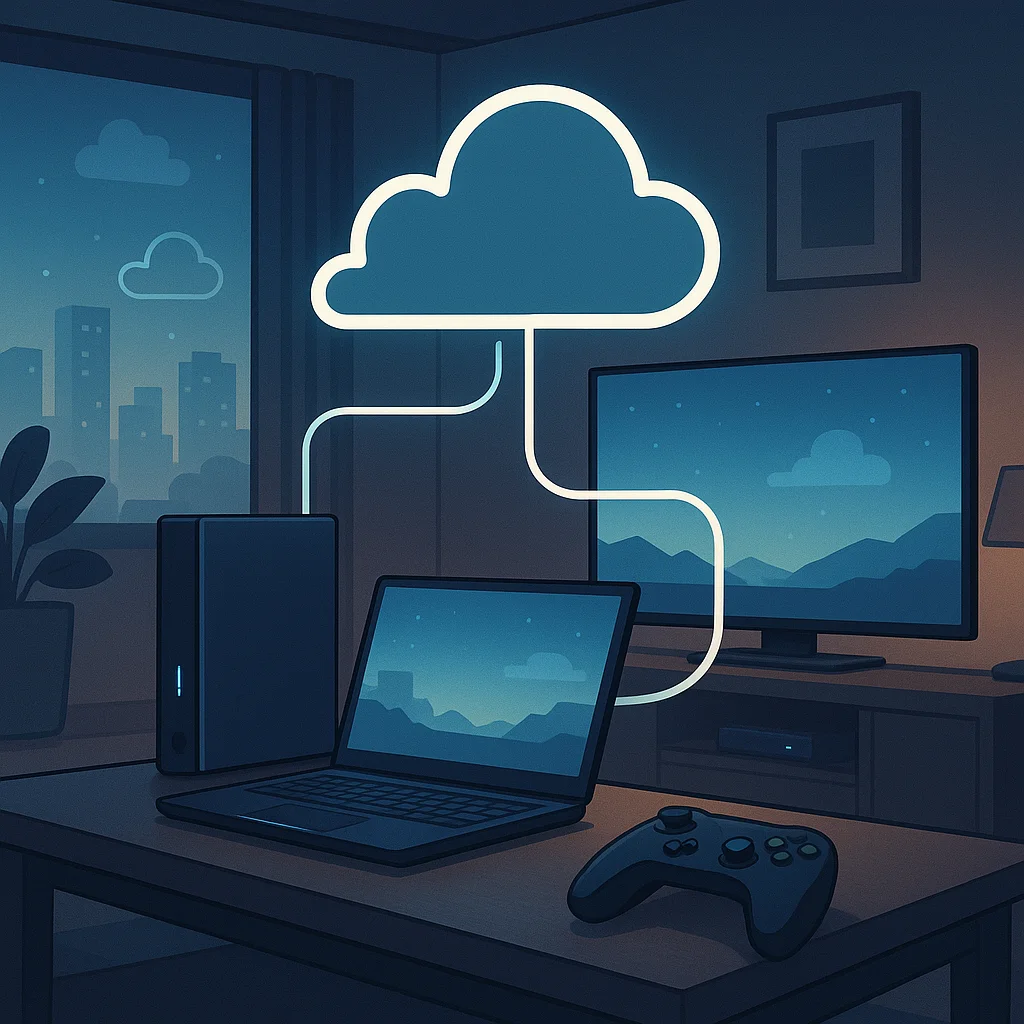

Morning light on a restless city: stepping into the cloud gaming realm
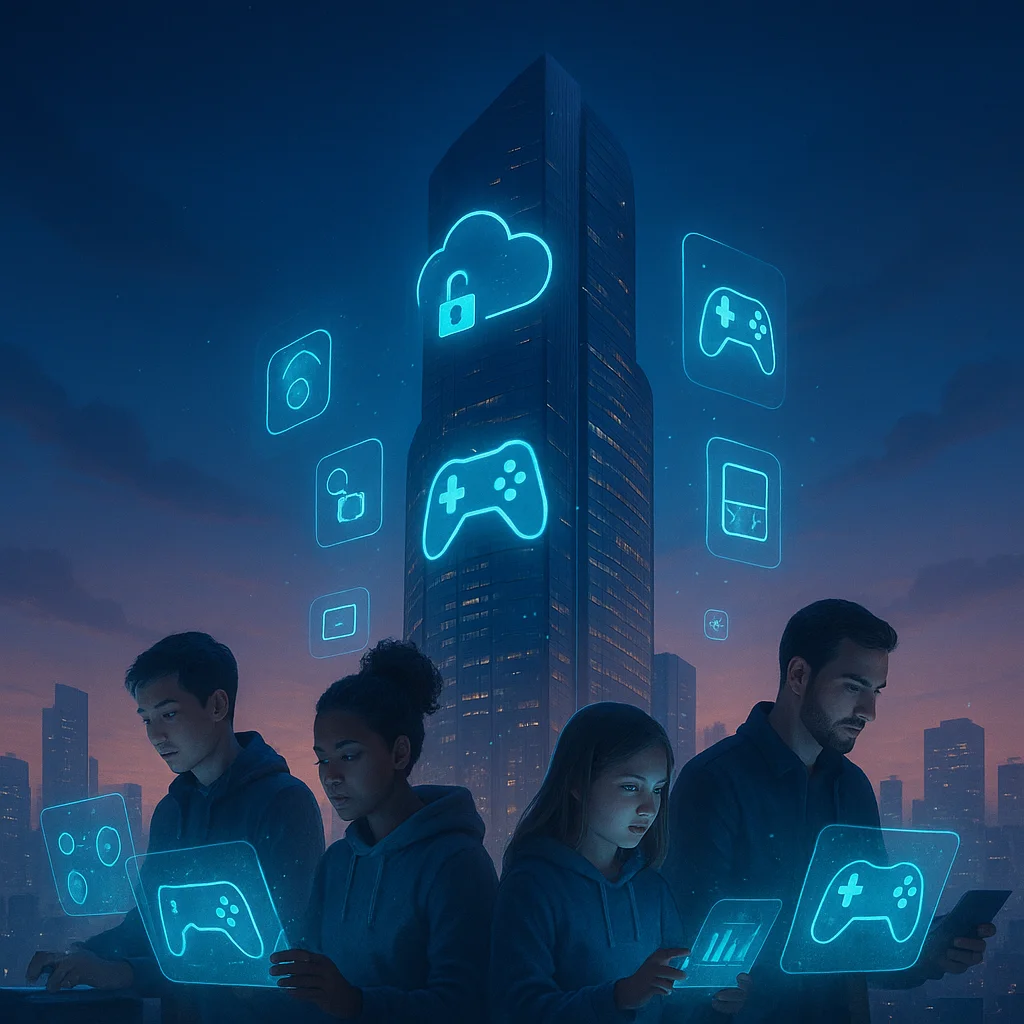
The sun rises, casting a pale glow on countless windows—each a portal to a world beyond. Some frame quiet offices, others cluttered bedrooms; a few reveal the faint flicker of a screen where a game is streaming, not from a console or a PC, but from the ether itself. Cloud gaming, once niche and experimental, now threads itself into the fabric of how millions play. Yet, for those just stepping through this new gateway, the horizon can feel dense and fogged—platforms proliferate, jargon clouds judgment, and the promise of seamless play teeters on the edge of reality and hype.
Consider this: according to Statista, the global cloud gaming market is projected to surpass $14 billion by 2028, a figure propelled by advances in streaming technology and the expanding appetite for gaming on-demand. But what does it mean for a beginner to truly grasp these platforms? How do you sift through the layers of technology and corporate ambition to find the right fit for your gaming desires? This guide aims to unravel those threads, painting a layered portrait of cloud gaming platforms as they stand today, with an eye on the subtle textures beneath the surface.
“Cloud gaming isn’t just about play; it’s about redefining access. It’s the difference between a locked door and an open garden.”
Origins of the cloud: tracing the steps to today’s streaming ecosystems
To understand cloud gaming’s present, one must look back to its roots—a lineage stretching to the early 2010s, when tech giants began experimenting with streaming interactive content. Early efforts, like OnLive and Gaikai, were pioneering but plagued by latency and infrastructure limits. Their struggles, however, laid the groundwork for a renaissance fuelled by improved broadband, 5G networks, and the relentless march of data centers.
Fast forward to the mid-2020s, and cloud gaming platforms have evolved into mature, competitive ecosystems. Microsoft’s Xbox Cloud Gaming, Nvidia’s GeForce Now, Sony’s PlayStation Now (rebranded as PlayStation Plus Streaming tiers), and Google Stadia’s legacy (which officially closed in early 2026) each tell a story of adaptation. Microsoft leveraged its Xbox ecosystem and Azure cloud infrastructure; Nvidia capitalized on its GPU expertise; Sony integrated cloud play with its console lineage. These developments were not isolated—partnerships with telecom providers and game studios have molded the offerings into more than mere streaming services but rather integrated gaming experiences.
Reflecting on this evolution reveals a pattern: early setbacks gave way to strategic alliances and technological breakthroughs, such as edge computing and AI-driven compression algorithms, which dramatically reduced lag and improved visual fidelity. The result is a landscape where gaming is untethered from hardware, democratizing access but also challenging traditional ownership models.
Core platforms dissected: features, performance, and user experience
By 2026, cloud gaming platforms have carved distinct identities. Here’s a breakdown of the most influential players, focusing on what matters most to a beginner: ease of use, library breadth, latency, device compatibility, and pricing.
- Xbox Cloud Gaming (part of Xbox Game Pass Ultimate): Microsoft's flagship service offers a vast library exceeding 400 games, including first-party exclusives. It streams from Azure data centers, known for robust infrastructure. Users report sub-30ms latency in well-served regions. Compatible with Windows PCs, Android and iOS devices via browser or app, and Xbox consoles, it balances high-quality streaming with accessibility. Its subscription model bundles access to games plus cloud play, a strong incentive for newcomers.
- Nvidia GeForce Now: Distinguished by its ability to stream games users already own on platforms like Steam, Epic Games Store, and Ubisoft Connect. This flexibility appeals to those with existing libraries. GeForce Now offers tiered plans: a free option with session limits, and paid tiers with RTX-enabled streaming and extended sessions. It supports Windows, macOS, Android, and select smart TVs and devices. The reliance on users’ own game libraries means it’s less a curated storefront and more a cloud-powered gaming extension.
- PlayStation Plus Cloud Streaming: Sony’s service integrates cloud play into its subscription tiers, offering a mix of classic and current titles. While traditionally console-centric, its streaming capabilities have expanded to PC and mobile browsers. The library leans heavily on PlayStation exclusives, making it attractive for fans of franchises like God of War or Horizon. Latency is competitive but can vary more due to regional server distribution.
- Amazon Luna: A newer entrant, Luna offers a channel-based subscription approach, allowing gamers to subscribe to different libraries (e.g., Ubisoft+, family games). Its integration with Twitch and smart home devices provides a unique social and ecosystem advantage. Luna streams at 4K UHD for high-end subscribers, though its footprint is currently more limited geographically.
- Latency and streaming quality: Across platforms, latency averages between 20-50ms in optimal conditions, but real-world experience varies based on user location and network stability.
- Subscription models: Ranging from all-you-can-play libraries to pay-per-channel or hybrid ownership models.
- Device compatibility: Near universal support for smartphones, tablets, and PCs, with smart TVs and consoles increasingly supported.
- Game ownership: Varies; some platforms require owning games on third-party stores, others offer full access via subscription.
“Choosing a cloud gaming platform is less about technology alone and more about aligning the service with your gaming habits and ecosystem preferences.”
2026 pulse: what’s new, improved, and emerging in cloud gaming
This year marks a pivotal moment. According to TechTimes, advances in 5G and fiber optic networks have shrunk latency to imperceptible margins in many urban centers, making cloud gaming not just viable but often preferable for casual and hardcore gamers alike.
Additionally, AI-driven upscaling and adaptive bitrate streaming have become near-standard, enhancing the visual fidelity without demanding prohibitively high bandwidth. Microsoft’s recent Azure upgrades, for instance, introduced edge AI nodes that pre-emptively adjust streaming quality based on predictive network analysis.
Meanwhile, the industry is seeing a consolidation trend. Google's Stadia shutdown early this year nudged players towards existing services, enriching those platforms’ libraries and user bases. Amazon Luna’s partnerships with telecoms in Europe and parts of Asia have expanded its footprint, while Sony’s PlayStation Plus revamped tiers have added cloud access to a majority of subscribers.
From a user perspective, mobile cloud gaming has surged, highlighted in WriteUpCafe’s piece on mobile-friendly online platforms. This shift reflects a broader democratization of play, where a subway ride or a quiet café corner becomes a stage for AAA titles.
Voices from the edge: expert insights and industry ripples
Industry veterans emphasize that cloud gaming is reshaping not just how games are played, but how they are developed and monetized. Sarah Kim, a game developer with a decade at Ubisoft, notes: “Cloud gaming pushes us to rethink optimization. Games must be lightweight yet rich, scalable across devices and network conditions.”
Analysts also highlight the environmental angle. Data centers powering cloud gaming consume massive energy, but evolving efficiency standards and green energy investments aim to mitigate the footprint. Nvidia’s recent report claims their GeForce Now data centers have achieved a 30% reduction in carbon emissions year-over-year, a hopeful sign for sustainable gaming futures.
MSN’s analysis of GeForce Now and Xbox Cloud Gaming underlines a critical point: the coming decade may see cloud gaming emerge as the industry’s backbone, shifting paradigms from hardware cycles to service subscriptions.
- Developers gain immediate access to analytics and player behavior, influencing real-time game updates.
- Publishers experiment with new monetization, including episodic content and microtransactions tailored per region.
- Gamers benefit from instant access and cross-device continuity, blurring platform boundaries.
“The cloud is not just a server; it’s becoming a canvas for creativity, commerce, and connection.”
Looking beyond the horizon: what beginners should watch for
For those standing on the threshold, the future promises both opportunity and complexity. Understanding this landscape requires attention to several key factors:
- Network infrastructure improvements: As 6G research progresses and edge computing spreads, expect latency to fall further, unlocking more immersive experiences.
- Platform interoperability: Cross-play and cross-save are growing norms; future platforms may unify libraries across ecosystems, simplifying access.
- Ownership vs. subscription balance: Legal frameworks and consumer demand may steer platforms toward hybrid models, offering flexibility without sacrificing control.
- Content diversification: Beyond traditional games, expect a rise in cloud-powered VR/AR experiences and social gaming hubs.
To begin well, readers can consult WriteUpCafe’s guide on how to get started with cloud gaming platforms, which provides practical steps from selecting devices to managing subscriptions and optimizing connections.
Ultimately, cloud gaming invites us into a new rhythm of play—one less bound by hardware rigidity and more by the fluidity of networks and imagination. For beginners, the journey starts with a single stream, unfolding into a vast, interconnected playground.






















Sign in to leave a comment.