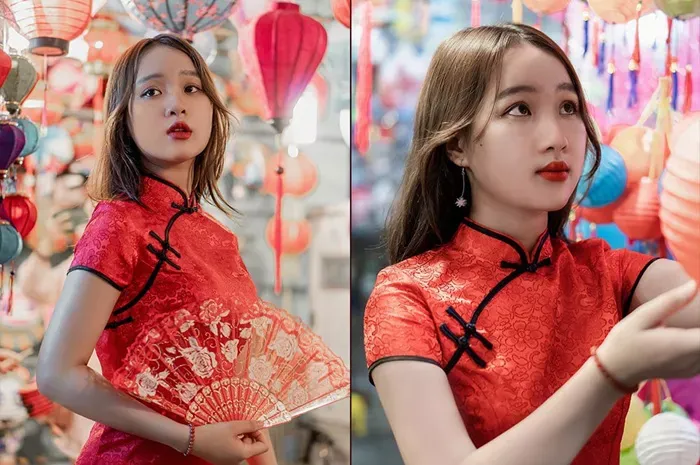

The qipao, also known as the cheongsam, is a traditional Chinese dress that is admired for its elegance and cultural significance. It is a garment that combines beauty, style, and history in one. The qipao is not just clothing; it is a representation of Chinese heritage and femininity.
The qipao first emerged in China during the Qing Dynasty, and over time, it has evolved to reflect changing fashion trends and cultural values. Today, it is celebrated both in China and internationally as a symbol of Chinese elegance and craftsmanship.
The History of Qipao
Origins in the Qing Dynasty
The qipao originated in the Qing Dynasty (1644–1912), a period when the Manchu people ruled China. The original qipao was a loose-fitting garment that reached the knees or lower. It had a high collar and wide sleeves, reflecting the modesty and style of the era. At this stage, the qipao was designed for comfort rather than fashion.
Evolution in the 20th Century
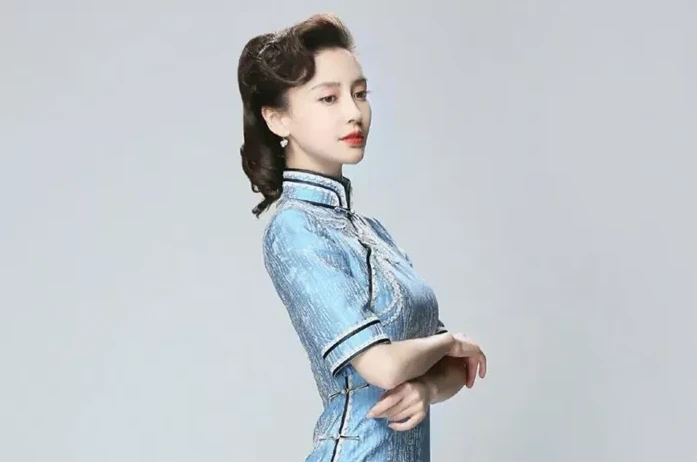
During the 1920s and 1930s, the qipao underwent significant changes, especially in Shanghai, which was then the center of Chinese fashion. Women began to wear qipaos that were more form-fitting, highlighting their figures. This period marked the qipao’s transformation into a modern symbol of style and elegance. Silk fabrics, intricate embroidery, and bright colors became popular.
Qipao During Cultural Changes
In the mid-20th century, the qipao’s popularity fluctuated due to political and social changes in China. However, it remained an important part of Chinese culture and traditional events. In recent decades, the qipao has experienced a revival, with designers creating new versions that blend modern trends with traditional craftsmanship.
Design Features That Make Qipao Unique
High Collar
One of the most distinguishing features of the qipao is its high collar. This collar is often stiffened to maintain shape and gives the dress an air of refinement. The collar is not only decorative but also represents modesty and elegance in traditional Chinese culture.
Form-Fitting Silhouette
The modern qipao is known for its form-fitting design. It gently hugs the wearer’s body, creating a graceful and feminine silhouette. This aspect of the qipao highlights the wearer’s figure while maintaining a sense of sophistication.
Side Slits
Another special design element is the side slit, which can vary in length. Side slits make movement easier and add a subtle touch of allure. The placement and height of the slit are carefully considered to balance elegance and practicality.
Fabric and Embroidery
The qipao is traditionally made from luxurious fabrics such as silk, satin, and brocade. These materials allow for intricate embroidery, which often includes floral patterns, dragons, or phoenixes. Each embroidery design carries its own meaning, symbolizing luck, prosperity, and beauty. The fabric and embroidery are key elements that make every qipao unique.
Cultural Significance of Qipao
Symbol of Femininity
The qipao has long been associated with femininity and grace. Its design emphasizes elegance and charm, making it a garment that celebrates the beauty of women. In Chinese culture, wearing a qipao can convey respect for tradition and personal style.
Representation of Chinese Heritage
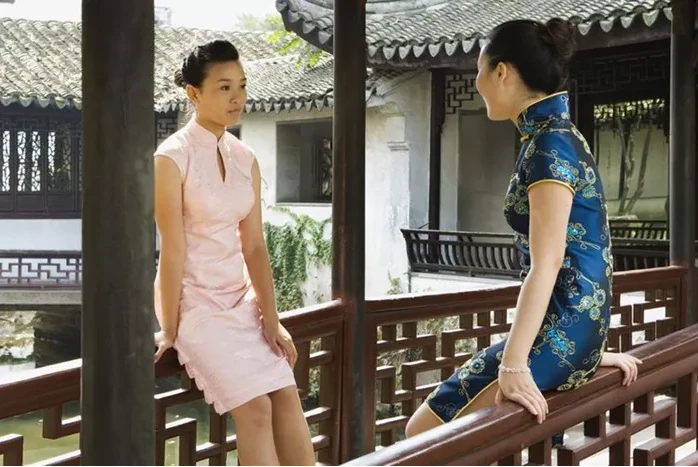
The qipao is more than a dress; it is a symbol of Chinese heritage. Wearing a qipao during festivals, weddings, or cultural events shows respect for Chinese traditions. It connects modern wearers to centuries of history, making it an enduring cultural icon.
Qipao in Modern Fashion
Today, the qipao is not only worn for traditional purposes but also appears in contemporary fashion. Designers blend qipao elements with modern trends, creating innovative styles that appeal to a global audience. This blend keeps the tradition alive while making it relevant for today’s fashion-conscious individuals.
Types of Qipao
Traditional Qipao
The traditional qipao usually has a loose fit, long sleeves, and minimal slits. It is often worn during formal ceremonies and traditional events. This type preserves the historical essence of the garment and emphasizes modesty and cultural values.
Modern Qipao
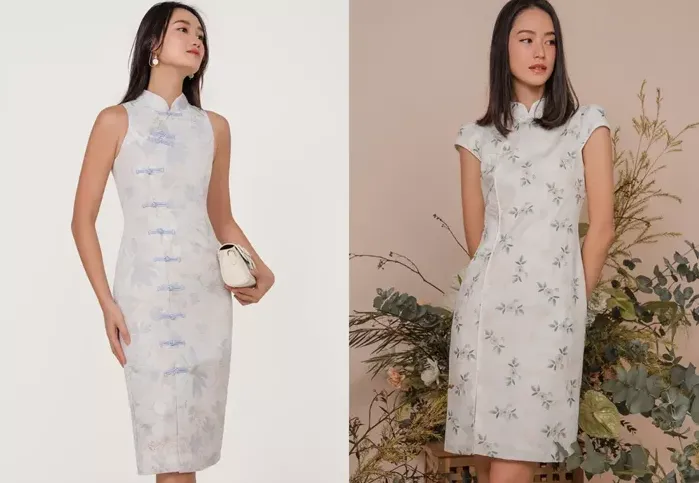
The modern qipao is designed with a slim fit, shorter sleeves, and higher slits. It can be worn for parties, fashion events, or even casual occasions. Modern qipaos use a variety of fabrics, including lace, velvet, and satin, and often feature contemporary embroidery or patterns.
Wedding Qipao
For Chinese weddings, a special red qipao is often chosen, symbolizing happiness and good fortune. Wedding qipaos may feature gold embroidery, phoenix motifs, or other auspicious symbols. They are highly decorative and designed to honor tradition while making the bride stand out.
Casual Qipao
Casual qipaos are lighter and easier to wear for everyday occasions. They often use breathable fabrics like cotton or linen and may have shorter lengths or simplified designs. Casual qipaos bring traditional fashion into daily life, making it accessible to a wider audience.
Qipao Accessories
Frog Buttons
Frog buttons, also called pankou buttons, are commonly used in qipao design. They are decorative and functional, serving as a closure while adding intricate detail. Frog buttons often feature knots or braided designs that reflect Chinese craftsmanship.
Jewelry and Hair Accessories
When wearing a qipao, traditional jewelry and hairpieces are often paired with the dress. Jade bracelets, gold earrings, and floral hairpins complement the outfit. These accessories enhance the elegance and cultural authenticity of the qipao.
Occasions to Wear Qipao
Festivals and Cultural Events
The qipao is often worn during Chinese festivals such as the Lunar New Year or the Mid-Autumn Festival. Wearing a qipao during these occasions honors tradition and adds a festive atmosphere. It is also a way to showcase cultural pride.
Weddings and Ceremonies
Weddings are one of the most popular occasions for wearing a qipao. Brides may wear a red qipao, while guests may choose more subtle colors. Ceremonial qipaos demonstrate respect for Chinese customs and create memorable visual impact.
Fashion and Red Carpet Events
Modern designers have brought the qipao onto international runways and red carpets. Celebrities often wear contemporary qipaos for global events, highlighting the dress’s versatility and timeless elegance. Fashion-forward individuals appreciate the qipao for its classic yet modern appeal.
Global Influence of Qipao
Western Adaptations
The qipao has influenced Western fashion, inspiring dresses that borrow its high collar, side slits, and fitted design. Designers around the world recognize its unique silhouette and incorporate elements into evening gowns and formal attire.
Qipao in Popular Media
Movies, television shows, and fashion magazines have contributed to the global popularity of the qipao. Characters in films often wear qipaos to signify elegance, tradition, or cultural identity. This exposure has helped the qipao reach an international audience.
Preservation of Craftsmanship
Qipao craftsmanship is highly valued worldwide. Tailors and designers continue to preserve traditional sewing techniques and embroidery skills. This ensures that each qipao remains a work of art, combining history, culture, and fashion.
Qipao and Modern Trends
Fusion with Contemporary Styles
Many designers now blend traditional qipao features with modern clothing styles. This fusion allows for more casual, versatile, and innovative garments. It makes the qipao accessible to younger generations while maintaining its cultural roots.
Global Fashion Week Presence
Qipaos have become prominent in fashion weeks around the world, from Paris to New York. Designers showcase their interpretations of the qipao, emphasizing its elegance and adaptability. This global recognition reinforces the dress’s status as a timeless fashion icon.
Sustainability in Qipao Design
With the growing focus on sustainable fashion, some qipao designers are using eco-friendly fabrics and ethical production methods. Sustainable qipaos combine traditional craftsmanship with modern environmental awareness, making them meaningful garments for today’s conscious consumer.
Conclusion
The qipao is special because it is not just a piece of clothing; it is a cultural symbol, a work of art, and a representation of Chinese heritage. Its distinctive design, luxurious fabrics, and meaningful embroidery make it stand out among traditional garments. Over centuries, it has evolved while maintaining its essence of elegance and femininity. Whether worn for traditional ceremonies, modern fashion events, or casual occasions, the qipao continues to captivate people worldwide. Its timeless beauty and cultural significance ensure that the qipao will remain a treasured garment for generations to come.














Sign in to leave a comment.