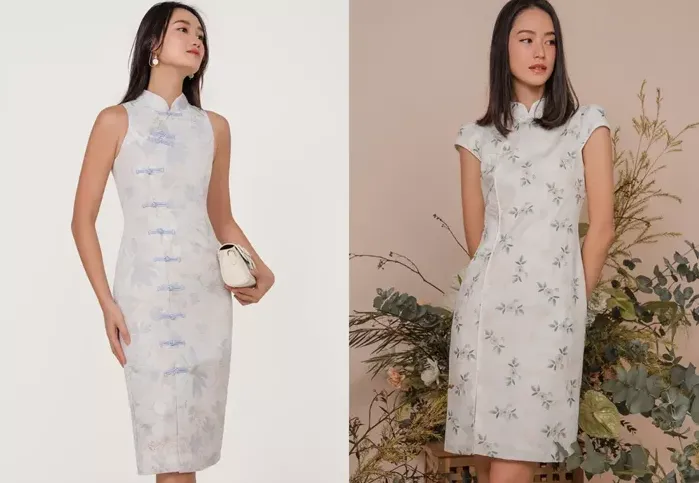

The qipao, also known as the cheongsam in Cantonese, is one of the most recognizable garments in Chinese culture. It is elegant, structured, and deeply symbolic. While the dress originated in mainland China, Hong Kong played a critical role in shaping the modern qipao that the world recognizes today.
Hong Kong was once the tailoring capital of the Chinese-speaking world. During the 1950s and 1960s, the city became famous for its expert qipao tailors. These artisans refined the design and created a fitted silhouette that balanced tradition with modern fashion. The result was a garment that felt both Chinese and international.
This article explores the history, craftsmanship, fashion influence, and modern revival of the qipao in Hong Kong. It explains why the city became a global center for this iconic garment and how the tradition continues today.
The Origins of the Qipao

From Manchu Robe to Modern Dress
The story of the qipao begins in the Qing Dynasty (1644–1912). The original garment was a loose robe worn by Manchu women. It was called the changpao or qipao, meaning “banner robe,” referring to the Manchu banner system.
The early version looked very different from the modern dress. It was wide and straight. It covered the entire body. It did not emphasize the figure. The robe often had wide sleeves and a high collar.
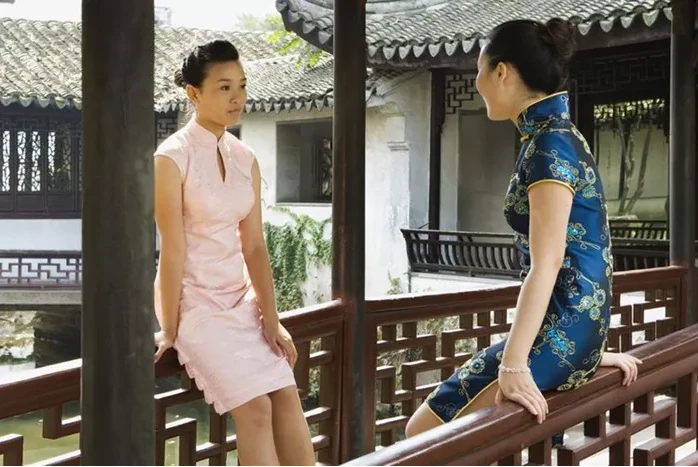
After the fall of the Qing Dynasty in 1912, Chinese society began to modernize rapidly. Women in cities like Shanghai started to redesign the qipao. They shortened the sleeves, narrowed the waist, and added side slits for easier movement.
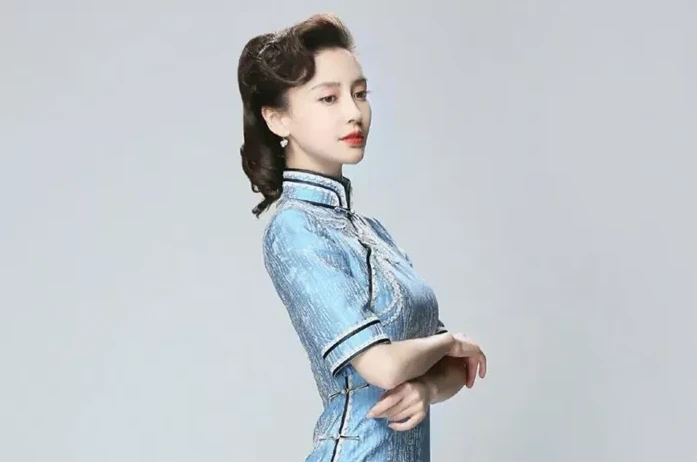
By the 1930s, the modern qipao had appeared. It became a symbol of urban sophistication and female independence. Shanghai was the fashion capital of China at that time, and many famous actresses and socialites wore qipao in magazines and films.
The Migration of Tailors to Hong Kong
In the late 1940s, political changes in mainland China caused many skilled tailors to move south. Hong Kong became their new home. These craftsmen brought with them the advanced tailoring techniques developed in Shanghai.
The city quickly became a center of qipao production. Many tailors opened small shops in districts like Central, Sheung Wan, and Sham Shui Po. Their reputation spread across Asia.
During this period, Hong Kong tailors refined the garment even further. They improved the fit and structure. They used high-quality fabrics imported from Europe and Japan. Their work combined Chinese tradition with international craftsmanship.
Hong Kong’s Golden Age of Qipao
The 1950s and 1960s Fashion Scene
The 1950s and 1960s were the golden age of the qipao in Hong Kong. During this time, the dress was everyday wear for many women.
Office workers wore simple cotton qipao during the day. Socialites wore silk versions at evening events. Students sometimes wore modest versions to school.
The city was full of tailoring shops. Some historians estimate that thousands of qipao tailors worked in Hong Kong during the 1960s.
Each dress was custom made. Customers visited the shop several times for fittings. The tailor measured every part of the body to achieve a perfect silhouette.
Influence of Cinema and Popular Culture
Hong Kong cinema played an important role in popularizing the qipao. Actresses wore elegant cheongsam dresses in films, making the garment appear glamorous and modern.
Film stars such as Maggie Cheung later revived global interest in the qipao through movies like In the Mood for Love. Her character wore many different qipao designs throughout the film. Each dress reflected emotion, mood, and time.
The visual impact of the qipao in cinema made it an international symbol of Asian elegance.
The Craftsmanship Behind a Hong Kong Qipao

Handmade Tailoring Techniques
Traditional qipao tailoring is a highly skilled craft. It requires years of training. Many Hong Kong tailors learned through apprenticeships that lasted up to ten years.
The process begins with measuring the client carefully. A typical qipao requires more than twenty measurements.
After measuring, the tailor creates a paper pattern. This pattern determines how the fabric will fit the body.
The garment is then cut and hand-sewn. Many parts are stitched by hand rather than machine. Hand sewing allows the fabric to curve naturally along the body.
Several fittings follow before the dress is finished.
The Importance of the Mandarin Collar
The mandarin collar is one of the most recognizable features of a qipao. It stands upright and frames the neck elegantly.
A well-made collar should sit comfortably without pressing too tightly. The height and curve must match the shape of the wearer’s neck.
Experienced tailors often spend extra time perfecting this detail because it defines the overall elegance of the dress.
Handmade Frog Buttons
The decorative buttons on a qipao are called frog closures or pankou. These are handmade knots created from silk cord.
The designs can be simple loops or elaborate shapes like flowers and butterflies. In traditional tailoring, each button is carefully sewn by hand.
These closures serve both functional and decorative purposes. They also reflect Chinese knotting traditions.
Fabric Choices
Fabric selection is very important in qipao design. Different fabrics create different effects.
Common materials include:
- Silk – elegant and smooth, often used for formal qipao.
- Brocade – thick fabric with woven patterns, popular for weddings.
- Cotton – comfortable for daily wear.
- Lace – used in modern designs.
During the mid-20th century, Hong Kong imported many luxurious fabrics from Europe. This helped the city’s qipao develop a unique style that mixed East and West.
Qipao Tailors of Hong Kong
Traditional Tailoring Shops
Several famous tailoring shops helped define Hong Kong’s qipao culture. These family businesses often passed their skills from one generation to the next.
One well-known example is Linva Tailor. Established in the 1960s, it gained international attention after the film In the Mood for Love. The shop created many costumes for the movie.
Another respected shop is Yan Shang Kee, known for preserving traditional techniques.
These shops represent a disappearing craft. Many master tailors are now elderly, and fewer young people are entering the profession.
Training the Next Generation
Recognizing the importance of preserving the craft, cultural organizations in Hong Kong have started training programs. Museums and heritage groups now offer workshops to teach qipao making.
Some fashion schools also include cheongsam construction in their curriculum. These programs aim to ensure that traditional knowledge will not disappear.
The Qipao as a Cultural Symbol

Identity and Elegance
The qipao represents more than fashion. It is a symbol of Chinese identity, femininity, and elegance.
In Hong Kong, the garment reflects the city’s unique history. It shows the blend of Chinese tradition and international influence.
Many women wear qipao during cultural celebrations such as Lunar New Year, weddings, and festivals.
The Qipao in Weddings
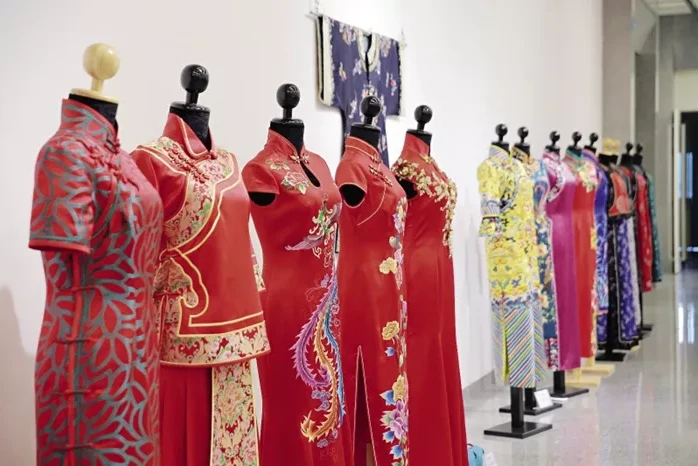
The qipao remains an important wedding garment. Many brides wear a red embroidered qipao during the tea ceremony.
Red symbolizes happiness and prosperity in Chinese culture. Gold embroidery often includes dragons, phoenixes, and floral patterns.
Some modern brides choose fitted lace qipao or contemporary designs for their wedding celebrations.
Modern Revival of the Qipao
Interest from Young Generations
In recent years, young people in Hong Kong have rediscovered the qipao. Cultural pride and nostalgia have helped revive interest in traditional clothing.
Many young women wear qipao for photoshoots, cultural festivals, and graduation portraits.
Social media platforms have also contributed to the revival. Influencers and fashion bloggers share modern styling ideas for the qipao.
Modern Designers Reinterpreting the Dress
Contemporary designers in Hong Kong and China are creating new versions of the qipao.
Some designers experiment with new fabrics such as denim or velvet. Others shorten the length or combine the qipao with Western silhouettes.
Despite these changes, key elements usually remain: the high collar, the diagonal closure, and the fitted shape.
Qipao on the Global Fashion Stage
The qipao has also influenced global fashion designers. International brands sometimes incorporate mandarin collars, side slits, and silk brocade patterns into their collections.
Fashion exhibitions around the world have showcased historic qipao garments. Museums recognize the dress as an important piece of fashion history.
Hong Kong continues to play a role in this global conversation because of its long connection with tailoring and fashion.
Museums and Cultural Preservation
The Hong Kong Heritage Museum
The Hong Kong Heritage Museum has hosted exhibitions about the history of the cheongsam. These exhibitions display vintage garments and explain the tailoring process.
Visitors can see how the dress evolved from a loose robe into a fitted modern garment.
The Hong Kong Museum of History
Another important institution is the Hong Kong Museum of History. It includes displays about everyday life in the mid-20th century, including clothing.
These exhibitions help younger generations understand how important the qipao once was in daily life.
Conclusion
The story of the qipao in Hong Kong is a story of migration, craftsmanship, and cultural transformation. Tailors who moved from Shanghai brought their skills and adapted them to a new environment. Over time, they created a refined and elegant version of the dress that became famous around the world.
During the mid-20th century, the qipao was everyday fashion in the city. Later, it became a cultural symbol preserved through film, museums, and traditional tailoring shops.
Today, the qipao is experiencing a modern revival. Young designers reinterpret the dress while respecting its heritage. Cultural institutions protect the techniques that make the garment special.
Hong Kong remains one of the most important places in the world for understanding the history and evolution of the qipao.
FAQs
Why is the qipao called cheongsam in Hong Kong?
The word cheongsam comes from Cantonese pronunciation. In Mandarin the dress is called qipao. Both names refer to the same garment, but Hong Kong uses the Cantonese term because Cantonese is the dominant language in the city.
Is the qipao originally from Hong Kong?
No. The qipao originated in northern China during the Qing Dynasty. However, Hong Kong played a major role in shaping the modern fitted design and preserving the tailoring tradition.
Why did qipao tailoring become famous in Hong Kong?
Many skilled Shanghai tailors moved to Hong Kong in the late 1940s. They brought advanced techniques and opened tailoring shops. Their craftsmanship made Hong Kong one of the most important centers for qipao production.
Can people still get a handmade qipao in Hong Kong today?
Yes. Several traditional tailoring shops in Hong Kong still make custom qipao by hand. These garments are usually made to measure and require multiple fittings to achieve a perfect fit.


















Sign in to leave a comment.