

Human resources teams often sit at the center of a difficult responsibility. They need to review employee medical notes, confirm whether documentation meets workplace standards, and apply policies fairly without crossing privacy boundaries. That balance has become more complex as employees increasingly submit an online doctor’s note for work instead of paperwork from an in-person visit.
Here’s what HR professionals need to understand to verify medical notes effectively while maintaining compliance, consistency, and employee trust.
Verification Starts With Policy, Not Suspicion
The strongest verification process begins long before a note is submitted. HR teams should have clear written standards explaining when medical documentation is required, what information is acceptable, and who is authorized to review it. Without that structure, managers may make inconsistent decisions or ask employees for information they should not be requesting.
This matters because verification should be grounded in policy rather than personal doubt. A note does not need to satisfy curiosity. It needs to meet documented workplace requirements. When HR professionals start from policy, they are better equipped to treat all employees fairly and reduce unnecessary disputes.
Know What a Medical Note Should and Should Not Include
A valid medical note generally confirms that an employee had a medical reason for absence, identifies any work restrictions if relevant, and may indicate a return-to-work date. In most routine situations, it does not need to reveal detailed diagnoses, medications, or unrelated health history.
That distinction is important when reviewing an online real doctor’s note or any other type of documentation. HR should focus on whether the note supports the business need for verification, not whether it provides personal details. Asking for too much can create privacy risks and expose the organization to avoidable problems.
Online Documentation Requires a Modern Review Process
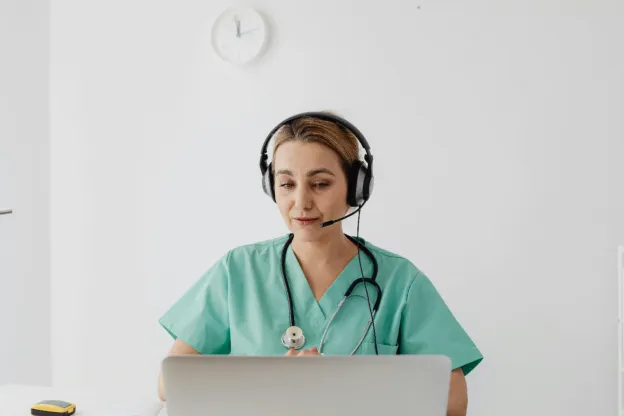
Remote care has changed how employees access healthcare. Someone recovering at home may use an online Dr’s note for work service because it is faster, more convenient, or easier to access than an office visit. HR teams that automatically reject digital documentation may create unnecessary friction, especially when legitimate telehealth options are used.
Instead of dismissing online notes outright, HR should evaluate whether the documentation appears professionally issued, signed by a licensed provider, and supported by a verifiable practice. A digital format alone does not make a note suspicious. What matters is the credibility of the provider and whether the note meets company policy.
Verification Does Not Mean Overreaching
One of the biggest mistakes organizations make is turning verification into interrogation. HR may contact the provider to confirm authenticity if policy allows, but that is different from requesting medical details beyond the scope of the note. Verification should answer a narrow question: is the document real and appropriately issued?
This is especially important in a time when some employees may rely on fast-turnaround services for routine absences. HR can verify legitimacy without pressuring employees to disclose more than necessary. A respectful process protects privacy and also makes employees more likely to cooperate when documentation is requested.
More Formal Leave Requires More Structured Review
Routine absence notes are only one part of the picture. Requests involving accommodations or protected leave require a more structured review process. When an employee works with an FMLA doctor, for example, the paperwork may involve frequency of leave, ongoing treatment, or work limitations that require careful handling by HR.
These situations call for consistency, documentation, and close attention to timelines. HR professionals should know which forms are required, when clarification can be requested, and how to keep records organized. Formal leave matters should not be handled casually, because errors can affect both employee rights and employer obligations.
Consistency Builds Trust and Reduces Risk
Employees notice when standards shift from one case to another. If one manager accepts a telehealth note and another rejects it without explanation, trust erodes quickly. Inconsistent handling can also increase legal and operational risk for the employer.
That is why training matters. Supervisors should understand when to refer documentation to HR, what they are allowed to ask, and how to avoid decisions based on assumptions. A consistent process helps ensure that an online doctor’s note for work is reviewed by the same standards as documentation from any other legitimate provider.
Handle Medical Records Like Sensitive Business Documents
Medical notes should never be treated as casual paperwork. They must be stored securely, shared only with authorized personnel, and discussed only when necessary. Even well-meaning managers can create problems by mentioning an employee’s absence too freely.
Strong handling practices protect both the employee and the organization. HR professionals who approach verification with restraint, consistency, and respect can support attendance policies without undermining confidentiality.
Practical Verification Requires Judgment, Not Guesswork
The best HR review process is practical, not adversarial. It recognizes that legitimate medical documentation may come from clinics, telehealth providers, or specialized services, and that the real task is to assess whether the note is authentic, appropriate, and policy-compliant.
When organizations set clear expectations and apply them carefully, verification becomes far more manageable for everyone involved.
Reliable Medical Documentation Made Simple with My Dr’s Note
For organizations and employees alike, reliable documentation matters. My Dr’s Note helps meet that need by providing a secure process backed by board-certified physicians. Whether someone needs a real doctor’s note for work, a doctor’s note for school, or support connected to FMLA certification, the service is designed for convenience and professional review.
In a market where some people may be tempted to buy doctor’s notes online, My Dr’s Note stands out by focusing on legitimate medical evaluation and verifiable documentation. That approach helps patients access paperwork while giving employers confidence in records submitted for work, school, and leave needs.
Start your request today with My Dr’s Note and ensure fast, verifiable medical documentation that meets workplace requirements with confidence and ease.
About the Author
The author is an expert specializing in workplace communication, leave documentation, and HR processes. She focuses on practical content that helps employers and employees navigate medical paperwork, privacy expectations, and documentation standards with clarity, fairness, and confidence.













Sign in to leave a comment.