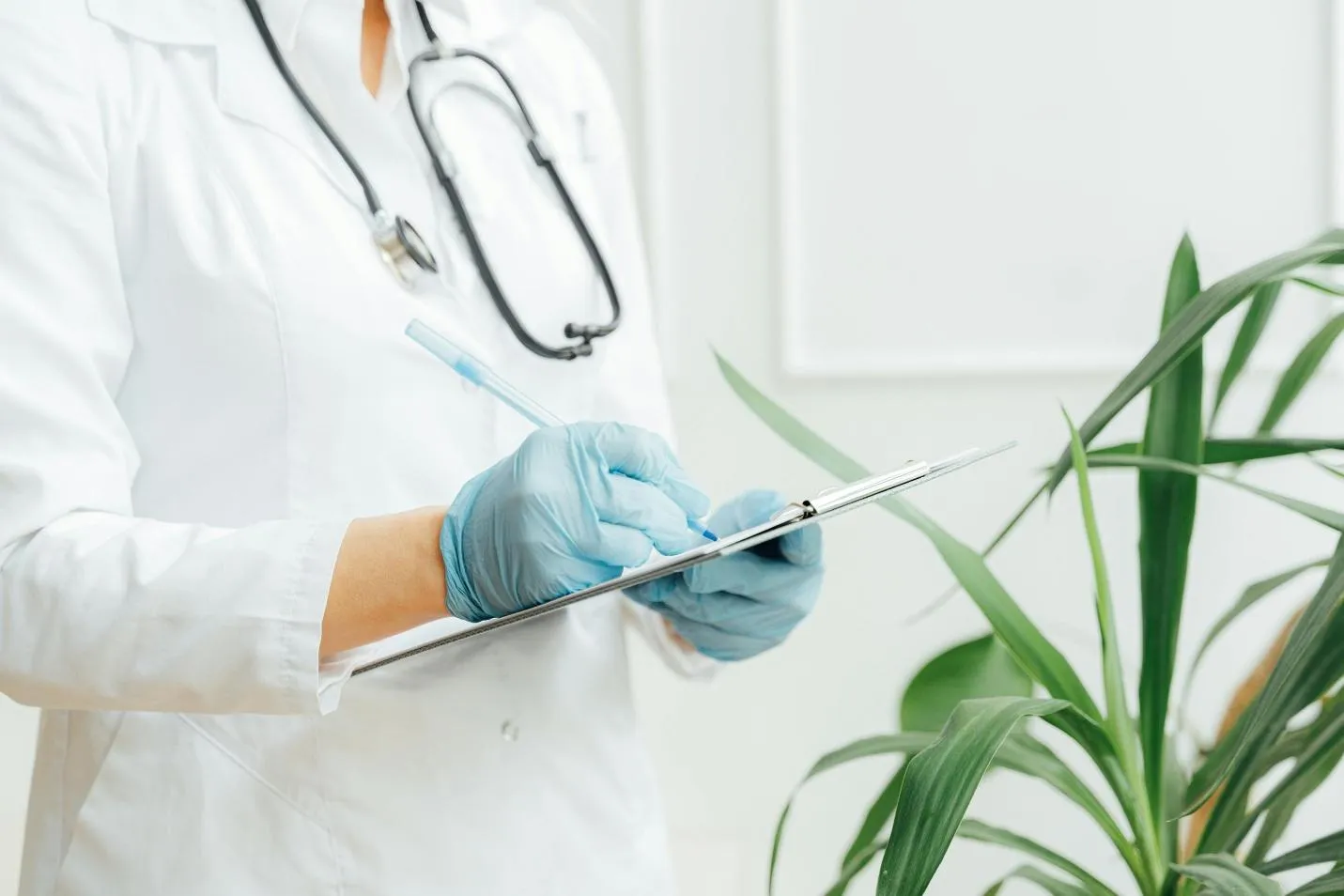

Medical notes seem simple on the surface, but they often sit at the center of a difficult balance. Employees want to protect personal health information, while employers want enough documentation to manage attendance, safety, and leave policies fairly. That tension becomes even more noticeable as more workers seek an online doctor’s note for work instead of visiting an office in person.
Convenience has improved access, but it has also raised more questions about what information should be shared, who gets to see it, and where legal boundaries begin.
What Employers Are Usually Allowed to Ask For
In most routine situations, employers can ask for confirmation that an employee had a legitimate medical reason to miss work. They may also ask when the employee can safely return and whether any work restrictions apply. What they generally do not need is a full explanation of diagnosis, treatment history, or unrelated personal medical details.
This distinction matters because some workers feel pressure to disclose more than necessary. A note should usually confirm the need for absence without opening the door to private health information that has no workplace purpose. Understanding that limit helps employees protect their privacy while still meeting policy requirements.
Why Employees Often Overshare Without Realizing It
Many employees think providing extra information will make their request seem more believable. In reality, oversharing can create discomfort and confusion. A manager may receive details they should not be handling, and the employee may later regret revealing sensitive information.
This can happen with in-person visits, but it can also happen when someone tries to get a doctor’s note online for work and fills out forms too casually. A digital process may feel informal, yet the information entered still becomes part of a medical interaction. Employees should be thoughtful, accurate, and selective about what they provide, sticking to facts that are necessary for evaluation and documentation.
The Rise of Digital Notes and New Privacy Questions
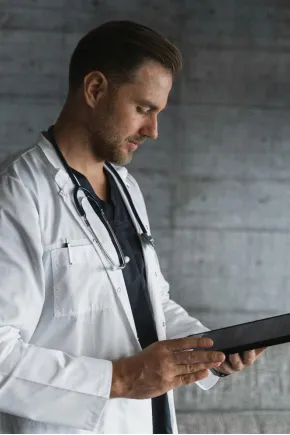
Telehealth and remote care have made documentation easier to access. A person recovering at home may now request an online doctor’s excuse for work without arranging transportation, missing more time, or sitting in a waiting room. That convenience can be especially helpful for mild illnesses, short-term conditions, or situations where speed matters.
Still, digital access introduces new concerns. Employees may wonder whether their records are secure, whether the note can be verified without exposing medical details, and whether employers will accept online documentation. Reputable providers address these concerns by using secure systems, limiting unnecessary disclosures, and issuing notes that confirm work-related facts without sharing private medical history.
Legal Boundaries Depend on the Situation
Not every medical note serves the same purpose. A short absence for a mild illness is different from a request for accommodations or protected leave. As the purpose becomes more formal, the documentation may require more detail, but even then, the employer’s right to know is not unlimited.
For example, fitness-for-duty notes may confirm whether someone can return safely, while leave paperwork may require information tied to eligibility standards. The key point is relevance. Employers are generally entitled to information connected to attendance, safety, and legal compliance, not a broad view into an employee’s private health life.
Managers Should Handle Notes With Care

Privacy is not protected by policy alone. It also depends on how managers behave once a note is submitted. A doctor’s note should not become workplace gossip or be discussed casually with coworkers. It should be reviewed only by those who genuinely need to know, such as human resources or authorized supervisors handling leave or scheduling.
This is important whether the documentation came from a clinic visit or an online sick note for work service. The format does not change the responsibility to treat health-related records with care. Employers who handle medical notes respectfully help build trust and reduce the fear employees often feel when they need time away.
Clear Policies Help Everyone Avoid Problems
Conflicts often happen because expectations are unclear. Employees may not know when a note is required, what it should include, or where it should be submitted. Supervisors may respond inconsistently, asking one worker for details while accepting less from another. That inconsistency can quickly turn into frustration or claims of unfair treatment.
Strong workplace policies solve much of this. A good policy explains when medical documentation is required, what information is appropriate, how records are stored, and who may review them. It should also reflect modern realities, including legitimate telehealth documentation for employees who choose to get a doctor’s note online for work through a qualified provider.
Respect, Restraint, and Documentation
The best approach is built on balance. Employees should provide truthful, relevant documentation. Employers should ask only for what is necessary and protect what they receive. When both sides understand the boundaries, medical notes can serve their purpose without forcing people to surrender more privacy than the situation requires.
As workplace policies continue to evolve, the goal should remain the same: support legitimate absence management while respecting the dignity and confidentiality of every employee.
Get Fast, Secure Medical Documentation with My Dr’s Note

When employees need documentation quickly, privacy and professionalism should still come first. My Dr’s Note makes that possible by offering secure, convenient access to a real doctor’s note for work through board-certified physicians. Their services are designed to provide timely support without unnecessary hassle, whether someone needs a doctor’s note online for work, a doctor’s note for school, or documentation related to FMLA certification.
By combining accessibility, verification, and a streamlined process, My Dr’s Note helps patients get the records they need while protecting sensitive information. It is a practical solution for modern workers, students, and families who value both convenience and confidentiality.
Get secure, reliable online dDr’s note for work today and take the stress out of getting the notes you need — quickly, professionally, and confidentially.
About the Author
The author is a writer focused on workplace communication, employee rights, and medical documentation. She specializes in practical, reader-friendly guidance that helps people navigate professional expectations, privacy concerns, and health-related paperwork with clarity and confidence.













Sign in to leave a comment.