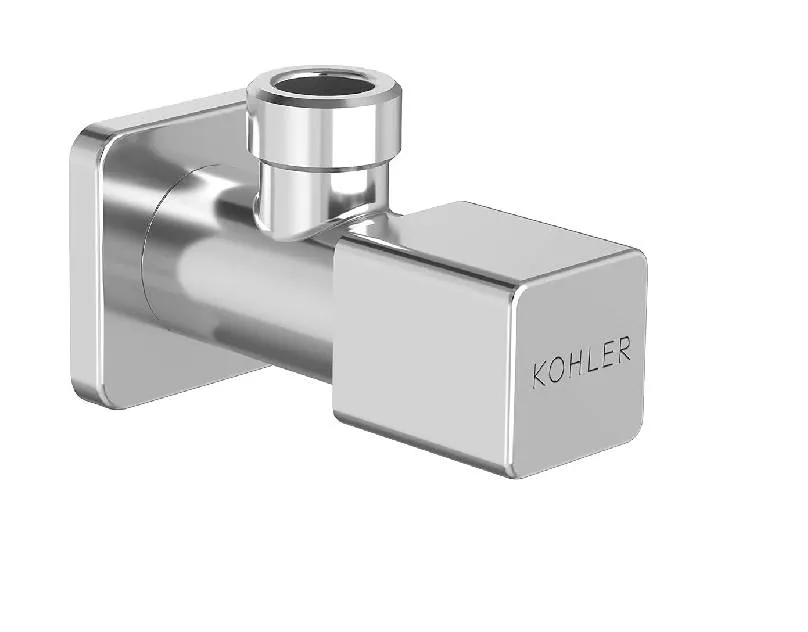

In modern plumbing infrastructure, durability and efficiency are critical factors that influence long-term performance. Two commonly discussed elements in this context are water pipe corrosion and the use of a CP brass angle valve. Understanding how these components interact is essential for homeowners, contractors, and facility managers aiming to maintain reliable and long-lasting water systems.
What Is Water Pipe Corrosion?
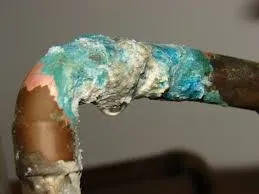
Water pipe corrosion refers to the gradual degradation of metal pipes due to chemical or electrochemical reactions with water and environmental elements. Over time, corrosion can weaken pipes, reduce water quality, and lead to leaks or system failures. Several factors contribute to water pipe corrosion, including:
- Water chemistry (pH level, oxygen content, and dissolved salts)
- Type of piping material (steel, copper, or iron)
- Temperature and pressure variations
- Presence of dissimilar metals within the system
One of the most common mechanisms behind corrosion is Galvanic corrosion, which occurs when two different metals come into contact in the presence of water, accelerating the deterioration of one of them.
Role of CP Brass Angle Valve in Plumbing Systems
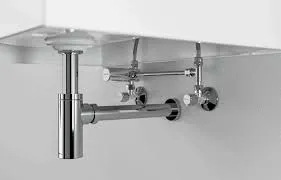
A CP brass angle valve is a widely used plumbing fixture designed to regulate water flow to specific outlets such as sinks, toilets, and washbasins. Made from brass and coated with chrome plating, these valves offer a combination of strength, corrosion resistance, and aesthetic appeal.
Brass, an alloy of copper and zinc, is known for its durability and resistance to rust, making it suitable for long-term use in water systems. The chrome plating adds an extra protective layer, enhancing resistance to surface wear and corrosion while providing a polished finish.
Is There a Connection Between Water Pipe Corrosion and CP Brass Angle Valve?
The relationship between water pipe corrosion and CP brass angle valve is indirect but important. The valve itself does not cause corrosion; however, it can influence corrosion under certain conditions.
Material Compatibility:
When a CP brass angle valve is connected to pipes made of different metals—such as galvanized steel—it may create conditions for galvanic corrosion. In such cases, the less noble metal (often steel) corrodes faster, potentially affecting the overall integrity of the plumbing system.
Water Quality Impact:
Aggressive water conditions, such as high acidity or high mineral content, can accelerate corrosion in both pipes and valves. Although brass is relatively resistant, prolonged exposure can lead to issues like Dezincification, weakening the valve over time.
Product Quality:
The performance of a CP brass angle valve depends heavily on its manufacturing quality. Premium-grade valves are designed to withstand harsh conditions, while lower-quality products may be more susceptible to wear and corrosion, potentially contributing to localized issues.
Preventing Water Pipe Corrosion
To ensure the longevity of plumbing systems, it is important to address both water pipe corrosion and the proper use of CP brass angle valves. Key preventive measures include:
- Using compatible materials throughout the plumbing system
- Installing dielectric fittings to prevent metal-to-metal reactions
- Monitoring and treating water quality when necessary
- Choosing high-quality CP brass angle valves from trusted manufacturers
- Conducting regular inspections and maintenance
Conclusion
Water pipe corrosion remains a significant concern in plumbing systems, but it can be effectively managed with the right materials and practices. A CP brass angle valve, when properly selected and installed, serves as a reliable and corrosion-resistant component. While it may play an indirect role in certain corrosion scenarios, careful planning and maintenance can ensure optimal performance and long-term durability.
By understanding the relationship between water pipe corrosion and CP brass angle valve, stakeholders can make informed decisions that enhance system efficiency, safety, and lifespan.





























Sign in to leave a comment.