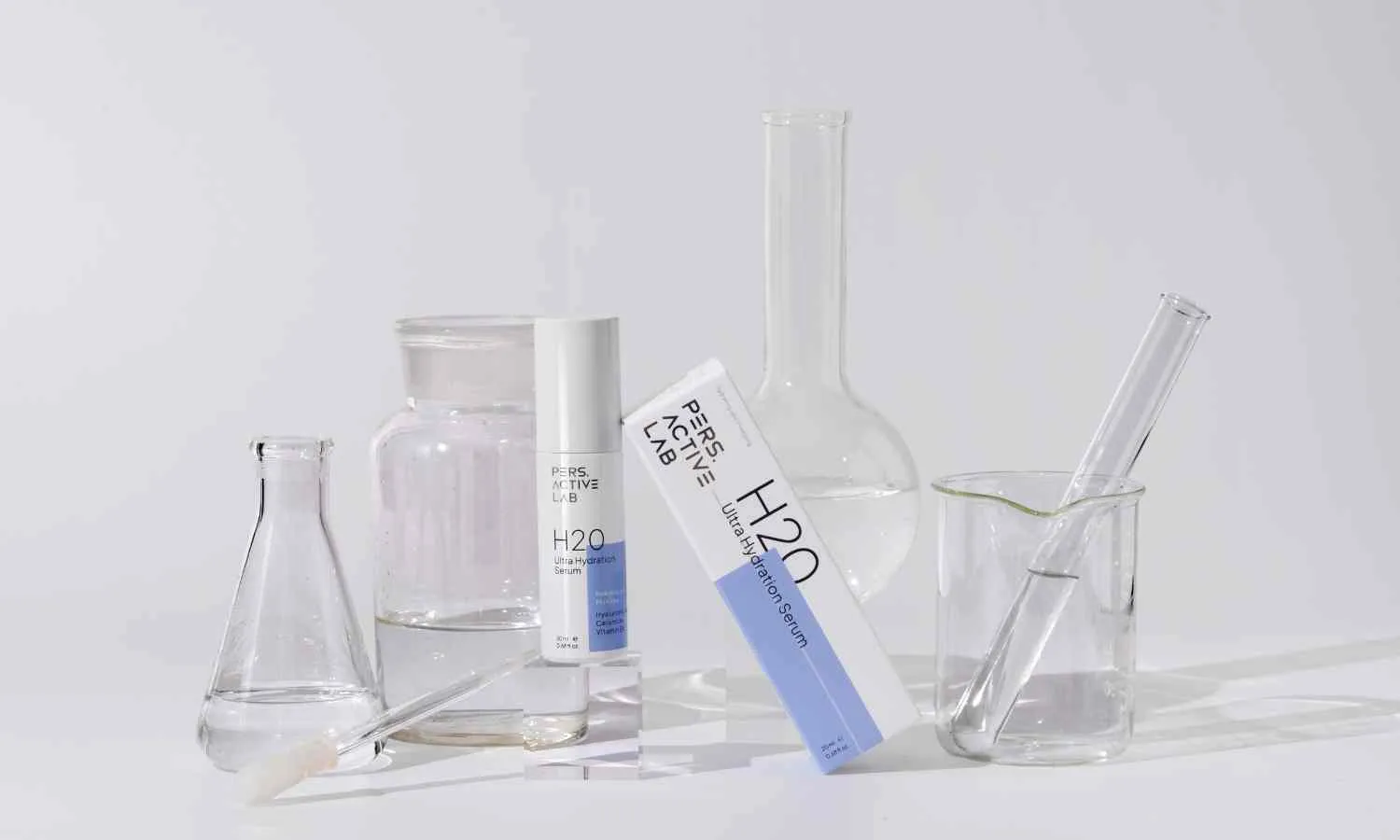

Tightness, redness, and persistent flaking often signal a compromised moisture barrier. When this protective outer layer fails, moisture escapes and irritants enter, leaving your complexion vulnerable. While a heavy cream offers temporary relief, a targeted serum for dry skin provides the concentrated active ingredients necessary to repair damage at a deeper level.
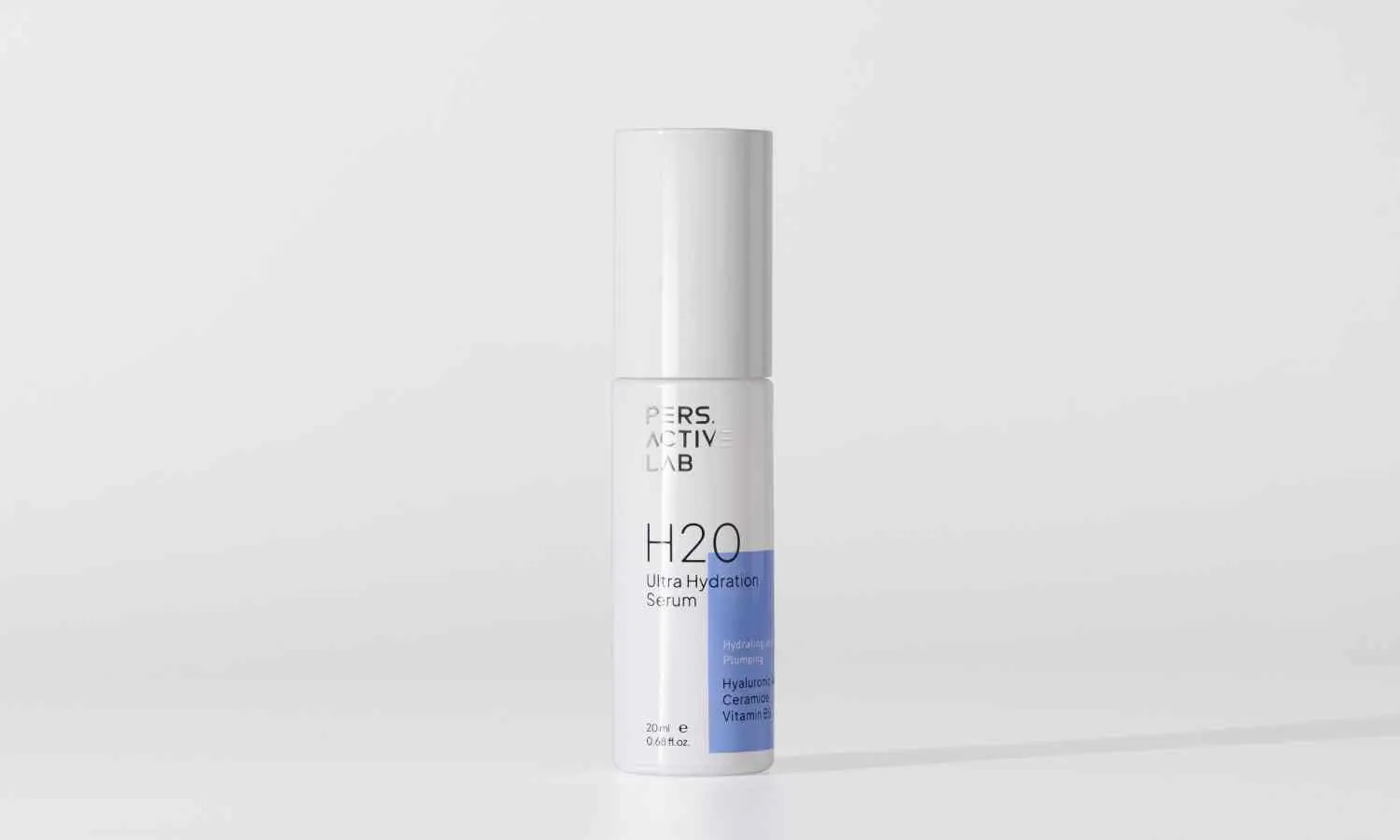
The Anatomy of a Damaged Barrier
Your skin barrier, or stratum corneum, acts as a shield. Think of it as a brick-and-mortar structure where skin cells are the bricks and lipids (fats) are the mortar. When environmental stressors, harsh cleansers, or cold weather strip these lipids away, the "mortar" cracks. This allows Transepidermal Water Loss (TEWL) to occur.
Standard lotions often sit on the surface, but a serum for dry skin utilizes smaller molecules to penetrate the surface. These formulas deliver essential fatty acids, ceramides, and cholesterol directly to the areas that need reconstruction. By integrating a serum for dry skin into your daily regimen, you provide the biological tools your skin requires to seal those cracks and stop the flaking cycle.
Why Serums Outperform Creams for Repair
Creams primarily function as occlusives. They create a seal to prevent further water loss. Serums, however, act as delivery vehicles for potent nutrients. To fix a flaky texture, you must move beyond surface hydration. You need ingredients that mimic the skin’s natural moisturizing factors.
When you apply a serum for dry skin to damp a face, you maximize absorption. This step shifts your routine from basic maintenance to active repair. Consistent use of a serum for dry skin ensures that the lipid bilayer remains intact, even when faced with harsh air conditioning or winter winds.
Selecting a Hydrating Serum for Dry Skin
Not all serums serve the same purpose. To repair a barrier, you must prioritize humectants and emollients. A high-quality hydrating serum for dry skin typically features hyaluronic acid, glycerin, or panthenol. These ingredients act like magnets, pulling moisture from the air and deeper layers of the dermis into the parched upper layers.
If you struggle with chronic roughness, look for a hydrating serum for dry skin that contains niacinamide. This vitamin B3 derivative boosts ceramide production, which strengthens the skin's defense system over time.
The Correct Application Method
Application technique dictates the success of your repair strategy. Follow these steps to ensure your hydrating serum for dry skin works effectively:
- Cleanse Gently: Use a non-foaming, pH-balanced cleanser. Harsh sulfates strip the very lipids you are trying to replace.
- Leave Skin Damp: Never apply serum to bone-dry skin. Moisture on the surface helps humectants spread and penetrate.
- Press, Don't Rub: Pat the hydrating serum for dry skin into your face and neck. Rubbing creates friction, which can further irritate a flaky barrier.
Seal the Deal: Always follow your hydrating serum for dry skin with a lipid-rich moisturizer. The serum hydrates, while the moisturizer locks those ingredients in place.
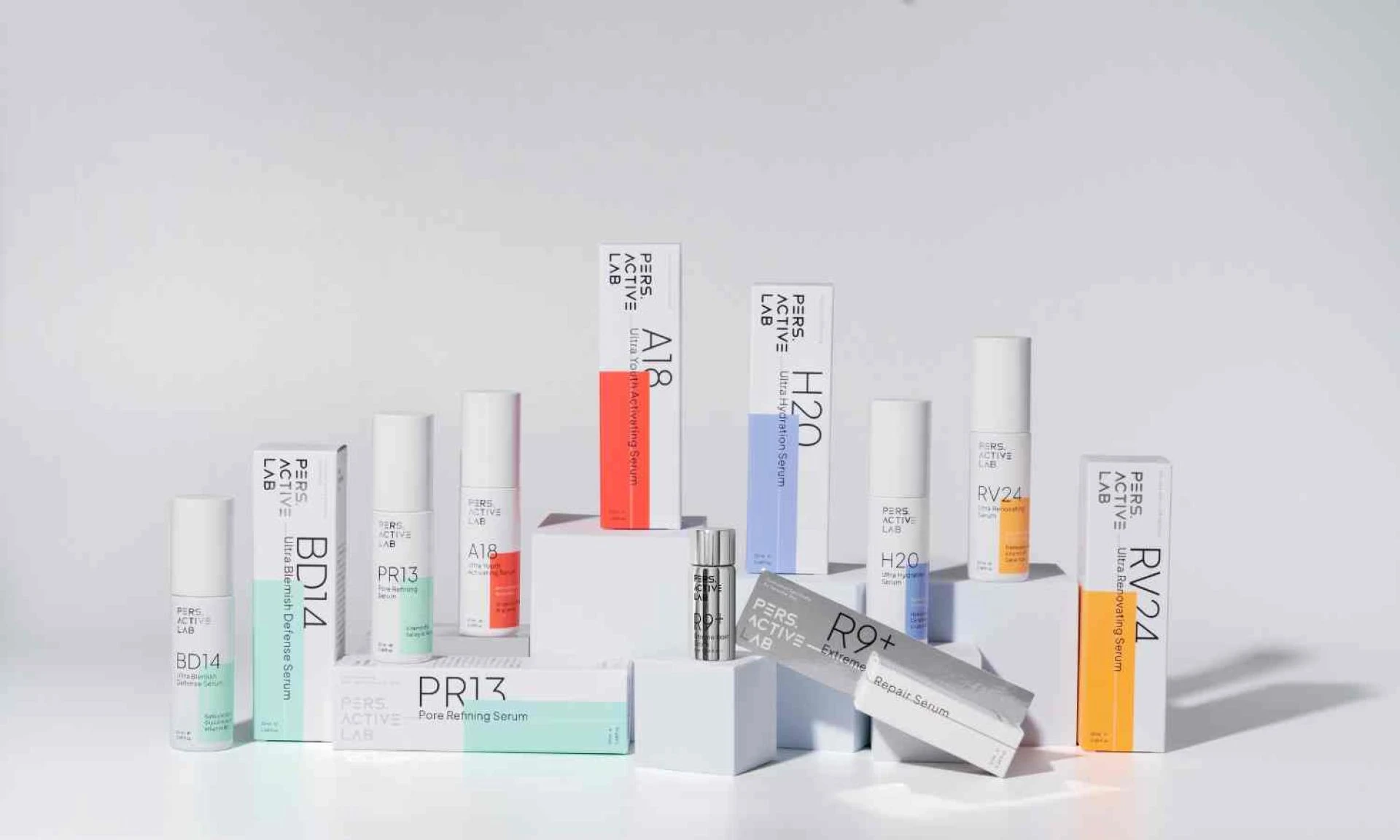
Also Read:- Ultra Youth Activating Face Serum A18
Key Ingredients for Barrier Restoration
To stop flaking for good, your serum should contain a specific blend of restorative agents. Look for these powerhouses on the ingredient label:
- Ceramides: These are essential lipids that make up 50% of the skin barrier.
- Hyaluronic Acid: A molecule that holds up to 1,000 times its weight in water.
- Squalane: A stable oil that mimics the skin's natural sebum without clogging pores.
- Centella Asiatica: A botanical extract that calms inflammation and speeds up the healing process of cracked skin.
By focusing on these components, you transform your skin from reactive to resilient. A barrier-repair routine requires patience. While a hydrating serum for dry skin provides immediate comfort, physical repair of the lipid layer usually takes three to four weeks of consistent application.
Environmental Protection
Repairing the barrier involves more than just topical products; it requires lifestyle adjustments. Hot water strips natural oils, so wash your face with lukewarm water. Use a humidifier in your bedroom to maintain ambient moisture levels. Most importantly, apply SPF every single day. UV rays degrade the proteins and lipids that hold your skin together, undoing the work of your treatment products.
Frequently Asked Questions
1. How long does it take to repair a damaged skin barrier?
Most individuals notice a reduction in flaking within 7 to 10 days of using a targeted serum. However, a full recovery of the lipid barrier typically requires 28 days, which aligns with the natural skin cell turnover cycle.
2. Can I use a serum with Vitamin C if my skin is flaking?
If your barrier is severely compromised, pause the use of "active" acids or high-strength Vitamin C. These can sting or cause further irritation. Focus on hydration and repair first. Once the flaking stops and your skin no longer stings upon product application, gradually reintroduce Vitamin C.
3. Is hyaluronic acid enough for dry skin?
Hyaluronic acid is a humectant, meaning it draws in water. On its own, it does not repair the lipid barrier. You must combine it with emollients (like oils) and occlusives (like creams) to prevent the water from evaporating.
4. How many drops of serum should I use?
Because serums are highly concentrated, 3 to 4 drops usually suffice for the entire face. Using more product does not speed up the repair process and may lead to pilling under your moisturizer.
5. Does drinking more water fix dry skin?
While systemic hydration supports overall health, it rarely fixes a localized barrier issue. Flaking is a structural problem of the skin's outer layer. Topical application of a serum remains the most effective way to address surface dehydration and lipid loss.
Should I exfoliate flaky skin?
Avoid physical scrubs or harsh chemical exfoliants while your barrier is healing. Scrubbing "dead" skin cells often pulls away healthy cells underneath, worsening the damage. Allow the serum to hydrate the flakes away naturally.
Summary of the Repair Routine
A damaged barrier demands a minimalist approach centered on nourishment. Eliminate harsh toners and foaming soaps. Introduce a serum for dry skin to replenish lost nutrients and follow up with a hydrating serum for dry skin to ensure long-lasting moisture. Protect your progress with a thick cream and daily sun protection. This disciplined strategy eliminates flaking, reduces sensitivity, and restores a healthy, radiant glow to your complexion.























Sign in to leave a comment.