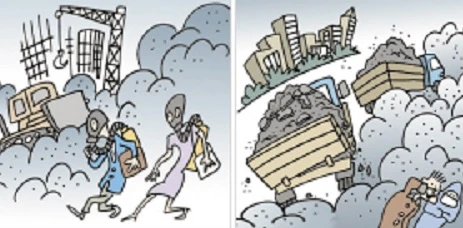

Urban dust monitoring is an increasingly important area of environmental study and public health concern. The expanding industrialization and urbanization of our cities necessitate effective dust management strategies.
Dust monitoring involves the systematic measurement and recording of particulate matter in the atmosphere. This involves microscopic solid or liquid matter suspended in the air, including dust, smoke, soot, pollen, and spores. Dust monitoring is an integral part of air quality management and provides valuable data to inform strategies for pollution control.
Dust monitoring aims to understand and manage air pollution. The data collected from dust monitoring helps to:
1. Assess the air quality in urban environments.
2. Track and manage sources of dust pollution.
3. Develop strategies to reduce dust emissions.
4. Inform the public about air quality conditions.
5. Comply with air quality regulations and standards.
Urban Dust Monitoring
In urban environments, dust pollution can significantly impact air quality. Dust particles can originate from various sources, including industrial emissions, construction activities, vehicle exhaust, and natural events like sandstorms. By monitoring urban dust levels, authorities can identify pollution sources, plan remediation strategies, and mitigate health risks.
Robust dust monitoring equipment is critical for obtaining accurate and reliable data. These devices measure dust concentration levels and particle sizes, providing a comprehensive picture of air quality. Dust monitoring equipment includes:
1. Dust Monitors: These devices measure airborne dust particles\' concentration. They can be stationary or portable, depending on the application.
2. Particle Counters: These tools count and categorize particles based on their size. They help in identifying fine particulate matter, which poses significant health risks.
3. Dust Samplers: These are used to collect dust samples over a specific period for detailed laboratory analysis.
The Role of Dust Monitoring Equipment in Urban Areas
In urban settings, dust monitoring equipment plays a pivotal role in maintaining air quality. Here\'s how:
1. Real-Time Monitoring: Dust monitoring equipment provides real-time data on dust concentrations, enabling prompt responses to pollution incidents.
2. Identifying Pollution Sources: By tracking dust levels across an urban area, authorities can identify significant pollution sources, such as industrial sites or high-traffic roads.
3. Health Protection: Regular dust monitoring helps protect public health by identifying periods of poor air quality when people may need to limit outdoor activities.
4. Compliance Monitoring: Businesses can use dust monitoring equipment to ensure they comply with air quality regulations, avoiding fines and protecting their reputation.
5. Informed Decision Making: Dust monitoring data aids urban development planning by providing insights into the environmental impact of proposed projects.
The Future of Dust Monitoring in Urban Areas
Advancements in dust monitoring technology, such as remote sensing and data analytics, are enhancing our ability to understand and manage urban dust pollution. These technologies provide more timely and accurate data, allowing for proactive dust management strategies.
Moreover, the increasing adoption of smart city technologies, including Internet of Things (IoT) devices, offers exciting opportunities for urban dust monitoring. These devices can provide continuous, real-time dust monitoring across an entire city, providing a powerful tool for managing air quality.
Urban dust monitoring is crucial for ensuring our cities are healthy, liveable places. Through the use of advanced dust monitoring equipment, authorities can understand dust pollution sources, develop effective management strategies, and ensure compliance with air quality standards. As our cities continue to grow, the importance of urban dust monitoring will only increase. By embracing new technologies and approaches, we can ensure our urban environments remain clean and healthy for future generations.











Sign in to leave a comment.