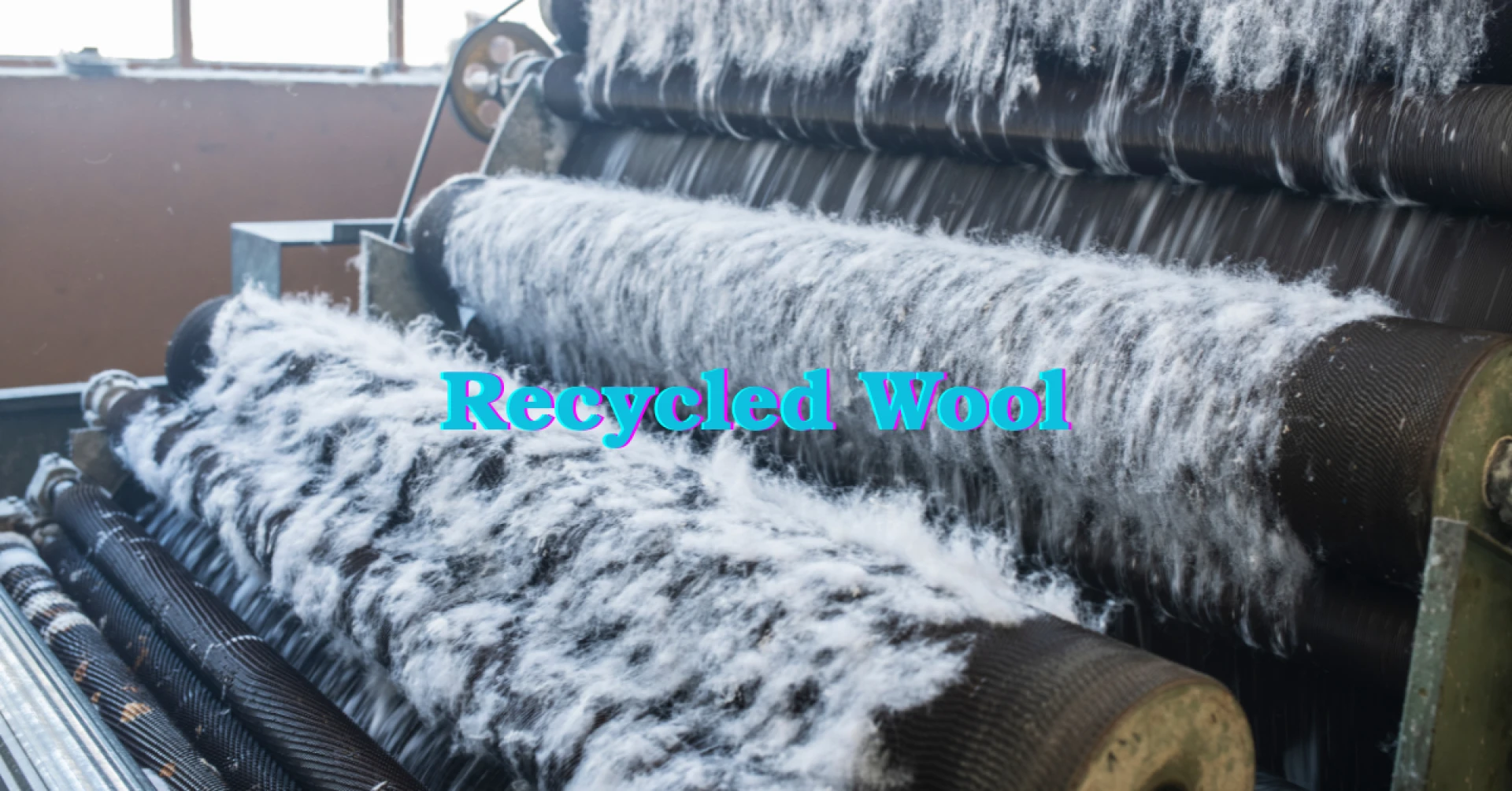

The textile industry is undergoing a major transformation with the rising demand for sustainable fabrics. Among them, recycled wool has gained global attention for its eco-friendly properties and long-lasting durability. By giving discarded wool garments and production waste a second life, recycled wool reduces dependence on virgin resources and supports the circular economy. For buyers, partnering with a trusted recycled wool manufacturer or wool supplier in India is a step toward both green living and ethical sourcing.
What Is Recycled Wool?
Recycled wool is produced by collecting used wool garments, leftover fabrics, and production scraps, which are then sorted, cleaned, and respun into new yarns. Unlike virgin wool production, this process consumes less energy, reduces water usage, and significantly lowers carbon emissions.
For businesses, sourcing from a reliable recycled wool supplier ensures consistent quality while contributing to sustainable fashion and textiles.
Recycled Wool in the Circular Economy
The circular economy model focuses on reusing resources, reducing waste, and extending the lifecycle of materials. Recycled wool perfectly fits into this approach by:
- Minimizing Textile Waste: Diverts tons of old wool garments from landfills.
- Lowering Carbon Footprint: Cuts down the energy needed for new wool production.
- Encouraging Responsible Manufacturing: Creates demand for recycled yarn manufacturers in India who specialize in eco-conscious textiles.
- Supporting Sustainable Fashion: Leading brands now prefer recycled fibers to align with green policies and consumer expectations.
Why Choose Recycled Wool for Green Living?
Consumers and businesses alike are choosing recycled wool because it:
- Provides the same warmth, softness, and durability as virgin wool.
- It is available in versatile applications such as blankets, rugs, apparel, and upholstery.
- Promotes green living by lowering dependence on virgin resources.
- Helps global brands achieve their sustainability targets.
India as a Hub for Recycled Wool Manufacturing
India has emerged as a global leader in the production and export of recycled textiles. Cities like Panipat are home to reputed recycled wool manufacturers and yarn exporters. Choosing wool suppliers in India comes with advantages like:
- Competitive pricing and large-scale production.
- Skilled labor and advanced recycling technology.
- Export-ready products meeting international quality standards.
Whether you are sourcing from a recycled wool supplier or looking for partnerships with recycled yarn manufacturers in India, the Indian textile market offers unmatched opportunities.
Final Thoughts
The integration of recycled wool into the textile industry represents a powerful step toward a circular economy and green living. By collaborating with the right recycled wool manufacturer and wool suppliers in India, businesses can meet global demand for eco-friendly fabrics while supporting sustainable practices.
As the world shifts toward responsible production, recycled wool suppliers and recycled yarn manufacturers in India will continue to play a key role in shaping the future of sustainable fashion and textiles.
FAQs
Q1: What is recycled wool, and how is it different from virgin wool?
A: Recycled wool is made by reusing old garments and textile waste, whereas virgin wool comes from freshly sheared sheep. Recycled wool reduces waste and energy consumption, making it more sustainable.
Q2: Why is recycled wool important for the circular economy?
A: Recycled wool extends the life of textile fibers, lowers carbon emissions, and reduces landfill waste, key principles of the circular economy model.
Q3: Who are the leading recycled wool manufacturers in India?
A: India, especially Panipat, is home to major recycled wool manufacturers and recycled yarn suppliers that export eco-friendly textiles worldwide.
Q4: How can businesses benefit from using recycled wool?
A: Businesses gain cost-effective, high-quality fabrics while meeting sustainability targets. Partnering with a recycled wool supplier also improves brand reputation.
Q5: What certifications should a recycled wool supplier have?
A: Certifications like OEKO-TEX, GRS (Global Recycled Standard), and ISO ensure recycled wool meets international quality and sustainability standards.
Q6: What are the common uses of recycled wool in textiles?
A: Recycled wool is used in blankets, sweaters, upholstery, rugs, coats, and eco-friendly fashion products, making it highly versatile.
Q7: How do recycled yarn manufacturers in India support sustainability?
A: They use advanced recycling technology to repurpose waste wool into new yarns, reducing resource use and promoting green textile production.
Q8: Is recycled wool as durable as new wool?
A: Yes, high-quality recycled wool from trusted suppliers offers the same durability, warmth, and comfort as virgin wool.
Q9: Why should global buyers choose wool suppliers in India?
A: Indian suppliers offer competitive pricing, large-scale production, and export-ready quality, making them preferred partners for sustainable textiles.
Q10: How does recycled wool contribute to green living?
A: By reducing dependence on virgin resources, lowering carbon emissions, and minimizing waste, recycled wool supports an eco-friendly lifestyle.





























Sign in to leave a comment.