
The shift toward solar energy is gaining momentum across the United States as homeowners, businesses, and communities recognize the economic and environmental benefits of renewable energy. However, installing a solar energy system is not as simple as purchasing panels and mounting them on a roof. One of the most critical steps in the process is obtaining the necessary legal permits. These permits ensure that solar installations comply with local, state, and federal regulations, safeguarding safety, efficiency, and grid reliability.
In this article, we’ll explore the importance of legal permits for solar energy systems in the USA, the types of permits required, and how to navigate the permitting process effectively.
Why Are Legal Permits Necessary for Solar Energy Systems?
Legal permits are a cornerstone of any solar energy project. They serve several essential purposes:
- Ensuring Safety: Permits ensure that solar installations meet building codes and electrical standards, reducing the risk of fire, structural damage, or electrical hazards.
- Protecting Homeowners: By adhering to regulations, permits protect homeowners from substandard installations that could lead to costly repairs or legal liabilities.
- Grid Compliance: For grid-tied systems, permits ensure that the solar installation integrates safely with the local utility grid, preventing disruptions or safety issues.
- Environmental Protection: Permits help ensure that solar projects comply with environmental regulations, minimizing their impact on ecosystems and wildlife.
Types of Permits Required for Solar Energy Systems
The specific permits required for a solar energy system can vary depending on the location, system size, and type of installation. However, the most common permits include:
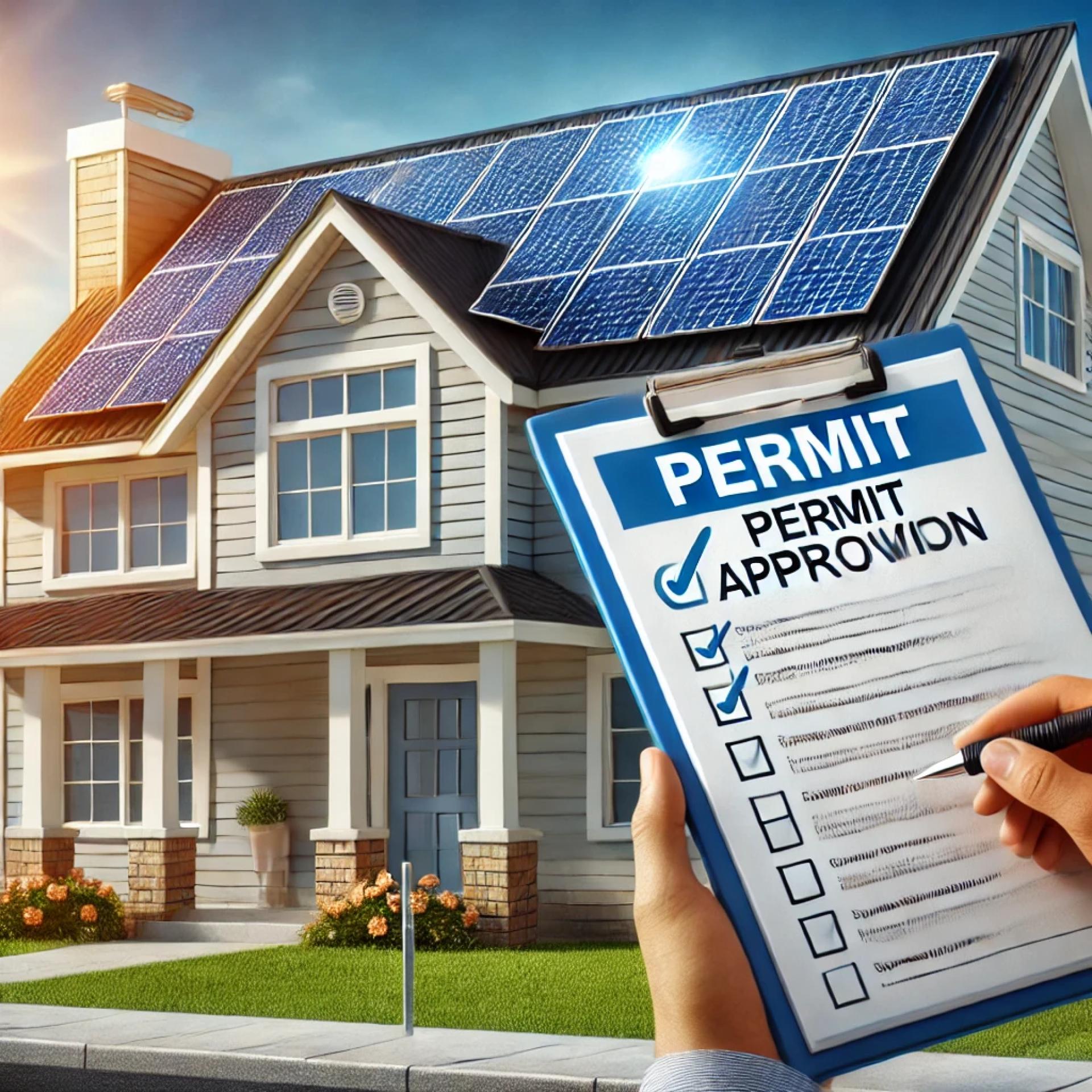
- Building Permits: These are issued by local building departments and ensure that the solar installation complies with structural and safety codes. For rooftop systems, this may involve verifying that the roof can support the additional weight of the panels.
- Electrical Permits: Electrical permits are required to ensure that the wiring, inverters, and other electrical components of the solar system meet national and local electrical codes.
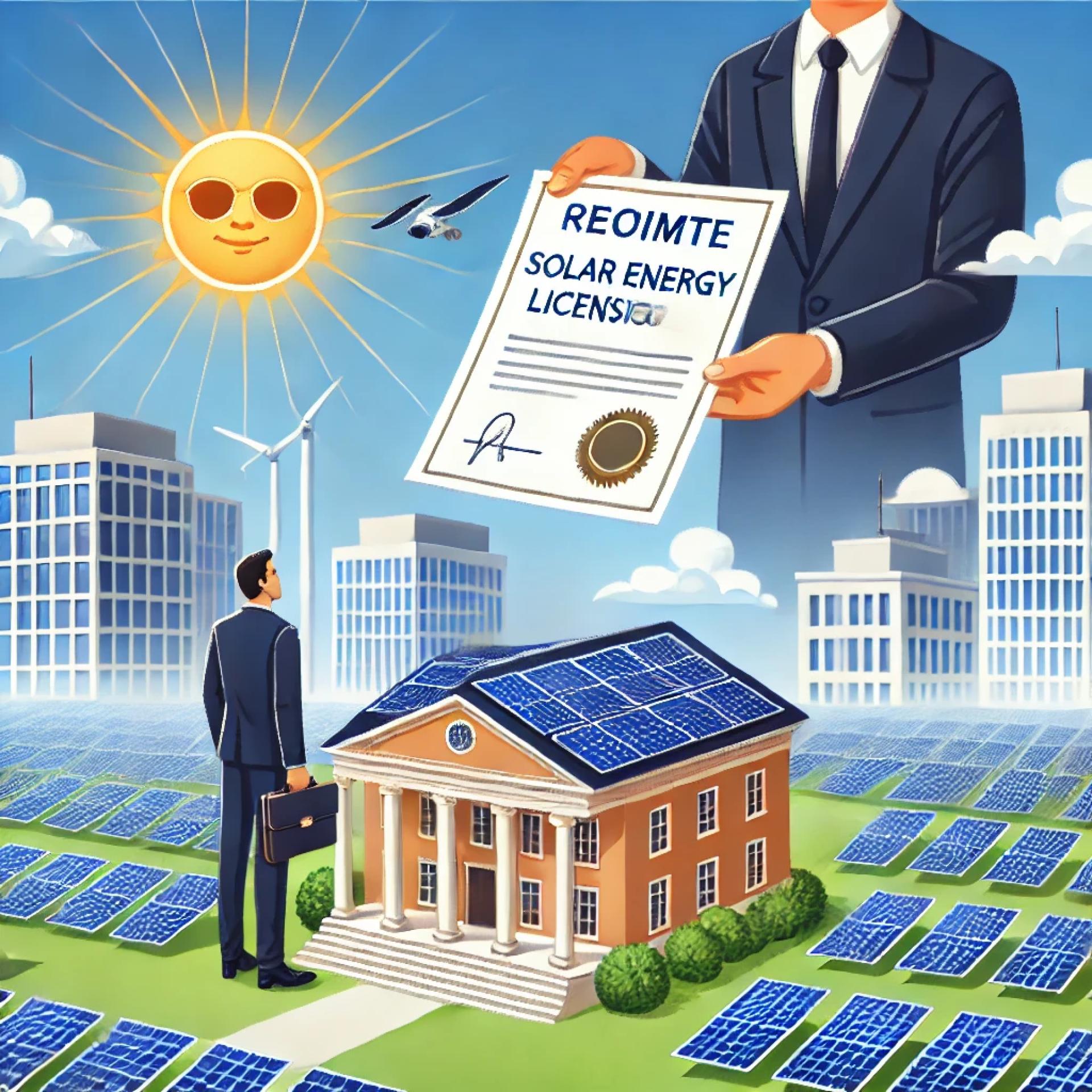
- Zoning Permits: In some areas, zoning permits are necessary to confirm that the solar installation complies with local land-use regulations. This is particularly important for ground-mounted systems or large-scale projects.
- Utility Interconnection Agreements: For grid-tied systems, homeowners or businesses must obtain approval from their utility company to connect the solar system to the grid. This process often involves technical reviews and inspections.
- Historic or HOA Approvals: In historic districts or communities with homeowners’ associations (HOAs), additional approvals may be required to ensure that the solar installation aligns with aesthetic or architectural guidelines.
The Solar Permitting Process in the USA
The permitting process for solar energy systems can be complex and time-consuming, but understanding the steps involved can make it more manageable. Here’s an overview of the typical process:
- Research Local Requirements: The first step is to research the specific permitting requirements in your area. This may involve contacting your local building department, utility company, or zoning office.
- Prepare Documentation: Most permit applications require detailed documentation, including site plans, engineering drawings, equipment specifications, and proof of insurance. Working with a professional solar installer can simplify this step.
- Submit the Application: Once the documentation is complete, the permit application can be submitted to the appropriate authorities. Some jurisdictions offer online submission options, while others require in-person submissions.
- Pay Fees: Permit applications often come with fees, which can vary widely depending on the location and scope of the project.
- Await Approval: The review process can take anywhere from a few days to several weeks, depending on the jurisdiction and the complexity of the project.
- Schedule Inspections: After the permits are approved, inspections are typically required at various stages of the installation process to ensure compliance with codes and regulations.
Challenges in the Solar Permitting Process
While the permitting process is essential, it is not without its challenges. Most common issues include:
- Inconsistent Requirements: Permitting requirements can vary significantly from one jurisdiction to another, creating confusion and delays.
- Lengthy Approval Times: In some areas, the permitting process can take weeks or even months, delaying project timelines.
- Complex Paperwork: The documentation required for permits can be extensive and technical, posing a challenge for those without experience.
- Utility Interconnection Hurdles: Connecting a solar system to the grid often requires approval from the local utility company, which can be a lengthy and complicated process.
The Future of Solar Permitting in the USA
As solar energy continues to grow in popularity, there is increasing recognition of the need to simplify and standardize the permitting process. Efforts like SolarAPP and other initiatives aim to make permitting faster and more efficient, reducing barriers to solar adoption. However, until these changes are widely implemented, professional support remains invaluable for navigating the current system.
Conclusion
Legal permits are a critical component of any solar energy project in the USA, ensuring safety, compliance, and grid reliability. While the permitting process can be complex and time-consuming, understanding the requirements and seeking professional assistance can make it more manageable. By securing the necessary permits, homeowners and businesses can enjoy the benefits of clean, renewable energy while contributing to a more sustainable future.

























Sign in to leave a comment.