
Gold has fascinated humanity for thousands of years, symbolizing wealth, power, and timeless beauty. Among its many forms, gold leaf stands out as one of the most delicate and versatile expressions of this precious metal. From ancient art and architecture to modern culinary and cosmetic applications, gold leaf continues to capture attention across industries. Today, you can explore premium-quality options and learn more about its applications through trusted sources like delafee.com, which specialize in this remarkable material.
What Is Gold Leaf?
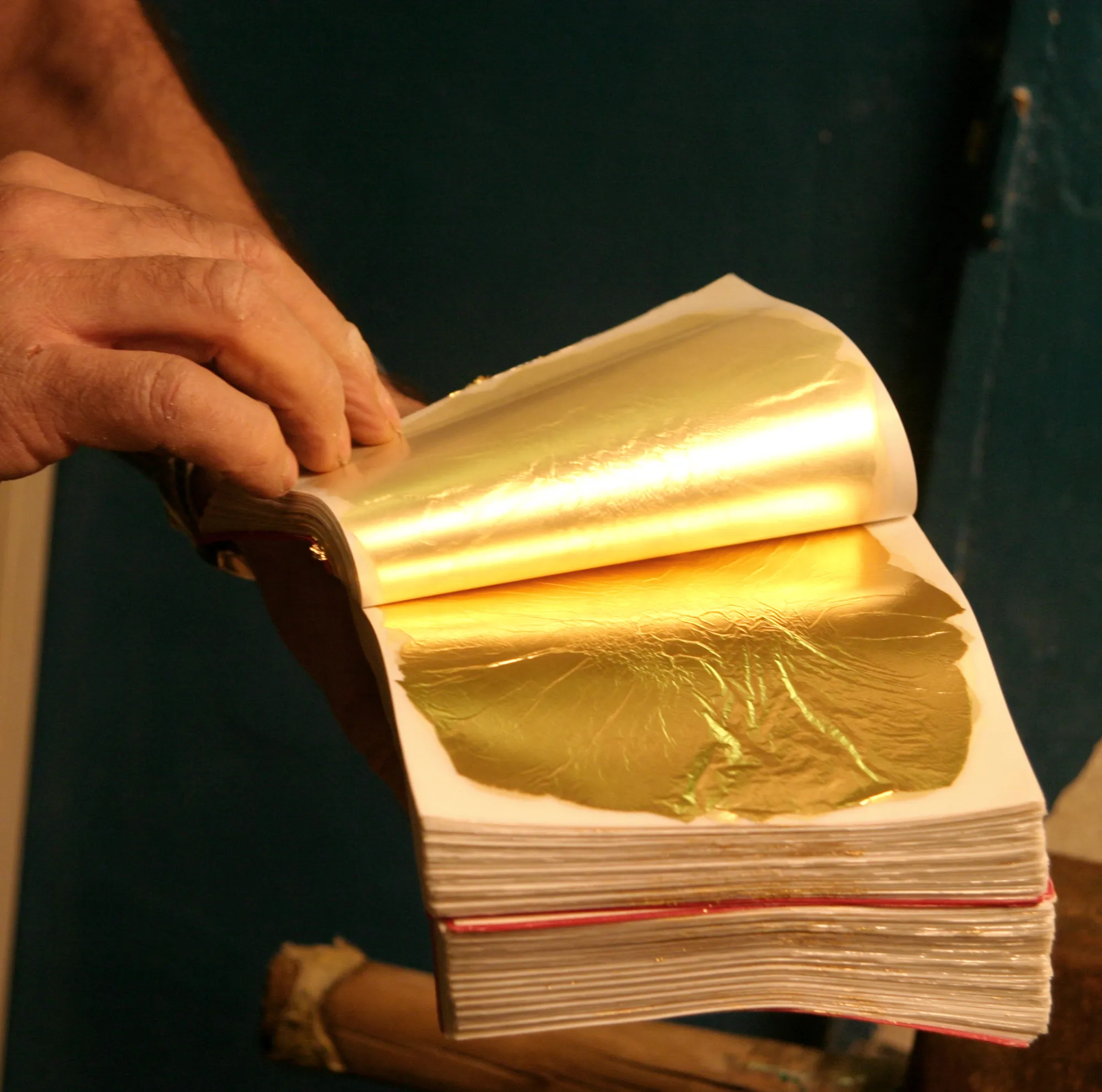
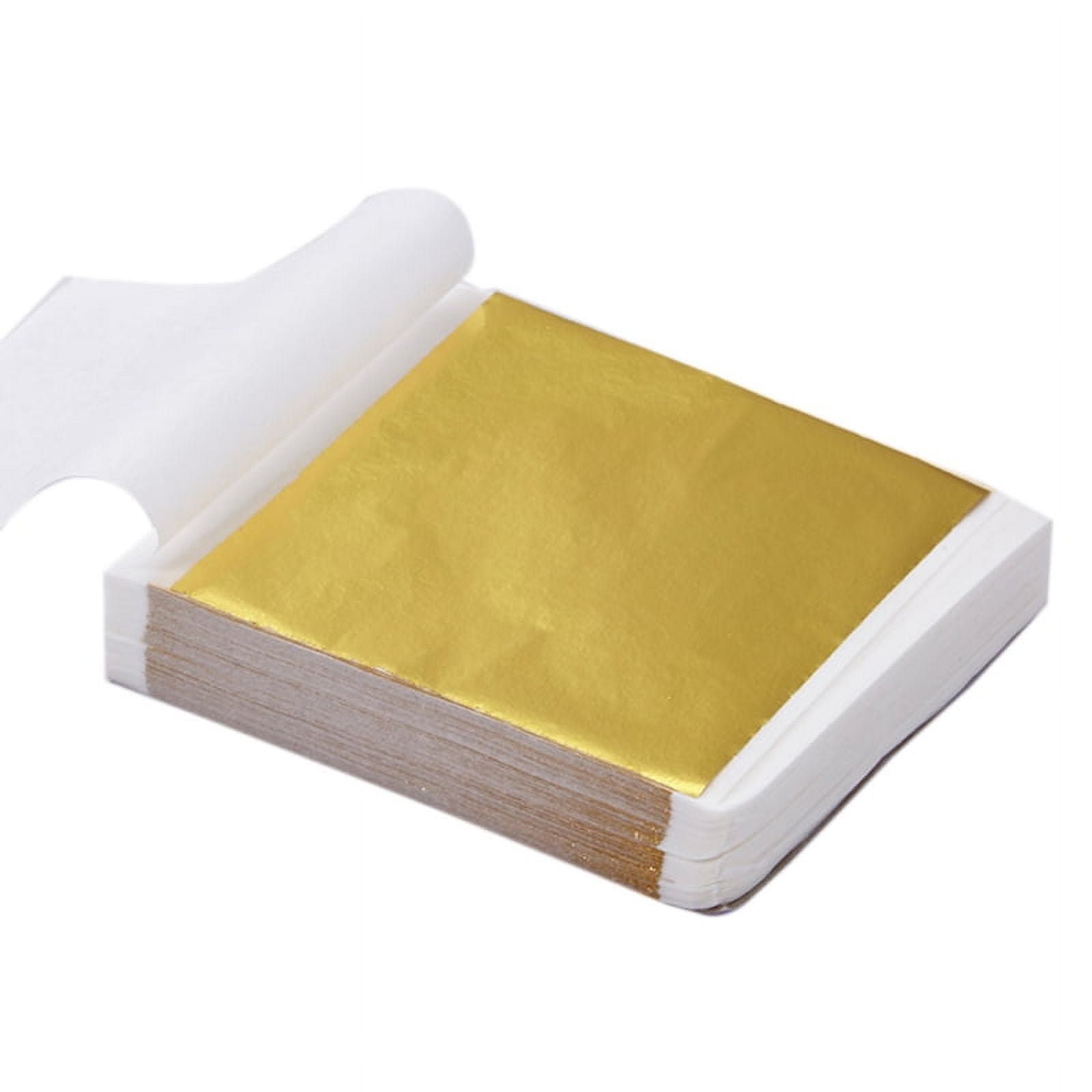
Gold leaf is gold that has been hammered into extremely thin sheets, often measuring just a few microns thick. Because of its thinness, it becomes lightweight and flexible, making it easy to apply to various surfaces. Despite being so thin, it retains all the unique properties of gold, including its resistance to tarnish and corrosion.
The process of creating gold leaf requires precision and craftsmanship. Traditionally, skilled artisans beat small pieces of gold between layers of parchment until they reach the desired thinness. Today, while machines assist in production, the essence of the process remains rooted in centuries-old techniques.
A Rich Historical Background
The use of gold leaf dates back to ancient civilizations such as Egypt, where it was used to decorate tombs, statues, and sacred objects. The famous burial mask of Tutankhamun is a well-known example of gold’s symbolic importance. In ancient Rome and Greece, gold leaf was widely used in architecture and manuscripts.
During the Middle Ages, it became a staple in religious art, particularly in illuminated manuscripts and church decorations. Artists used gold leaf to represent divine light and spiritual significance. The Renaissance further expanded its use in paintings, sculptures, and ornate frames.
Applications in Art and Design
One of the most recognized uses of gold leaf is in fine art. Artists apply it to canvases, sculptures, and decorative items to create a luminous effect that paint alone cannot achieve. It reflects light beautifully, adding depth and elegance to any piece.
Interior designers also use gold leaf to enhance furniture, walls, and ceilings. It can transform ordinary spaces into luxurious environments. Whether used in subtle accents or bold statement pieces, it adds a touch of sophistication that few materials can match.
In architecture, gold leaf is often used on domes, statues, and exterior details of buildings. Its resistance to weathering makes it ideal for long-lasting decorative finishes.
Culinary Uses: Edible Gold
In recent years, gold leaf has gained popularity in the culinary world. Edible gold is used to decorate desserts, chocolates, and even beverages. It is safe for consumption because pure gold is biologically inert, meaning it passes through the body without being absorbed.
Chefs and luxury brands use gold leaf to elevate presentation and create a sense of exclusivity. From gold-covered pastries to shimmering cocktails, it adds a visual appeal that enhances the dining experience.
Cosmetics and Skincare
Another growing application is in the beauty industry. Gold leaf is often included in high-end skincare products due to its perceived anti-aging and skin-enhancing properties. While scientific evidence varies, many users believe it helps improve skin radiance and elasticity.
Facial treatments using gold leaf are also popular in luxury spas. These treatments aim to provide a glowing complexion while offering a unique and indulgent experience.
Types and Purity Levels
Not all gold leaf is the same. It comes in different purity levels, typically ranging from 22 to 24 karats for edible and cosmetic use. Lower purity versions may include other metals, which can affect color and application.
There are also imitation versions made from metals like brass or copper. While these are more affordable, they lack the durability and authenticity of real gold leaf. Choosing the right type depends on the intended use, whether for art, food, or decoration.
How to Apply Gold Leaf
Applying gold leaf requires careful handling due to its delicate nature. The process usually involves:
- Preparing the surface with a special adhesive known as “size”
- Gently placing the gold leaf onto the surface
- Smoothing it with a soft brush
- Sealing it if necessary to protect the finish
With practice, even beginners can achieve impressive results. However, professional projects often require skilled artisans to ensure precision and quality.
Sustainability and Value
Gold leaf is considered a sustainable material because gold itself is recyclable and long-lasting. Even small amounts can cover large surfaces, making it efficient in use. Its durability ensures that once applied, it can last for decades or even centuries with proper care.
In terms of value, gold leaf offers a unique balance between luxury and practicality. While it may seem expensive, its thinness means that a small quantity can go a long way, making it more accessible than solid gold.
Why Gold Leaf Remains Timeless
The enduring appeal of gold leaf lies in its versatility and beauty. It bridges the gap between tradition and modern innovation, finding relevance in art, design, food, and beauty. Its ability to transform ordinary objects into extraordinary creations ensures its continued popularity.
Whether you are an artist, designer, chef, or simply someone who appreciates fine materials, gold leaf offers endless possibilities. For those interested in exploring high-quality options or learning more about its applications, trusted platforms like delafee.com provide valuable insights and products to get started.
In conclusion, gold leaf is more than just a decorative material—it is a symbol of craftsmanship, luxury, and creativity that has stood the test of time.








Sign in to leave a comment.