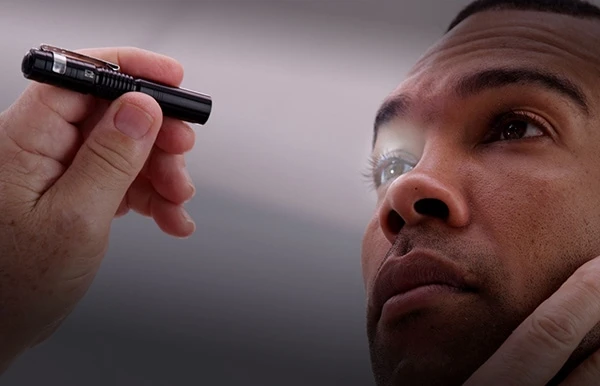

Pupil examination, a cornerstone of neurological assessment, has vast potential for uncovering hidden neurological issues. This seemingly straightforward task of observing pupil size, light response, and reactivity is a window into the brain's function.
In this blog, we'll delve deeper into the art of the pupil exam by studying constriction velocity, pupil dilation velocity, and the neurological pupil index. Ultimately, we aim to better understand these concepts and their applications in clinical practice.
Constriction Velocity: Definition and Significance
Constriction velocity, quite simply, is the speed at which a pupil constricts in response to light exposure. This variable offers a critical assessment of a patient's neurological status. A slow or altered velocity may hint at underlying neurological pathologies, making it a useful tool for doctors to diagnose or monitor neurological conditions.
Factors Affecting Constriction Velocity
A myriad of factors can influence constriction velocity. Age, for instance, plays a significant role. With advancing age, constriction velocity naturally decreases, making it imperative to consider when evaluating results.
Certain health conditions, such as diabetes, glaucoma, and multiple sclerosis, affect constriction velocity. Lastly, specific medications, including certain antipsychotics and muscle relaxants, can interfere with normal pupil constriction, skewing results.
Dilation Velocity: Definition and Significance
Pupil dilation velocity, on the other hand, pertains to the speed at which a pupil expands in dim light or darkness. Like constriction velocity, dilation velocity is a vital indicator of a patient's neurological health. Unusual dilation velocities may indicate certain pathologies, like optic neuritis, thus helping clinicians navigate diagnosis and treatment plans.
Factors Affecting Dilation Velocity
Much like constriction velocity, dilation velocity, too, is susceptible to various influences. As a person ages, the dilation velocity experiences a natural decline. Specific health conditions like Horner's syndrome, Adie's tonic pupil, and third nerve palsy also impact the dilation rate. Additionally, several medications, including certain anti-glaucoma drugs and narcotics, can affect pupil dilation, underlining the need for comprehensive patient history.
Neurological Pupil Index (NPi): Definition and Significance
The Neurological Pupil Index (NPi) is a numerical index designed to assess pupil reactivity in clinical settings. This index, ranging from 0 to 5, provides a rapid assessment of a patient's neurological health, allowing doctors to track changes over time and make informed treatment decisions.
Measuring NPi: Technical Aspects
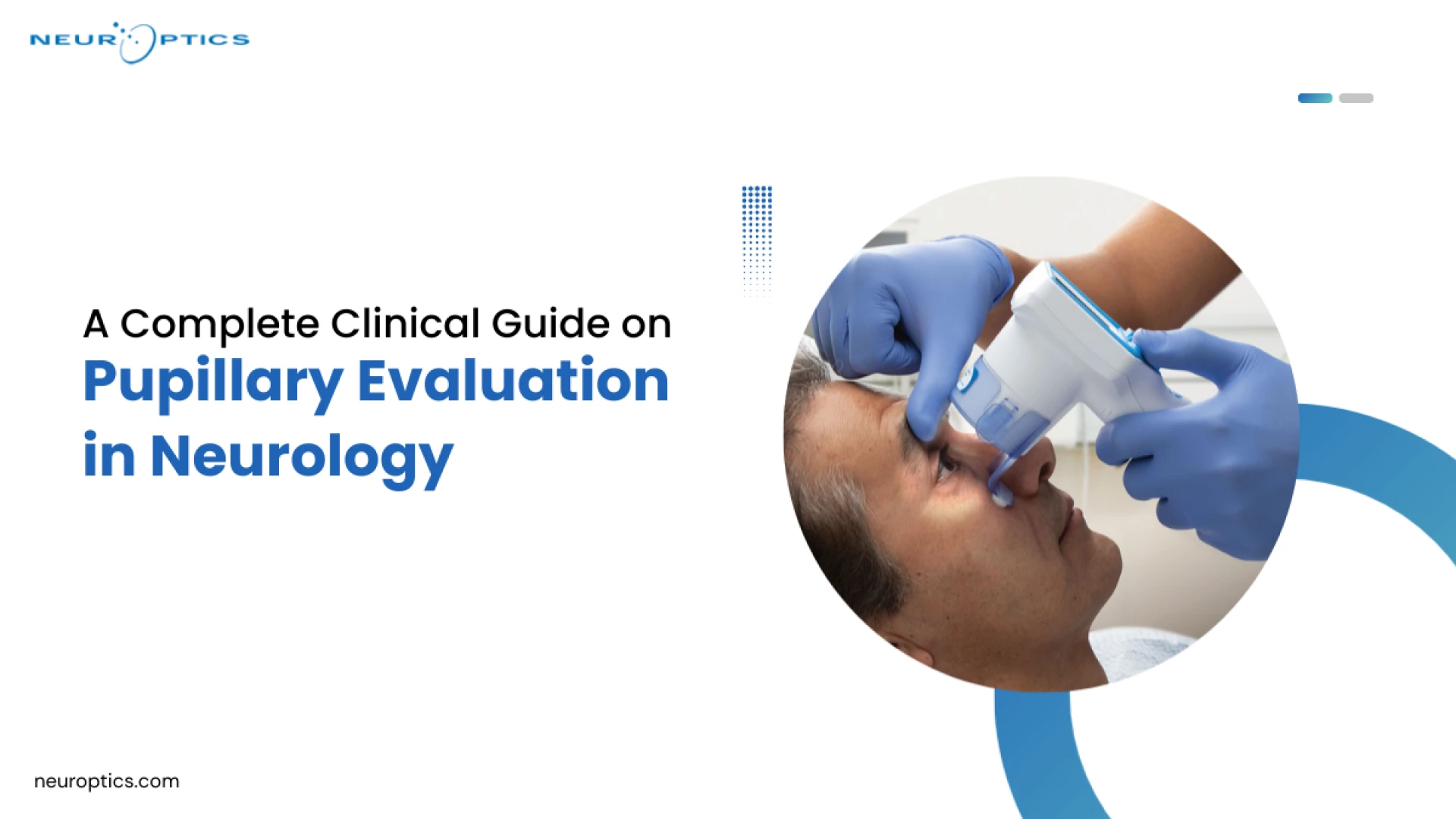
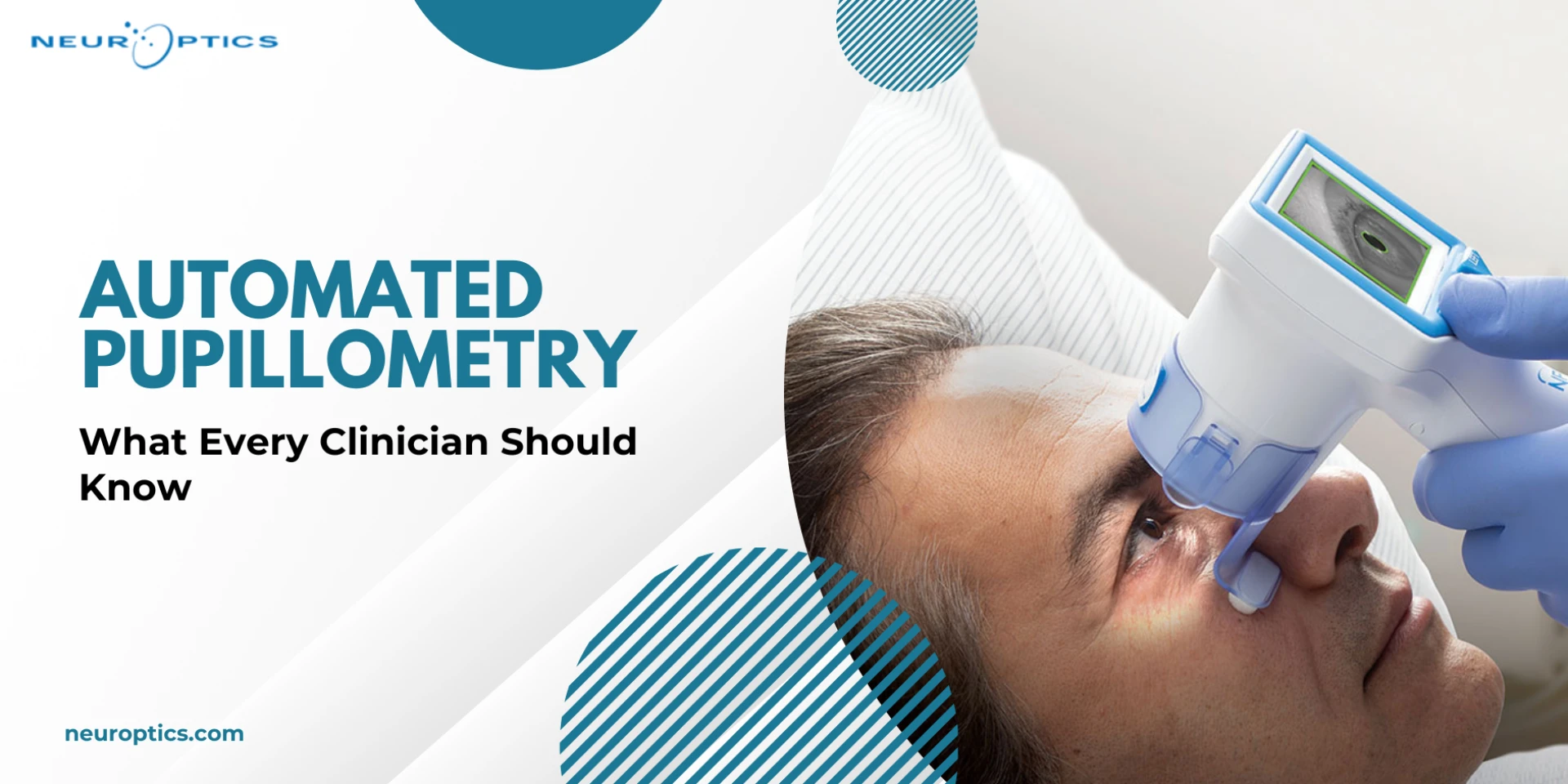
The measurement of NPi relies on advanced pupillometers, which provide highly accurate measurements of the percent change in pupil size. These devices use software algorithms to analyze constriction velocity, dilation velocity, and latency. The gathered data contribute to a comprehensive understanding of a patient's neurological status.
Interpreting NPi Values
The Neurological Pupil Index (NPi) provides values that range from 0 to 5. Higher scores indicate better pupil reactivity, often associated with a healthy neurological status. In contrast, lower or decreasing NPi values could indicate potential neurological issues. When interpreting these values, a score of 3 or above generally denotes normal pupil reactivity.
On the other hand, scores below 3 may suggest some level of neurological impairment, warranting further evaluation. It's worth noting, however, that NPi is just one piece of the puzzle. Any concerns should be corroborated with other clinical signs and symptoms. Understanding the interpretation of these values and their implications is key to diagnosing and managing various neurological conditions. The versatility and simplicity of the NPi make it an invaluable tool for healthcare providers.
Considerations for Accurate Pupil Examination
Achieving accuracy in pupil examination requires consistency in examination conditions such as lighting and timing. Furthermore, clinicians must adjust for patient-specific factors, like age, underlying health conditions, and current medications. Periodic re-evaluations also enhance the accuracy of the results to monitor changes in pupil reactivity over time.
Conclusion:
In conclusion, the art and science of the pupil exam are deeply rooted in understanding the dynamics of constriction velocity, dilation velocity, and NPi. It is incumbent upon healthcare professionals to give these factors due consideration to accurately assess a patient's neurological health. The judicious use of these tools and techniques can significantly improve the detection and monitoring of various neurological conditions, ultimately enhancing patient care.












Sign in to leave a comment.