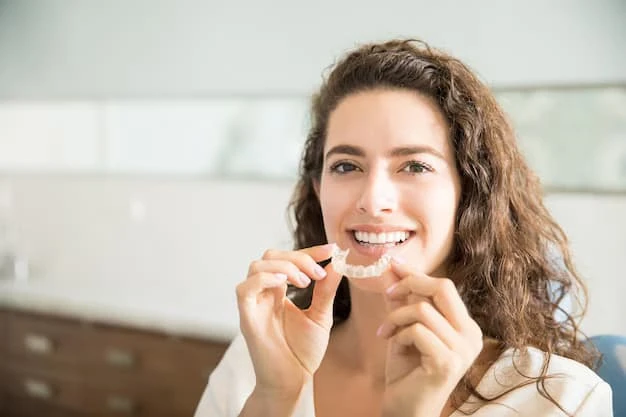

Many adults would like to improve the alignment of their teeth, but hesitate when they think about traditional braces. Metal brackets and wires may feel uncomfortable for people who attend meetings, interact with clients, or speak frequently in public. Because of this concern, Invisalign has become a popular orthodontic option for working professionals.
This treatment uses clear aligners instead of fixed braces to move teeth gradually into better positions. The discreet design and flexible routine make Invisalign appealing for individuals who want to improve their smile without major changes to their daily schedule.
Understanding How Invisalign Works
Invisalign is a system of transparent aligners made from medical-grade plastic. Each aligner is carefully designed to apply gentle pressure to specific teeth. Over time, this pressure guides the teeth into their desired positions.
The process begins with a detailed scan of the patient’s mouth. Dentists use digital imaging technology to map the current position of the teeth and plan their gradual movement.
Based on this plan, a series of aligners is created. Each aligner is worn for about one to two weeks before switching to the next one in the sequence. As patients progress through the aligners, Invisalign gradually straightens the teeth.
Why Professionals Prefer Clear Aligners
Working professionals often have demanding schedules. Many prefer orthodontic treatments that allow them to maintain their usual routine without frequent interruptions.
One advantage of Invisalign is its nearly invisible appearance. The aligners are clear and fit closely over the teeth, which makes them less noticeable during conversations or presentations.
Another reason professionals choose Invisalign is the convenience of removable aligners. Patients can remove them briefly when eating, drinking, or brushing their teeth.
This flexibility allows professionals to attend business events, meetings, and social gatherings without the restrictions sometimes associated with traditional braces.
Comfort and Simplicity in Daily Life
Comfort is another factor that attracts patients to Invisalign. Traditional braces include wires and brackets that may occasionally irritate the inside of the mouth.
Clear aligners are made from smooth plastic and do not contain sharp edges. Many patients find that Invisalign feels more comfortable than fixed orthodontic appliances.
Although patients may notice mild pressure when starting a new aligner, this sensation usually fades quickly. The pressure indicates that the teeth are gradually moving as planned.
Managing Invisalign with a Busy Schedule
Professionals who travel frequently or manage demanding workloads often appreciate the simplicity of Invisalign care.
Dentists typically advise wearing the aligners for about twenty to twenty-two hours each day. The aligners are removed during meals and when cleaning the teeth.
Because the aligners are removable, patients can brush and floss normally. Maintaining oral hygiene during Invisalign treatment is often easier compared with fixed braces.
Many dental clinics also schedule progress visits less frequently, which helps patients manage treatment alongside work commitments.
Digital Treatment Planning
Modern dental technology plays an important role in Invisalign treatment. Digital scanning tools capture precise images of the teeth, replacing the traditional mould impressions used in the past.
These scans allow dentists to design detailed treatment plans and predict how teeth will move throughout the process.
Patients often have the opportunity to see a digital simulation of their future smile. This preview helps individuals understand the expected results of Invisalign treatment before they begin.
The use of digital planning also improves the accuracy of aligners and helps dentists monitor progress during each stage.
Dental Conditions Invisalign Can Treat
Although Invisalign aligners are clear and lightweight, they are designed to treat several common orthodontic concerns.
Dentists may recommend Invisalign for conditions such as:
- Mild to moderate crowding
- Gaps between teeth
- Overbite or underbite
- Crossbite
- Slightly rotated teeth
During consultation, the dentist evaluates whether the patient’s dental condition is suitable for this treatment.
More complex orthodontic cases may require alternative methods, but many adults find that Invisalign addresses their alignment concerns effectively.
Supporting Long-Term Oral Health
Straight teeth offer more than cosmetic benefits. Teeth that are properly aligned are usually easier to clean. When teeth overlap or crowd together, plaque and food particles may collect in areas that are difficult to reach.
By improving alignment, Invisalign can support better oral hygiene and reduce the risk of tooth decay or gum disease.
Balanced bite alignment also helps distribute chewing pressure evenly across the teeth, which may reduce unnecessary strain on certain teeth.
Commitment and Consistency
Successful orthodontic treatment requires patient commitment. For Invisalign to work effectively, patients must wear the aligners for the recommended number of hours each day.
Skipping aligner wear or forgetting to change aligners at the correct time may slow progress. Dentists usually provide clear instructions and schedule follow-up appointments to monitor treatment.
When patients follow these guidelines, Invisalign can gradually create noticeable improvements in the alignment of their teeth.
Final Thoughts
Many professionals want to improve their smile without drawing attention to orthodontic treatment. Clear aligner systems have made it possible to straighten teeth while maintaining a natural appearance during daily interactions.
Invisalign provides a discreet and flexible approach to orthodontic care. Through careful planning, digital technology, and patient commitment, the treatment allows adults to improve their smile while continuing their professional and social routines.
For individuals considering orthodontic care, discussing options with a dentist can help determine whether Invisalign is a suitable solution for achieving healthier and well-aligned teeth.










Sign in to leave a comment.