
A Quiet Revolution in Patient Rooms and Screens
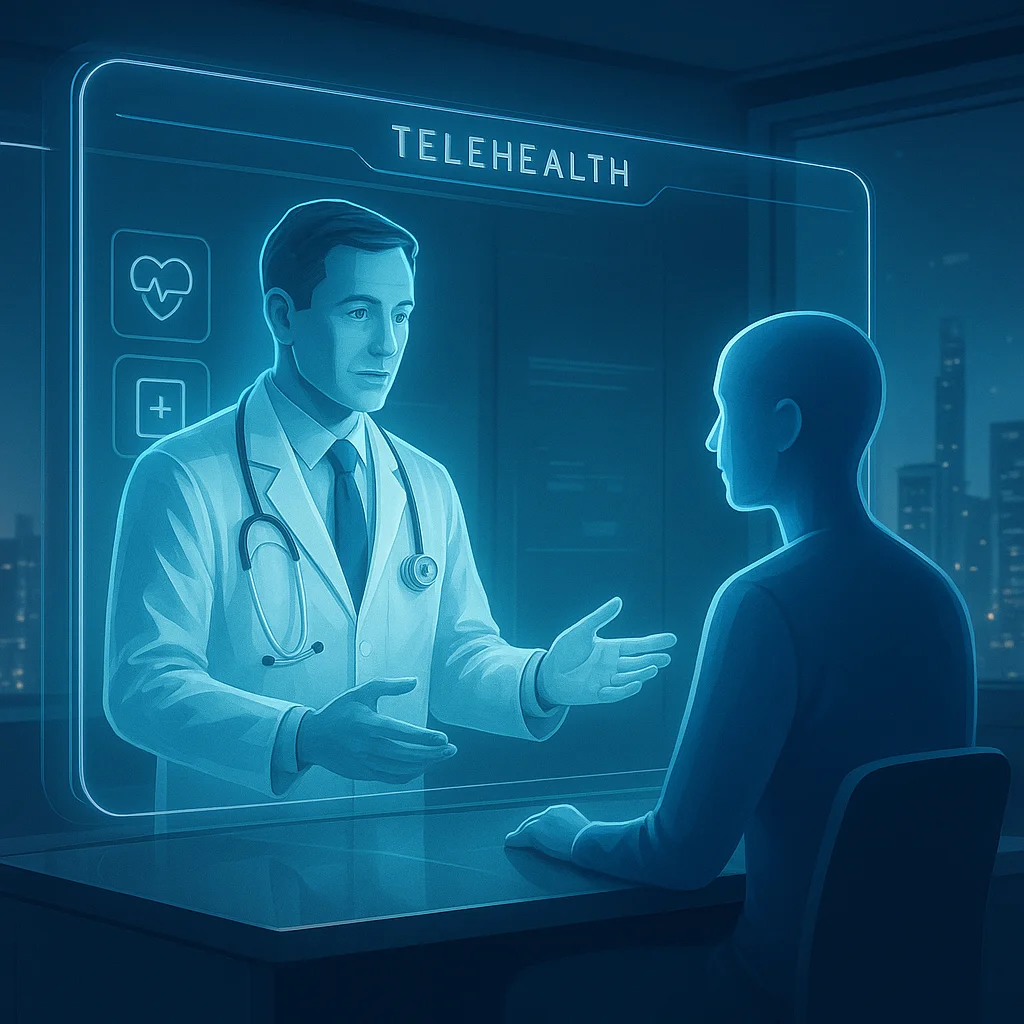
On a rainy San Diego afternoon, the soft glow of a tablet screen illuminates the face of a middle-aged woman seated in a small, sunlit corner of her modest apartment. She listens intently to the calm voice of her physician, whose presence is no longer tethered to a sterile hospital office but transmitted through this digital window. This scene, now a familiar one for millions, encapsulates the profound transformation telehealth platforms have ushered into patient care. What began as a necessity during the pandemic years has matured into a sophisticated ecosystem, reshaping how care is delivered, experienced, and integrated into daily life.
Yet this shift is not merely a matter of convenience or access. Telehealth platforms, once rudimentary video-call tools, have evolved into complex, data-driven interfaces that challenge the traditional notions of medical consultation, diagnostics, and patient engagement. They embody a rethinking of healthcare’s very architecture, blending technology, human touch, and analytics in ways that promise to redefine patient outcomes and provider roles alike.
“Telehealth is no longer a stopgap; it’s a new foundation for how we understand and deliver healthcare,” a veteran clinician told me during a recent panel discussion in San Francisco.
The story of telehealth is one of contrasts — the merging of cold digital precision with the warmth of human empathy, the vast reach of global networks with the intimacy of individual care. As we explore the layers beneath this transformation, we uncover the challenges, breakthroughs, and future directions that promise to make healthcare more responsive, equitable, and intelligent.
Tracing the Digital Footprint: From Telemedicine to Telehealth Platforms
The roots of telehealth stretch back decades, yet the journey to today’s sophisticated platforms has been punctuated by technological leaps and shifting healthcare paradigms. Early telemedicine initiatives of the late 20th century primarily focused on bridging geographical gaps for rural populations, using simple phone and video links to connect patients with distant specialists.
However, these efforts were often fragmented—lacking integration with electronic health records (EHRs), limited in scope, and constrained by bandwidth and regulatory uncertainty. The explosion of broadband internet and smartphone ubiquity in the 2010s laid the groundwork for more robust solutions. The COVID-19 pandemic accelerated this trend dramatically, forcing health systems worldwide to adopt telehealth as a primary mode of care delivery almost overnight.
By 2026, telehealth platforms have transcended basic virtual visits to incorporate a suite of functionalities: remote patient monitoring, AI-driven symptom triage, personalized health coaching, and seamless data integration across providers. This evolution reflects both technological advancements and a growing recognition that healthcare must adapt to patient lifestyles, emphasizing continuous engagement rather than episodic encounters.
Several key developments shaped this trajectory:
- Regulatory Flexibility: Temporary waivers during the pandemic opened pathways for reimbursement and interstate practice, many of which have been made permanent.
- Interoperability Standards: Initiatives to unify health data formats enabled smoother information exchange, enhancing continuity of care.
- AI and Analytics: Integration of decision-support tools improved diagnostic accuracy and personalized treatment recommendations.
- Wearables and IoT Devices: Proliferation of connected health gadgets allowed real-time monitoring and early intervention.
For a comprehensive overview of telehealth’s evolution and the current landscape, readers might explore How Telehealth Platforms Are Transforming Patient Care in 2026 on WriteUpCafe.
Data, Design, and Diagnostics: The Anatomy of Modern Telehealth Platforms
The sophistication of today’s telehealth platforms lies in their marriage of data science, user-centric design, and clinical workflows. Unlike early video-only systems, modern platforms operate as integrated hubs that collect, analyze, and act on diverse health data streams.
Consider the following pillars underpinning these platforms:
- Unified Health Records: Platforms employ cloud-based, interoperable EHR systems that consolidate patient history, lab results, imaging, and medication data in real time. According to ITWeb, unified health records are critical for transforming patient care, enabling practitioners to make informed decisions quickly and reducing errors.
- AI-Enhanced Clinical Decision Support: Machine learning algorithms sift through vast datasets to identify patterns, flag anomalies, and suggest diagnostic possibilities. This reduces clinician cognitive load and can uncover subtle signs that might be missed in traditional settings.
- Remote Monitoring and IoT: Devices such as smart blood pressure cuffs, glucose monitors, and even wearable ECG patches feed continuous data, allowing for proactive care management of chronic conditions.
- Personalized Patient Interfaces: Platforms tailor the user experience based on patient literacy, language preferences, and health goals. This includes interactive symptom checkers, medication reminders, and educational content.
- Secure Communication Channels: End-to-end encryption and multi-factor authentication safeguard sensitive information while supporting synchronous and asynchronous interactions between patients and providers.
Statistics highlight the impact: a 2025 survey by the American Telemedicine Association revealed that 72% of patients reported improved management of chronic diseases through telehealth, and 85% of providers noted enhanced workflow efficiency. Furthermore, teledermatology—a specialty that lends itself well to visual diagnostics—has seen patient satisfaction rates soar, as detailed in the International Business Times report on telemedicine’s transformation of dermatology care.
“The integration of AI with patient-generated data is shifting telehealth from reactive consultation to continuous care,” explains a leading health tech researcher at Stanford University.
2026 Milestones: Innovations and Industry Shifts Reshaping Care
This year marks a watershed moment in telehealth’s maturation. Noteworthy advances and strategic moves are redefining what these platforms can offer and how they fit into broader healthcare ecosystems.
Among the most significant 2026 developments:
- Neuro-Oncology Digital Care Models: The Mayo Clinic's recent digital transformation in brain cancer care integrates telehealth with genomic data and personalized treatment protocols, a pioneering approach spotlighted by MobiHealthNews.
- Expansion of Telehealth into Rural and Underserved Areas: Programs like Amana Care Clinic in Muscatine, Iowa, are extending specialist access through telehealth, overcoming long-standing geographic and socioeconomic barriers, as reported by Detroit Free Press.
- Regulatory and Reimbursement Evolution: The Centers for Medicare and Medicaid Services have broadened coverage for remote patient monitoring and teletherapy services, removing former caps and streamlining claims processing.
- Consolidation and Partnerships: Major health systems are partnering with tech giants to co-develop platforms that embed AI diagnostics and predictive analytics into electronic health records, fostering an ecosystem approach rather than siloed solutions.
- Focus on Mental Health Integration: Telehealth platforms now routinely include behavioral health modules, combining chatbots, video counseling, and crisis intervention tools, reflecting a holistic approach to wellness.
These developments underscore a shift from viewing telehealth as a supplementary service to recognizing it as a central pillar of comprehensive care. The ongoing digitalization also invites scrutiny of privacy frameworks and ethical considerations, challenges that stakeholders grapple with as technology embeds deeper into patient lives.
For a detailed discussion on unified health records and their role in patient care transformation, ITWeb’s analysis offers essential insights worth consulting.
Voices from the Frontlines: Expert Perspectives on Telehealth’s Impact
To understand the real-world implications of telehealth’s evolution, I spoke with clinicians, health IT specialists, and patient advocates who illuminated both its promise and pitfalls.
Dr. Elena Ramirez, a family physician in Austin, Texas, shared,
“Telehealth has transformed how I connect with patients. I can monitor their vitals remotely, intervene earlier, and tailor treatments more precisely. But it requires new skills—digital empathy, tech literacy—and a rethinking of the healer-patient relationship.”
From the technology side, Rajesh Patel, CTO of a major telehealth provider, emphasized interoperability challenges:
“Building platforms that talk seamlessly to legacy hospital systems and consumer wearables is complex. Yet it’s the only way to create a truly continuous patient record that supports informed decisions.”
Patient advocates highlight accessibility concerns. While telehealth reduces travel burdens, it risks excluding those without reliable internet or digital skills. Initiatives focusing on digital inclusion and multilingual support are critical to prevent new disparities.
These expert voices converge on one theme: telehealth’s transformation is multifaceted and requires collaboration across clinical, technical, and policy domains to realize its full potential.
Looking Ahead: What to Watch in Telehealth’s Next Chapter
As telehealth platforms continue to mature, several trends and challenges will define their trajectory over the coming years:
- Augmented Reality (AR) and Virtual Reality (VR): Emerging tools promise immersive diagnostics and rehabilitation experiences, enhancing remote physical therapy and surgical consultations.
- Advanced AI for Predictive Care: Algorithms will move beyond diagnosis to anticipate disease progression and recommend preemptive interventions.
- Greater Patient Control Over Data: Decentralized health data models, possibly leveraging blockchain, could empower patients with ownership and consent management of their health information.
- Integration of Social Determinants of Health (SDOH): Platforms will increasingly incorporate environmental, economic, and social data to personalize care beyond biology.
- Policy and Ethical Frameworks: Governments and organizations will need to craft nuanced regulations balancing innovation, privacy, and equity.
To navigate this rapidly shifting terrain, stakeholders must foster adaptable infrastructures, invest in digital literacy, and promote inclusive design. The potential payoff is immense—a healthcare system that is not only more efficient but deeply attuned to the rhythms of individual lives.
For those intrigued by the broader health tech landscape and its lifestyle intersections, you might enjoy exploring Mastering Garmin’s New Training Features: Nutrition, Lifestyle, and Beyond on WriteUpCafe.
Telehealth platforms have, in many ways, rewritten the script of patient care. They invite us to reconsider what it means to heal, to connect, and to be cared for in an increasingly digital age. The journey is ongoing, but the path forward is illuminated by innovation, empathy, and a relentless focus on improving human health.

























Sign in to leave a comment.