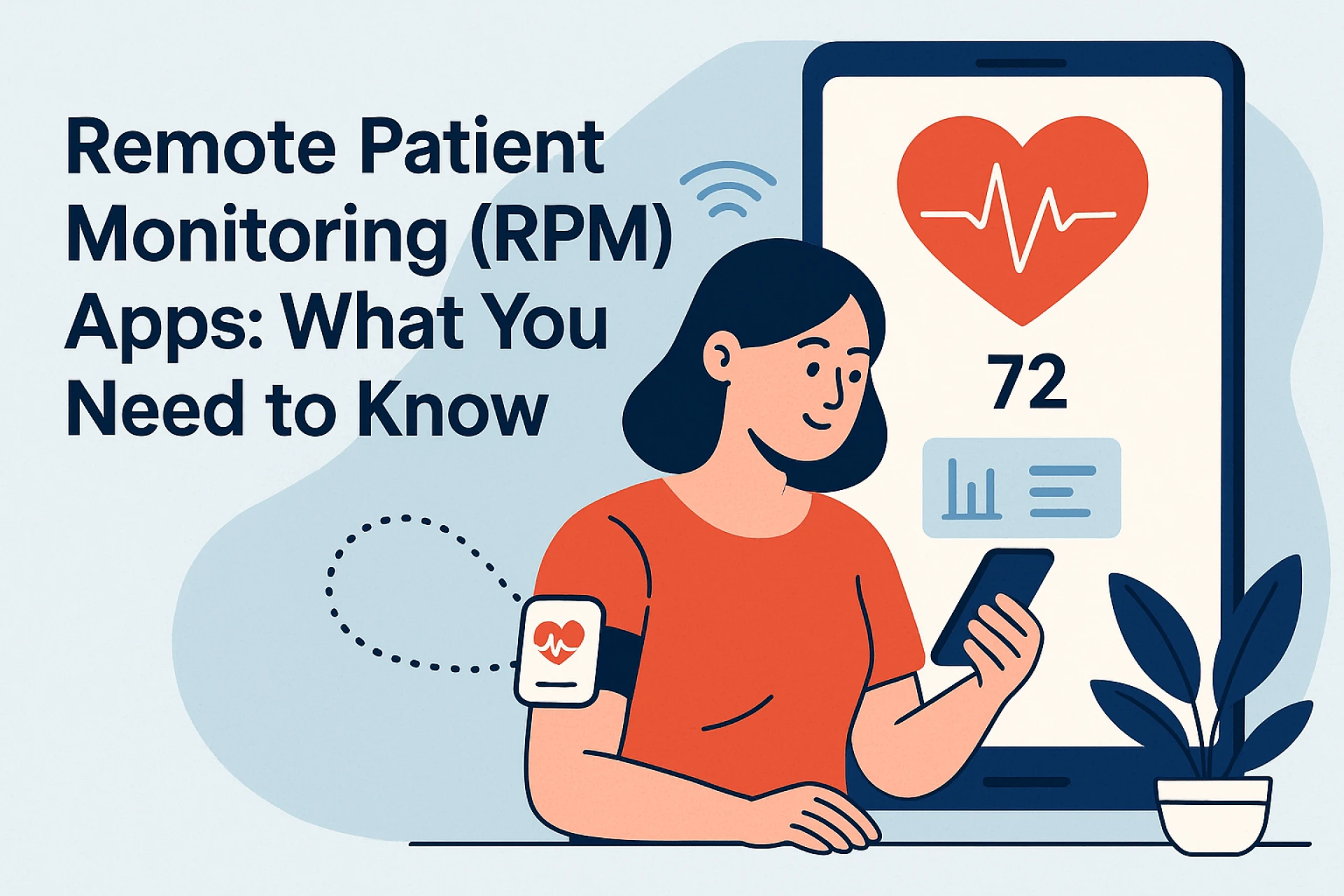
Healthcare is evolving fast, and Remote Patient Monitoring (RPM) apps are at the center of this change. These apps allow doctors to track a patient’s health remotely—no matter where they are. With the help of connected devices and mobile apps, vital health information can be shared instantly. This means faster decisions, better care, and fewer hospital visits.
What Is RPM?
Remote Patient Monitoring, or RPM, refers to using digital tools to monitor patients outside traditional healthcare settings. It allows doctors to collect health data like blood pressure, glucose levels, heart rate, and more without requiring a hospital visit. The data is usually gathered via wearable or at-home devices and sent to healthcare providers using a secure app. RPM empowers doctors to offer proactive care while patients enjoy the comfort and convenience of staying at home. It's particularly useful for managing chronic diseases like diabetes, heart conditions, or post-operative recovery.
Why RPM Apps Matter Today
The need for RPM has grown due to telehealth expansion and rising demand for continuous care. RPM apps reduce the need for frequent in-person visits, which can be tiring for patients, especially seniors or those in remote areas. These apps allow early detection of potential health issues and enable timely intervention. They also improve treatment compliance by reminding patients to check vitals or take medication. In today’s digital-first world, RPM apps create a bridge between healthcare providers and patients—ensuring care doesn’t stop at the hospital door.
Core Components of RPM Systems
Remote Patient Monitoring isn’t just about a mobile app. It involves a complete ecosystem that includes hardware, software, and cloud technologies. Each component plays a vital role in capturing, transmitting, and analyzing patient data in real time. Let’s break down the core parts that make RPM work smoothly and reliably.
Clinical-Grade Devices
These are the backbone of any RPM system. Clinical-grade devices are FDA-approved tools like smart blood pressure monitors, pulse oximeters, glucose meters, or digital ECG patches. They capture accurate, real-time data from patients. These devices are either wearable or manually operated and use wireless technologies like Bluetooth or Wi-Fi to sync with the RPM app. Their precision ensures that healthcare professionals get trustworthy information to make informed decisions. It’s crucial that these devices are easy to use, especially for elderly patients or those with limited mobility.
Patient Mobile App
The patient-facing mobile app acts as a digital health assistant. It connects to monitoring devices and displays the collected data in easy-to-read formats. Through the app, users can view their progress, receive reminders, and even chat with their care team. A well-designed app enhances user engagement by offering simple navigation, visual graphs, and educational content. It also logs symptoms or daily activities manually when devices aren’t used. The key to a successful app is making it as user-friendly and intuitive as possible for all age groups.
Cloud Infrastructure
Behind the scenes, a secure cloud system stores and processes all the patient data collected through RPM apps and devices. This infrastructure supports data encryption, real-time syncing, and scalable storage. Healthcare providers can access this data from anywhere using dashboards or integrated systems. Cloud platforms also allow AI algorithms to analyze patterns for early risk detection. Most importantly, cloud technology ensures that sensitive health information is protected, backed up, and accessible only to authorized users, meeting the requirements of HIPAA and GDPR compliance.
Provider Dashboard
Healthcare professionals need a centralized system to manage patient data—and that’s where the provider dashboard comes in. This interface displays vital signs, trends, alerts, and health histories in real time. Doctors can monitor hundreds of patients simultaneously, receive automated alerts for abnormal readings, and take timely action. Dashboards often integrate with Electronic Health Records (EHRs) for smoother workflows. With intuitive charts, color-coded risk levels, and scheduling tools, a provider dashboard acts like a control center for delivering responsive and personalized care at scale.
Types of RPM Apps
Remote Patient Monitoring apps vary based on the type of data they collect and how they engage with patients. Each app is designed to suit different medical needs, user habits, and clinical goals. Let’s explore the most common types of RPM apps and how they’re used in real-world healthcare scenarios.
Device-Driven Apps
These apps connect directly to wearable or home-based devices. They gather biometric data like heart rate, oxygen levels, or blood pressure and automatically send it to the care provider. For example, a patient with high blood pressure may use a Bluetooth-enabled monitor that sends daily readings to their doctor. The app provides visual reports, alerts for unusual readings, and sometimes medication reminders. These are especially helpful for chronic condition management, where continuous monitoring is essential. They minimize manual effort and offer real-time feedback for both patients and physicians.
Questionnaire-Based Apps
Unlike device-connected apps, these rely on user input. Patients manually enter symptoms, pain levels, mood, or general health status through structured questionnaires. These apps are widely used in behavioral health, pain management, and post-operative care. For example, a post-surgery patient might be asked daily to rate their pain and mobility. The app sends this data to their provider, who can adjust recovery plans accordingly. These apps are easy to use, especially for users without access to health devices, and they still offer valuable clinical insights.
Precision Medicine & Research Apps
These apps are designed for data collection on a large scale. They anonymize user data and send it to research institutions to study health trends, disease patterns, or treatment effectiveness. Users often volunteer their data to support medical research, and in return, receive personalized insights or recommendations. These apps often use AI to analyze large datasets, making them valuable tools in population health management. They bridge the gap between clinical practice and medical innovation, helping healthcare systems evolve based on real-world data.
Telehealth-Enabled Apps
Some RPM apps are built to support real-time communication between patients and healthcare providers. In addition to collecting data, they include features like video calling, in-app messaging, and appointment scheduling. This creates a comprehensive care loop—monitoring, consultation, and follow-up all in one app. These are ideal for chronic care management, mental health support, and rural healthcare services. The ability to consult with a doctor directly within the app enhances patient satisfaction and allows for immediate action if something seems wrong with the health data.
Types of RPM Apps
Remote Patient Monitoring apps vary based on the type of data they collect and how they engage with patients. Each app is designed to suit different medical needs, user habits, and clinical goals. Let’s explore the most common types of RPM apps and how they’re used in real-world healthcare scenarios.
Device-Driven Apps
These apps connect directly to wearable or home-based devices. They gather biometric data like heart rate, oxygen levels, or blood pressure and automatically send it to the care provider. For example, a patient with high blood pressure may use a Bluetooth-enabled monitor that sends daily readings to their doctor. The app provides visual reports, alerts for unusual readings, and sometimes medication reminders. These are especially helpful for chronic condition management, where continuous monitoring is essential. They minimize manual effort and offer real-time feedback for both patients and physicians.
Questionnaire-Based Apps
Unlike device-connected apps, these rely on user input. Patients manually enter symptoms, pain levels, mood, or general health status through structured questionnaires. These apps are widely used in behavioral health, pain management, and post-operative care. For example, a post-surgery patient might be asked daily to rate their pain and mobility. The app sends this data to their provider, who can adjust recovery plans accordingly. These apps are easy to use, especially for users without access to health devices, and they still offer valuable clinical insights.
Precision Medicine & Research Apps
These apps are designed for data collection on a large scale. They anonymize user data and send it to research institutions to study health trends, disease patterns, or treatment effectiveness. Users often volunteer their data to support medical research, and in return, receive personalized insights or recommendations. These apps often use AI to analyze large datasets, making them valuable tools in population health management. They bridge the gap between clinical practice and medical innovation, helping healthcare systems evolve based on real-world data.
Telehealth-Enabled Apps
Some RPM apps are built to support real-time communication between patients and healthcare providers. In addition to collecting data, they include features like video calling, in-app messaging, and appointment scheduling. This creates a comprehensive care loop—monitoring, consultation, and follow-up all in one app. These are ideal for chronic care management, mental health support, and rural healthcare services. The ability to consult with a doctor directly within the app enhances patient satisfaction and allows for immediate action if something seems wrong with the health data.
Key Features of a Successful RPM App
Building an effective RPM app goes beyond just collecting data. It needs to be user-friendly, secure, and capable of integrating with various systems. Here are the key features that make an RPM app stand out and truly support patients and healthcare providers.
Smart Data Acquisition
A successful RPM app must collect data seamlessly from multiple devices. This means supporting Bluetooth or Wi-Fi connectivity to sync with smart health devices automatically. The app should also integrate with popular health platforms like Apple HealthKit and Google Fit, consolidating all health data in one place. Automatic data capture reduces errors and patient burden while providing clinicians with accurate, timely information. When data collection is easy and reliable, users are more likely to stay engaged and compliant with their care plans.
System Integration
To provide comprehensive care, an RPM app must connect smoothly with hospital systems like Electronic Health Records (EHR) and practice management software. This integration helps doctors view patient data in context and update medical records without manual entry. Compliance with standards like HL7 and FHIR ensures data is exchanged securely and in the right format. A well-integrated app saves time, reduces errors, and enhances collaboration between healthcare teams for better outcomes.
User-Friendly Interface
The app’s design plays a crucial role in user engagement. It should be simple, intuitive, and accessible for all age groups, including seniors who might be less tech-savvy. Clear dashboards, easy-to-understand charts, and step-by-step guidance improve usability. Multilingual support and customizable settings add extra convenience. Some apps also include voice assistants or chatbots to answer basic questions and guide users through daily monitoring, making the experience smooth and encouraging long-term use.
Two-Way Communication
Effective communication is the backbone of RPM. The app should enable secure messaging between patients and providers, allowing quick clarifications or urgent updates. Automated alerts notify doctors of abnormal readings, while patients receive reminders for medication, appointments, or measurements. Some apps also support live video or voice calls, making remote consultations easy. This continuous, two-way communication builds trust, improves adherence, and helps catch health issues before they escalate.
AI & Predictive Tools
Incorporating Artificial Intelligence (AI) gives RPM apps a significant advantage. AI algorithms analyze collected data to predict potential health risks, such as heart attacks or diabetes complications. This proactive approach lets healthcare providers intervene earlier, potentially saving lives. AI can also personalize care plans and send intelligent alerts based on patient history. These predictive capabilities turn raw data into actionable insights, transforming RPM from simple monitoring to advanced healthcare management.
Data Security & Legal Compliance
When dealing with sensitive health information, security and legal compliance become top priorities for any RPM app. Patients and providers must trust that their data is safe from breaches and handled according to strict regulations. Let’s look at how RPM apps protect privacy and stay compliant with healthcare laws.
Data Encryption & Privacy
Encryption is the foundation of protecting patient data both in transit and at rest. RPM apps use strong encryption protocols like AES-256 to ensure that health information cannot be intercepted or accessed by unauthorized parties. Privacy policies clearly explain what data is collected, how it is used, and who can access it. Patients should always have control over their information, including options to opt-out or delete their data. Transparency builds confidence and encourages active participation in remote monitoring programs.
HIPAA & GDPR Compliance
In the United States, RPM apps must comply with the Health Insurance Portability and Accountability Act (HIPAA), which sets strict rules on handling protected health information (PHI). In Europe and other regions, the General Data Protection Regulation (GDPR) governs data privacy. Compliance involves implementing safeguards like user authentication, audit logs, and breach notification procedures. These regulations also require clear patient consent before data collection and sharing. Adhering to these laws is essential not only for legal reasons but also to maintain the trustworthiness of RPM services.
Secure User Authentication
Strong authentication mechanisms are crucial to prevent unauthorized access. Many RPM apps use multi-factor authentication (MFA), which requires users to verify identity with something they know (password) and something they have (a phone or token). Biometric options like fingerprint or facial recognition add another layer of security. By making sure only authorized patients and providers can access the app, RPM systems protect sensitive health information from cyber threats and misuse.
Regular Security Audits & Updates
Security is an ongoing process. RPM apps need regular audits by security experts to identify vulnerabilities and fix them promptly. Updates and patches ensure that the app stays protected against new threats. Developers must also monitor for suspicious activities and respond quickly to any breach attempts. This proactive security management not only safeguards patient data but also helps maintain the app’s reputation and regulatory compliance over time.
Benefits of RPM Apps for Patients and Providers
Remote Patient Monitoring apps bring significant advantages to both patients and healthcare providers. They transform how care is delivered, making it more proactive, personalized, and accessible. Let’s explore the key benefits that highlight why RPM is becoming an essential part of modern healthcare.
Improved Patient Engagement
RPM apps encourage patients to take an active role in their health by providing easy access to their own medical data. When patients can see their progress and receive reminders, they become more motivated to stick to treatment plans and lifestyle changes. This increased engagement often leads to better health outcomes and greater satisfaction. Patients feel more connected to their care team, even when they’re miles apart, which enhances trust and communication.
Early Detection and Prevention
By continuously tracking vital signs and symptoms, RPM apps help catch potential health problems before they become serious. For example, abnormal heart rhythms or rising blood pressure can trigger alerts that prompt early intervention. This preventive approach reduces hospital admissions and emergency visits, lowering healthcare costs. Early detection also improves patient safety and quality of life by addressing issues promptly.
Convenience and Accessibility
RPM apps eliminate the need for frequent in-person visits, which can be challenging for patients with mobility issues, busy schedules, or those living in remote areas. Monitoring can happen from the comfort of home, saving time and travel expenses. This convenience makes healthcare more accessible to a wider population, including elderly patients and those with chronic illnesses who require constant supervision.
Enhanced Provider Efficiency
For healthcare providers, RPM apps streamline workflows by automating data collection and alert systems. Doctors can monitor multiple patients simultaneously through dashboards, prioritizing those who need immediate attention. This efficiency allows providers to focus on delivering timely care without being overwhelmed by routine check-ins. RPM also supports better care coordination among specialists, nurses, and caregivers by sharing real-time data in one platform.
Cost Reduction
RPM can significantly reduce healthcare costs by minimizing hospital stays, emergency room visits, and unnecessary tests. Patients managing chronic conditions remotely experience fewer complications and relapses. Health systems benefit from lower resource utilization while maintaining high-quality care. Additionally, RPM programs often lead to improved patient satisfaction, which can positively impact reimbursement and healthcare ratings.
Challenges and Limitations of RPM Apps
While RPM apps offer many benefits, they also come with certain challenges. Understanding these limitations is important for developers, healthcare providers, and patients to set realistic expectations and improve future solutions.
Technical Barriers
One of the main hurdles is technology access and literacy. Not all patients have smartphones or reliable internet connections. Older adults or those unfamiliar with digital tools might struggle to use apps and devices effectively. Technical glitches or device malfunctions can lead to incomplete data or frustration. Ensuring simple interfaces, offering training, and providing technical support are essential to overcome these barriers and make RPM accessible to everyone.
Data Privacy Concerns
Despite strong security measures, patients often worry about how their health data is stored and shared. Breaches or misuse of sensitive information can have serious consequences. Some users hesitate to adopt RPM apps due to privacy fears. Transparency about data handling, strict compliance with laws, and clear consent processes help build trust. Still, privacy remains a key concern that developers must continuously address.
Integration Complexities
Integrating RPM apps with existing healthcare systems like Electronic Health Records (EHRs) can be complicated. Different systems may use incompatible data formats or lack interoperability standards. This can lead to fragmented information and extra work for providers. Achieving seamless integration requires adherence to healthcare data standards like HL7 or FHIR and collaboration between software vendors, which is often a slow process.
Reimbursement and Regulatory Challenges
Though regulatory frameworks are evolving, reimbursement policies for RPM services are not yet universal. Some insurance providers or governments may not fully cover remote monitoring costs, limiting adoption. Also, regulatory compliance varies by region, creating challenges for developers targeting multiple markets. Navigating these complex rules demands ongoing effort and can slow down deployment and scaling of RPM solutions.
Patient Engagement and Compliance
Keeping patients consistently engaged with RPM apps can be difficult. Some may lose interest over time or find it inconvenient to regularly take measurements and report symptoms. Without active participation, the effectiveness of RPM declines. Developers can encourage compliance through reminders, rewards, and personalized experiences, but sustaining long-term engagement remains a challenge.
Future Trends in Remote Patient Monitoring
Remote Patient Monitoring is evolving rapidly, fueled by advances in technology and changing healthcare needs. Looking ahead, several exciting trends will shape the future of RPM, making it more effective, accessible, and integrated.
Artificial Intelligence and Machine Learning
AI and machine learning are set to revolutionize RPM by enabling smarter data analysis. These technologies can detect subtle changes in patient health that may go unnoticed by humans. Predictive algorithms will identify risks early and suggest personalized interventions. Over time, AI will help shift healthcare from reactive to proactive care, improving outcomes and reducing costs.
Wearable Technology Innovations
Wearables will become smaller, more comfortable, and more capable. New sensors will monitor a wider range of health metrics continuously and non-invasively. Integration with smartphones and RPM apps will be seamless, allowing real-time data collection 24/7. These advancements will expand RPM’s reach to more conditions and everyday health management.
5G and IoT Connectivity
The rollout of 5G networks will boost data transmission speeds and reduce latency. This means real-time monitoring can happen even in remote areas with limited infrastructure. Coupled with the Internet of Things (IoT), a vast ecosystem of connected devices will communicate smoothly, creating a comprehensive picture of patient health. Faster connectivity will also enable more interactive and responsive care experiences.
Personalized and Preventive Healthcare
Future RPM apps will focus more on personalized care plans tailored to individual genetic, lifestyle, and environmental factors. By combining RPM data with genomics and other health insights, providers can offer customized treatments and preventive strategies. This approach promises to enhance patient engagement and improve long-term health outcomes.
Expanded Regulatory Support and Reimbursement
As the benefits of RPM become clearer, regulators and payers are expected to develop clearer guidelines and expanded reimbursement policies. This will encourage wider adoption across healthcare systems globally. Improved policies will support innovation while ensuring patient safety and data privacy, accelerating the integration of RPM into standard care practices.
Remote Patient Monitoring is not just a technology trend—it’s reshaping how healthcare is delivered. By embracing these future trends, providers and developers can create RPM solutions that are smarter, more inclusive, and more impactful for patients everywhere.
For businesses and healthcare organizations looking to build effective RPM apps, partnering with the right mobile app development company is essential. Expert developers can navigate the complex technical, regulatory, and user experience challenges to create powerful and compliant RPM solutions.










Sign in to leave a comment.