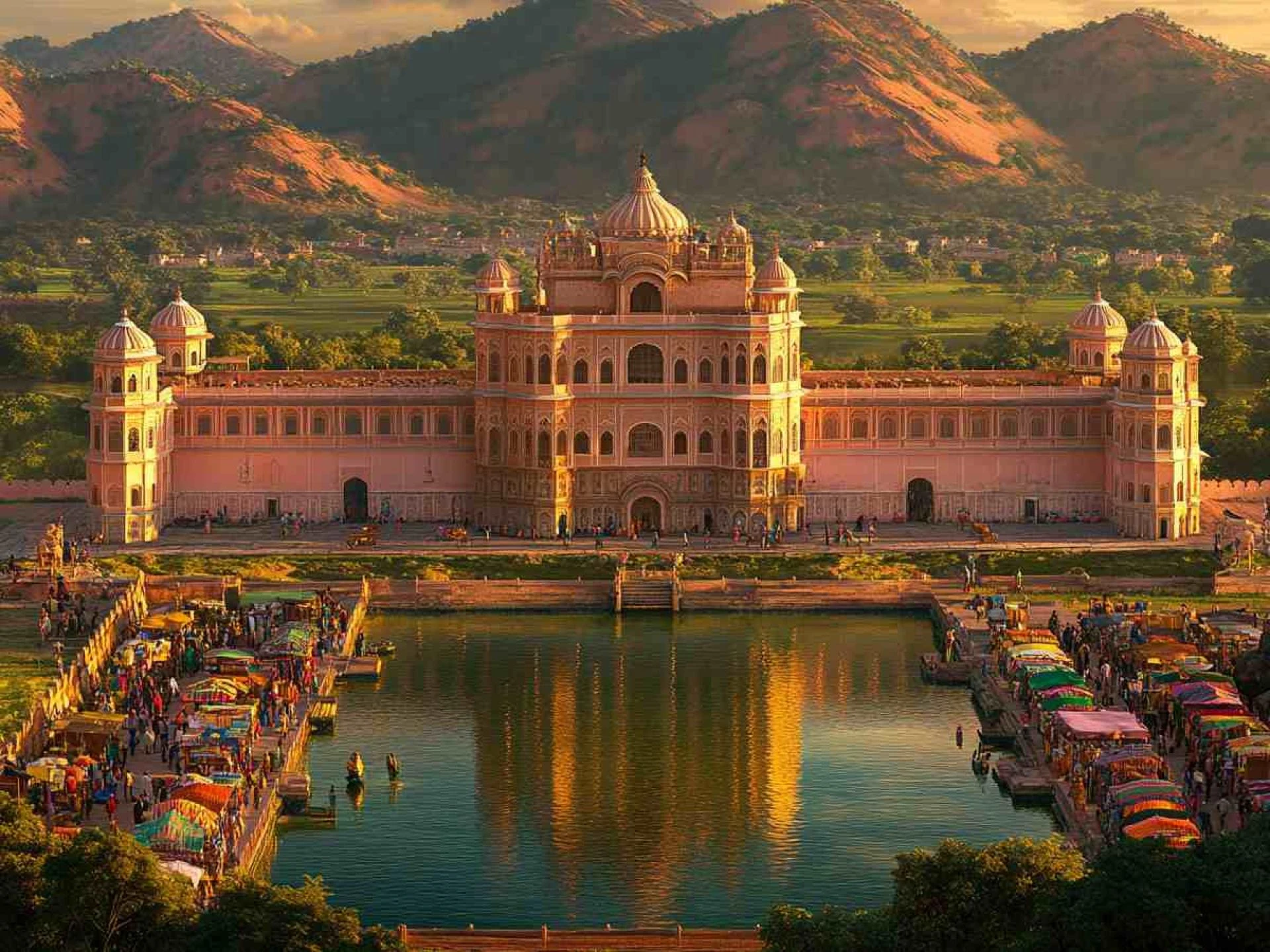

Rajasthan, India’s most vibrant desert state, is home to a city that effortlessly blends history, culture, architecture, and modern hospitality—Jaipur. Known as the Pink City, Jaipur is a destination that leaves every traveler awe-struck with its royal past, bustling bazaars, and regal architecture. For those seeking an immersive experience into the soul of Rajasthan, few places offer the depth and diversity that Jaipur does. Booking through an experienced Rajasthan tour operator ensures your visit is both memorable and seamless, allowing you to discover the city’s best-kept secrets with local insight.
The Historical Significance of Jaipur
Founded in 1727 by Maharaja Sawai Jai Singh II, Jaipur was India’s first planned city, with a unique grid-like structure influenced by Vedic architecture. The city’s walled quarters still preserve this design, giving visitors a feel of stepping back in time. Jaipur served as a crucial center for art, astronomy, and architecture during the Rajputana era, and remnants of its royal past are seen today in its majestic palaces, ancient observatories, and intricately carved temples.
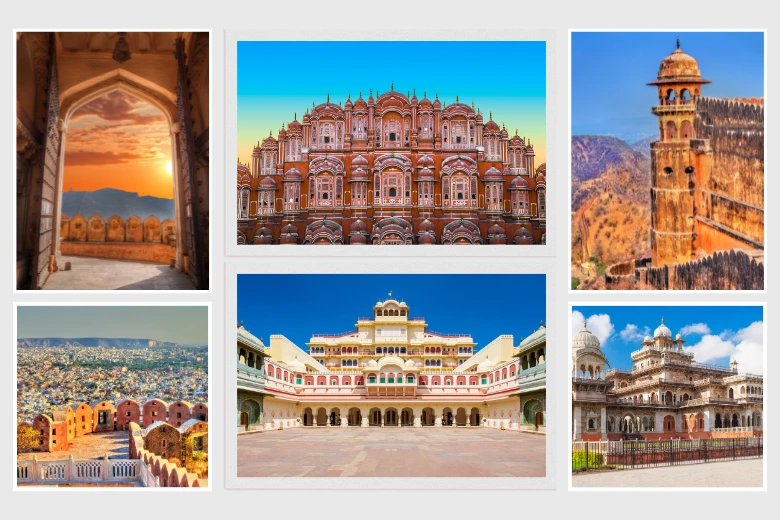
Amber Fort, perched high on a hill, is a magnificent example of Rajput military architecture blended with Mughal influences. Walk through the Sheesh Mahal (Palace of Mirrors) and feel the aura of royalty that once filled these halls. Not far from Amber lies Jaigarh Fort, a stronghold that protected the region’s wealth, including the massive Jaivana cannon.
Iconic Architectural Wonders
What makes Jaipur stand out among heritage cities is the sheer grandeur of its architectural marvels. The City Palace, still home to the former royal family, houses museums filled with artifacts, costumes, and arms of historical significance. The Jantar Mantar, a UNESCO World Heritage Site, showcases Jaipur’s contributions to astronomy with instruments that still work with remarkable precision.
Hawa Mahal, with its 953 small windows or 'jharokhas', was built to allow royal women to observe street festivals while remaining unseen. Painted in distinctive pink sandstone, it epitomizes the city’s aesthetic legacy and is one of the most photographed monuments in India.
A Cultural Immersion Like No Other
Culture in Jaipur is more than just festivals and art—it is a living, breathing part of everyday life. From the traditional attire of its locals to the age-old customs still practiced in the old city, Jaipur offers an authentic cultural immersion. The markets—Johari Bazaar, Bapu Bazaar, and Tripolia—offer a visual feast of block-printed fabrics, gemstones, lac jewelry, and handcrafted mojris.
Rajasthan’s culinary excellence can also be savored here. Traditional Rajasthani dishes like dal baati churma, laal maas, and gatte ki sabzi served in royal thalis offer a true taste of local hospitality. Many heritage hotels even host cultural evenings, complete with folk dances, puppet shows, and musical performances under the stars.
Unparalleled Hospitality in Every Corner
Jaipur’s commitment to hospitality has made it a preferred destination for both luxury and budget travelers. The city is dotted with heritage hotels that were once palaces, now restored with modern comforts but retaining their historic charm. Staying in one of these hotels, such as Rambagh Palace or Samode Haveli, is an experience in itself.
For those seeking curated experiences, the Majestic Rajasthan Getaway Tour includes exclusive stays in royal residences, private guided tours, and local interactions that make you feel less like a tourist and more like a guest of the state. The tour allows for deep explorations of Jaipur’s many facets, all delivered with impeccable service.
One Day in Jaipur: A Fulfilling Experience
Even if your time is limited, a Jaipur Full Day Tour allows you to experience the essence of the city. Begin your day with a sunrise visit to Nahargarh Fort, which offers panoramic views of Jaipur waking up. Explore the palatial grandeur of Amber Fort before heading to the City Palace and Jantar Mantar.
Enjoy a traditional Rajasthani lunch at a heritage restaurant followed by shopping in the bustling bazaars. End your day with a calming visit to the serene Jal Mahal, floating gracefully in the middle of Man Sagar Lake. This one-day itinerary captures the heartbeat of Jaipur and leaves you longing to return.
Ideal Time to Visit and Travel Tips
The best time to visit Jaipur is between October and March when the weather is pleasant for sightseeing. The city is well-connected by road, air, and rail, making travel convenient from major Indian cities. For travelers wanting to avoid crowds, early mornings offer the best photo opportunities at most heritage sites.
Booking in advance during festival seasons like Diwali or Teej is advisable. Also, traveling with a reputed local guide can add significant depth to your journey, offering historical anecdotes and insider tips that you won't find in guidebooks.
Final Thoughts
Jaipur isn’t just a city; it’s a vibrant chapter from India’s royal past that continues to breathe through its people, palaces, and traditions. It is a destination that invites you to slow down, observe, and absorb. The blend of heritage and hospitality in Jaipur offers more than sightseeing—it creates memories carved in marble, adorned in pink, and steeped in royal grace. Whether you’re a history buff, an architecture lover, or a culture enthusiast, Jaipur welcomes you with open arms and a warm heart.



























Sign in to leave a comment.