
Key Takeaways:-
- Compactor trailers reduce trips, lowering fuel costs, labor hours, and vehicle wear.
- Higher load capacity improves route efficiency and reduces total collection time dramatically.
- Fewer trips decrease emissions, supporting sustainability goals and extending landfill lifespan overall.
- Automation and compaction systems enhance worker safety while minimizing manual handling risks.
- Scalable solutions help municipalities manage growing waste volumes without increasing operational costs.
- FAQs
Waste collection is one of the most critical services that municipalities provide, yet it is often burdened by inefficiencies, rising costs, and increasing environmental concerns. As cities grow and populations expand, the demand for smarter and more efficient waste management solutions continues to rise. One of the most effective innovations in this space is the use of municipal compactor trailers in Massachusetts, which are transforming how waste is collected, transported, and managed. These trailers are designed to handle large volumes of waste efficiently, helping municipalities streamline operations and reduce overall costs.
What are Municipal Compactor Trailers?
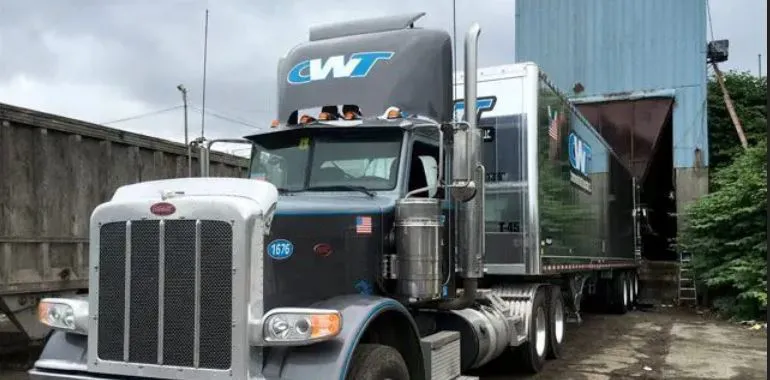
Municipal compactor trailers are specialized waste transport units equipped with built-in compaction systems that compress waste materials before transportation. This compaction significantly increases the volume of waste that can be carried in a single trip, reducing the number of trips required for disposal. In regions where waste volumes are high, such as urban areas, the use of municipal compactor trailers has become a practical and cost-effective solution for improving operational efficiency.
Reducing Transportation Frequency and Costs
One of the most immediate benefits of using compactor trailers is the reduction in transportation frequency. Traditional waste collection methods often require multiple trips to transport the same volume of waste that a single compactor trailer can handle. This results in higher fuel consumption, increased labor hours, and greater wear and tear on vehicles. By integrating compactor trailers into operations, municipalities can significantly cut down on these costs while improving overall efficiency.
Improving Load Capacity and Operational Efficiency
Compactor trailers are designed to maximize load capacity through advanced compression technology. This means that waste is compacted tightly, allowing more material to be transported in each trip. As a result, collection routes can be optimized, and fewer vehicles are needed to handle the same workload. This improvement not only enhances efficiency but also supports the effectiveness of waste transportation services in Massachusetts, which rely on streamlined logistics to deliver reliable results.
Enhancing Environmental Sustainability
Environmental sustainability is a growing priority for municipalities, and compactor trailers play a crucial role in achieving these goals. By reducing the number of trips required for waste transportation, these trailers help lower greenhouse gas emissions and fuel consumption. Additionally, the compacted waste takes up less space in landfills, contributing to better landfill management and extended site lifespans. The adoption of municipal compactor trailers in Massachusetts aligns with sustainability initiatives aimed at reducing environmental impact.
Minimizing Labor Requirements and Costs
Labor is one of the most significant expenses in waste management operations. Traditional waste collection methods often require multiple workers and extended hours to handle large volumes of waste. Compactor trailers simplify this process by reducing the number of trips and streamlining workflows. With fewer trips and more efficient loading processes, municipalities can optimize their workforce and reduce labor costs without compromising service quality.
Increasing Safety in Waste Collection Operations
Safety is a crucial consideration in waste management, as workers are often exposed to hazardous conditions. Compactor trailers help improve safety by minimizing manual handling of waste and reducing the need for frequent trips. Fewer trips mean less time spent on the road, which reduces the risk of accidents. Additionally, automated compaction systems reduce physical strain on workers, creating a safer and more efficient work environment.
Supporting Reliable and Consistent Services
Consistency is essential in municipal waste collection, as residents and businesses rely on timely and dependable services. Compactor trailers help ensure that waste collection schedules are maintained without delays caused by inefficiencies. By increasing capacity and reducing downtime, these trailers support the overall reliability of waste transportation services, ensuring that communities receive consistent and high-quality service.
Adapting to Growing Waste Demands
As urban populations continue to grow, waste generation increases accordingly. Municipalities must find ways to scale their operations without significantly increasing costs. Compactor trailers provide a scalable solution by allowing more waste to be handled with fewer resources. This adaptability makes them an ideal choice for cities planning for long-term growth and increased demand for waste management services.
Integrating Technology for Better Performance
Modern compactor trailers often come equipped with advanced technology that enhances performance and monitoring capabilities. Features such as automated controls, real-time tracking, and data analytics allow municipalities to optimize their operations further. These technologies provide valuable insights into waste collection patterns, helping decision-makers improve efficiency and reduce costs over time.
Reducing Equipment Wear and Maintenance Costs
Frequent trips and heavy usage can lead to increased wear and tear on waste collection vehicles. By reducing the number of trips required, compactor trailers help extend the lifespan of equipment and lower maintenance costs. This not only saves money but also ensures that operations run smoothly without unexpected breakdowns or disruptions.
Strengthening Overall Waste Management Strategies
The integration of compactor trailers into municipal waste systems enhances the overall effectiveness of waste management strategies. These trailers complement other systems such as recycling programs and transfer stations, creating a more cohesive and efficient operation. By adopting waste transportation services in Massachusetts that incorporate compactor trailers, municipalities can achieve better results across all aspects of waste management.
FAQs
What are municipal compactor trailers used for?
Municipal compactor trailers are used to compress and transport large volumes of waste efficiently, reducing trips and operational costs.
How do compactor trailers improve efficiency?
They increase load capacity, reduce transportation frequency, and streamline waste collection processes, saving time and resources.
Are compactor trailers environmentally friendly?
Yes, they reduce fuel usage and emissions by minimizing trips, helping municipalities meet sustainability goals.
Do compactor trailers reduce labor costs?
Yes, they improve workflow efficiency, allowing municipalities to handle more waste with fewer resources and less labor time.
Municipal compactor trailers are revolutionizing waste collection by improving efficiency, reducing costs, and supporting sustainability goals. Choose Commonwealth Waste Transportation, LLC for efficient, reliable, and cost-effective waste solutions tailored to your municipal needs today and sustainable. Contact us now by calling (978) 265-4482 for professional service.































Sign in to leave a comment.