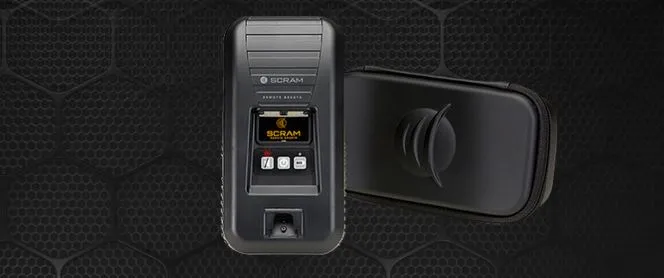

Offender monitoring services play a critical role in Michigan’s criminal justice system, offering a structured alternative to incarceration while ensuring public safety and accountability. Whether used pre-trial, during probation, or as part of parole conditions, these services rely on advanced technology and strict compliance measures to monitor individuals effectively.
What Are Offender Monitoring Services?
Offender monitoring services involve the use of electronic devices—commonly known as GPS tethers or ankle monitors—to track an individual’s location and activities. These systems help courts and law enforcement agencies ensure that offenders comply with legal restrictions without requiring full-time incarceration.
Monitoring can include:
- GPS Tracking – Real-time location monitoring
- RF (Radio Frequency) Monitoring – Confirms presence at a specific location (like home)
- Alcohol Monitoring – Detects alcohol consumption through wearable devices
- Curfew Enforcement – Ensures individuals remain within approved time limits
How Offender Monitoring Works in Michigan
In Michigan, offender monitoring programs are typically ordered by a judge as part of a legal requirement. Once enrolled, the individual is fitted with a monitoring device that transmits data to a centralized system.
Here’s how the process works:
- Court Order Issued – A judge mandates electronic monitoring
- Device Installation – The offender is fitted with a tether device
- Monitoring Setup – Parameters like curfew zones and exclusion areas are configured
- Real-Time Tracking – Authorities receive continuous updates
- Alerts & Violations – Any breach (leaving a zone, tampering, etc.) triggers immediate alerts
Types of Offender Monitoring Services
1. GPS Tether Monitoring
GPS tethers provide real-time tracking and are commonly used for higher-risk individuals. They allow authorities to define inclusion and exclusion zones.
2. House Arrest Monitoring
Also known as home detention, this restricts individuals to their residence except for approved activities like work or medical visits.
3. Alcohol Monitoring
Devices such as SCRAM bracelets detect alcohol consumption and are often used in DUI-related cases.
4. Mobile Monitoring Solutions
Some programs use smartphone-based systems for low-risk offenders, combining GPS tracking with regular check-ins.
Benefits of Offender Monitoring Services
- Reduced Jail Overcrowding – Helps manage prison populations effectively
- Cost-Effective – Less expensive than incarceration
- Rehabilitation Support – Allows individuals to maintain jobs and family connections
- Enhanced Public Safety – Continuous monitoring reduces risk of reoffending
- Flexibility – Customizable conditions based on individual cases
Legal and Compliance Considerations
Participants in monitoring programs must adhere to strict rules, including:
- Following curfew schedules
- Avoiding restricted areas
- Keeping the device charged and intact
- Attending scheduled check-ins
Failure to comply can result in penalties, including fines, extended monitoring, or incarceration.
Choosing the Right Offender Monitoring Provider
When selecting a monitoring service in Michigan, consider:
- Technology Reliability – Accuracy of GPS tracking and alert systems
- 24/7 Monitoring Support – Immediate response to violations
- Experience & Reputation – Proven track record in offender monitoring
- Flexible Programs – Options tailored to court requirements
- Customer Support – Clear communication and assistance
Conclusion
Offender monitoring services in Michigan provide a balanced approach between enforcement and rehabilitation. By leveraging modern technology, these programs ensure compliance while giving individuals the opportunity to remain active in their communities.
If you’re looking for a dependable and professional solution, EMS Tether offers reliable offender monitoring services designed to meet court requirements while prioritizing accuracy, support, and accountability.


































Sign in to leave a comment.