

For years, I battled with my hair, not with the usual tangles or lack of volume, but with an adversary that seemed impossible to defeat: frizz. My mornings were spent wrestling with flyaways, and my evenings were consumed with treatments that promised glossy, smooth hair but delivered only temporary relief. If you've ever looked in the mirror and sighed at the sight of your hair standing on end, you know the struggle. But after countless experiments, product trials, and lifestyle tweaks, I've finally tamed the beast. Here, I share my journey and the comprehensive strategies that have transformed my hair from frizzy to fabulous.
Understanding Frizz
Frizz is not merely a cosmetic one, it is a reflection of the stress in hair. In hair, the flat cuticle layer rises from its normal state when humidity from outside the hair enters the hair cortex. This leads to the hair increasing in volume, bend, and contort, creating the "untamed look". Humidity, hot styling, chemical manipulations, and even the inherent texture of hair can make it worse.
My next step was to figure out what made my hair frizzy. I heard that my hair is high porosity and this is the reason why it was so frizzy. I also understood that my everyday routines such as daily shampooing and using high-temperature styling were counterproductive. Armed with this, I started making changes, with hydration as a first step.
Hydration: The Foundation of Frizz-Free Hair
Hydration is more than just drinking water; it's about ensuring your hair retains moisture where it needs it most. I am now actively using a hydration shampoo and conditioner pair containing hyaluronic acid and argan oil. This combination of ingredients contributes to the retention of moisture in the hair, smoothing the cuticle.
Moreover, I added a leave-in conditioner to my regimen, which I felt was essential for keeping the moisture in place from morning until evening. I chose a lightweight formula to avoid weighing down my hair, applying it to damp hair before drying. Not only did this prevent my hair from becoming dried out, but it also created a protective barrier against environmental agents which could lead to the formation of frizzy hair structures.
Stepping Away from Heat
Perhaps the biggest life decision was trying to minimize my use of heat styling devices. The thing that frizzy hair’s fiercest enemy is indeed the heat is the breaking down of the hair cuticle, which in turn results in the hair becoming dry and so frizz is caused. I used a quality heat protectant spray, but what matters is I finally accepted my natural texture.
For days when I needed a bit of styling, I switched to lower heat settings or used heatless methods like wrapping my hair around large rollers overnight or employing the French braiding technique for waves. Air drying was my usual choice, but if I was low on time, I would plug an appliance into the lowest setting on my diffuser to keep my natural curl intact while avoiding any frizz.
Choosing the Right Products
Not all hair products, in particular, are effective at fighting frizz. I began to read labels very attentively and made every effort to steer clear of anything that contained alcohol as alcohol can cause the scalp to dry out. I, however, searched primarily for products containing silicones to achieve a smooth surface but applied them cautiously to prevent clogging.
Serums and oils became my new best friends. Adding a little argan or jojoba oil to the ends of my scalp post-rinsing provided moisture retention. Anti-frizz creams and sprays for fighting humidity were equally revolutionary, especially for those days when the weather forecast did not have my hair's back.
Revamping My Hair Washing Routine
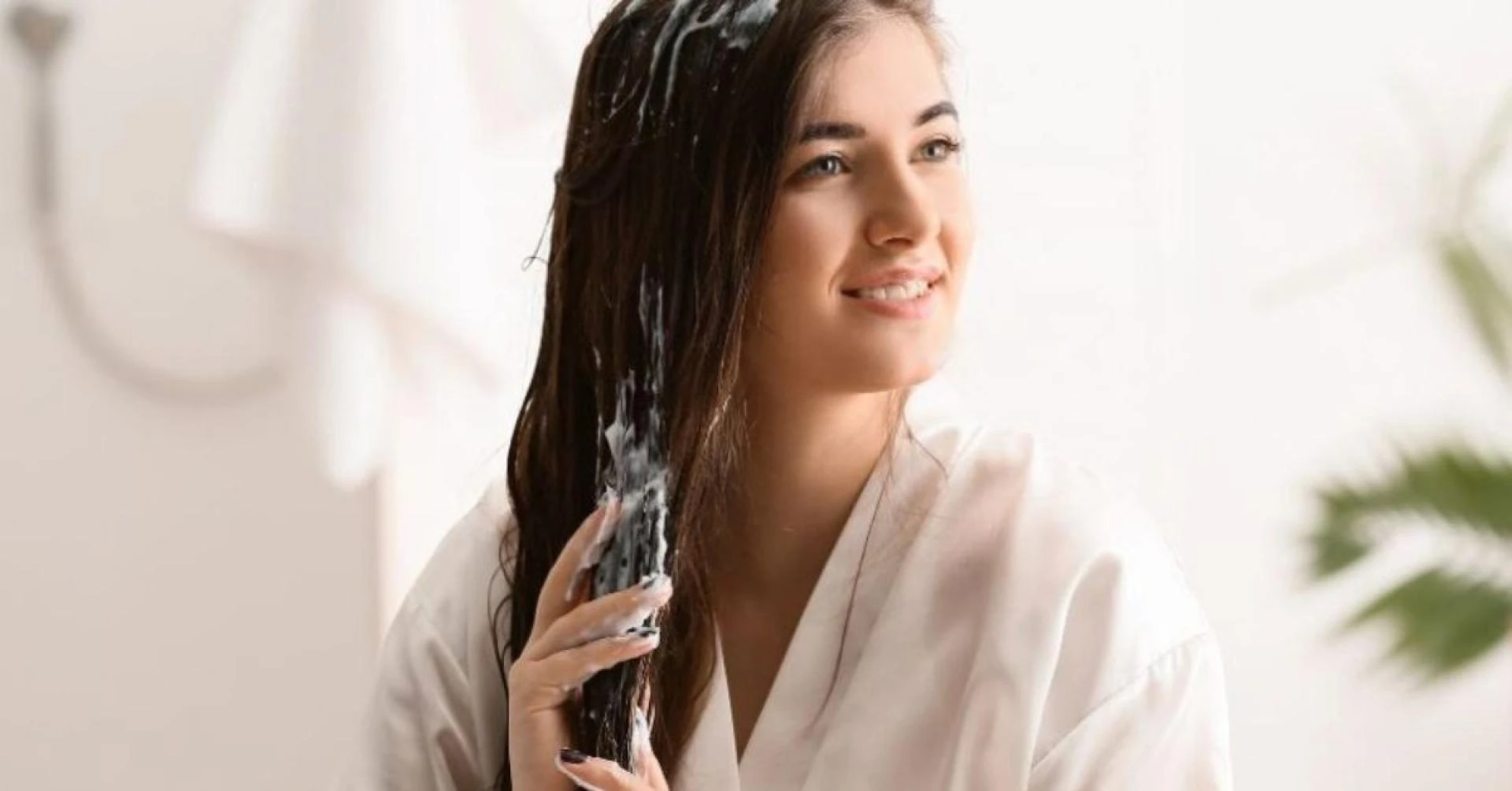
Washing my hair less often was a revelation. I used to wash it every day, but I found that was removing all of the oil, and that made it more frizzy. I adjusted to washing every other day, or even every three days, using dry shampoo on off days to keep my scalp fresh.
Another technique I adopted was rinsing my hair with cold water after washing. It sounds like a small thing, but it made a big difference by sealing the hair cuticle, which in turn reduced frizz. I made a point to do so with every wash, even if just a quick splash of cold water at the end of my shower.
Brushing and Detangling with Care
Brush my hair, particularly when damp, was a minefield for frizziness. I switched from a regular brush to a wide-tooth comb, which is much gentler on wet hair. I learned to detangle by first working from the ends to the roots to reduce breakage and tangling.
For days when my hair felt particularly unruly, I used a detangling spray or conditioner to smooth things out before combing. Not only did this alleviate the pain to me, but it also did minimal damage to my hair and it left my hair looking natural and smooth.
Humidity Control
Being in a humid environment, I needed to be careful strategizing about moisture in the air. I began to apply products that are tailored to create a moisture barrier, i.e., leave-in conditioners with an anti-humidity effect.
At home, I invested in a small dehumidifier for my bedroom, which not only helped with my hair but improved my overall comfort level. On humid days, I'd style my hair in a way that minimized exposure to the elements, like loose braids or updos, which kept my hair looking sleek.
Deep Conditioning and Protein Treatments
Weekly deep conditioning masks became a routine item in my hair care. This frizz treatment provided intense hydration and nourishment, repairing damage that could lead to frizz. I screened masks for shea butter, coconut oil, or avocado oil mask for the highest levels of hydration.
On occasion, I'd apply a protein treatment to thicken my hair. However, I learned that too much protein could make my hair brittle, so I balanced it with moisture-rich products. In this way, my hair could not be affected by frizz thanks to it being not dry nor damaged.
Regular Trimming
Regular trims were one of the simplest but very powerful approaches. Splits travel up the hair shaft and thereby lead to even more frizz and damage. Cutting my ends off every 6-8 weeks with a trim not only prevented those split ends from making their way further down my hair but also prevented any further damage.
It wasn't only a matter of length, it was about my hair's health. Each trim helped preserve the structure and the state of my hair, so the ends felt smoother and less frizzy.
Sleep Routine for Hair Health
Lastly, I changed how I slept. Cotton pillowcases were switched for silk ones, which then led to less friction and as a result, less frizz. Alternatively, wrapping my hair in a silk scarf at night worked wonders.
This small change in my bedtime routine made a noticeable difference in the morning. My hair was also glossier, and the natural sebum from the scalp was distributed more evenly, reducing the need for extra products.
Conclusion
My journey to frizz-free hair was not overnight, but through patience, experimentation, and a lot of learning, I've found peace with my hair. Every step demanded commitment and the reward in the feeling of confidence and ease has been great. If you're struggling with frizz, remember that it's about understanding your hair, giving it what it needs, and sometimes, giving it a break from what it doesn't. Here's to better days to come for everyone who’s fighting the frizz!


















Sign in to leave a comment.