
Diabetic retinopathy is a serious eye condition that affects individuals with diabetes, potentially leading to vision loss if not managed properly. For residents of Clearwater, Florida, finding a qualified diabetic retinopathy specialist in Clearwater is crucial for preserving vision and maintaining overall eye health. This comprehensive guide explores the importance of specialized care, what to look for in a diabetic retinopathy specialist in Clearwater, and how to make informed decisions to protect your vision.
Understanding Diabetic Retinopathy
Diabetic retinopathy is a complication of diabetes that damages the blood vessels in the retina, the light-sensitive layer at the back of the eye. High blood sugar levels weaken these vessels, causing them to leak fluid or bleed, which can lead to swelling (macular edema) or abnormal blood vessel growth (proliferative diabetic retinopathy). If left untreated, it can result in severe vision impairment or blindness. According to the CDC, approximately 9.6 million people in the United States had diabetic retinopathy in 2021, with 1.84 million experiencing vision-threatening forms.
The condition progresses in stages:
- Non-proliferative Diabetic Retinopathy (NPDR): Early stage where small blood vessels leak fluid or form deposits, often without noticeable symptoms.
- Proliferative Diabetic Retinopathy (PDR): Advanced stage where new, abnormal blood vessels grow, potentially causing retinal detachment or severe vision loss.
- Diabetic Macular Edema (DME): Swelling in the macula, the part of the retina responsible for sharp central vision, which can occur at any stage.
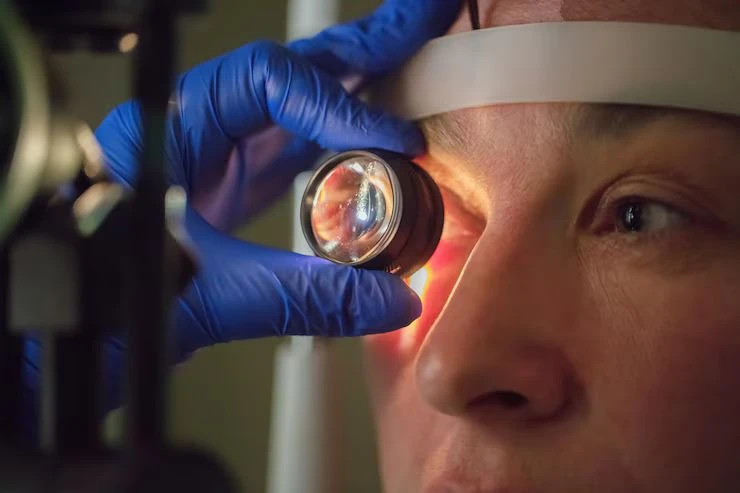
Early detection through regular eye exams is critical, as diabetic retinopathy often has no symptoms in its early stages. A diabetic retinopathy specialist in Clearwater can provide the expertise needed to diagnose and treat this condition effectively.
Why You Need a Diabetic Retinopathy Specialist in Clearwater
Diabetic retinopathy requires specialized care beyond what a general ophthalmologist or optometrist can offer. A diabetic retinopathy specialist in Clearwater is typically a retina specialist—an ophthalmologist with advanced fellowship training in diseases of the retina and vitreous. These specialists are equipped with the knowledge and tools to manage complex conditions like diabetic retinopathy using advanced diagnostics and treatments.
Benefits of Seeing a Specialist
- Expert Diagnosis: Retina specialists use cutting-edge tools like Optical Coherence Tomography (OCT) and Fluorescein Angiography to detect subtle changes in the retina before symptoms become severe.
- Advanced Treatments: Treatments such as laser therapy, anti-VEGF injections, and vitrectomy are often performed by retina specialists to manage diabetic retinopathy and prevent vision loss.
- Personalized Care Plans: Specialists tailor treatments to the patient’s specific condition, considering factors like diabetes control, blood pressure, and overall health.
- Preventative Focus: Regular monitoring by a diabetic retinopathy specialist in Clearwater can catch issues early, significantly reducing the risk of blindness.
Clearwater is home to several reputable retina centers, such as the Retina Group of Florida and the Healthy Vision Institute, where patients can access top-tier care from fellowship-trained specialists.
Qualities to Look for in a Diabetic Retinopathy Specialist in Clearwater
Choosing the right diabetic retinopathy specialist in Clearwater involves evaluating several key factors to ensure you receive the best care possible. Here are the qualities to prioritize:
1. Credentials and Experience
Look for a board-certified ophthalmologist with fellowship training in vitreoretinal surgery or retinal diseases. Specialists like Dr. James Powers at the Healthy Vision Institute or Dr. Andrea L. Lusk at Eye Site of Tampa Bay have extensive experience treating diabetic retinopathy and other retinal conditions. Confirm that the specialist has a strong track record, ideally with high patient ratings (e.g., an average of 4.4 stars for Clearwater doctors treating diabetic retinopathy).
2. Access to Advanced Technology
The best diabetic retinopathy specialists in Clearwater use state-of-the-art diagnostic tools, such as:
- Optical Coherence Tomography (OCT): Provides detailed images of the retina’s layers to detect swelling or abnormalities.
- Fluorescein Angiography: Highlights blood vessel changes using a special dye.
- Fundus Photography: Monitors disease progression over time.
Clinics like the Retina Institute and Clearwater Eye and Laser Center are known for employing advanced imaging technologies to ensure accurate diagnoses.
3. Comprehensive Treatment Options
A top diabetic retinopathy specialist in Clearwater should offer a range of treatments, including:
- Laser Therapy: Focal or pan-retinal photocoagulation to seal leaking vessels or shrink abnormal ones.
- Anti-VEGF Injections: Medications like Avastin or Lucentis to reduce swelling and inhibit abnormal vessel growth.
- Steroid Injections: To manage inflammation and edema in certain cases.
- Vitrectomy: A surgical procedure for advanced cases involving severe bleeding or retinal detachment.
Facilities like Retina Vitreous Associates of Florida provide modern intravitreal therapies and access to clinical trials for cutting-edge treatments.
4. Patient-Centered Care
The best specialists prioritize patient education and communication. For example, Dr. James Powers at Healthy Vision Institute emphasizes open collaboration with patients, ensuring they understand their condition and treatment options. Look for clinics with positive patient reviews highlighting thorough exams, clear explanations, and compassionate care, such as those at Healing Eye Care or Clearwater Eye and Laser Center.
5. Accessibility and Convenience
Choose a specialist with a convenient location in Clearwater or nearby areas like Tampa or St. Petersburg. Clinics like the Retina Group of Florida offer easy access for residents across the Tampa Bay area. Additionally, verify that the clinic accepts your insurance and offers flexible appointment scheduling. Healing Eye Care, for instance, accepts a wide range of insurance plans to make care accessible.
Top Clinics and Specialists in Clearwater
Clearwater is home to several esteemed eye care facilities with diabetic retinopathy specialists. Here are some notable options:
Retina Vitreous Associates of Florida
At Retina Vitreous Associates of Florida, specialists like Dr. David Eichenbaum and Dr. Ashley Crane, provide advanced therapies and access to clinical trial opportunities for diabetic retinopathy. Patients value the professional and compassionate care. Contact: (727) 445-9110.
Healthy Vision Institute
Led by Dr. James Powers, a renowned retinal surgeon, this clinic specializes in diabetic retinopathy, macular degeneration, and cataracts. Patients praise the compassionate care and advanced diagnostics, with testimonials highlighting the staff’s professionalism and thoroughness. Contact: (727) 738-5900.
Retina Group of Florida
This center features specialists like Dr. Matthew Donovan, who bring extensive training in retinal care. They offer comprehensive treatments for diabetic retinopathy and other retinal conditions, with a focus on patient convenience and cutting-edge care. Contact: (727) 445-9110.
Clearwater Eye and Laser Center
Dr. Kyle Linsey and Dr. Tanya Perich specialize in diabetic eye care, offering preventative exams and advanced treatments. The clinic is noted for its patient-centered approach and use of modern technology. Contact: (727) 446-7578.
Eye Site of Tampa Bay
Dr. Andrea L. Lusk, a fellowship-trained retina specialist, provides non-surgical treatments for diabetic retinopathy. The clinic is recognized for its innovative approaches and high patient satisfaction.
How to Prepare for Your Visit to a Diabetic Retinopathy Specialist in Clearwater
To make the most of your appointment, follow these steps:
- Gather Medical History: Bring a record of your diabetes management, including A1C levels, medications, and any previous eye exams.
- List Symptoms: Note any vision changes, such as blurriness, floaters, or difficulty seeing at night.
- Check Insurance Coverage: Confirm that the specialist accepts your insurance to avoid unexpected costs.
- Prepare Questions: Ask about treatment options, follow-up frequency, and lifestyle changes to support eye health.
- Expect a Dilated Exam: Most specialists will dilate your pupils to examine the retina, so arrange transportation if needed, as your vision may be temporarily blurry.
Lifestyle Tips to Support Eye Health
In addition to seeing a diabetic retinopathy specialist in Clearwater, adopting healthy habits can help manage diabetic retinopathy:
- Control Blood Sugar: Maintain an A1C level below 7.0, as recommended by the American Diabetes Association, to reduce retinal damage.
- Monitor Blood Pressure and Cholesterol: High levels increase the risk of retinopathy progression.
- Healthy Diet and Exercise: A balanced diet rich in antioxidants and regular physical activity can support overall health and reduce complications.
- Avoid Smoking: Tobacco use exacerbates blood vessel damage, increasing retinopathy risk.
- Regular Eye Exams: Annual dilated exams are essential for early detection, even if you have no symptoms.
The Importance of Early Detection and Regular Monitoring
Diabetic retinopathy is a progressive disease, and early intervention is key to preventing vision loss. The National Eye Institute emphasizes that regular eye exams can reduce the risk of severe vision loss by up to 60% through timely treatments like laser surgery or anti-VEGF therapy. A diabetic retinopathy specialist in Clearwater can create a monitoring schedule tailored to your condition, typically recommending exams every 6–12 months depending on severity.
For those with type 1 diabetes, the American Diabetes Association recommends a comprehensive dilated eye exam within 5 years of diagnosis, followed by annual check-ups. For type 2 diabetes, an exam is recommended at diagnosis and annually thereafter.
Conclusion
Finding the best diabetic retinopathy specialist in Clearwater for your eye health is a critical step in managing this potentially sight-threatening condition. By choosing a board-certified retina specialist with access to advanced diagnostics, comprehensive treatment options, and a patient-centered approach, you can protect your vision and maintain your quality of life. Clinics like Healthy Vision Institute, Retina Group of Florida, and Clearwater Eye and Laser Center offer exceptional care, with specialists like Dr. James Powers, Dr. Matthew Donovan, and Dr. Tanya Perich leading the way in diabetic retinopathy management.
Take proactive steps today by scheduling a comprehensive eye exam with a diabetic retinopathy specialist in Clearwater. Early detection, combined with expert care and healthy lifestyle choices, can make all the difference in preserving your vision for years to come. For more information or to book an appointment, contact one of the recommended clinics and start your journey to optimal eye health.












Sign in to leave a comment.