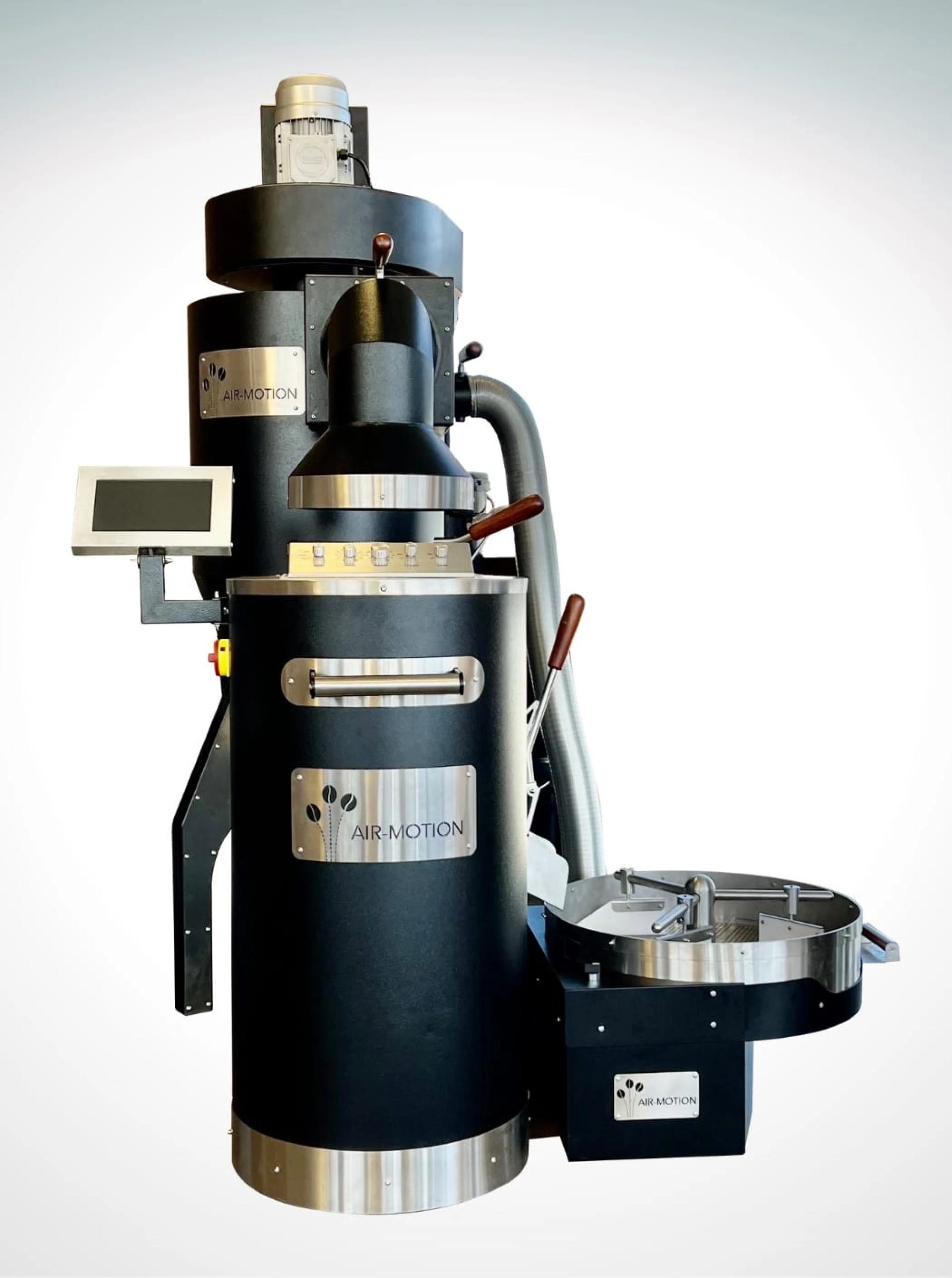
A Morning Like Any Other, But Different... You walk into your roasting space early in the morning, the hum of machines waiting, the smell of green beans ready to transform.
Now here’s the twist: every roast doesn’t just shape flavor, it shapes your energy bill too. This blog isn’t about telling you what you already know but about nudging you toward fresh ways of thinking.
If you’ve ever wondered how to run the best commercial coffee roasting machine without wasting energy, this piece will give you practical tips worth holding onto. Keep reading because the little tweaks might surprise you.
Tip 1: Fine-Tune Your Preheating Routine
Energy waste often begins before the first bean hits the chamber. Preheating is necessary, but leaving the roaster idling too long drains power. Many operators start machines early “just in case.” That habit stacks up into hundreds of dollars over a season. A better way? Time preheating closer to actual roasting, and use digital controls to monitor stability. The more you shorten idle time, the less heat slips away unused.
This is especially true with an air coffee roaster, where airflow and temperature adjustments are sensitive. Letting the system idle too long not only eats energy but can also change airflow dynamics, making your roast less predictable. Energy efficiency here isn’t just about saving money—it’s about saving consistency.
Tip 2: Adjust Batch Sizes for Efficiency
Here’s something many overlook: running small batches back-to-back often costs more energy than roasting at fuller capacity. It’s like heating an oven just to toast a single slice of bread. A commercial roaster is designed for momentum. Loading closer to capacity balances heat distribution and keeps airflow efficient.
Operators who have tested air-motion roaster vs hot air roaster methods often notice how batch size plays into results. A smaller load may cool airflow too quickly, forcing the system to push harder. A full or near-full load creates stability, which means less strain on your energy supply. The lesson? Match batch size to the machine’s sweet spot, not just the order volume.
Tip 3: Dial In Airflow with Precision
Hot air is the engine behind any air coffee roaster. But more airflow isn’t always better. Too much can dry out the beans prematurely or over-evacuate heat, causing the system to overcompensate.
Use your airflow controls to maintain the roast curve without forcing the machine to work harder than necessary. It’s the balance between bean suspension and heat retention that drives both energy efficiency and roast quality…
Tip 4: Keep Maintenance Tight
Think about how a car burns more fuel when filters clog or parts wear down. A roaster is no different. Your coffee roasting machine performs best when maintained regularly.
Inspect insulation, air seals, and exhaust paths weekly. Even minor leaks in hot air systems can force the roaster to draw more power to reach target temperatures. Clean machines not only roast better—they run leaner.
Tip 5: Invest in Smart Roast Profiling
Modern air roasting systems—especially those built for commercial operations—are often programmable. Use this to your advantage. Record and refine profiles not just for flavor, but for thermal efficiency.
Sometimes, small adjustments in temperature ramps or dwell time between first and second crack can shave minutes off the roast without compromising quality. These saved minutes accumulate into real energy savings over weeks and months.
Tip 6: Compare Roasting Methods for Efficiency Gains
One frequently asked question among commercial operators is: air-motion roaster vs hot air roaster—what’s the difference in energy usage?
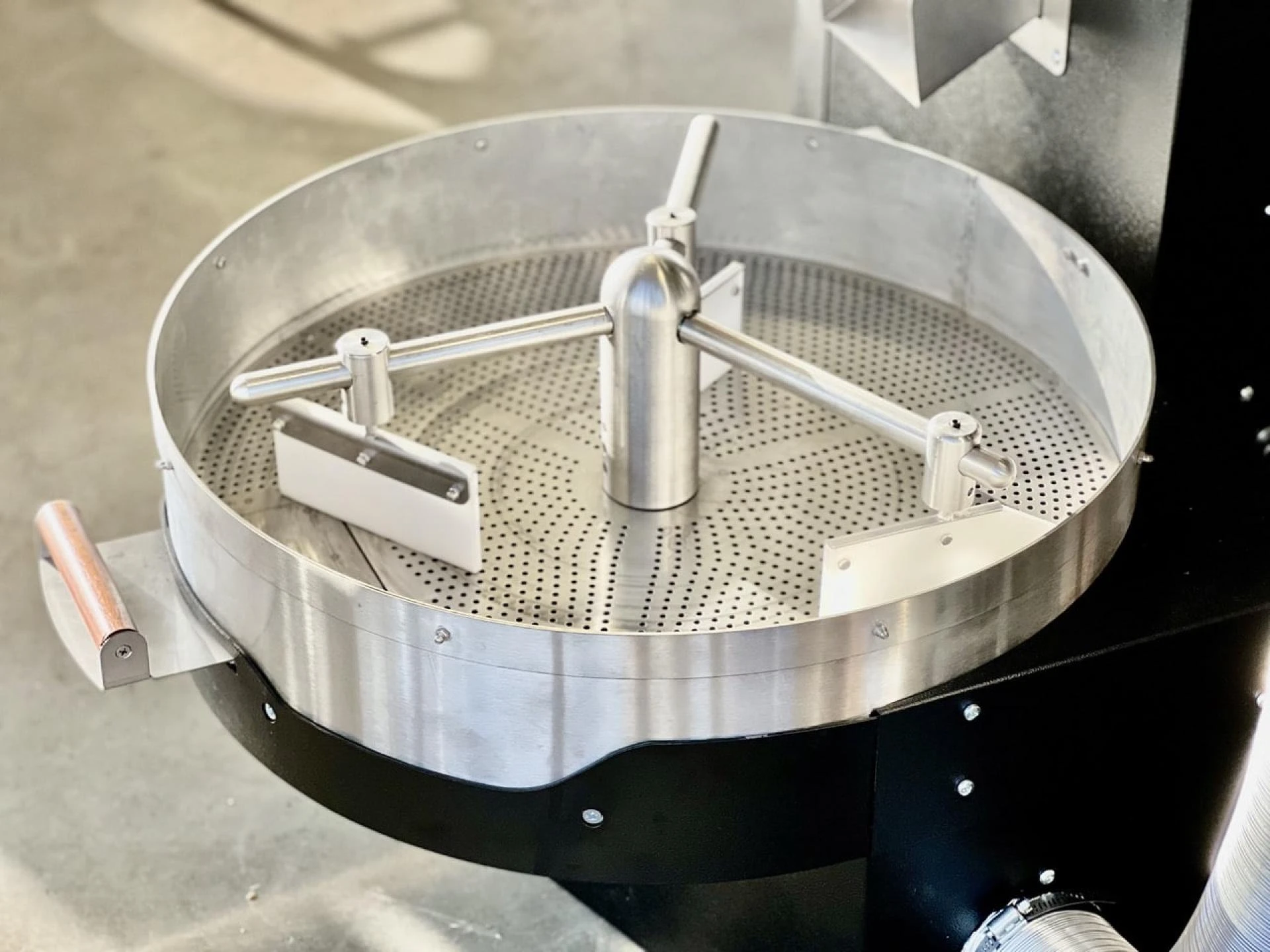
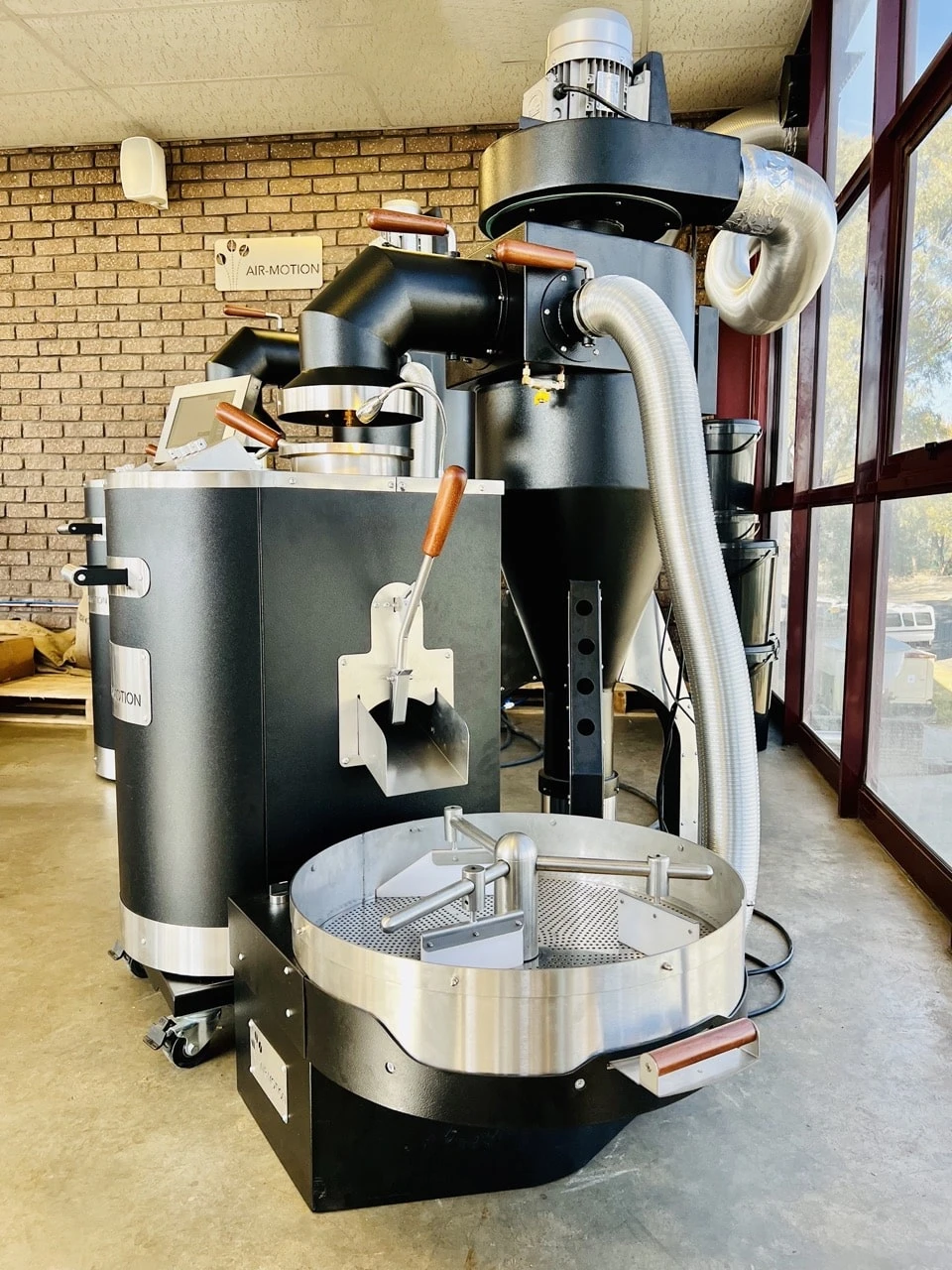
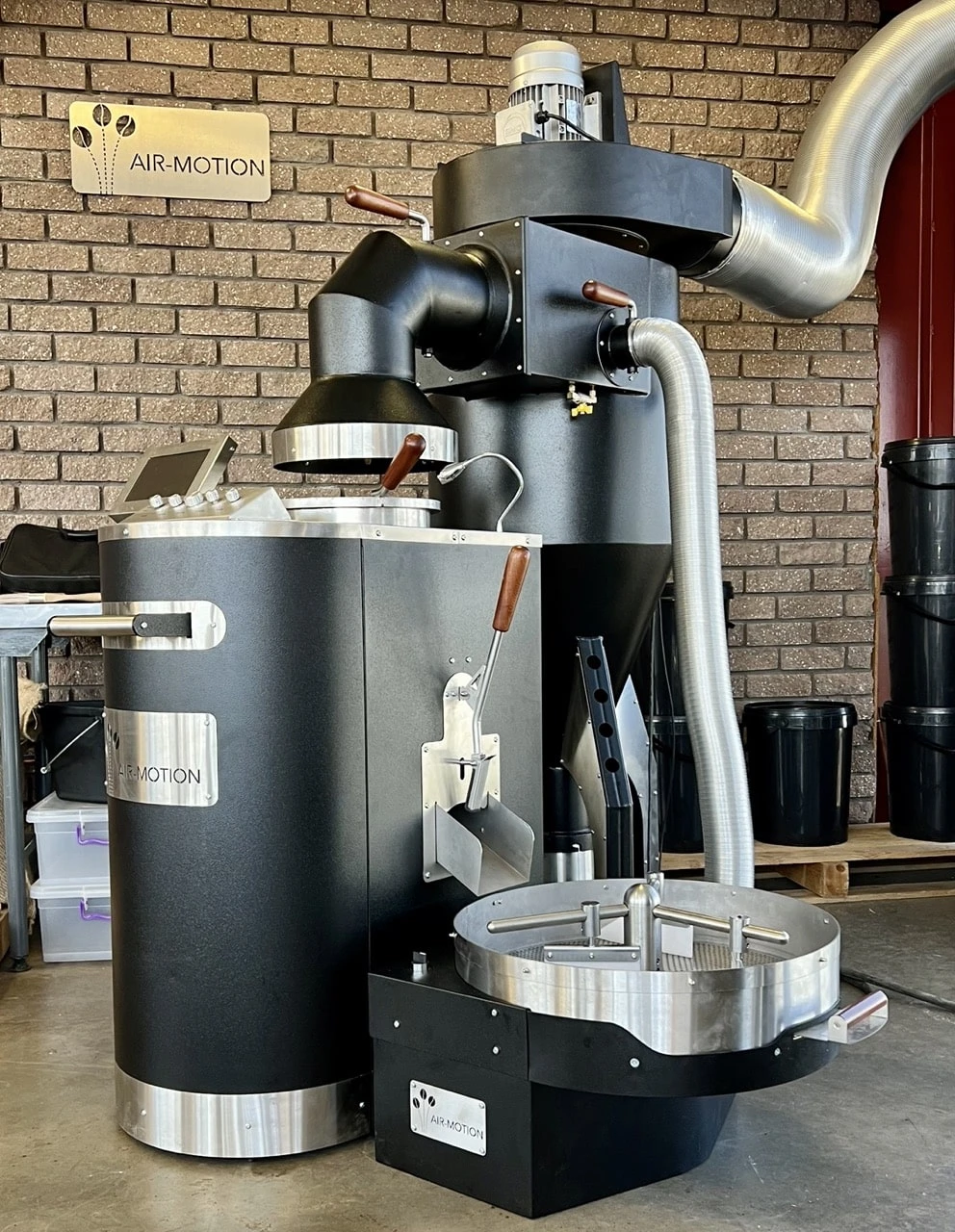
While both rely on convection, air-motion roasters introduce innovations in chamber design that improve air circulation and reduce heat waste. They often allow better heat retention and lower environmental losses compared to traditional hot air systems.
So, if you're still using a legacy hot air roaster, consider exploring the switch. The efficiency gains alone might justify the upgrade over time.
Tip 7: Embrace Energy Monitoring Tools
Plug load monitors and integrated energy software can give you real-time insight into your usage. Watching the actual draw of your best commercial coffee roasting machine helps pinpoint inefficiencies.
Seeing the data laid out makes it easier to justify adjustments, like modifying roast schedules or updating insulation. Data-driven roasting leads to smarter roasting.
Tip 8: Educate Your Team
Efficiency only works if everyone’s on board. Train your staff not just on how to roast—but on how to roast smart. A few seconds saved in warmup, or better load timing, can accumulate across batches.
Having the team aligned on best practices makes your roasting room operate like a well-oiled, energy-conscious machine.
The Last Word
Back at the roastery, the last batch finishes and cools. You glance at the control panel of your best commercial coffee roasting machine, satisfied. You didn’t just roast great coffee—you did it smartly.
Efficiency isn’t just about lower utility bills—it’s about better control, higher output, and a more sustainable business. When operated intentionally, a commercial air coffee roaster becomes more than equipment—it becomes a system of excellence.
So ask yourself: are you running your roaster—or is it running you?




















Sign in to leave a comment.