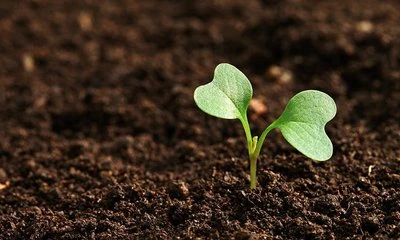

One of the most critical factors that influence plant growth, development, and productivity is soil moisture. It is a primary determinant of plant health, survival, and growth, often having a more significant impact than any other single soil property. Plant growth is optimal when adequate water is available in the soil, but excessive or insufficient moisture can hinder growth and eventually lead to plant death.
Soil moisture, often referred to as soil water, is simply the water stored or moving within the soil. It includes the water held by soil particles on their surfaces and those in the pores between the particles. Soil moisture plays a vital role in many soil processes, including nutrient cycling, soil formation, and water supply to plants.
Plants require water for several functions, including photosynthesis, nutrient transport, and cell growth. Therefore, the availability of water in the soil directly affects plant growth. The appropriate moisture level in the soil ensures optimal growth conditions for the plant, allowing it to thrive and produce maximum yield.
Effects of Soil Moisture on Plant Growth
1. Photosynthesis: Water is a critical component of photosynthesis, the process through which plants convert light energy into chemical energy. Without sufficient soil moisture, the rate of photosynthesis declines, affecting the plant\'s energy production and, by extension, its growth and productivity.
2. Nutrient Uptake: Soil moisture facilitates the dissolution and transport of nutrients from the soil to the plant roots. In the absence of adequate soil moisture, this process is hampered, leading to nutrient deficiencies that can stunt plant growth.
3. Transpiration: Soil moisture also influences transpiration, the process by which water is lost from plants to the atmosphere. When soil moisture levels are low, plants may close their stomata to conserve water, which reduces transpiration but also hinders the photosynthesis process.
4. Germination and Root Development: Adequate soil moisture is essential for seed germination and root development. Insufficient or excessive soil moisture can affect these processes, leading to weak plants or seedling death.
5. Stress Tolerance: Plants with access to adequate soil moisture are better able to withstand environmental stresses like drought, high temperatures, and pests.
Soil moisture sensors play a crucial role in managing soil moisture levels for optimal plant growth. These devices measure the volumetric water content in the soil, providing valuable data that can be used to make informed decisions about irrigation and water management.
Benefits of Soil Moisture Sensors
1. Optimal Water Management: Soil moisture sensors help determine the exact water needs of a plant, preventing under or over watering. This ensures the plant has the right amount of water for optimal growth.
2. Water Conservation: By providing precise data on soil moisture levels, these sensors help reduce water waste, contributing to water conservation efforts.
3. Improved Plant Health and Productivity: Optimal soil moisture levels, as determined by soil moisture sensors, can significantly enhance plant health and productivity, leading to better yields.
4. Cost Savings: Efficient water usage results in cost savings in terms of reduced water bills and less need for fertilizers and pesticides.
Soil moisture plays an integral role in plant growth, affecting everything from photosynthesis and nutrient uptake to stress tolerance and germination. However, managing soil moisture for optimal plant growth can be a challenge. This is where soil moisture sensors come in. By providing accurate, real-time data on soil moisture levels, these devices can help farmers and gardeners make informed decisions about water management, leading to healthier plants, higher yields, and significant cost savings. Therefore, for anyone involved in agriculture or gardening, understanding the effect of soil moisture on plant growth and the role of soil moisture sensors is crucial.
With rising concerns about water scarcity and the need for sustainable agriculture practices, the use of soil moisture sensors is more important than ever. Not only do they help ensure plant health and productivity, but they also contribute to water conservation efforts, making them a valuable tool in modern agriculture.






















Sign in to leave a comment.