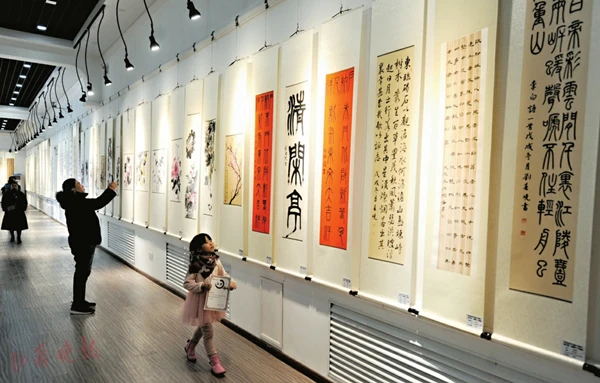

In a time dominated by touchscreen swipes and lightning-fast communication, one may wonder if ancient traditions like Chinese art calligraphy still hold value. This question challenges not just the relevance of an art form but the endurance of a culture carried forward by brush, ink, and deliberate motion.
The reality is, despite the digital evolution, Chinese art calligraphy continues to captivate not only artists but also historians, collectors, educators, and cultural curators around the world. Its silent strokes speak louder than digital noise, preserving not only Chinese language but also centuries of philosophy, aesthetics, and expression.
The Living Legacy of Chinese Art Calligraphy
Chinese art calligraphy isn’t simply about beautiful writing. It’s a living representation of cultural identity. Dating back thousands of years, calligraphy in China transcends being a method of writing. It reflects an individual’s soul, mindset, and discipline. Every brushstroke carries energy (qi), rhythm, and intention. This makes it far more than a technique — it's an emotional performance captured in ink.
In traditional Chinese society, a person’s calligraphy was seen as a mirror of their virtue and intellect. It was common for emperors to be skilled calligraphers and for scholars to spend decades mastering brush control. This reverence has not faded. Today, renowned calligraphers are still celebrated, and their works are displayed in museums, high-end galleries, and private collections.
Roots That Run Deep
To appreciate the gravity of Chinese art calligraphy, it's essential to understand its foundation. The Chinese written language has evolved over thousands of years, starting from oracle bone script to seal script, clerical script, cursive script, regular script, and semi-cursive script. Each form marks a unique chapter in China’s cultural timeline.
But what binds them together is the tradition of writing with brush and ink. The “Four Treasures of the Study” — brush (毛笔), ink (墨), paper (纸), and inkstone (砚) — are tools every calligrapher holds dear. The tactile nature of these tools, combined with the fluid motion of the hand, connects the artist to the canvas in a way that keyboards never will.
Styles That Speak
There are five major script styles in Chinese art calligraphy, each with distinct visual rhythms and historical roots:
- Seal Script (篆书): Often used in official seals, it's the most ancient and uniform.
- Clerical Script (隶书): Emerged in the Han Dynasty, it brought stronger horizontal emphasis.
- Regular Script (楷书): Clear and balanced, it’s commonly used in modern education and practice.
- Running Script (行书): A bridge between regular and cursive, it allows for faster, more fluid writing.
- Cursive Script (草书): Highly expressive and abstract, this form is favored by artists for its energy.
The script style chosen by an artist reflects their mood, message, and mastery. This stylistic freedom within structure is what gives Chinese art calligraphy its unique charm.
Philosophical Dimensions
Calligraphy in Chinese tradition is more than artistic flair — it's a discipline rooted in Daoist and Confucian ideals. The practice embodies balance, harmony, and inner peace. A stroke that's too rushed, a line that's too forced, or a composition that's crowded is seen as a disruption of balance.
Calligraphy is often practiced as a meditative exercise. The slow, deliberate motion, the steady breath, and the focus it demands make it comparable to tai chi or mindfulness practices. Artists frequently speak of the emotional cleansing that comes with long calligraphy sessions.
A Global Fascination
Beyond China, the fascination with Chinese art calligraphy has crossed borders and inspired global audiences. From galleries in Paris to exhibitions in New York, the aesthetic and symbolic depth of calligraphy is embraced by both Eastern and Western art lovers.
Art schools worldwide have introduced Chinese calligraphy into their curriculum, and tattoo artists, graphic designers, and digital illustrators continue to draw inspiration from the beauty and flow of brushwork. Even luxury fashion brands have collaborated with calligraphers for special edition releases.
Moreover, contemporary artists like Xu Bing and Wang Dongling have blended traditional calligraphy with modern themes and installation art, attracting new audiences who might not otherwise explore this realm.
Calligraphy in the Modern Chinese Identity
Despite modernization, calligraphy remains deeply embedded in China’s collective consciousness. Schools still introduce children to regular script writing, and festivals such as Lunar New Year are incomplete without handwritten couplets hung on doors.
Additionally, calligraphy plays a prominent role in Chinese politics and diplomacy. It’s common to see state leaders present calligraphy scrolls as gifts. This is more than ceremonial — it’s symbolic of culture being a gift more valuable than currency.
The growth of online platforms has even sparked a digital revival. Social media trends around hand-drawn scripts and livestreamed calligraphy sessions are gaining popularity. Apps and digital pens now attempt to mimic the brush-and-ink feel. While not a replacement, they introduce the younger generation to the fundamentals.
The Commercial Side of Tradition
From a business perspective, Chinese art calligraphy holds strong commercial appeal. Calligraphy scrolls and art pieces are sold online and offline across the globe. Custom calligraphy — often featuring motivational phrases or personal names — remains a popular gifting item. Interior decorators frequently use framed calligraphy as statement pieces in homes, offices, and cultural spaces.
Collectors value antique calligraphy pieces as much as traditional Chinese paintings. Auction houses such as Christie’s and Sotheby’s regularly feature calligraphy works that fetch millions of dollars.
Meanwhile, e-commerce platforms like China Art Hub offer accessible calligraphy materials and curated collections to help both beginners and professionals embrace the art.
Learning and Practicing the Craft
The journey into Chinese art calligraphy is open to all, but it demands patience, humility, and consistent practice. Beginners typically start with regular script before moving to more fluid styles. Learning the correct posture, brush angles, and stroke order is crucial.
Instructors emphasize copying classical pieces (临摹) as a way to build technique. Over time, as skill improves, students begin to develop their own style, infusing personality into each piece.
It’s a path that teaches not just art, but character — a blend of discipline and creative freedom that few other practices offer.
Cultural Symbolism Beyond the Brush
What makes Chinese art calligraphy so enduring is its layered meaning. A single character can contain poetic depth, spiritual weight, and historical reference. For instance, the character for “dragon” (龙) is more than a mythical creature; it's an emblem of power, transformation, and national identity.
Whether inscribed on a scroll, painted on a fan, or etched in stone, these characters convey more than their literal meanings — they tell stories, express philosophies, and evoke emotion.
Final Thoughts
As we navigate a fast-paced digital era, the relevance of Chinese art calligraphy becomes even more pronounced. It invites us to slow down, reflect, and connect with something deeper than screen pixels. It bridges generations, honors tradition, and embraces artistry.
Whether you’re a curious learner, a seasoned collector, or an artist in search of new inspiration, calligraphy offers a timeless experience that speaks to the soul. And as platforms like China Art Hub continue to promote and preserve this cultural treasure, there's never been a better time to rediscover the silent yet powerful voice of Chinese art calligraphy.




















Sign in to leave a comment.