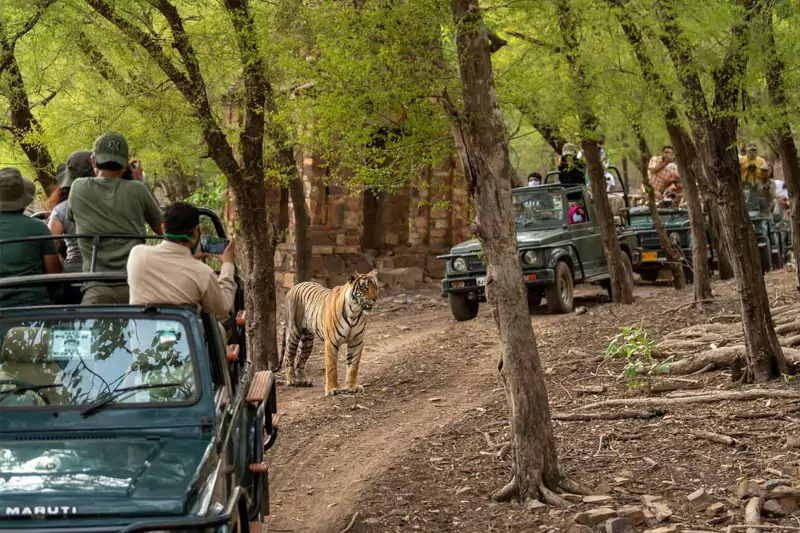

India has always been synonymous with the majestic Bengal tiger. As home to nearly three-fourths of the world’s tiger population, the country boasts a wide range of national parks and wildlife sanctuaries that protect this apex predator and its ecosystem. For travelers, wildlife photographers, and nature lovers, a tiger safari in India isn’t just about spotting the big cat—it’s about immersing yourself in landscapes where history, culture, and biodiversity come alive.
From Rajasthan’s desert-edge jungles to Madhya Pradesh’s lush forests and West Bengal’s mysterious mangroves, every tiger reserve tells a different story. Below, we’ll dive deep into the best national parks in India for tiger safaris, each offering a unique adventure.
Ranthambore National Park – Tigers Among Ancient Ruins
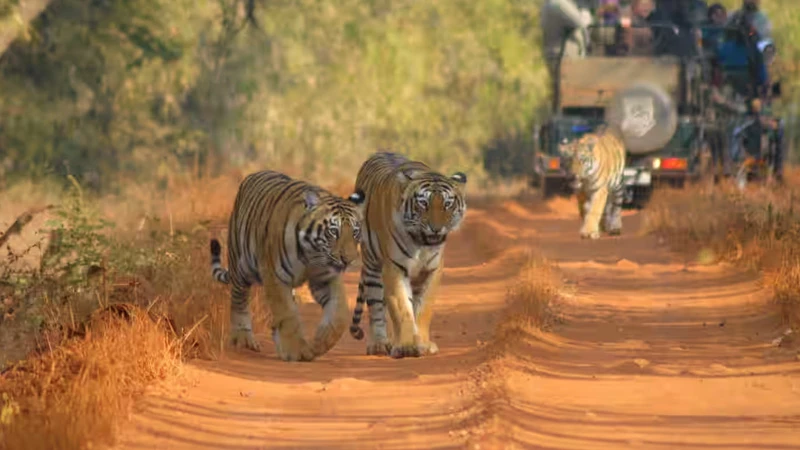
Located near the town of Sawai Madhopur in Rajasthan, Ranthambore National Park is arguably one of the most iconic wildlife destinations in India. What sets it apart from other tiger reserves is the dramatic backdrop—ancient ruins, crumbling temples, and the mighty Ranthambore Fort rising above the forest canopy. It feels less like a jungle safari and more like stepping into a page of history where nature and heritage coexist.
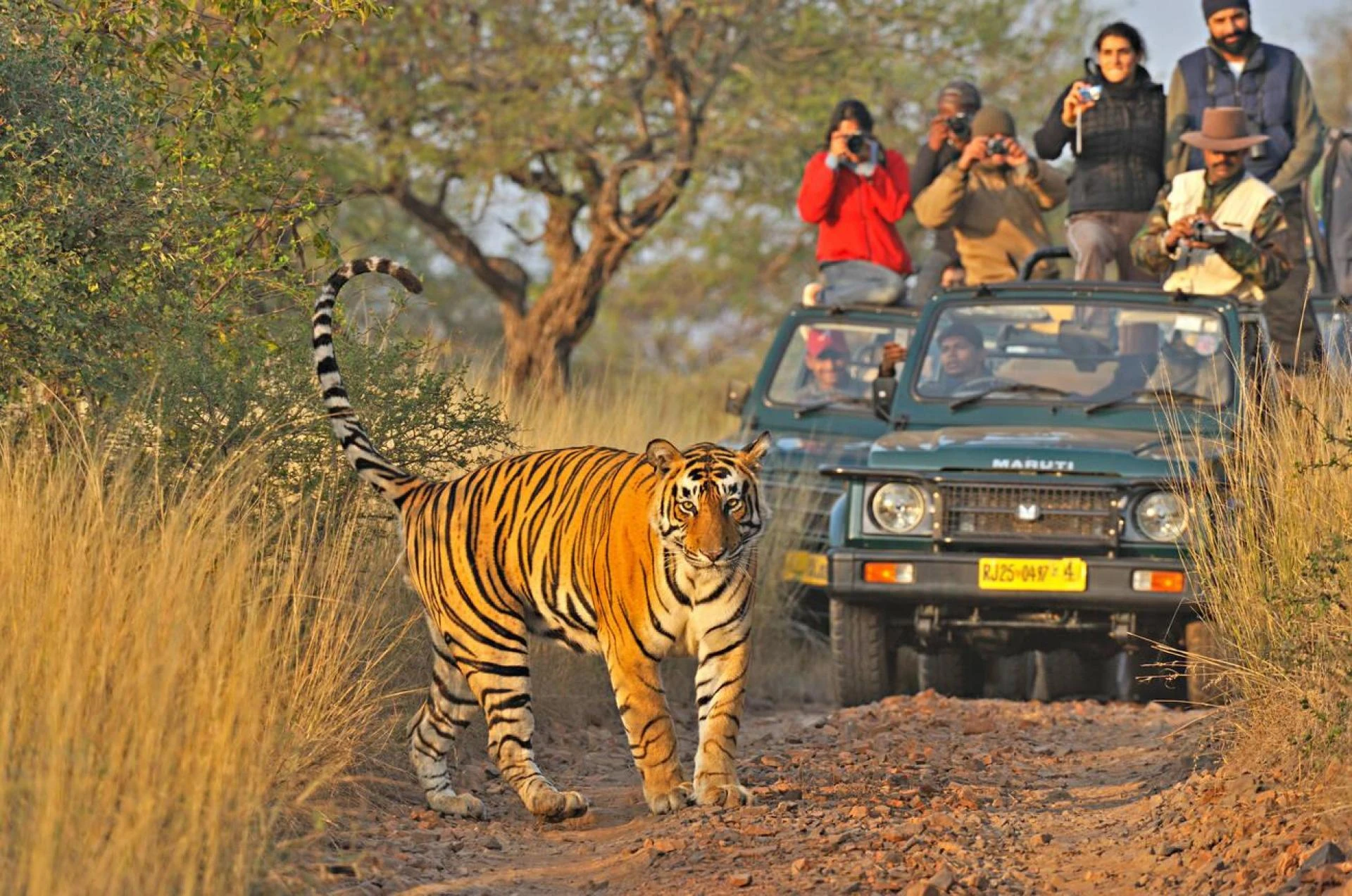
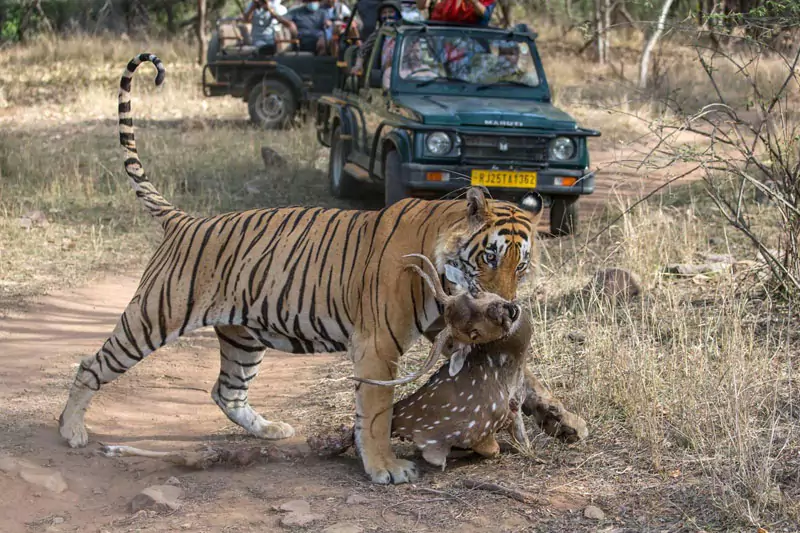
While Ranthambore is open from October to June, the summer months (March to May) are when tigers are most frequently spotted near lakes and waterholes such as Rajbagh Talao and Padam Talao. Tourists often recount thrilling moments of watching a tiger lazily emerging from the grasslands and walking along dusty trails as safari jeeps watch in silence.
The park is divided into 10 safari zones, with Zones 2, 3, and 4 being especially famous for sightings. But it’s not only about tigers—Ranthambore teems with wildlife like leopards, sloth bears, jackals, wild boars, and marsh crocodiles. Birdwatchers can look forward to species such as painted storks, owls, and crested serpent eagles.
A safari in Ranthambore feels different because of the fusion of history and wilderness. The ancient fort, a UNESCO World Heritage Site, towers above the park and offers panoramic views of the jungle below. It’s this blend that makes Ranthambore one of the best wildlife tiger safari experiences in India.
Bandhavgarh National Park – The Kingdom of High Tiger Density
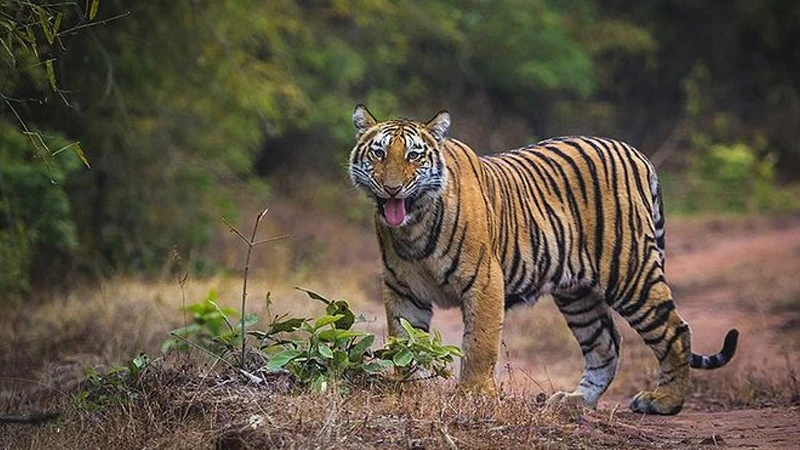
If there’s one park where your chances of seeing a tiger are the highest, it’s Bandhavgarh National Park in Madhya Pradesh. Spread across dense Sal forests, grasslands, and rocky hills, Bandhavgarh has earned the reputation of being “the land of the tiger.”
Unlike Ranthambore’s historic ruins, Bandhavgarh is known for its untamed wilderness. The core zone is small compared to other reserves, but it has the highest density of Bengal tigers in India. This means that while a sighting is never guaranteed, Bandhavgarh provides better odds than most.
The park also holds historical charm with the Bandhavgarh Fort, perched on a hilltop and believed to be over 2,000 years old. Legends suggest that Lord Rama gifted the fort to his brother Lakshmana, giving the place both cultural and mythological importance. Exploring the jungle with this ancient citadel in the background feels surreal.
Beyond tigers, Bandhavgarh is rich in biodiversity. Visitors often encounter leopards, Indian bison (gaur), langurs, chinkara, and sambar deer. Bird enthusiasts will be delighted with over 250 avian species, from peafowls to parakeets.
The safari experience here is intense—guides carefully follow pugmarks, alarm calls, and forest sounds to track big cats. It’s an adventure that keeps you on edge until, suddenly, the striped predator emerges through the undergrowth.
Jim Corbett National Park – The Legacy of Project Tiger
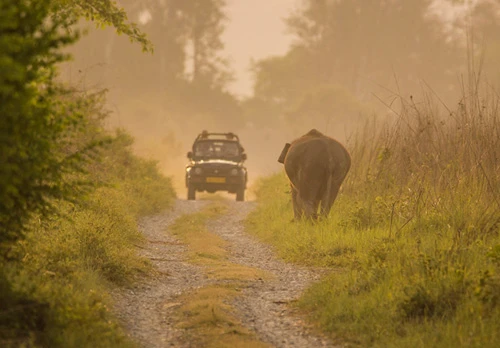
Established in 1936, Jim Corbett National Park in Uttarakhand isn’t just another wildlife sanctuary it’s the first national park in India and the birthplace of Project Tiger, launched in 1973 to conserve India’s dwindling tiger population. This legacy alone makes it a must-visit destination for wildlife enthusiasts.
The park is vast, covering over 1,300 square kilometers of varied landscapes, from dense forests and rolling hills to grasslands and riverbanks. Unlike other reserves where safaris are strictly by jeep, Corbett offers unique experiences like elephant rides and river rafting on the Kosi River, adding a thrill to your adventure.
Corbett is divided into several safari zones, with Dhikala being the most famous. Staying overnight in the Dhikala Forest Lodge, located inside the core area, is an unforgettable experience—you’ll wake up to the sounds of the jungle, and at night, the distant roar of a tiger might echo through the trees.
But Corbett isn’t just about tigers. It’s home to elephants, gharials, hog deer, leopards, and more than 600 bird species, making it a paradise for birdwatchers. The best time to visit is from November to June, though certain zones remain closed during monsoon.
With its mix of history, conservation, and adventure, Jim Corbett continues to be one of the best wildlife tiger safaris in India.
Kanha National Park – The Inspiration for The Jungle Book
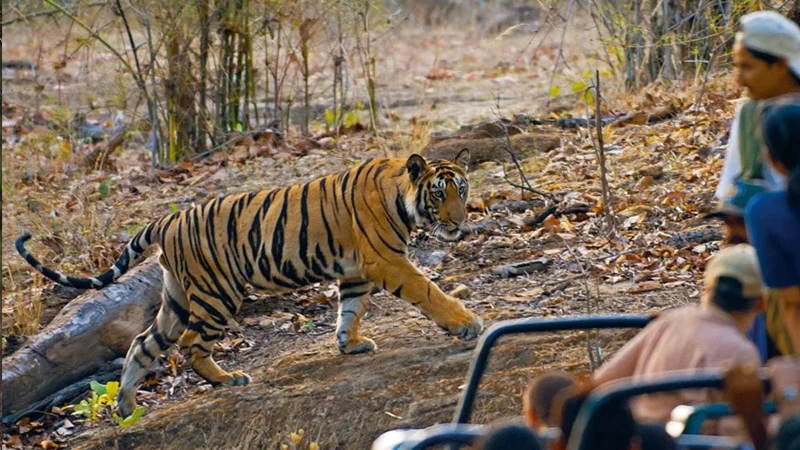
If you’ve ever imagined stepping into Rudyard Kipling’s The Jungle Book, Kanha National Park in Madhya Pradesh will make you feel like you’re living it. Kanha’s vast meadows, dense Sal forests, and bamboo groves were the inspiration for Kipling’s fictional world of Mowgli, Bagheera, and Sher Khan.
While Kanha is one of the largest reserves in India, it’s also a leader in conservation and eco-tourism. The park is home to the rare hard-ground swamp deer (Barasingha), a species once on the brink of extinction but successfully revived through conservation programs. Spotting this graceful deer is almost as exciting as seeing a tiger.
Tigers in Kanha are often tracked by following pugmarks, forest calls, or guides’ keen instincts. Unlike Bandhavgarh’s high-density sightings, Kanha safaris are about the overall jungle experience—a slow immersion into the forest where patience is rewarded with unforgettable moments.
Apart from tigers, Kanha shelters wild dogs (dholes), jackals, leopards, gaur, and over 300 species of birds. The park is open from October to June, with summers being the best for sightings.
Visitors are often struck by Kanha’s serene beauty. The vast open meadows where deer graze peacefully, surrounded by dense forests, create postcard-perfect safari moments. It’s this balance of wilderness, conservation, and natural beauty that makes Kanha one of India’s finest safari destinations.
Sundarbans National Park – The Realm of the Swimming Tigers
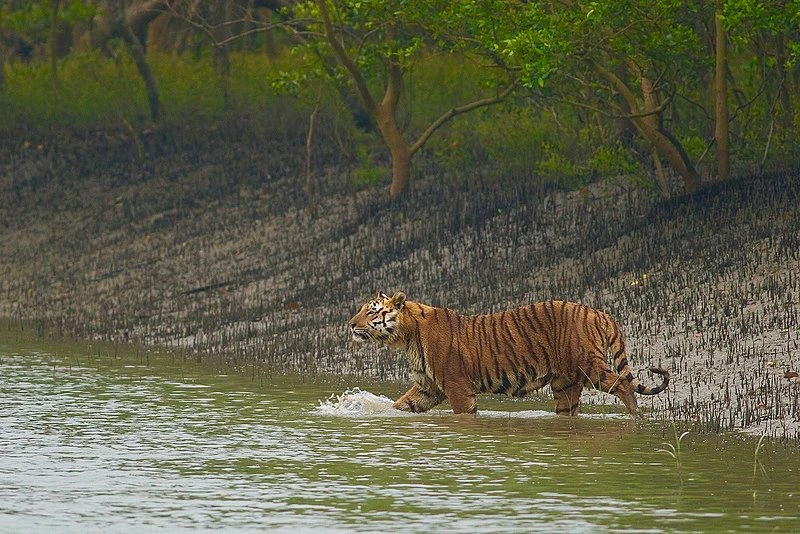
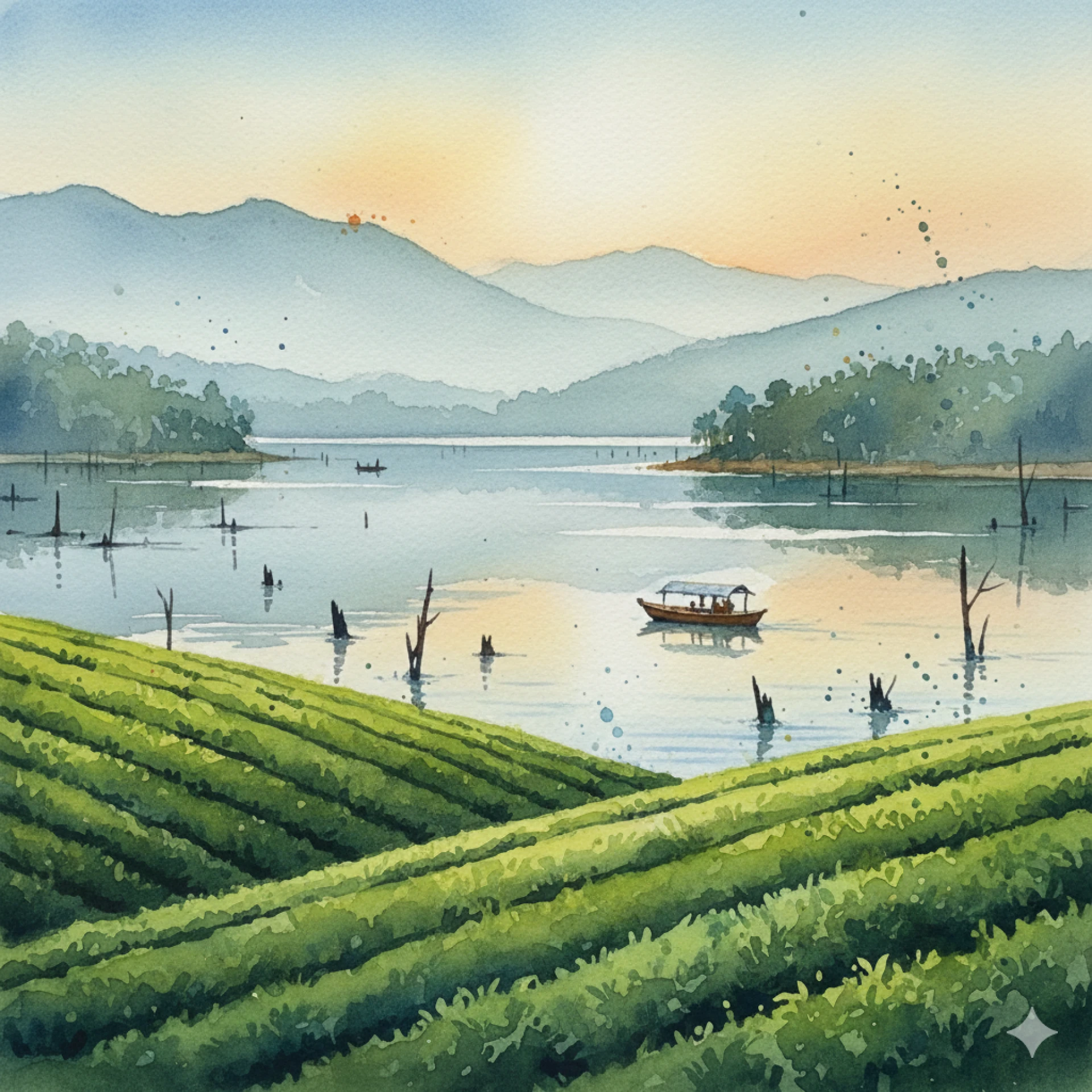
Unlike any other park in India, the Sundarbans National Park in West Bengal offers an entirely different safari experience. Here, you won’t be driving jeeps along forest trails. Instead, you’ll sail through narrow creeks and mangrove forests on a boat, scanning the muddy banks for the elusive swamp tiger.
The Sundarbans is the largest mangrove forest in the world and a UNESCO World Heritage Site. Its tigers are unique—they’ve adapted to their watery habitat and are excellent swimmers. Sightings are rare, which makes the moment you spot a tiger on the banks or swimming across a creek even more thrilling.
Apart from tigers, the Sundarbans is home to estuarine crocodiles, fishing cats, monitor lizards, and an incredible variety of birdlife. Lucky visitors might even witness Olive Ridley turtles nesting on the shores.
The best time to explore the Sundarbans is between November and March, when the weather is cooler and wildlife activity is higher. Boat safaris here are not just about tigers—they’re about the atmosphere: the eerie silence of mangroves, the occasional splash of water, and the thrill of being in one of the most mysterious forests in the world.
Conclusion
The best wildlife tiger safari in India isn’t tied to a single destination. Each national park offers a different flavor—Ranthambore’s mix of history and wilderness, Bandhavgarh’s unmatched tiger density, Corbett’s legacy and diversity, Kanha’s conservation success and jungle beauty, and Sundarbans’ mysterious water-bound adventure.

























Sign in to leave a comment.