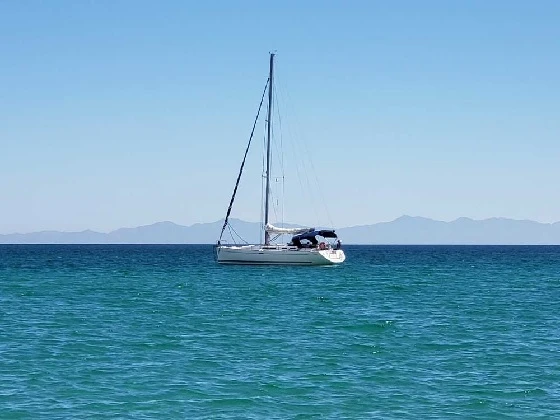

Stretching between the Baja California Peninsula and the mainland of Mexico, the Sea of Cortez—also known as the Gulf of California—has earned a reputation as one of the world’s most biologically diverse and visually stunning marine destinations. For sailors, it offers a combination of warm waters, hidden coves, vibrant marine life, and generally favorable conditions. But knowing when to set sail is key to making the most of this unique destination.
Whether you're planning a short cruise or an extended voyage, understanding the seasonal patterns in the region can help you align your sailing the sea of cortez plans with ideal weather, sea conditions, and wildlife encounters.
Understanding the Climate of the Sea of Cortez
The Sea of Cortez enjoys a desert climate influenced by both tropical and subtropical systems. This means hot summers, mild winters, and relatively low rainfall. However, conditions vary significantly throughout the year, and knowing the nuances can make the difference between a smooth sailing trip and a challenging one.
The weather and sea conditions shift with the seasons, influencing not just comfort on board, but also safety, accessibility to certain anchorages, and opportunities to view marine wildlife. These factors make timing a crucial part of planning your adventure.
Winter: Mild Weather and Calm Waters
From December through February, the region experiences some of its mildest temperatures. Daytime highs usually hover in the mid-70s Fahrenheit (mid-20s Celsius), and the evenings are cool but rarely cold. Winds during this time tend to be moderate, primarily coming from the north, which can create some choppiness in open waters but is generally manageable with good planning.
For those who prefer calmer seas and cooler sailing conditions, this is a prime time to visit. Visibility for snorkeling and diving can be excellent in many areas. Onshore, desert landscapes are more forgiving, and hiking trails are more pleasant than during hotter months.
That said, it's not the warmest time for swimming. Sea temperatures drop into the high 60s°F (around 20°C), which can be a bit brisk without a wetsuit. Still, the relative quietness of anchorages and lower tourist traffic can make it appealing for sailors seeking tranquility.
Spring: Ideal Balance of Conditions
March through May is often considered one of the best times for sailing the Sea of Cortez. The weather warms up steadily without becoming oppressive, and the winds start to shift, often becoming lighter and more predictable. Sea temperatures begin to rise, making water-based activities more enjoyable without yet reaching the intense heat of summer.
Spring is also an excellent season for wildlife viewing. Many species are active during this time, including dolphins, sea lions, and various migratory birds. In some regions, you might even spot the tail end of the whale-watching season, as gray whales and humpbacks begin their journey back north.
This period strikes a near-perfect balance for sailors: reliable weather, moderate winds, comfortable temperatures, and lively ecosystems. Many experienced sailors time their voyages for this very window.
Summer: Rich in Marine Life but Challenging for Comfort
June through August brings soaring temperatures, often reaching well into the 90s°F (mid-30s°C) or higher. The humidity also climbs, making conditions more challenging onboard, especially in boats without robust ventilation or air conditioning. Afternoon thunderstorms can be common, particularly later in the summer, as tropical moisture moves into the region.
Despite the heat, summer offers some of the calmest sea conditions. The winds often die down significantly, and the water becomes almost glassy—perfect for kayaking, paddleboarding, and snorkeling. Marine visibility is at its peak, and underwater life flourishes, including opportunities to see whale sharks in certain areas.
For sailors who can manage the heat and plan appropriately for tropical weather patterns, summer can still be a viable option. Early starts, strategic anchoring in shaded coves, and access to freshwater and ice are all part of making summer voyages comfortable and safe.
Fall: Warm Waters and Decreasing Storm Risk
September through November marks the transition out of hurricane season and into more stable conditions. Early fall can still be risky in terms of tropical storms, especially in September, so weather monitoring is essential. However, by October and November, the threat significantly decreases, and many consider this period another golden window for sailing.
Water temperatures remain high, often in the low 80s°F (high 20s°C), making swimming and snorkeling very comfortable. Winds gradually return, though still relatively light, offering manageable sailing conditions. The combination of warm seas, reduced storm risk, and beautiful sunsets makes fall a strong contender for one of the best times to explore the region.
This shoulder season is also favored for its quiet anchorages and returning wildlife. Fish populations are active, drawing sport fishers and divers alike, and migratory species begin arriving as the northern waters cool.
Planning Around Wildlife Encounters
For many, the appeal of sailing in this part of Mexico is enhanced by the chance to witness marine life in its natural habitat. Different seasons bring different viewing opportunities. Whale watching, for example, is best from late December to March, when gray and humpback whales are most active. Whale sharks typically appear in the late fall through winter in specific bays like those near La Paz.
Sea lions, dolphins, manta rays, and a wide variety of fish can be seen year-round, but visibility and accessibility improve in the warmer months. If wildlife is a top priority, aligning your travel with peak activity periods can add another layer of richness to your experience.
Other Factors to Consider
When deciding on the best time for sailing the Sea of Cortez, it's also helpful to think beyond weather and wildlife. Availability of services, marina congestion, and local festivals can all affect your trip. High season for tourism typically falls between November and April, meaning more crowds at popular ports but also more open businesses and services tailored to visitors.
Conversely, during off-peak months, you may find more solitude but fewer amenities. If provisioning, access to fuel, or arranging guides and excursions is important to your plans, consider how seasonal fluctuations affect the surrounding infrastructure.
Additionally, your own goals will play a role in choosing the right time. Are you seeking solitude and connection with nature, or are you hoping to meet fellow cruisers and enjoy vibrant ports? Are you prioritizing water sports, wildlife watching, or a balance of both? These preferences will shape your ideal season to set sail.
Making the Most of Your Voyage
No matter when you go, preparation is key. Understanding the seasonal trends helps you plan for safety, comfort, and enjoyment. It also enables you to match your trip’s timing with your interests, whether those include peaceful mornings in hidden bays, snorkeling with marine life, or simply sailing in gentle breezes under an open sky.
The Sea of Cortez is a year-round destination, but its character changes with each season. Sailors who understand these shifts and prepare accordingly are best positioned to experience the full magic of this extraordinary body of water.
For those considering a journey in this remarkable region, organizations like Go Baja Sailing offer programs and resources tailored to help sailors explore safely and knowledgeably—regardless of the time of year.























Sign in to leave a comment.