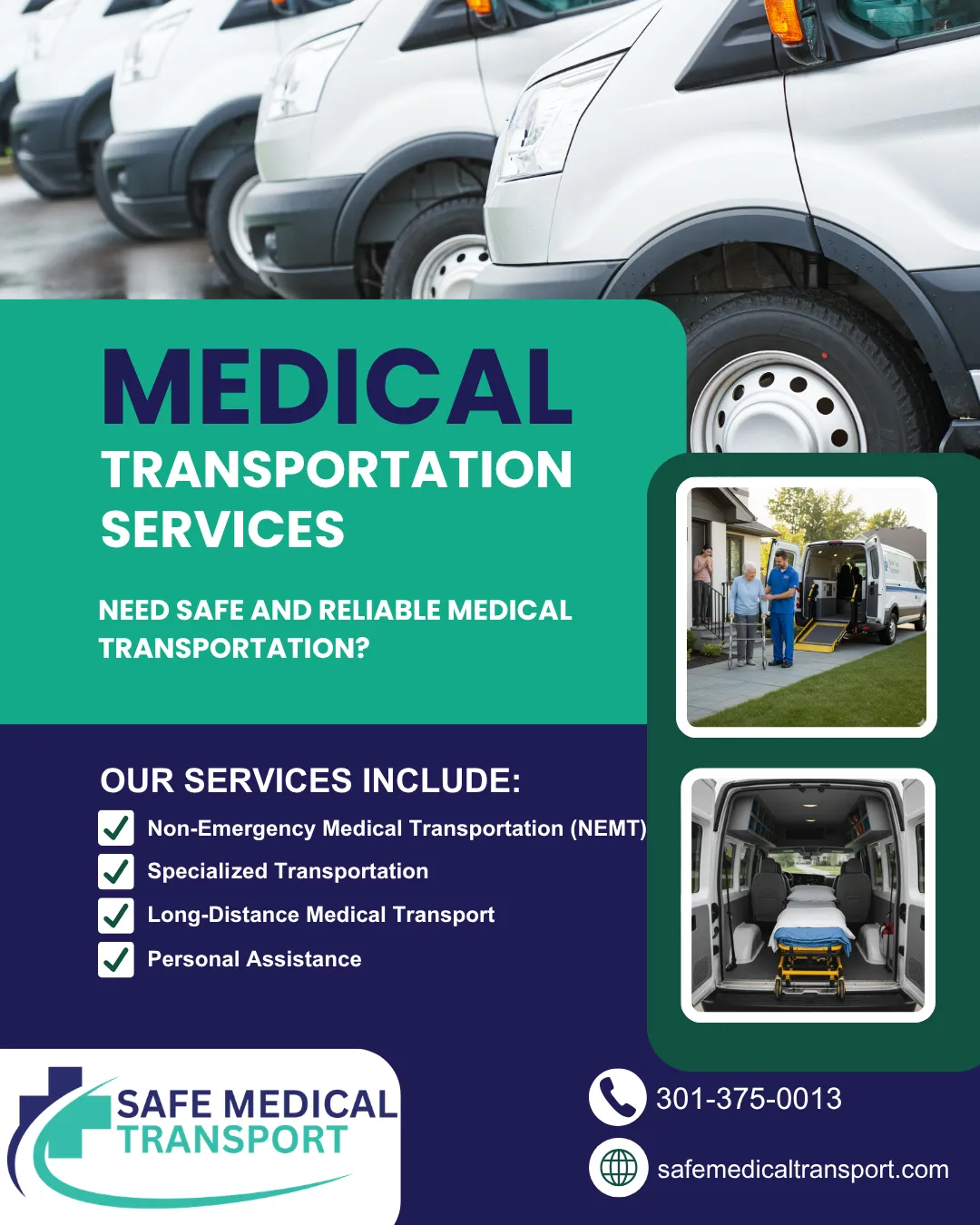

Healthcare is not only about hospitals, doctors, and treatments. One major factor that often gets ignored is transportation. Thousands of patients miss important medical appointments every year simply because they do not have a safe and reliable way to travel. This is where non-emergency medical transportation (NEMT) plays a critical role in modern healthcare.
From elderly patients and individuals with disabilities to people recovering from surgery, transportation services help ensure patients reach their appointments safely and on time. As healthcare systems continue focusing on patient outcomes and accessibility, the demand for dependable transportation services continues to grow rapidly across the United States.
What Is Non-Emergency Medical Transportation?
Non-emergency medical transportation refers to transportation services designed for patients who need assistance getting to medical appointments but do not require emergency ambulance care. These services help patients travel to:
- Doctor appointments
- Dialysis treatments
- Physical therapy sessions
- Hospital discharges
- Rehabilitation centers
- Nursing facilities
- Routine checkups
- Specialist visits
Unlike traditional transportation options, NEMT services are specifically designed to accommodate patients with mobility challenges, wheelchair requirements, or medical conditions that make standard travel difficult.
Many families rely on professional trusted non-emergency medical transportation providers to ensure their loved ones receive safe, comfortable, and timely transportation to healthcare facilities.
Why Transportation Is a Major Healthcare Issue
Transportation barriers have become one of the leading causes of missed healthcare appointments. According to healthcare studies, millions of Americans delay or miss medical care every year due to transportation problems.
Patients may struggle because of:
- Lack of personal vehicles
- Physical disabilities
- Limited public transportation access
- Financial challenges
- Long-distance healthcare travel
- Age-related mobility limitations
Missing appointments can lead to worsening medical conditions, delayed diagnoses, and increased healthcare costs. In some cases, patients end up needing emergency care because they could not attend routine visits earlier.
This growing challenge has made transportation an essential part of healthcare planning.
The Rising Demand for NEMT Services
Several factors are increasing the need for non-emergency medical transportation across the country.
Aging Population
The senior population in the United States is growing rapidly. Older adults often require frequent healthcare visits for chronic conditions, treatments, and routine monitoring. Many seniors no longer drive or feel comfortable traveling alone, creating a strong need for dependable transportation services.
Increase in Chronic Illnesses
Conditions such as diabetes, kidney disease, heart disease, and mobility disorders require regular medical appointments. Patients undergoing dialysis or rehabilitation treatments may need transportation multiple times each week.
Improved Healthcare Awareness
More people are prioritizing preventive healthcare and routine medical visits. Reliable transportation helps patients maintain consistency in their care plans.
Expansion of Healthcare Services
Healthcare providers are expanding services across cities and rural areas. However, transportation gaps still exist, especially for patients living far from healthcare facilities.
Benefits of Professional Medical Transportation Services
Professional transportation services provide much more than simply driving patients from one location to another.
Safety and Comfort
Patients with medical conditions often require special handling during travel. Professional drivers are trained to assist passengers safely, especially those using wheelchairs, walkers, or stretchers.
Reduced Missed Appointments
Reliable transportation helps patients arrive on time, reducing appointment cancellations and improving continuity of care.
Stress Relief for Families
Family members may not always be available to transport loved ones due to work schedules or long distances. Professional services provide peace of mind and dependable support.
Greater Independence for Patients
Many patients prefer maintaining independence instead of relying entirely on family or friends. Transportation services allow them to attend appointments confidently.
Support for Wheelchair and Mobility Needs
Patients with mobility limitations require vehicles designed for accessibility and safety. Professional wheelchair-friendly transportation solutions help ensure smooth and secure travel experiences.
How NEMT Improves Healthcare Outcomes
Transportation directly impacts patient health outcomes. When patients consistently attend medical appointments, healthcare providers can monitor conditions more effectively and prevent complications.
NEMT services contribute to:
- Better medication management
- Faster recovery after procedures
- Improved chronic disease monitoring
- Reduced hospital readmissions
- Enhanced patient satisfaction
- Lower emergency healthcare costs
Healthcare organizations increasingly recognize transportation as a social determinant of health, meaning access to transportation significantly affects overall well-being.
Patients who use reliable transportation for seniors and disabled patients are often more likely to maintain regular healthcare schedules and follow treatment plans properly.
Technology and the Future of Medical Transportation
Modern technology is helping improve the efficiency of transportation services. Many providers now use:
- GPS tracking systems
- Automated scheduling
- Real-time ride updates
- Digital appointment coordination
- Mobile-friendly booking systems
These innovations improve communication between transportation providers, healthcare facilities, and patients while reducing delays and scheduling issues.
As healthcare continues evolving, transportation services are expected to become even more integrated into patient care systems.
Why Families Are Choosing Professional NEMT Providers
Families today prioritize safety, reliability, and professionalism when selecting transportation services for loved ones. Professional providers offer trained staff, accessible vehicles, and personalized assistance that standard ride-sharing services often cannot provide.
Patients dealing with surgery recovery, disabilities, or age-related conditions benefit greatly from transportation providers that understand medical needs and patient care expectations.
The growing awareness of patient-centered healthcare has also encouraged more families to seek dependable transportation partners that focus on comfort, punctuality, and compassion.
Many healthcare providers now recommend accessible healthcare transportation services to help patients attend appointments safely and consistently.
Final Thoughts
Non-emergency medical transportation has become an essential part of modern healthcare. Reliable transportation helps patients access medical care safely, consistently, and comfortably while improving overall health outcomes.
As the demand for accessible healthcare continues to rise, professional NEMT services will play an even greater role in supporting patients, families, and healthcare providers across the country.
Whether assisting seniors, wheelchair users, or patients requiring routine treatments, dependable transportation services help bridge the gap between patients and the healthcare they need most.
FAQs
What is non-emergency medical transportation?
Non-emergency medical transportation is a service that helps patients travel safely to healthcare appointments without requiring emergency ambulance services.
Who can use NEMT services?
Seniors, wheelchair users, individuals with disabilities, post-surgery patients, and people with chronic illnesses commonly use NEMT services.
Why is NEMT important?
NEMT helps reduce missed medical appointments, improves healthcare access, and supports better patient outcomes.
Are wheelchair-accessible vehicles available?
Yes, many professional transportation providers offer wheelchair-accessible vehicles equipped for safe patient travel.
Can NEMT services help elderly patients?
Absolutely. Elderly patients often rely on transportation services for safe and reliable travel to medical appointments and treatments.

























Sign in to leave a comment.