

Employee engagement has become a defining factor for organisational success. Businesses no longer rely only on compensation or perks to retain talent.

Workplace dignity is no longer a soft value. It is a legal mandate in India. The rise of remote work, hybrid offices, and digital collaboration has ma

India’s business environment is evolving rapidly. Innovation, digital expansion, and global competition have increased the importance of intellectua

How Digital Growth Is Changing Copyright Protection in IndiaIndia’s digital economy has expanded at an unprecedented pace. Online platforms, s

IntroductionMumbai is a city of sharp contrasts. Luxury towers rise beside dense informal settlements. Land scarcity and population pressure have led

IntroductionUrban growth often begins with expansion. Over time, it shifts towards renewal. In Pune, redevelopment has become a defining trend in the

Infrastructure drives real estate growth. Roads, metro corridors, airports, and ring roads shape property values and transaction volumes. In Pune, rec
India’s economic expansion has transformed its commercial dispute landscape. Large infrastructure projects, technology investments, cross border joi

India’s regulatory landscape has undergone steady transformation over the past decade. Legal reforms, digitisation of compliance systems and stronge
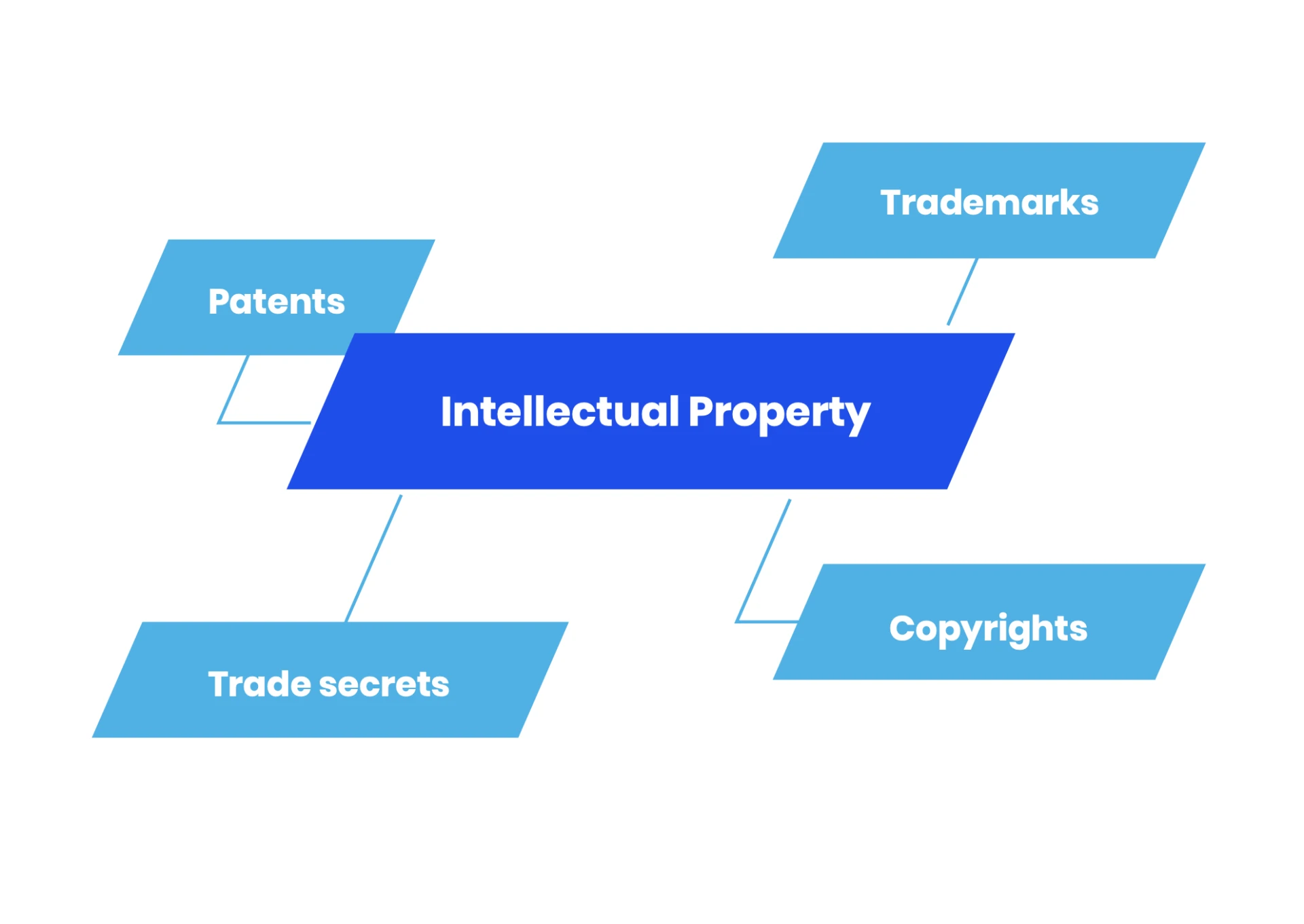
ntellectual property protection plays a decisive role in business sustainability. Brands, inventions, designs, and proprietary knowledge often represe

Corporate governance frameworks are designed to promote transparency, accountability, and balanced decision making. Boards, committees, and internal c
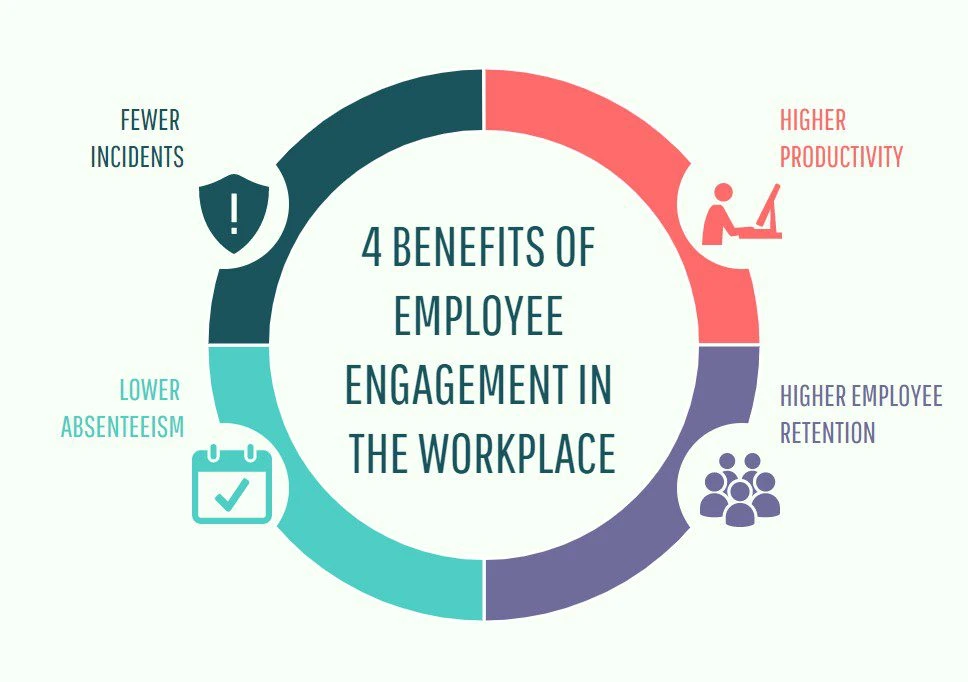
Employee retention has become one of the most pressing concerns for organisations across sectors. Competitive pay alone no longer secures loyalty. Peo
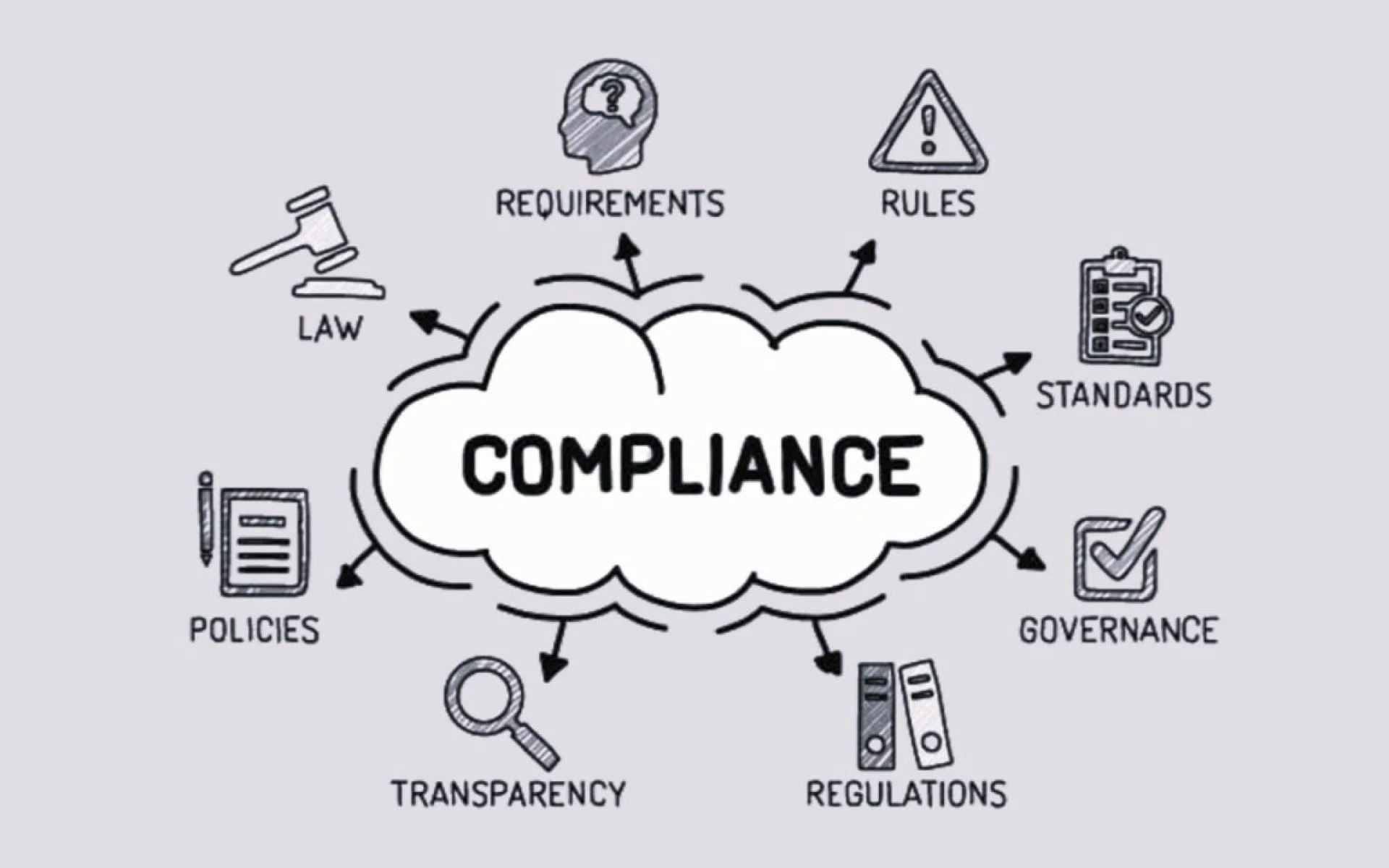
Compliance has moved far beyond routine filings and checklists. For Indian companies, regulatory adherence now shapes reputation, investment readiness

Employment agreements form the legal foundation of the employer employee relationship. For decades, Indian companies relied on standardised and