


Smart ports use IoT, automation, and real-time data to improve efficiency. This guide explains how smart ports work step by step, from data collection to automated decision-making.

AI is transforming cybersecurity in ports by enabling smarter threat detection, predictive analysis, and fast automated response systems. It helps ports stay secure, efficient, and future-ready against evolving cyber threats.

Environmental regulations are reshaping the shipping industry through carbon taxes, emission tracking, and green fuel adoption. Discover how companies are adapting to stay compliant and competitive.
A logistics head once told us, “We invested millions in software, but I still don’t have a single version of the truth.”The warehouse blamed tra

Discover the 6 must-have features every Terminal Operating System needs - from seamless integration and real-time visibility to automation, scalability, security, and analytics - to future-proof your port operations.
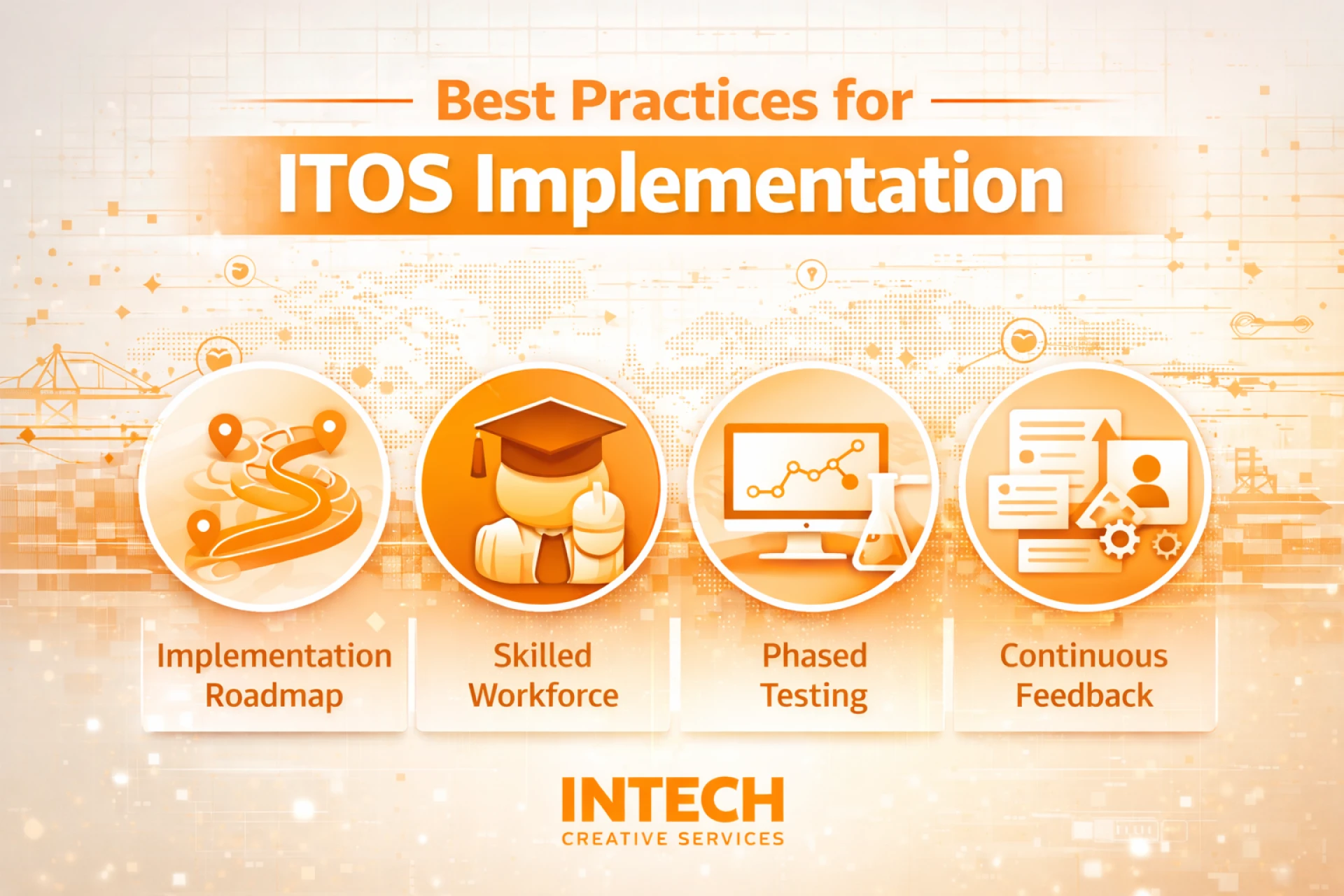
Discover key best practices for implementing ITOS successfully—from planning and training to monitoring and continuous improvement in logistics operations.
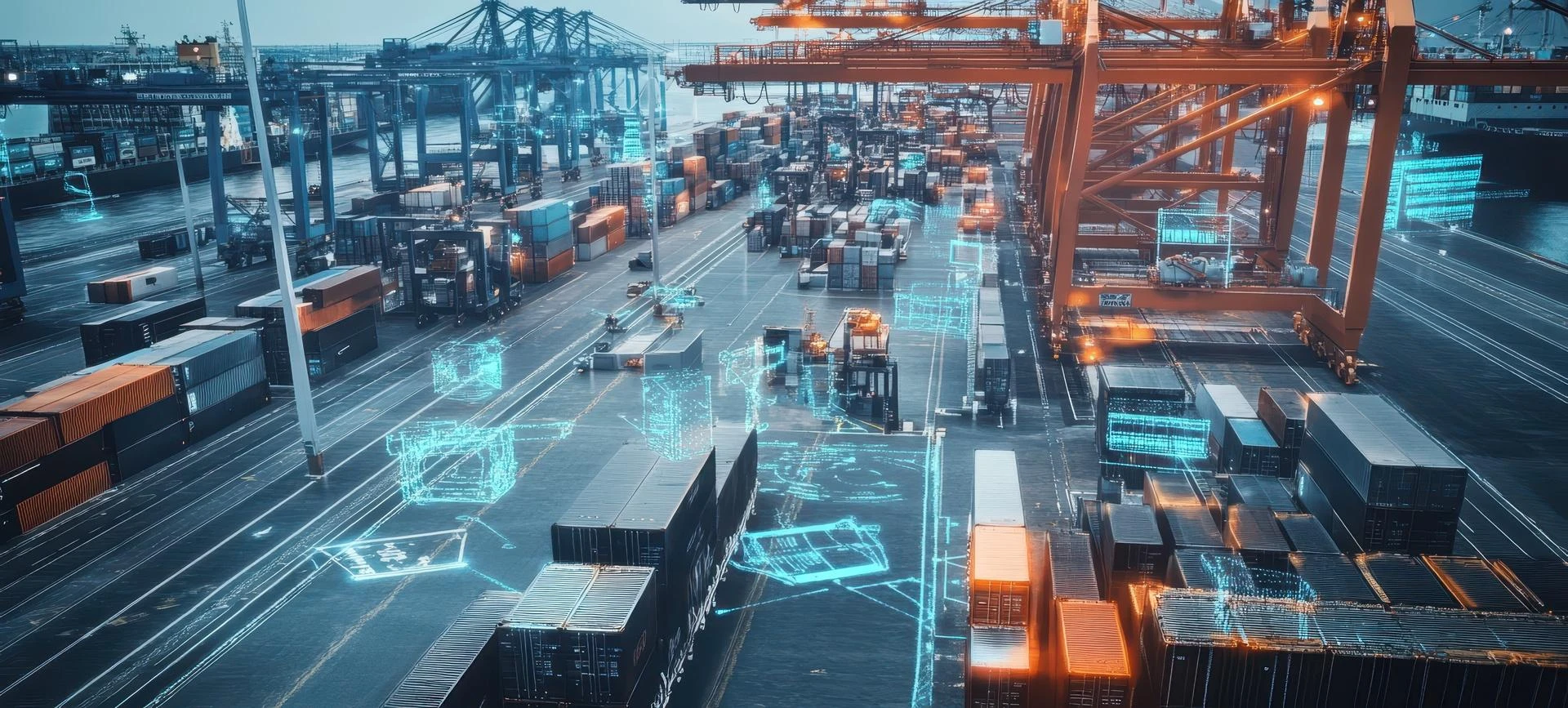
Learn how smart Terminal Operating Systems help ports improve efficiency, reduce delays, and enable real-time, data-driven operations.
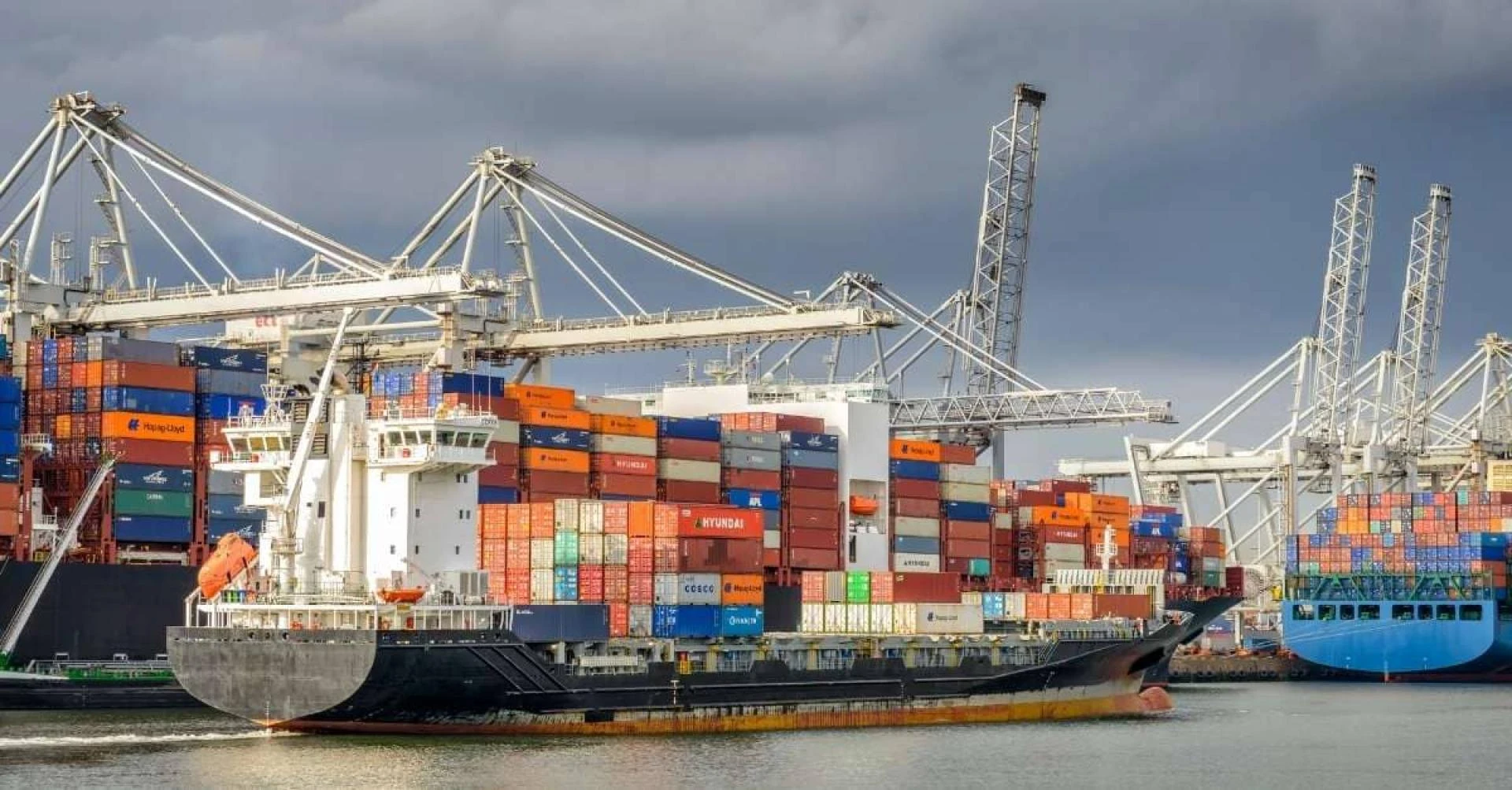
Discover how AI and smart planning reduce unnecessary container moves and improve equipment utilization for faster, more efficient terminal operations.
A logistics head once told us, “We invested millions in software, but I still don’t have a single version of the truth.”The warehouse blamed tra
At a busy port terminal, containers move fast. Trucks queue at the gate, cranes lift boxes without pause, and inspection teams work under constant pre
In a world where technology drives business growth, enterprise resource planning systems have become essential tools for efficiency and scalability. Y