

Unveiling the Rise of AI Agents and Autonomous Workflows
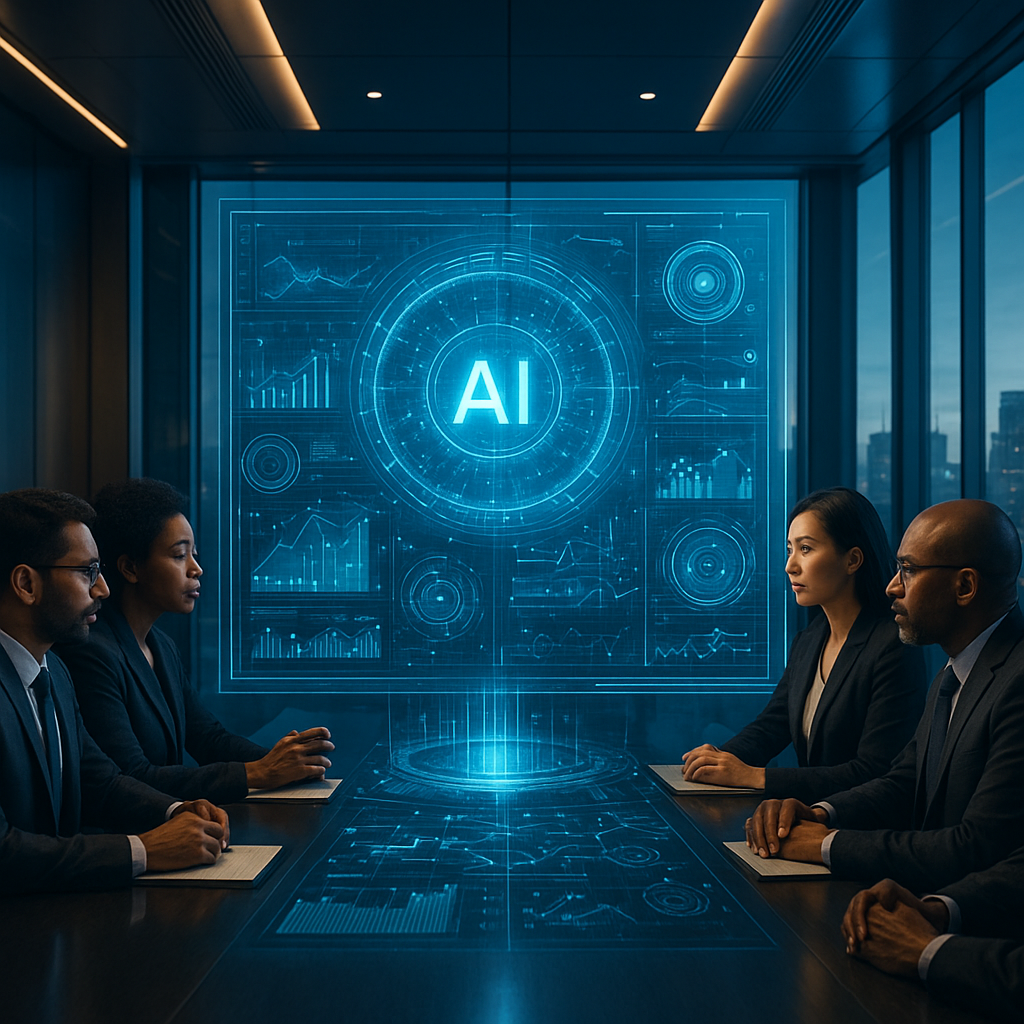
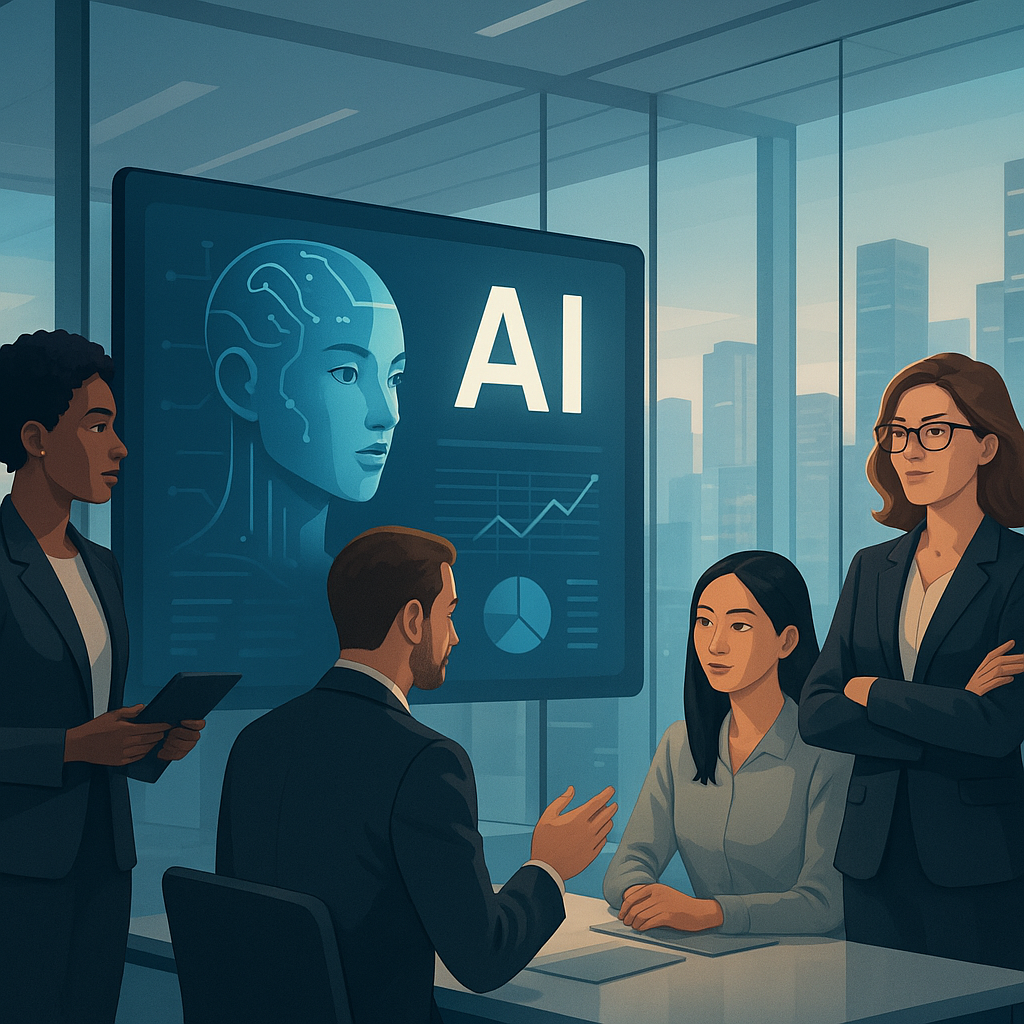
Imagine a bustling corporate office in 2026 where human employees collaborate seamlessly with AI agents performing complex tasks independently. This scene is no longer futuristic fantasy but an operational reality for many enterprises. Recent industry data indicates that by the end of 2025, over 65% of mid-to-large organizations worldwide have integrated autonomous AI workflows into at least one critical business process, a sharp increase from just 22% in 2021 (according to Gartner).
At the heart of this transformation are AI agents—software entities capable of perceiving their environment, making decisions, and executing actions without continuous human intervention. Autonomous workflows, powered by these agents, automate end-to-end business functions, from customer service to supply chain management. They can dynamically adapt to changing conditions, collaborate with other agents, and optimize performance over time.
Such advances are reshaping operational efficiency, strategic agility, and innovation velocity across sectors. This article offers a comprehensive exploration of AI agents and autonomous workflows, tracing their evolution, dissecting core technologies, analyzing 2026's cutting-edge developments, and projecting future trends.
Historical Context: From Rule-Based Automation to Agentic AI
The journey leading to today's sophisticated autonomous workflows began with traditional automation in the late 20th century. Early systems focused on fixed, rule-based processes—automating repetitive tasks like data entry or transaction logging. While effective for structured routines, these rigid systems lacked adaptability and contextual understanding.
The 2010s ushered in robotic process automation (RPA), which used software bots to mimic human interactions with digital systems, expanding automation capabilities. However, RPA still required human oversight and struggled with unstructured data or exceptions.
The watershed moment came with the advent of artificial intelligence, particularly machine learning and natural language processing, enabling software to interpret complex inputs and make informed decisions. By the early 2020s, researchers and companies began developing agentic AI: autonomous agents that act proactively, learn from interactions, and collaborate across tasks.
For example, Siemens' launch of its Fuse EDA AI agent in 2024, designed to automate semiconductor and PCB system workflows, marked a significant leap in the industrial application of AI agents (New Electronics, 2024). Similarly, platforms like ServiceNow's Autonomous Workforce, introduced in 2025, demonstrated how AI agents could think and act within enterprise IT operations (Yahoo Finance, 2025).
This evolution reflects a paradigm shift—from automation as a tool executing preset instructions to AI agents that drive continuous process improvement and innovation.
Core Technologies and Workflow Architectures in 2026
At the center of AI agents and autonomous workflows lie several intertwined technologies fueling their capabilities:
- Machine Learning & Deep Learning: These enable agents to analyze data patterns, predict outcomes, and improve decisions over time without explicit programming.
- Natural Language Processing (NLP): Advances allow agents to understand, generate, and respond to human language, facilitating conversational interfaces and complex documentation parsing.
- Multi-Agent Systems: Collections of AI agents collaborate or compete, coordinating actions to achieve shared goals or optimize workflows.
- Reinforcement Learning: Agents learn optimal behaviors by trial, error, and reward signals, suitable for dynamic environments like logistics or finance.
- Knowledge Graphs and Semantic Technologies: These provide contextual understanding and relationship mapping essential for complex decision-making.
Autonomous workflows stitch these elements together in architectures that allow AI agents to:
- Perceive: Gather and interpret data from multiple sources—enterprise applications, sensors, external APIs.
- Decide: Evaluate options using predictive models, business rules, and learned experience.
- Act: Trigger processes, communicate with humans or other agents, and modify workflows.
- Adapt: Continuously learn from outcomes and environmental changes to refine behaviors.
One illustrative example is the Perplexity Computer, an autonomous operating system designed specifically for AI workflows, enabling modular AI agents to execute complex tasks with minimal human supervision (Digit, 2026). This system exemplifies how AI agents are no longer isolated tools but integral components of dynamic, self-managing workflows.
2026 Breakthroughs and Market Leaders Driving Adoption
The year 2026 is witnessing pivotal developments in AI agents and autonomous workflows. Leading technology providers are expanding platform capabilities, integrating cross-domain AI, and democratizing access for businesses of all sizes.
Automatic.co's recent launch of an AI automation platform empowers enterprises to deploy agentic AI and autonomous workflows tailored to their operational needs (USA Today, 2026). Its platform emphasizes ease of customization, real-time monitoring, and compliance features, addressing typical enterprise concerns.
Meanwhile, Siemens continues to innovate in industrial automation with its Fuse EDA AI agent, now enhanced with generative AI capabilities to optimize semiconductor design and production workflows more efficiently than ever (Dataquest, 2026). This reflects a broader trend where AI agents are not just automating but augmenting human expertise in complex domains.
ServiceNow's Autonomous Workforce platform integrates AI agents capable of managing IT service requests, security alerts, and employee onboarding autonomously, significantly reducing operational costs and response times (Yahoo Finance, 2026). The addition of Moveworks to this platform further enhances the AI's natural language understanding, enabling near-human conversational abilities.
“The integration of AI agents into autonomous workflows is redefining business agility, allowing companies to respond faster and innovate continuously,” says Dr. Lina Martinez, CTO at Automatic.co.
These industry strides are supported by growing investments and partnerships. According to IDC, global spending on AI-powered intelligent automation is projected to reach $45 billion by the end of 2026, up from $21 billion in 2023.
Impact Across Industries: Expert Perspectives and Case Studies
The adoption of AI agents and autonomous workflows is far from uniform; it varies by sector, each with unique challenges and opportunities.
In finance, agentic AI is transforming compliance and back-office operations by automating regulatory monitoring, risk analysis, and transaction processing. As detailed in a related WriteUpCafe article, these agents reduce error rates and free human experts to focus on strategic activities (Agentic AI in FinTech).
The manufacturing sector benefits from AI agents coordinating supply chains, predictive maintenance, and quality control. Siemens' Fuse AI agent deployment in semiconductor fabs exemplifies how agents improve throughput and reduce waste.
In IT and customer service, autonomous workflows powered by AI agents handle routine inquiries, troubleshoot issues, and escalate complex problems efficiently. ServiceNow's Autonomous Workforce demonstrates measurable productivity gains and employee satisfaction improvements.
“AI agents are not just automating tasks; they are becoming collaborative partners that enhance decision-making and operational resilience,” notes Rajesh Patel, Senior Analyst at Forrester Research.
From a human capital perspective, industry leaders emphasize re-skilling and managing the human-AI interface. Organizations that succeed are those investing in workforce transformation alongside AI deployment.
Looking Ahead: The Future of AI Agents and Autonomous Workflows
As we progress through 2026 and beyond, several key trends and challenges will shape the trajectory of AI agents and autonomous workflows.
Emerging Trends:
- Explainability and Trust: Increasing regulatory and ethical demands will drive innovations in AI transparency, allowing users to understand and trust agent decisions.
- Cross-Domain Integration: AI agents will increasingly operate across multiple organizational silos and external ecosystems, necessitating standardized protocols and interoperability.
- Human-in-the-Loop Models: While full autonomy grows, hybrid models balancing human oversight and AI autonomy will remain critical in high-stakes domains.
- Edge AI Agents: Deployment of agents at the edge for real-time decision-making in IoT and manufacturing settings will expand significantly.
Key Challenges:
- Data Privacy and Security: Autonomous workflows require robust safeguards to prevent data breaches and misuse.
- Workforce Adaptation: Organizations must manage the social and economic impacts of automation on jobs and skills.
- Bias and Fairness: Ensuring AI agents make unbiased decisions remains an ongoing concern.
For companies and professionals seeking to harness autonomous workflows, the imperative is clear: prioritize strategic alignment, invest in AI literacy, and adopt flexible architectures that allow incremental AI agent integration.
Readers interested in comparing AI agents with traditional automation approaches can explore detailed analyses in AI Agents vs Traditional Automation, which outlines how agentic approaches are redefining smart workflows.
In summary, AI agents and autonomous workflows represent an evolutionary leap in automation, blending intelligence, adaptability, and collaboration. Their continued maturation promises profound impacts on productivity, innovation, and workforce dynamics across industries.











Sign in to leave a comment.