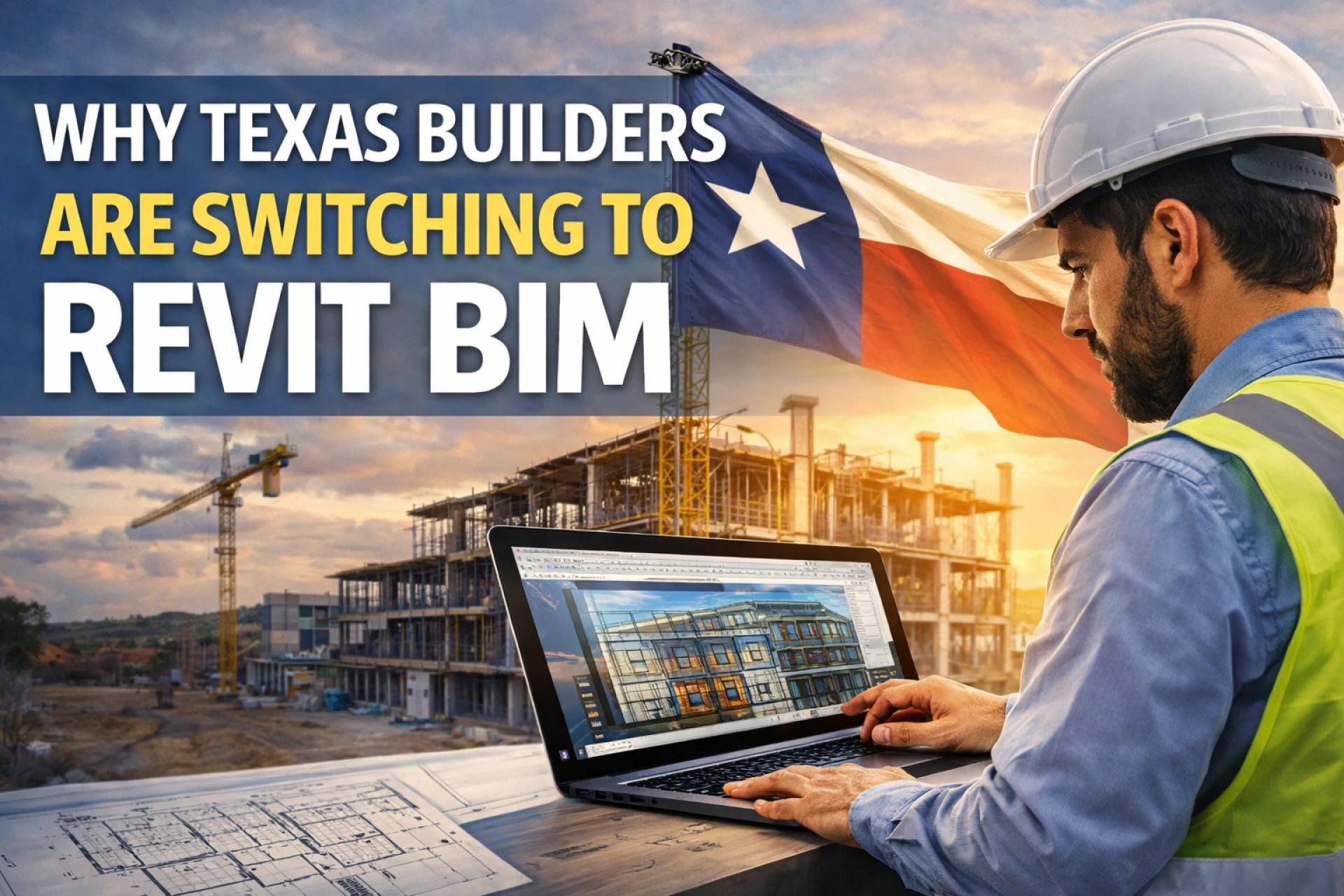
The construction landscape in Texas is shifting. From the rapidly expanding skylines of Austin and Houston to massive infrastructure projects in the Dallas-Fort Worth metroplex, the demand for precision and efficiency has never been higher. As projects grow in complexity, traditional 2D drafting methods often struggle to keep up with the pace of modern development.
This is where Building Information Modeling (BIM) steps in. It is no longer just a luxury for high-profile projects; it is becoming a necessity for staying competitive in the Lone Star State. By creating intelligent, 3D model-based processes, BIM allows professionals to plan, design, construct, and manage buildings with unprecedented accuracy.
Specifically, Autodesk Revit has emerged as the industry standard for this technology. However, mastering this software requires significant time and expertise.
That is why many firms are turning to specialized partners. Investing in Revit BIM Modeling Services Texas is proving to be a game-changer for local developers and contractors, offering a strategic edge in a crowded market.
Enhanced Collaboration Across Diverse Teams
One of the biggest hurdles in any large-scale construction project is communication. In a state as large as Texas, a single project might involve an architect in Dallas, a structural engineer in San Antonio, and a contractor based in Houston. Without a centralized system, information silos develop, leading to miscommunication and costly errors.
Revit BIM fosters a collaborative environment that bridges these geographical and professional gaps. Unlike disjointed 2D drawings, a Revit model serves as a single source of truth.
When an architect makes a change to a wall layout, that modification is instantly reflected across the model. Structural engineers and MEP (mechanical, electrical, and plumbing) designers see the update immediately, allowing them to adjust their systems accordingly.
This level of synchronization ensures that everyone is on the same page, quite literally. It reduces the endless back-and-forth of email chains and outdated PDF markups. Teams can coordinate effectively in real-time, ensuring that the project moves forward smoothly regardless of where the stakeholders are located.
Improved Cost Estimation and Budget Control
Budget overruns are the nightmare of any construction manager. In the current economic climate, where material prices can fluctuate wildly, having a firm grip on costs is essential. Large-scale infrastructure projects are particularly susceptible to financial creep if not managed meticulously.
BIM adds a dimension of reliability to cost estimation that traditional methods simply cannot match. Often referred to as "5D BIM," this process links the 3D model directly to cost data. Because the Revit model contains precise information about quantities—down to the number of bricks or the length of piping—estimators can generate accurate material takeoffs automatically.
If the design changes, the cost estimates update dynamically. This allows project owners to visualize the financial impact of design decisions before they are finalized. By predicting costs with greater accuracy early in the planning phase, Texas developers can secure financing more easily and keep their projects within budget, avoiding nasty surprises during the procurement phase.
Streamlining Compliance with Texas Building Codes
Regulatory compliance is a critical, yet often tedious, aspect of construction. Texas has a unique regulatory environment, with building codes that can vary significantly between municipalities and counties. Navigating the specific requirements for energy efficiency, zoning, and safety standards in cities like Austin or Fort Worth requires careful attention to detail.
Hiring professional BIM modelers can significantly streamline this process. Experienced BIM service providers are adept at incorporating local codes and standards directly into the model. They can run simulations to check for compliance issues—such as ADA accessibility or fire safety egress—long before the plans are submitted to the city.
Visualizing the building in a detailed 3D environment helps regulatory officials understand complex designs faster, potentially speeding up the permitting process. By identifying and addressing code violations in the digital stage, builders avoid the expensive delays associated with failed inspections or forced redesigns during construction.
Reducing Rework with Advanced Clash Detection
Perhaps the most immediate return on investment from using Revit BIM is the reduction of rework. In traditional construction workflows, conflicts between systems often go unnoticed until the crews are on-site. It is not uncommon to find that an HVAC duct runs straight through a structural beam, or that plumbing pipes interfere with electrical trays.
Fixing these clashes on the physical job site is expensive and time-consuming. It involves halting work, issuing requests for information (RFIs), and paying for rush orders on new materials.
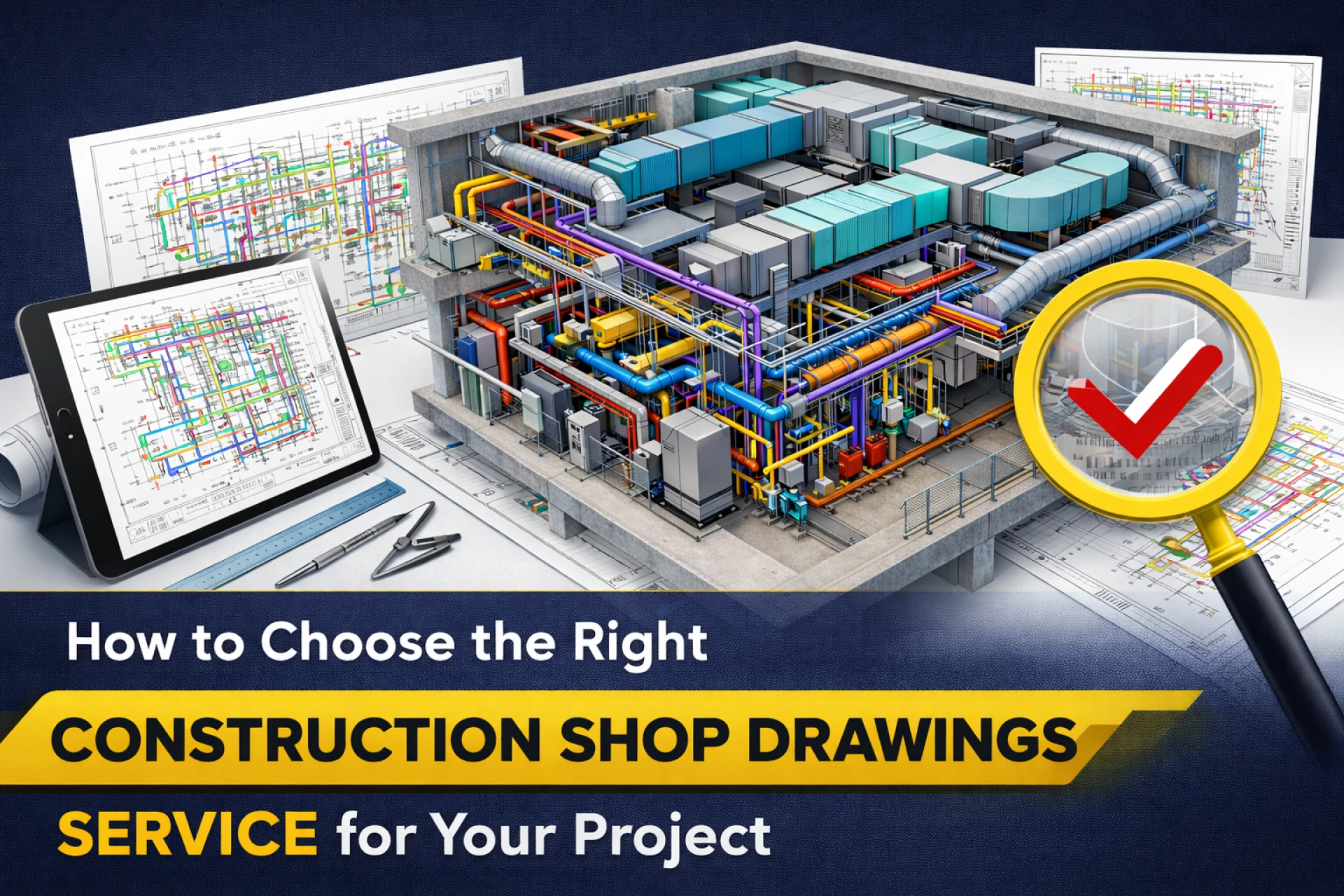
Revit’s clash detection capabilities solve this problem virtually. Before a single shovel hits the ground, the software analyzes the architectural, structural, and MEP models to identify interferences.
These "hard clashes" are flagged automatically, allowing the design team to resolve them in the computer model. By the time construction begins, the plans are coordinated and conflict-free. For Texas contractors working on tight schedules, this pre-construction problem solving is invaluable for maintaining momentum.
Long-Term Value for Facility Management
The benefits of BIM do not end when the construction crews leave. For commercial real estate owners, the Revit model transforms into a powerful asset for facility management. This is often referred to as "6D BIM."
Once the building is complete, the BIM model acts as a digital twin of the physical asset. It contains a wealth of data about every component installed in the building, from the make and model of the air handling units to the maintenance schedule for the elevators.
Facility managers can use this data to streamline operations and maintenance. Instead of hunting through dusty boxes of paper blueprints to find a shut-off valve or check a warranty date, maintenance staff can access the information instantly on a tablet. This efficiency reduces downtime for repairs and extends the lifespan of the building's systems, providing long-term value to owners and property management firms across Texas.
The Strategic Advantage of Outsourcing
While the software is powerful, implementing it in-house can be a heavy lift. It requires expensive licenses, powerful hardware, and, most importantly, skilled staff who know how to maximize the software's potential. Training a team from scratch can take months, distracting from the core business of building and design.
This is why many firms choose to partner with specialized providers like Archdraw Outsourcing. By outsourcing these technical tasks, Texas companies gain immediate access to a pool of global talent and advanced technology without the overhead costs.
Outsourcing allows local firms to scale their workforce up or down depending on the project load. Whether it is a boutique architectural firm needing help with a complex rendering or a large general contractor requiring full MEP coordination, external experts fill the gap seamlessly. It turns a fixed cost into a variable one, providing the agility needed to thrive in a fluctuating market.
Gaining a Competitive Edge
The construction industry is evolving, and those who resist new technology risk being left behind. Adopting Revit BIM is no longer just about drawing lines on a screen; it is about building smarter, faster, and cheaper. From facilitating better teamwork and tighter budget control to ensuring regulatory compliance and easing facility management, the advantages are clear.
For Texas professionals, the path forward involves leveraging these digital tools to deliver superior results. Whether through in-house adoption or by partnering with experts like Archdraw Outsourcing, integrating BIM into your workflow is the key to unlocking the next level of efficiency and success in the built environment.


Sign in to leave a comment.