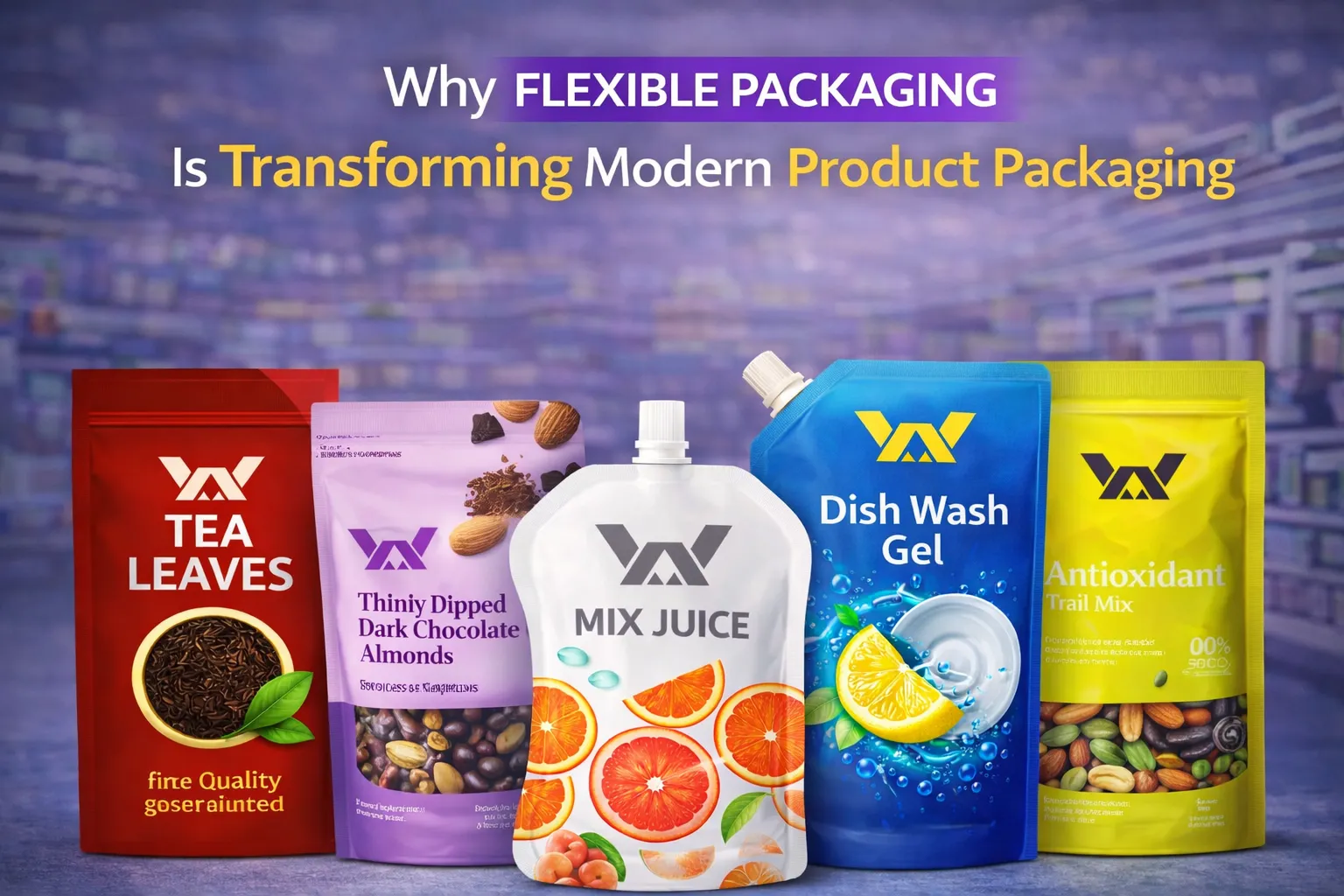
Packaging today is no longer limited to simply covering a product—it plays a major role in branding, product safety, and cost efficiency. Over the last few years, businesses across industries like food, cosmetics, and pharmaceuticals have started adopting a more practical and innovative approach: flexible packaging.
This shift is happening because brands now need packaging that is lightweight, visually appealing, and efficient in terms of storage and transportation. Companies such as White Lotus Industries Limited are part of this evolving landscape where businesses are gradually moving away from traditional packaging methods toward smarter and more adaptable solutions.
Understanding Flexible Packaging in Simple Terms
Flexible packaging refers to packaging materials that can easily bend or change shape without breaking. Unlike rigid containers like glass jars or plastic bottles, this type of packaging adjusts according to the product.
Some common examples include:
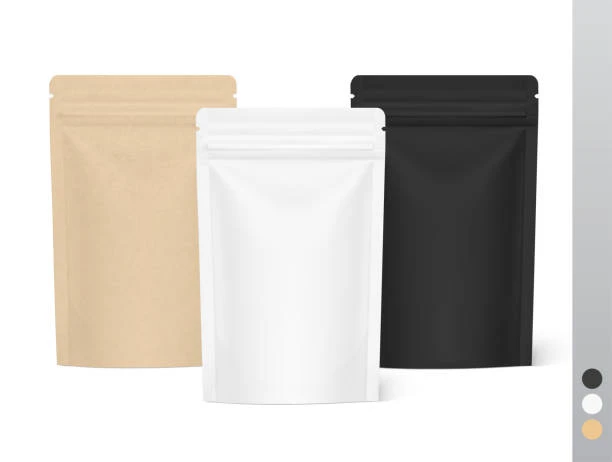
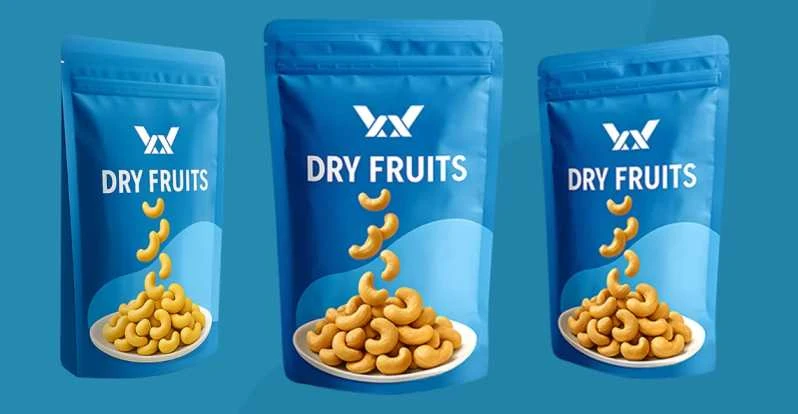
- Stand-up pouches for snacks and beverages
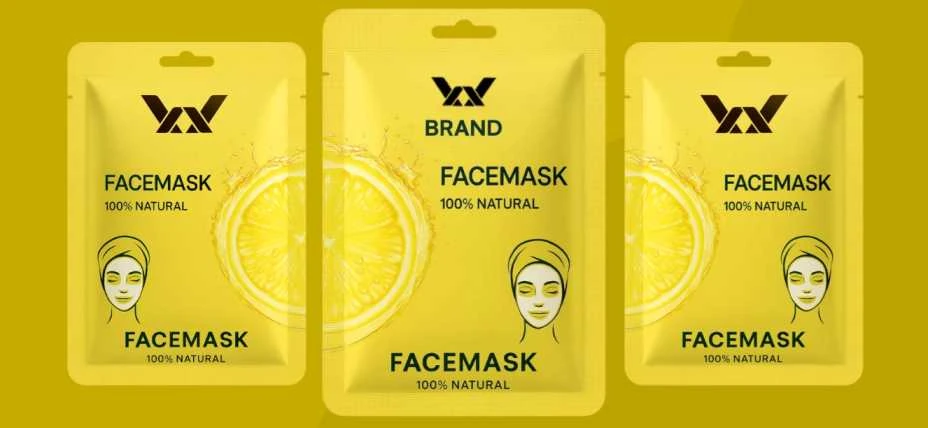
- Laminated sachets for personal care products
- Vacuum-sealed packs for frozen foods
- Resealable pouches for dry items
This type of packaging is widely used because it offers both protection and convenience while being cost-effective for businesses.
Why Businesses Are Moving Away from Rigid Packaging
Traditional packaging formats like metal cans, glass bottles, and hard plastic containers are still in use, but they come with several limitations. They are heavier, occupy more space, and increase transportation costs.
In comparison, flexible packaging offers several advantages:
- Lower shipping costs due to lightweight structure
- Better space utilization in storage and retail
- Custom design options for branding
- Availability of eco-friendly materials
- Improved convenience for consumers
For many companies, switching to flexible packaging is not just about innovation—it’s about improving efficiency and reducing operational expenses.
How Flexible Packaging Supports Different Business Sizes
One of the biggest strengths of flexible packaging is that it works equally well for both small businesses and large corporations.
For Small Businesses
Startups and small brands benefit from low minimum order quantities and customizable designs. This allows them to test different packaging styles without investing heavily.
For Large Enterprises
Big companies use advanced flexible packaging solutions that meet international quality standards. These often include multi-layer laminated films designed to preserve product quality for longer durations, making them ideal for exports and large-scale distribution.
Because of this adaptability, flexible packaging is used across various industries—from local food brands to global cosmetic companies.
Why Food and Beverage Brands Prefer Flexible Packaging
The food industry was one of the earliest adopters of flexible packaging, and it continues to lead the trend.
Key benefits include:
- Better freshness retention through sealed packaging
- Easy-to-use formats like resealable pouches
- Strong visual appeal on retail shelves
- Reduced transportation and storage costs
- Availability of sustainable packaging options
From chips and coffee to frozen meals, flexible packaging helps maintain product quality while improving customer convenience.
Flexible Packaging in Cosmetics and Personal Care
In the beauty and personal care industry, packaging plays a major role in attracting customers. Flexible packaging allows brands to experiment with creative designs while keeping costs under control.
Popular applications include:
- Single-use sachets for shampoos and creams
- Refill pouches for lotions and liquid products
- Custom printed pouches for branding
Many brands are also shifting toward recyclable materials to meet the growing demand for sustainable packaging in the personal care segment.
Importance of Flexible Packaging in Pharmaceuticals
The pharmaceutical industry requires packaging that ensures safety, hygiene, and durability. Flexible packaging meets these requirements effectively.
It is commonly used for:
- Moisture-resistant pouches for tablets and powders
- Sealed sachets to prevent contamination
- Single-dose packaging for patient convenience
Advanced multi-layer films used in flexible packaging help maintain the effectiveness of medicines by protecting them from external factors.
Cost Advantages of Flexible Packaging
One of the biggest reasons behind the popularity of flexible packaging is cost efficiency.
It helps businesses save money in several ways:
- Reduced material usage
- Lower transportation costs
- Efficient storage due to compact design
- Affordable bulk production options
Even smaller businesses can benefit because many suppliers offer flexible order quantities, allowing them to scale gradually.
Sustainability and Environmental Impact
Environmental concerns are pushing brands to adopt more responsible packaging solutions. Flexible packaging is evolving with this demand by offering eco-friendly options such as recyclable and biodegradable materials.
This helps businesses:
- Reduce their environmental footprint
- Meet regulatory requirements
- Build trust with eco-conscious consumers
Sustainable packaging is no longer optional—it is becoming an essential part of brand identity.
Choosing the Right Packaging Partner
Selecting the right supplier is crucial for getting the best results from flexible packaging.
Here are a few key factors to consider:
- Industry experience and expertise
- Customization capabilities
- Minimum order quantity options
- Quality and safety certifications
- Availability of sustainable materials
A reliable supplier does more than provide packaging—they contribute to your brand’s growth by ensuring consistency and quality.
Why Flexible Packaging Is the Future
The shift toward flexible packaging is driven by real business needs. It offers a combination of cost savings, convenience, sustainability, and design flexibility that traditional packaging cannot match.
As industries continue to evolve, more brands are expected to adopt flexible packaging solutions to stay competitive in the market.
Final Thoughts
Flexible packaging has become a practical and efficient solution for modern businesses. It supports better product protection, reduces costs, and enhances brand presentation.
Whether you are launching a new product or upgrading your packaging strategy, moving toward flexible packaging can help you stay ahead in a competitive market.










Sign in to leave a comment.