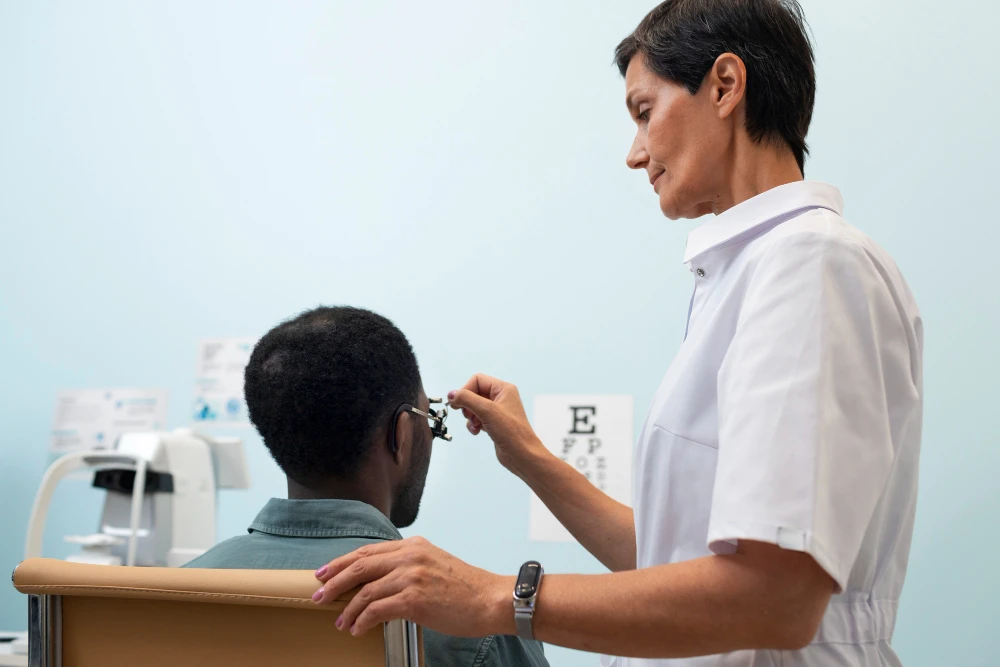
Vision problems can appear suddenly, and some require urgent medical care. One of the most serious eye emergencies is Retinal Detachment, a condition where the retina pulls away from the back of the eye and threatens permanent vision loss.
If you experience symptoms such as flashes, floaters, or a shadow in your vision, seeing a retinal detachment specialist immediately can make the difference between saving and losing your eyesight. These highly trained doctors specialize in diagnosing and treating diseases that affect the retina, the light-sensitive layer responsible for vision.
Understanding who treats retinal detachment and how they help can empower you to seek the right care at the right time.
What Is Retinal Detachment?
The retina is a thin layer of tissue at the back of the eye that converts light into signals sent to the brain. When the retina separates from its supporting tissue, it stops receiving oxygen and nutrients, which can quickly lead to vision damage.
According to the American Academy of Ophthalmology, retinal detachment is considered a medical emergency that requires prompt treatment.
Common warning signs include:
- Sudden increase in floaters
- Flashes of light in one or both eyes
- Blurred or distorted vision
- A dark curtain or shadow across part of your vision
- Gradual loss of peripheral vision
If any of these symptoms appear, immediate evaluation by an eye specialist is essential.
Who Treats Retinal Detachment?
Retinal detachment is treated by a retina specialist, a type of ophthalmologist with advanced training in diseases and surgery of the retina and vitreous.
- Training of a Retina Specialist
- A retina specialist typically completes:
- Medical school
- Residency in Ophthalmology
- Additional fellowship training in Vitreoretinal Surgery
This extra training allows them to manage complex retinal conditions and perform delicate eye surgeries.
Because retinal detachment requires specialized surgical skills, general eye doctors often refer patients directly to a retina expert.
Why Retina Specialists Are Critical for Treatment?
Retinal conditions are among the most delicate and complex eye disorders. Retina specialists use advanced diagnostic tools and microsurgical techniques to repair the retina and restore vision.
Their role includes:
- Confirming the diagnosis through detailed retinal imaging
- Determining the type and severity of detachment
- Choosing the most appropriate treatment method
- Performing specialized retinal surgery
- Monitoring recovery and preventing complications
Early intervention significantly improves the chances of successful vision recovery.
Common Treatments for Retinal Detachment
Treatment depends on the size, location, and severity of the detachment. Retina specialists may recommend several procedures.
1. Laser Surgery (Photocoagulation)
Laser treatment is often used for small retinal tears before detachment occurs. The laser creates tiny burns that seal the retina to the eye wall.
2. Cryopexy
Cryopexy uses freezing therapy to seal retinal tears. This technique forms scar tissue that holds the retina in place.
3. Pneumatic Retinopexy
In this procedure, the doctor injects a gas bubble into the eye. The bubble presses the retina back into place while it heals.
4. Vitrectomy Surgery
A more advanced procedure called Vitrectomy removes the vitreous gel and replaces it with gas or silicone oil to support the retina during healing.
5. Scleral Buckle Surgery
A flexible band is placed around the eye to gently push the eye wall closer to the retina, helping it reattach.
Each treatment option is carefully selected based on the patient’s specific condition.
When Should You See a Retina Specialist?
Immediate evaluation is crucial if you notice symptoms that may indicate retinal damage.
Seek urgent care if you experience:
- Sudden flashes or floaters
- A shadow or curtain effect in your vision
- Rapid changes in eyesight
- Blurry or distorted vision after eye trauma
People with certain risk factors should also schedule regular eye exams.
High-risk groups include:
- Individuals with severe nearsightedness
- Those with a family history of retinal detachment
- People who have had eye surgery or trauma
- Patients with diabetic eye disease
Regular monitoring helps detect retinal problems before they progress.
Why Early Treatment Matters?
Retinal detachment does not heal on its own. Without treatment, permanent vision loss can occur.
Early diagnosis by a retina specialist can:
- Prevent total blindness
- Restore or preserve vision
- Reduce surgical complexity
- Improve long-term eye health
Modern retinal surgery techniques have significantly improved success rates when treatment is performed quickly.
Wrapping Up
Retinal detachment is a serious eye condition that requires immediate medical attention. While general eye doctors can identify early symptoms, treatment is typically performed by a retina specialist with advanced training in retinal diseases and surgery.
By recognizing early warning signs and seeking help quickly, patients greatly increase their chances of preserving their vision. If you notice sudden changes in your eyesight, don’t wait—consult a qualified retina specialist as soon as possible to protect your long-term eye health.
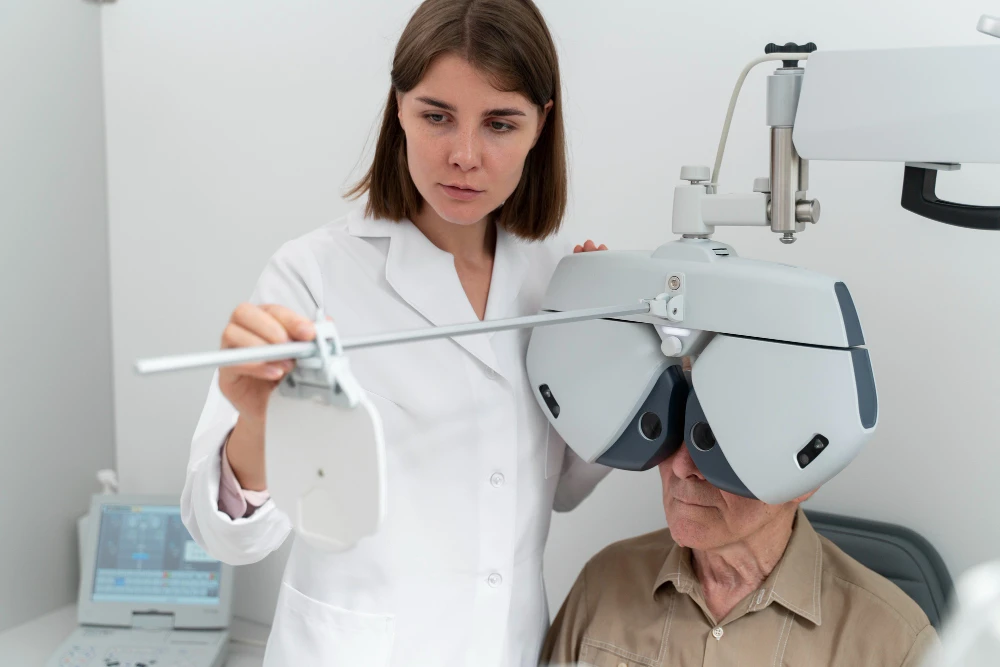
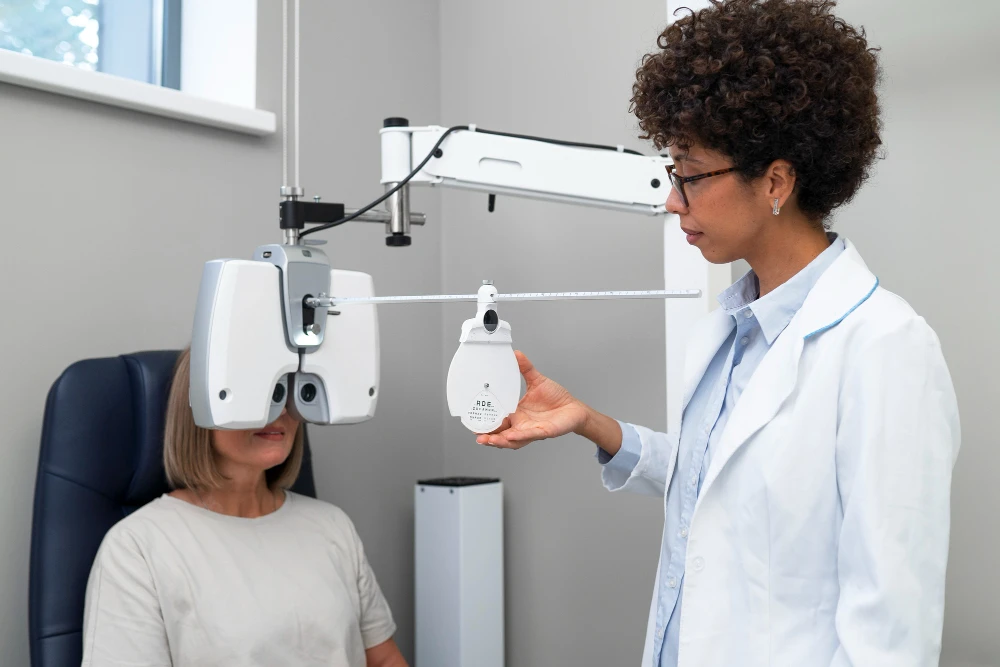













Sign in to leave a comment.