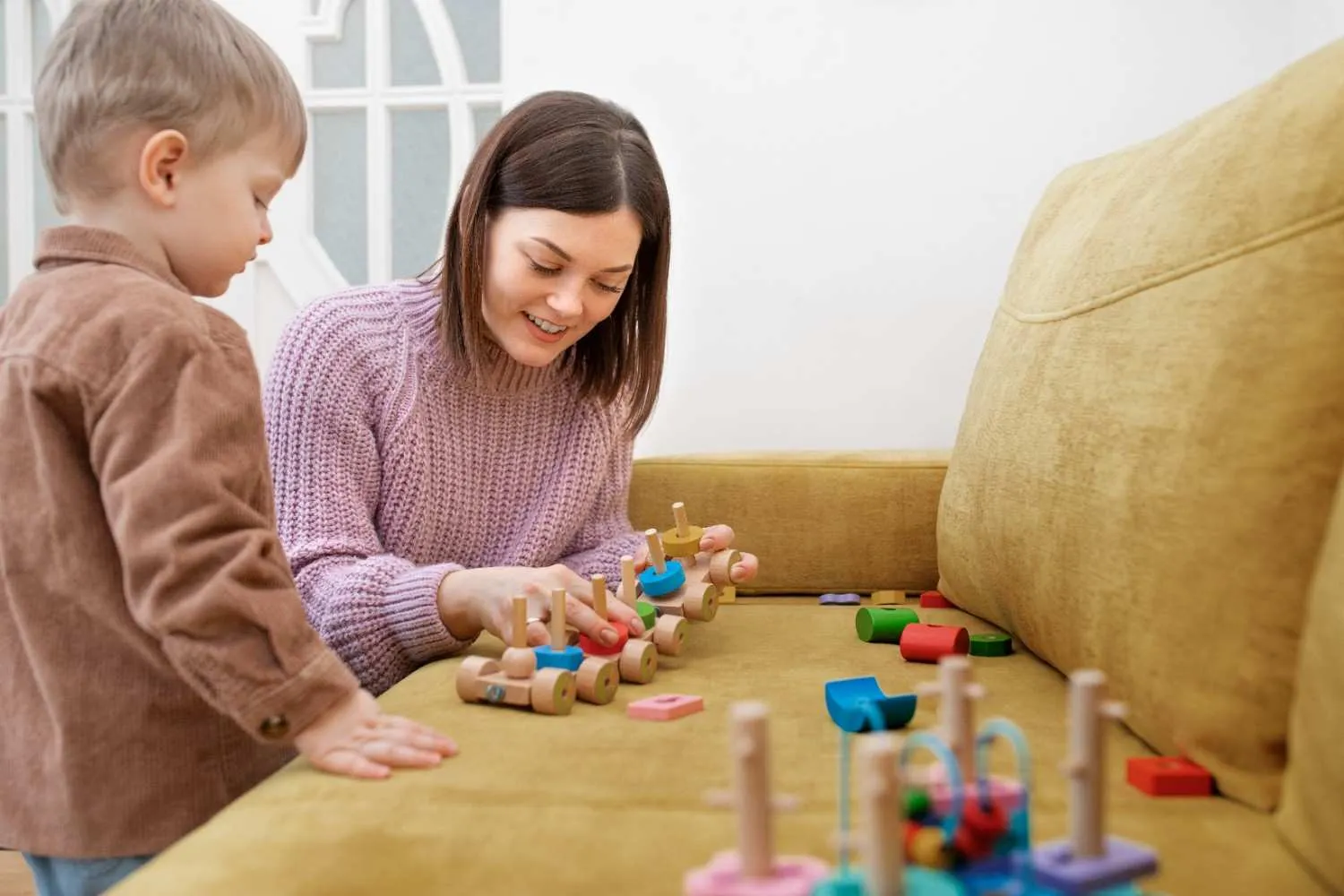

School is supposed to be a place of growth, friendship, and discovery. For many children, it is. But for a significant number of kids, the thought of going to school brings something far more uncomfortable — a knot in the stomach, a racing heart, or a wave of dread that's hard to shake. This is school anxiety, and it's more common than most parents realize.
School anxiety doesn't mean a child is fragile or incapable. It means they're struggling with something real, and they need understanding before they need solutions.
What Is School Anxiety, and Why Does It Happen?
School anxiety is a type of anxiety in children that centers on the school environment. It can emerge around attending school, separating from parents, fitting in socially, keeping up academically, or simply navigating an environment that feels unpredictable and overwhelming.
Children thrive on familiarity and routine. School, by its very nature, constantly introduces change — new teachers, new expectations, new social dynamics, new demands. For children who are naturally more sensitive or who have experienced stress at home or in past school years, that constant newness can tip into genuine anxiety.
It's also worth noting that anxiety in children is rarely just "in their head." The nervous system responds to perceived threats in real, physical ways. A child who feels anxious about school isn't being dramatic. Their body is genuinely reacting, and that experience deserves to be taken seriously.
How School Anxiety Shows Up in Children
One of the reasons school anxiety goes unaddressed is that it doesn't always look the way parents expect. Children often can't explain what they're feeling, and the symptoms can seem disconnected from anxiety altogether.
Physical Complaints
Stomachaches and headaches that appear on school mornings and vanish on weekends are among the most reliable signs. A child might also complain of feeling nauseous, dizzy, or "just not right" before school — and seem perfectly fine by mid-afternoon on a Saturday.
Behavioral Changes
Tantrums, clinginess, reluctance to leave the house, or flat refusal to get in the car can all be anxiety responses. Older children might become withdrawn, avoidant, or unusually irritable in the evenings when they're mentally processing the upcoming school day.
Sleep Difficulties
Anxiety in children often spikes at bedtime. A child who's worried about school may have trouble falling asleep, wake frequently, experience nightmares, or start appearing at their parents' bedroom door in the middle of the night.
Regression
Some children, especially younger ones, may show behaviors they had previously outgrown — thumb-sucking, bedwetting, or demanding help with tasks they've been handling independently for years.
Social Withdrawal
A child managing school anxiety may begin pulling away from friends, avoiding social activities, or expressing fear about things like lunchtime, recess, or group projects.
The Difference Between Normal Nerves and Anxiety That Needs Support
It's completely normal for children to feel nervous about the first day of school, a big test, or switching schools. These feelings typically settle once the child gets into the new routine and builds familiarity.
The concern grows when anxiety becomes persistent rather than temporary. If your child's distress lasts more than a few weeks, is interfering with daily functioning, or is leading to repeated school avoidance, that's a signal to seek support.
Anxiety that goes unaddressed tends to intensify over time. The longer a child avoids what makes them anxious, the bigger that thing can feel. Early support isn't overreacting — it's often the most effective approach.
What Parents Can Do at Home
Parents are in a powerful position when it comes to helping children navigate anxiety. The goal isn't to eliminate all stress from a child's life — some stress is part of healthy development. The goal is to help children build the tools to manage difficult feelings.
Validate Before You Problem-Solve
When a child says "I don't want to go to school," the instinct is often to reassure or redirect immediately. But validation comes first. Saying "I hear you — mornings feel really hard right now" before jumping to solutions helps a child feel understood rather than dismissed.
Keep Routines Predictable
Anxiety feeds on uncertainty. Stable morning and evening routines give children a sense of control and reduce the number of unknowns they have to manage.
Practice Calm Separations
For children with separation anxiety, goodbyes that are brief, warm, and consistent are far more effective than prolonged, emotional ones. Develop a simple goodbye ritual and stick to it. Returning repeatedly or extending the departure can unintentionally signal to the child that there is something to worry about.
Use Calm Yourself
Children are remarkably attuned to parental stress. If a parent appears anxious about how the child will manage at school, the child often picks that up and amplifies their own anxiety in response. Projecting quiet confidence — "You've handled hard things before, and you'll handle this too" — makes a meaningful difference.
Limit Avoidance
It's natural to want to protect a child from discomfort. But allowing a child to regularly skip school or avoid anxiety-producing situations typically makes the anxiety stronger over time. Gentle, gradual exposure — staying at school even when it's hard — is usually more helpful in the long run than accommodation.
When Professional Support Makes Sense
Sometimes anxiety in children goes beyond what home strategies can address. If your child's school anxiety is significantly disrupting their daily life, leading to school refusal, or causing them visible distress that doesn't ease with time, professional support is worth considering.
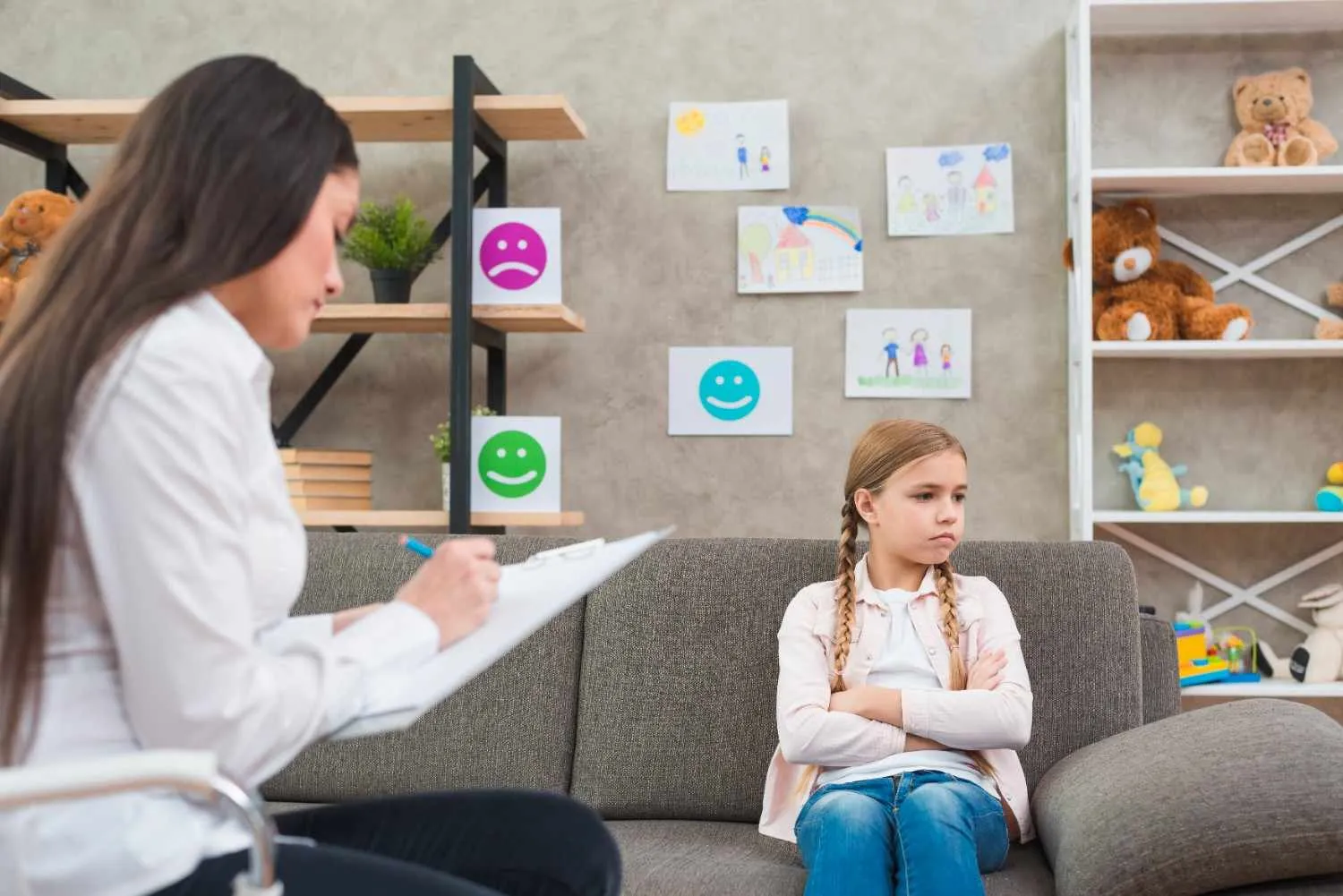
Therapy provides children with tools that are hard to develop on their own. A trained therapist helps a child understand what anxiety is, why it's happening, and how to respond to it differently — building skills that benefit them well beyond the school years.
The Role of Play Therapy
For younger children especially, traditional talk therapy isn't always the most effective approach. Children process their experiences differently than adults. They don't always have the vocabulary or the developmental capacity to sit across from a therapist and discuss their worries directly.
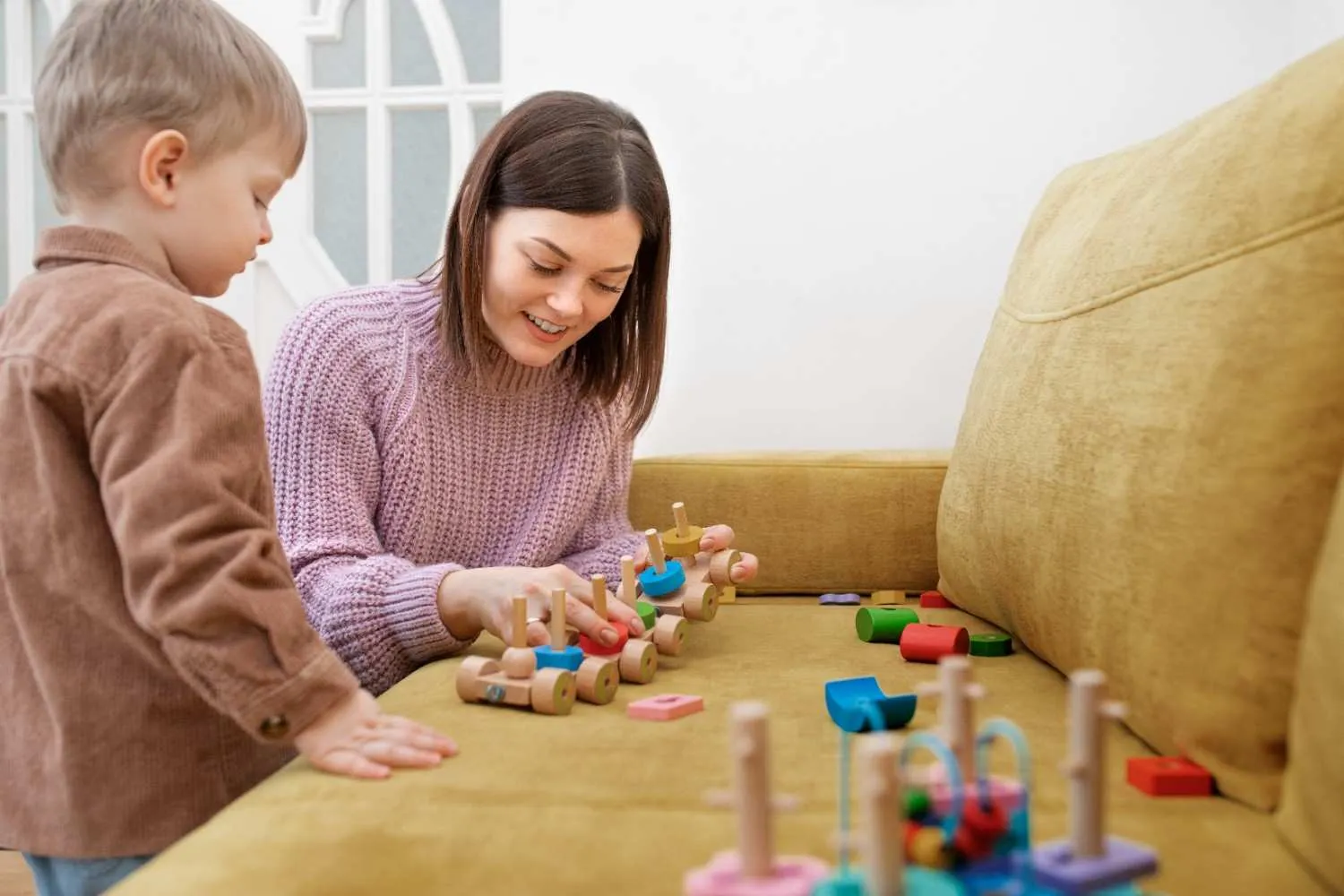
This is where play therapy becomes valuable. Play is a child's natural language. Through play — whether that's art, sand trays, puppets, role-play, or storytelling — children can express experiences and emotions they don't yet have words for. A skilled play therapist reads what the child is communicating through play and uses that as the starting point for healing.
For a child dealing with school anxiety, play therapy might help them rehearse difficult situations in a safe setting, process fears that feel too big to name, or build a sense of confidence and control in a low-pressure environment. It doesn't feel like "therapy" to a child. It feels like being understood.
Play therapy is particularly well-suited to anxiety in children because it works with how children naturally think and feel, rather than requiring them to meet the therapist halfway with adult-style insight and articulation.
Supporting Your Child Through the School Year
Managing school anxiety isn't a one-time fix. It's an ongoing practice for both the child and the family. A few things that help over the longer term:
Keep communication open. Regular, low-stakes check-ins — not just during crisis moments — help children feel they can talk to you before anxiety gets overwhelming.
Celebrate small wins. When a child has a hard morning and makes it to school anyway, that's worth acknowledging. Bravery isn't the absence of fear. It's showing up despite it.
Stay in contact with the school. Teachers and school counselors can be important allies. Letting them know what your child is going through — and asking for their support — helps create consistency across environments.
Take care of yourself. Parenting an anxious child is exhausting. It's okay to seek your own support, whether from other parents, a therapist, or trusted people in your life.
Getting Help for Your Child in Charlotte
If your child is struggling with school anxiety and you're looking for professional support, therapy can make a real difference — both in how your child feels day to day and in the coping tools they carry forward.
Michelle Daley, a play therapist in Charlotte at Montgomery Counseling Group, works with children navigating anxiety, school-related stress, and other emotional challenges. Using play-based approaches that meet children where they are, Michelle helps young clients work through what they're carrying in ways that feel natural and safe for them.
If anxiety therapy in Charlotte is something your family is exploring, reaching out to a therapist who understands how children experience and express anxiety is a meaningful first step.
Final Thoughts
School anxiety is real, it's common, and it's treatable. Children who struggle with it are not broken — they're overwhelmed, and they need patient, informed support from the adults around them.
The earlier anxiety in children is recognized and addressed, the better the outcomes tend to be. Whether that support looks like adjustments at home, collaboration with the school, or working with a therapist, what matters most is that the child knows they don't have to face it alone.



























Sign in to leave a comment.